01 / Morfologi

Ciri dan struktur

Silver scurf is a plant disease of potato, which is caused by the anamorphic ascomycete fungus, Helminthosporium solani. Potato tubers are the only known host of Helminthosporium solani. It is a highly specific pathogen which does not have a secondary host or alternate host. A common symptom of this disease is blemishing on the surface of the potato tubers. These blemishes are tan and/or gray due to a loss of pigment, and they are usually irregularly shaped. Also, a post-harvest symptom can be shrinkage and shriveling of the outer tissue of the potato due to water loss. Black spots can also be found on the surface of infected tubers, which are a sign of the disease. These are made up of conidia and conidiophores of the pathogenic fungus. There are a number of conditions that favor the spread and development of H. solani. Usually, the temperature range of 15 – 32 °C combined with high humidity increase conidial germination. In addition to this, there are many cultural practices which affect the conditions that favor disease spread and development. These practices include: the level of H. solani present on the seed, planting and harvesting dates, crop rotations and warehouse management. It has been demonstrated that later harvest dates increase the development of the disease. It has also been demonstrated that the disease was more severe when planting densities were higher. All of these factors combined have an effect of disease spread and development. The spores can still infect and cause disease in daughter tubers in the soil for about two years. The fungus is contained in the outer layers of the potato and cannot infect very deep into the tuber.

Sebagian uraian ditampilkan dalam bahasa sumber; terjemahannya belum tersedia atau belum lolos pemeriksaan.

Rujukan: [1]

Pengukuran mengikuti objek, spesimen atau kultur, dan metode yang disebutkan sumber. Baca uraian asli untuk konteks lengkap.

02 / Kehidupan

Habitat dan peran ekologis

One of alasan utama untuk meningkatnya pentingnya ekonomi perak adalah kurangnya tingkat resistensi tinggi dalam cultivar kentang. Interspecific crosses dengan liar Solanum species telah digunakan untuk meningkatkan resistensi terhadap penyakit pada jenis S. tuberosum. Genes from spesies liar yang mengandung tuber Solanum demissum, Solanum chacoense dan Solanum aculae, yang memiliki sporulasi rendah dari H. solani, telah dimasukkan ke dalam latar belakang beberapa cultivar Canadian potato. Palang-palang interspesifik dan pilihan lanjutan ini sedang disaring untuk ketahanan terhadap berbagai penyakit termasuk kerutan perak. Namun, hingga saat ini belum ada varietas Solanum tuberosum yang tahan terhadap kulit perak.

Rujukan: [1]

Habitat atau konteks temuan
Informasi belum tersedia pada sumber rilis ini.
Substrat
Informasi belum tersedia pada sumber rilis ini.
Peran atau konteks
Belum dikategorikan pada rilis ini.
Temukan hubungan serupa
03 / Siklus hidup

Reproduksi

Helminthosporium solani is a fungal plant pathogen responsible for the plant disease known as silver scurf. Silver scurf is a blemish disease, meaning the effect it has on tubers is mostly cosmetic and affects "fresh market, processing and seed tuber potatoes." There are some reports of it affecting development, meaning growth and tuber yield. This is caused by light brown lesions, which in turn change the permeability of tuber skin and then it causes tuber shrinkage and water loss, which finally causes weight loss. The disease has become economically important because silver scurf affected potatoes for processing and direct consumption have been rejected by the industry. The disease cycle can be divided into two stages: field and storage.

Sebagian uraian ditampilkan dalam bahasa sumber; terjemahannya belum tersedia atau belum lolos pemeriksaan.

Rujukan: [1]

Sinonim menurut acuan taksonomi rilis: Brachysporium solani; Dematium atrovirens; Helminthosporium atrovirens; Spondylocladium atrovirens
04 / Batas informasi

Catatan identitas dan cakupan

  • Nama diterima mengikuti Catalogue of Life Base2026-09-11; uraian mempertahankan konsep dan nama sumber aslinya.
  • Original geographic, specimen and life-cycle scope retained; source import awaits individual editorial review.
  • Impor dan terjemahan otomatis belum diperiksa editorial per profil. Struktur reproduktif yang disebutkan tidak membuktikan seluruh siklus hidup diketahui.
  • Pengukuran pada uraian mengikuti spesimen, kultur, dan metode sumber; angka tidak diperluas ke semua populasi.

Catatan distribusi dalam narasi mengikuti sumbernya. Dokumentasi spesimen atau foto mengikuti catatan sumber. Bukti wilayah Indonesia dan penilaian konservasi tidak disimpulkan dari gambar.

05 / Dokumentasi

Melihat dengan konteks

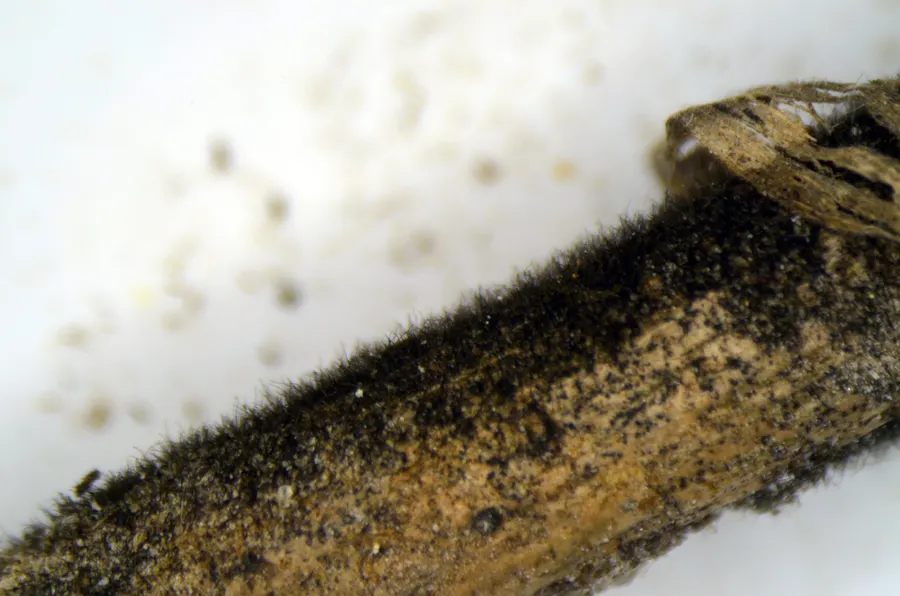
Dokumentasi Helminthosporium solani menurut asosiasi foto pada record takson iNaturalist. Kredit: Jerry Cooper. Identitas mengikuti sumber; bukan penentuan spesimen independen.

Jenis
Fotografi
Kredit
(c) Jerry Cooper, some rights reserved (CC BY), uploaded by Jerry Cooper
Lisensi
CC BY 4.0
Sumber media
Buka entri sumber

Gambar menunjukkan objek menurut identifikasi sumber, bukan verifikasi independen spesimen oleh Fungi. Tidak ada skala baru yang ditambahkan.

06 / Rujukan

Sumber profil

  1. [1] Helminthosporium solani — Wikipedia (en)Bagian sumber: Frozen revision 1374996862
    Tanggal penghimpunan sumber: 2026-10-12
    Teks sumber: CC BY-SA4.0 · Wikipedia contributors
  2. [2] Catalogue of Life Base2026-09-11 — Helminthosporium solaniBagian sumber: ColDP NameUsage.tsv ID 3KGHG; accepted species; source 2073
    Tanggal penghimpunan sumber: 2026-10-12
  3. [3] Dokumentasi visual — Helminthosporium solaniBagian sumber: Individual media record; identification follows the source, not independent determination
    Tanggal penghimpunan sumber: 2026-10-12
    Media sumber: CC BY 4.0 · (c) Jerry Cooper, some rights reserved (CC BY), uploaded by Jerry Cooper

Adaptasi teks: CC BY-SA 4.0. Wikipedia contributors — Helminthosporium solani — Wikipedia (en)

Uraian asli dan riwayat sumber

Riwayat atau halaman sumber

Ringkasan sumber

Helminthosporium solani is a fungal plant pathogen responsible for the plant disease known as silver scurf. Silver scurf is a blemish disease, meaning the effect it has on tubers is mostly cosmetic and affects "fresh market, processing and seed tuber potatoes." There are some reports of it affecting development, meaning growth and tuber yield. This is caused by light brown lesions, which in turn change the permeability of tuber skin and then it causes tuber shrinkage and water loss, which finally causes weight loss.

Revisi sumber

Morfologi sumber

Silver scurf is a plant disease of potato, which is caused by the anamorphic ascomycete fungus, Helminthosporium solani. Potato tubers are the only known host of Helminthosporium solani. It is a highly specific pathogen which does not have a secondary host or alternate host. A common symptom of this disease is blemishing on the surface of the potato tubers. These blemishes are tan and/or gray due to a loss of pigment, and they are usually irregularly shaped. Also, a post-harvest symptom can be shrinkage and shriveling of the outer tissue of the potato due to water loss. Black spots can also be found on the surface of infected tubers, which are a sign of the disease. These are made up of conidia and conidiophores of the pathogenic fungus. There are a number of conditions that favor the spread and development of H. solani. Usually, the temperature range of 15 – 32 °C combined with high humidity increase conidial germination. In addition to this, there are many cultural practices which affect the conditions that favor disease spread and development. These practices include: the level of H. solani present on the seed, planting and harvesting dates, crop rotations and warehouse management. It has been demonstrated that later harvest dates increase the development of the disease. It has also been demonstrated that the disease was more severe when planting densities were higher. All of these factors combined have an effect of disease spread and development. The spores can still infect and cause disease in daughter tubers in the soil for about two years. The fungus is contained in the outer layers of the potato and cannot infect very deep into the tuber.

Revisi sumber

Ekologi sumber

One of the major reasons for the increasing economic importance of silver scurf is the lack of high levels of resistance in potato cultivars. Interspecific crosses with wild Solanum species have been used to increase disease resistance in cultivars of S. tuberosum. Genes from the wild tuber-bearing species Solanum demissum, Solanum chacoense and Solanum aculae, which have low sporulation of H. solani, have been incorporated into the background of some Canadian potato cultivars. These interspecific crosses and advanced selections are being screened for resistance to different diseases including silver scurf. However, no silver scurf-resistant cultivars of Solanum tuberosum have, thus far, been identified.

Revisi sumber

Struktur reproduksi sumber

Helminthosporium solani is a fungal plant pathogen responsible for the plant disease known as silver scurf. Silver scurf is a blemish disease, meaning the effect it has on tubers is mostly cosmetic and affects "fresh market, processing and seed tuber potatoes." There are some reports of it affecting development, meaning growth and tuber yield. This is caused by light brown lesions, which in turn change the permeability of tuber skin and then it causes tuber shrinkage and water loss, which finally causes weight loss. The disease has become economically important because silver scurf affected potatoes for processing and direct consumption have been rejected by the industry. The disease cycle can be divided into two stages: field and storage.

Revisi sumber

Rujukan halaman ini

Fungi. Helminthosporium solani. Rilis data fungi-2026-10-12-expansion-2. https://fungi-atlas.mgadib.chatgpt.site/jamur/helminthosporium-solani/.

Status: impor sumber; pemeriksaan editorial per profil belum selesai. Untuk klaim biologis, gunakan rujukan pada bagian terkait dan periksa konteks sumber aslinya.