Ciri dan struktur
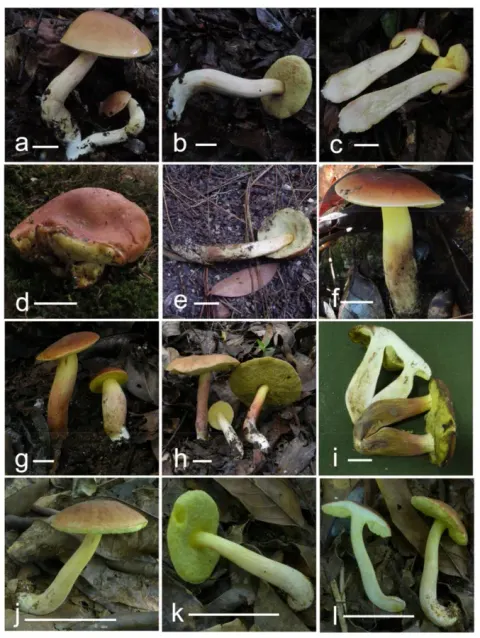
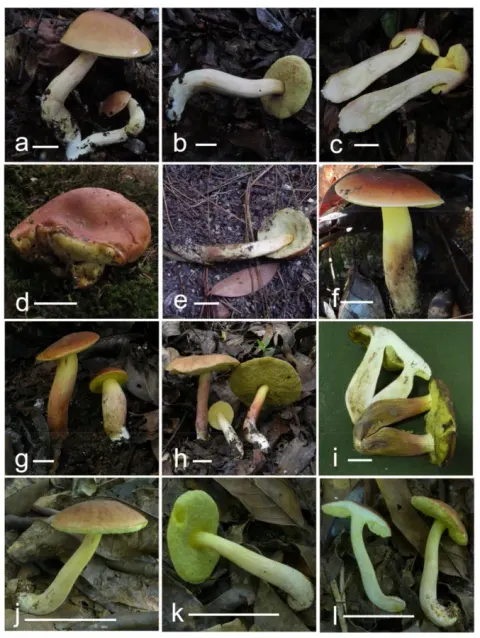
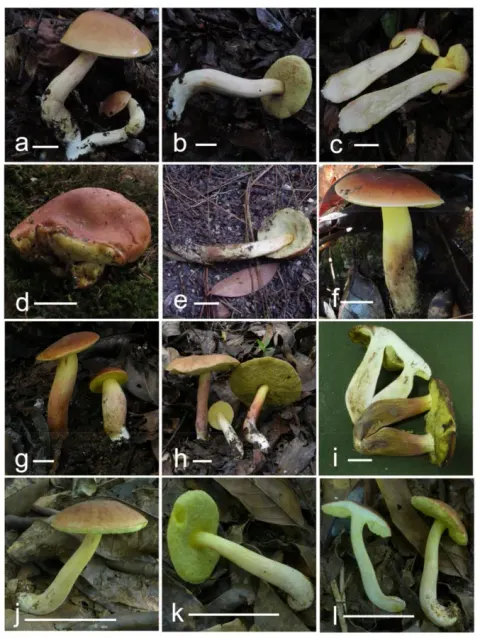
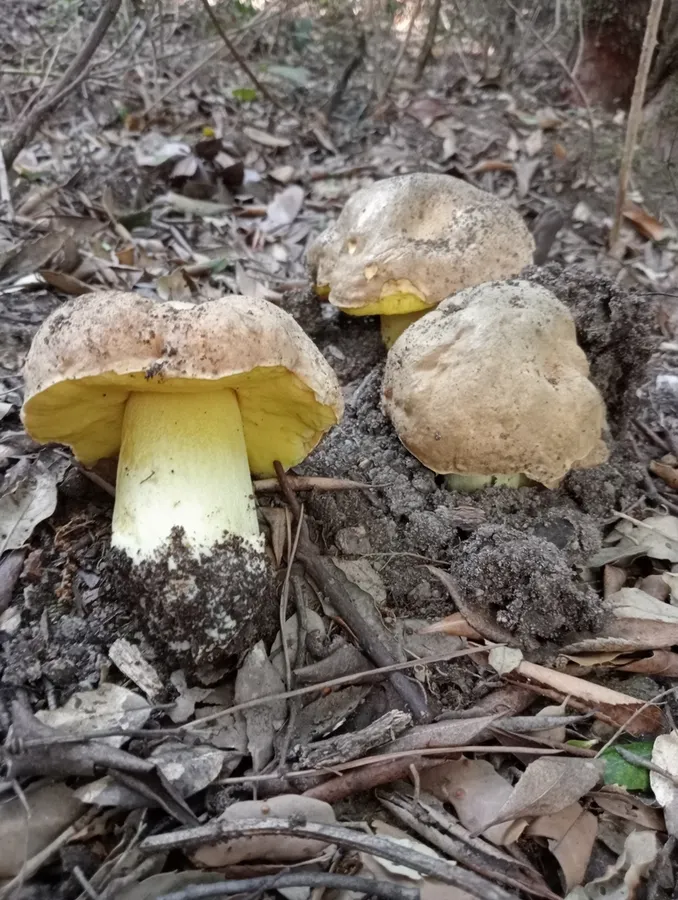
The cap diameter usually ranges between 5 and 12 cm, but can reach 20 cm. It is at first hemispherical, gradually becoming convex as the fungus expands and finally flat in fully mature specimens, sometimes with a slightly uplifted margin. The colour ranges from light tan, pale brown, chestnut-brown, grey, ochraceous-brown, greyish-brown or olivaceous-brown and the cap of young fruit bodies is initially covered in a velvety, finely filamentous silvery-grey coating that disappears in age. The cap cuticle turns violet with a drop of ammonium hydroxide. The stem is cylindrical, clavate or ventricose, 5 to 15 cm high by 2 to 6 cm wide, cream to pale yellow, but typically lemon-yellow at the apex and usually narrowing at the base. It has no reticulation (net), but is covered in tiny pustules (scabrosities) below the apex, sometimes browning with age. The tubes are pale yellow to lemon-yellow and usually do not discolour when cut, but may rarely stain faintly greenish-brown. The pores are small and rounded, lemon-yellow to chrome-yellow, not discolouring or rarely staining greenish-brown where handled or injured. The flesh is thick, soft, pale yellow to whitish, usually remaining the same colour when cut, or rarely becoming faintly pinkish-brown above the tubes and at the stem base. It has a sour smell somewhat reminiscent of iodine, more pronounced at the stem base. The spores are fusiform (spindle-shaped) or fusiform-ellipsoid, measuring 10–16 × 4–6 μm. Although under an optical microscope they appear perfectly smooth, when viewed with a scanning electron microscope (SEM) fine warts and tiny “pin-pricks” are visible on their surface.
Habitat dan peran ekologis
Hemileccinum impolitum is ecologically versatile, forming ectomycorrhizal associations with several species of oak (Quercus), but occasionally also with beech (Fagus) and chestnut (Castanea). It does not appear to be substrate-specific and has been reported from both calcareous and acidic soil. In the United Kingdom, it is occasionally found in southern England, although finds in other parts of the country have also been reported. Molecular phylogenetic testing has so far verified its presence in Estonia, France, Germany, Portugal, Spain, Sweden, and the Mediterranean islands of Cyprus and Sardinia.
- Habitat atau konteks temuan
- Informasi belum tersedia pada sumber rilis ini.
- Substrat
- Informasi belum tersedia pada sumber rilis ini.
- Peran atau konteks
- Mitra tumbuhan
Reproduksi
The spores are fusiform (spindle-shaped) or fusiform-ellipsoid, measuring 10–16 × 4–6 μm. Although under an optical microscope they appear perfectly smooth, when viewed with a scanning electron microscope (SEM) fine warts and tiny “pin-pricks” are visible on their surface. The cap cuticle is a trichodermium, composed of cylindrical smooth hyphae with clavate terminal cells that later collapse in mature specimens.
Catatan identitas dan cakupan
- Nama diterima mengikuti Catalogue of Life Base2026-09-11; uraian mempertahankan konsep dan nama sumber aslinya.
- Original geographic, specimen and life-cycle scope retained; source import awaits individual editorial review.
- Impor dan terjemahan otomatis belum diperiksa editorial per profil. Struktur reproduktif yang disebutkan tidak membuktikan seluruh siklus hidup diketahui.
- Pengukuran pada uraian mengikuti spesimen, kultur, dan metode sumber; angka tidak diperluas ke semua populasi.
Catatan distribusi dalam narasi mengikuti sumbernya. Dokumentasi spesimen atau foto mengikuti catatan sumber. Bukti wilayah Indonesia dan penilaian konservasi tidak disimpulkan dari gambar.
Melihat dengan konteks
Dokumentasi Hemileccinum impolitum menurut asosiasi foto pada record takson iNaturalist. Kredit: Davide Puddu. Identitas mengikuti sumber; bukan penentuan spesimen independen.
- Jenis
- Fotografi
- Kredit
- (c) Davide Puddu, some rights reserved (CC BY), uploaded by Davide Puddu
- Lisensi
- CC BY 4.0
- Sumber media
- Buka entri sumber
Dokumentasi tambahan
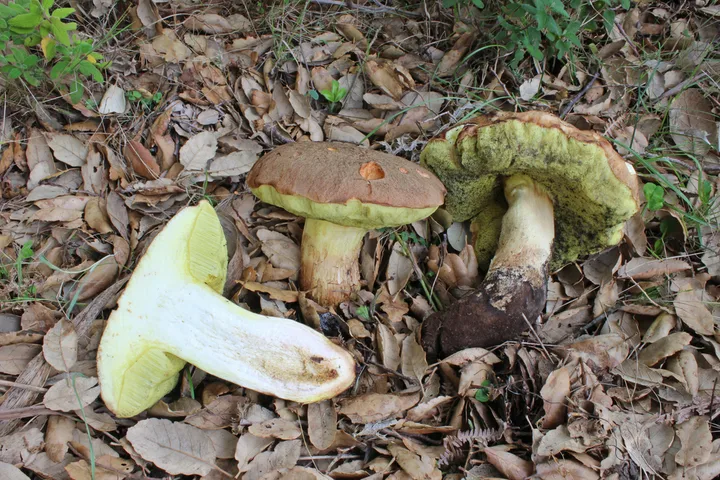
Foto yang diasosiasikan dengan Hemileccinum impolitum pada iNaturalist. Identifikasi mengikuti sumber; bukan penentuan spesimen independen.
Kredit dan penggunaan
(c) Davide Puddu, some rights reserved (CC BY), uploaded by Davide Puddu
Ukuran dan format gambar disesuaikan tanpa pemotongan, retus, atau penambahan skala. Lisensi sumber dipertahankan.
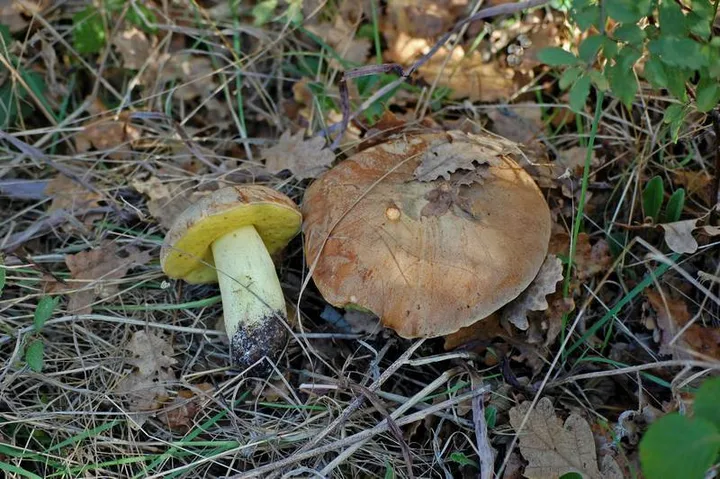
Foto yang diasosiasikan dengan Hemileccinum impolitum pada iNaturalist. Identifikasi mengikuti sumber; bukan penentuan spesimen independen.
Kredit dan penggunaan
(c) Davide Puddu, some rights reserved (CC BY), uploaded by Davide Puddu
Ukuran dan format gambar disesuaikan tanpa pemotongan, retus, atau penambahan skala. Lisensi sumber dipertahankan.
Sumber profil
- [1] Hemileccinum impolitum — Wikipedia (en)
- [2] Catalogue of Life Base2026-09-11 — Hemileccinum impolitum
- [3] Dokumentasi visual — Hemileccinum impolitum
- [4] Dokumentasi visual — Hemileccinum impolitum
- [5] Dokumentasi visual — Hemileccinum impolitum
Rujukan halaman ini
Fungi. Hemileccinum impolitum. Rilis data fungi-2026-10-12-expansion-2. https://fungi-atlas.mgadib.chatgpt.site/jamur/hemileccinum-impolitum/.
Status: impor sumber; pemeriksaan editorial per profil belum selesai. Untuk klaim biologis, gunakan rujukan pada bagian terkait dan periksa konteks sumber aslinya.