Ciri dan struktur
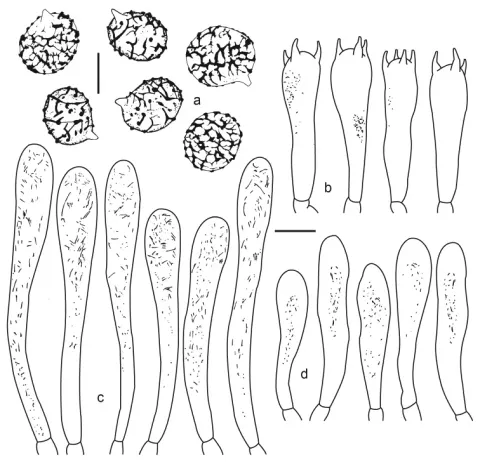
Like other members of Russulaceae, fruit-bodies of Lactifluus clarkeae have brittle flesh and, like other species of Lactarius and Lactifluus, produce latex when bruised. The production of latex can be an ephemeral feature, particularly in dry conditions. The species concept is broad, the morphology is variable and loosely defined. It is a robust mushroom with a pale buff to bright-orange pileus, 50–120 mm in diameter, can be convex at first and often centrally depressed, becoming infundibuliform or funnel-shaped with age. The cap surface is dry, smooth to velutinous or tomentose, with an inrolled margin. The outline of the cap sometimes irregular, giving a warped appearance. The pileus context or flesh is white or cream through to orange in fresh specimens and can stain brown on exposure to air, up to 30 mm deep. The lamellae are adnate to decurrent, close to sub-distant, thick, up to 8 mm deep, typically lighter-coloured buff than the cap and stem, and bruise brownish. The stipe is up to 41 mm tall and 30 mm in diameter, terete, almost equal but often tapering slightly towards the base, concolorous with the cap or not, finely velutinous to tomentose. Context of the stem is solid and occasionally with chambers, similar colour to the cap context. Latex is white, cream, or watery but often variable. Odour can be mild or acrid or fishy in fresh specimens and acrid or fishy on drying. Taste can be mild, hot, acrid or astringent. Basidiospores 8 μm and slightly angular according to Cleland's original description. Spore print white.
Habitat dan peran ekologis
Lactifluus clarkeae occurs in Australia and New Zealand and is commonly observed in forests and woodlands with shrubs and trees including Eucalyptus and Leptospermum of Myrtaceae and also with Nothofagus. is used for mushrooms found associated with Nothofagus (southern beech).
- Habitat atau konteks temuan
- hutan
- Substrat
- Informasi belum tersedia pada sumber rilis ini.
- Peran atau konteks
- Belum dikategorikan pada rilis ini.
Reproduksi
Basidiospores 8 μm and slightly angular according to Cleland's original description. Spore print white.
Catatan identitas dan cakupan
- Nama diterima mengikuti Catalogue of Life Base2026-09-11; uraian mempertahankan konsep dan nama sumber aslinya.
- Original geographic, specimen and life-cycle scope retained; source import awaits individual editorial review.
- Impor dan terjemahan otomatis belum diperiksa editorial per profil. Struktur reproduktif yang disebutkan tidak membuktikan seluruh siklus hidup diketahui.
- Pengukuran pada uraian mengikuti spesimen, kultur, dan metode sumber; angka tidak diperluas ke semua populasi.
Catatan distribusi dalam narasi mengikuti sumbernya. Dokumentasi spesimen atau foto mengikuti catatan sumber. Bukti wilayah Indonesia dan penilaian konservasi tidak disimpulkan dari gambar.
Melihat dengan konteks
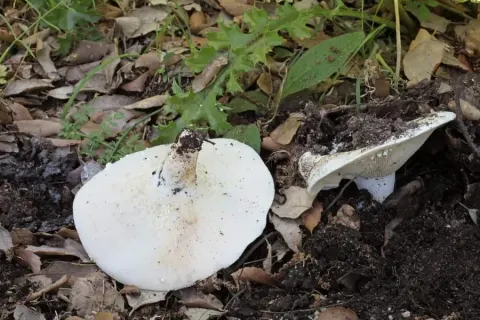
Dokumentasi Lactifluus clarkeae menurut asosiasi foto pada record takson iNaturalist. Kredit: Eileen Laidlaw. Identitas mengikuti sumber; bukan penentuan spesimen independen.
- Jenis
- Fotografi
- Kredit
- no rights reserved, uploaded by Eileen Laidlaw
- Lisensi
- CC0 1.0
- Sumber media
- Buka entri sumber
Dokumentasi tambahan
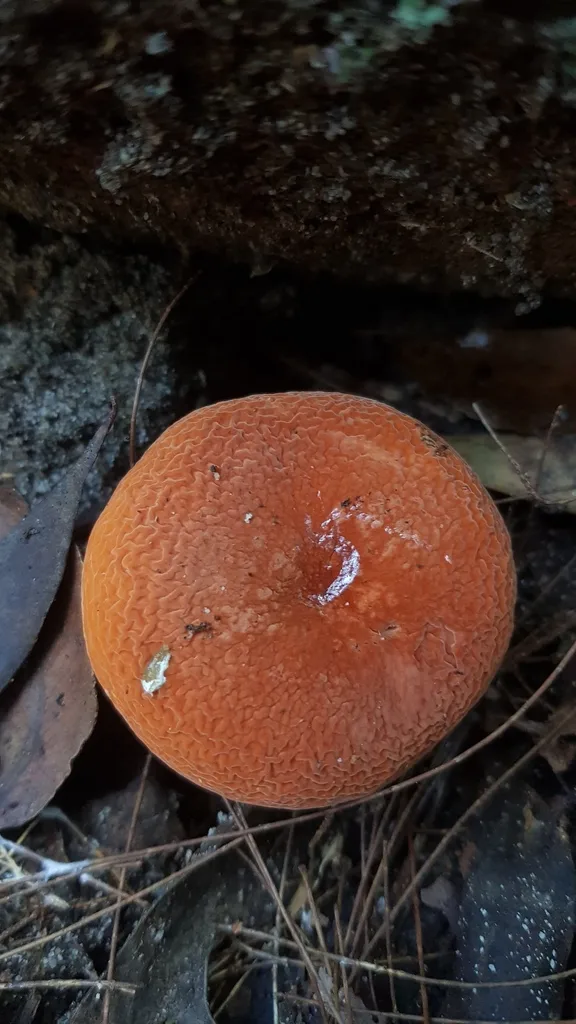
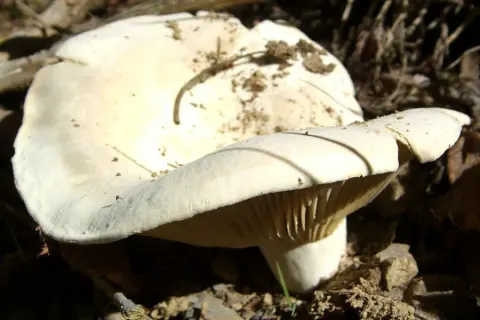
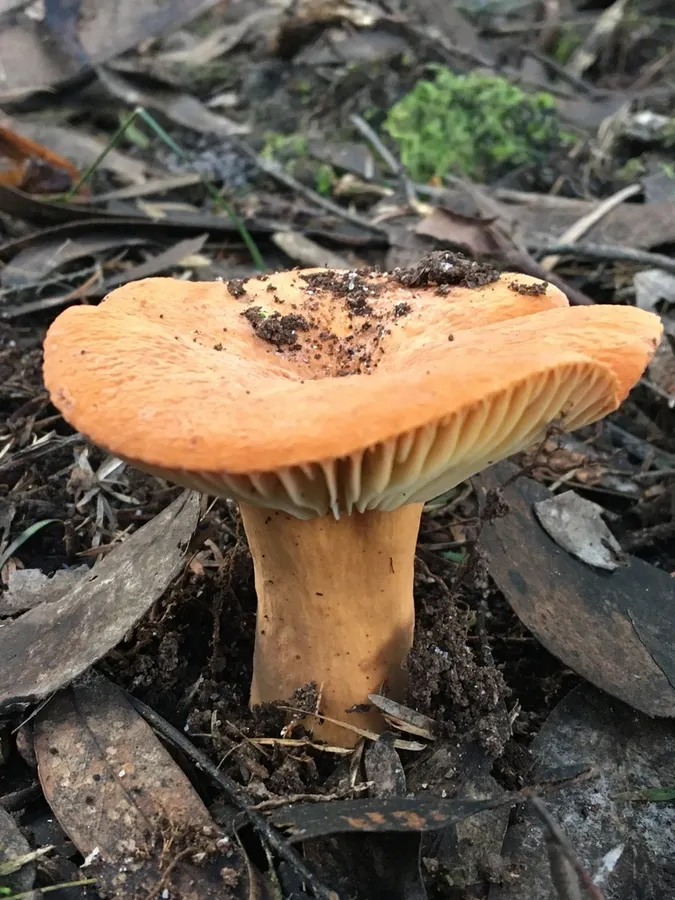
Foto yang diasosiasikan dengan Lactifluus clarkeae pada iNaturalist. Identifikasi mengikuti sumber; bukan penentuan spesimen independen.
Kredit dan penggunaan
(c) Sofia Zvolanek, some rights reserved (CC BY), uploaded by Sofia Zvolanek
Ukuran dan format gambar disesuaikan tanpa pemotongan, retus, atau penambahan skala. Lisensi sumber dipertahankan.
Sumber profil
- [1] Lactifluus clarkeae — Wikipedia (en)
- [2] Catalogue of Life Base2026-09-11 — Lactifluus clarkeae
- [3] Dokumentasi visual — Lactifluus clarkeae
- [4] Dokumentasi visual — Lactifluus clarkeae
Rujukan halaman ini
Fungi. Lactifluus clarkeae. Rilis data fungi-2026-10-12-expansion-2. https://fungi-atlas.mgadib.chatgpt.site/jamur/lactifluus-clarkeae/.
Status: impor sumber; pemeriksaan editorial per profil belum selesai. Untuk klaim biologis, gunakan rujukan pada bagian terkait dan periksa konteks sumber aslinya.