Ciri dan struktur
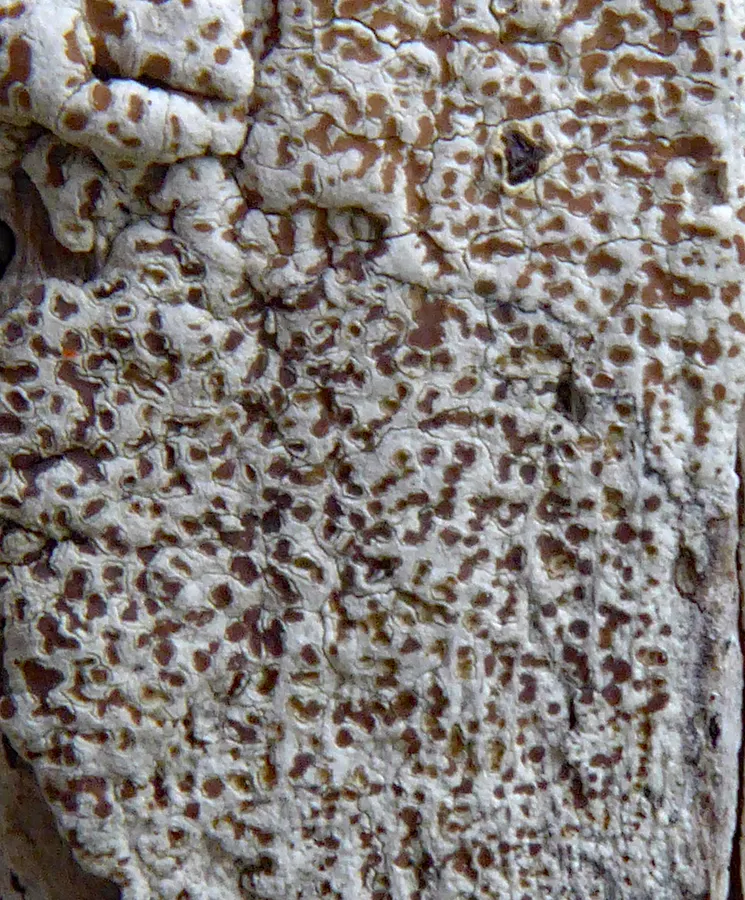
Lecanora kohu has a crustose thallus, is greenish-white when fresh (drying to a pale yellow/cream colour), and has no soredia or isidia. The species has areoles with irregular-crenate margins measuring 0.25–0.5 mm in length. It is similar in morphology to Lecanora symmicta, from which it is distinguished by the continuous, areolate thallus, immersed apothecia with pale pink to pink-brown discs, and by the presence of atranorin and psoromic acid rather than usnic acid, zeorin and xanthones in the thallus.
Habitat dan peran ekologis
The species is endemic to New Zealand, currently only known to occur in New Zealand in the Chatham Islands, though is likely present in other locations. The species primarily grows on the bark of a variety of plants, primarily on Olearia traversiorum and Coprosma chathamica, and is also found on Muehlenbeckia, Melicytus chathamicus, Myrsine chathamica, Dracophyllum arboreum, Cordyline australis and Plagianthus regius subsp. chathamicus. The species is strictly corticolous (growing on bark) and photophilous, preferring to live on isolated trees exposed to the sun, or trees and shrubs found on forest margins. The species is tolerant to strong wind, and can be the dominant crustose lichen present in wind-swept open areas of the Chatham Islands, such as coastal margins and open dunes.
- Habitat atau konteks temuan
- hutan
- Substrat
- kulit kayu
- Peran atau konteks
- Pembentuk liken
Reproduksi
Lecanora kohu has a crustose thallus, is greenish-white when fresh (drying to a pale yellow/cream colour), and has no soredia or isidia. The species has areoles with irregular-crenate margins measuring 0.25–0.5 mm in length. It is similar in morphology to Lecanora symmicta, from which it is distinguished by the continuous, areolate thallus, immersed apothecia with pale pink to pink-brown discs, and by the presence of atranorin and psoromic acid rather than usnic acid, zeorin and xanthones in the thallus.
Catatan identitas dan cakupan
- Nama diterima mengikuti Catalogue of Life Base2026-09-11; uraian mempertahankan konsep dan nama sumber aslinya.
- Original geographic, specimen and life-cycle scope retained; source import awaits individual editorial review.
- Impor dan terjemahan otomatis belum diperiksa editorial per profil. Struktur reproduktif yang disebutkan tidak membuktikan seluruh siklus hidup diketahui.
- Pengukuran pada uraian mengikuti spesimen, kultur, dan metode sumber; angka tidak diperluas ke semua populasi.
Catatan distribusi dalam narasi mengikuti sumbernya. Dokumentasi spesimen atau foto mengikuti catatan sumber. Bukti wilayah Indonesia dan penilaian konservasi tidak disimpulkan dari gambar.
Melihat dengan konteks
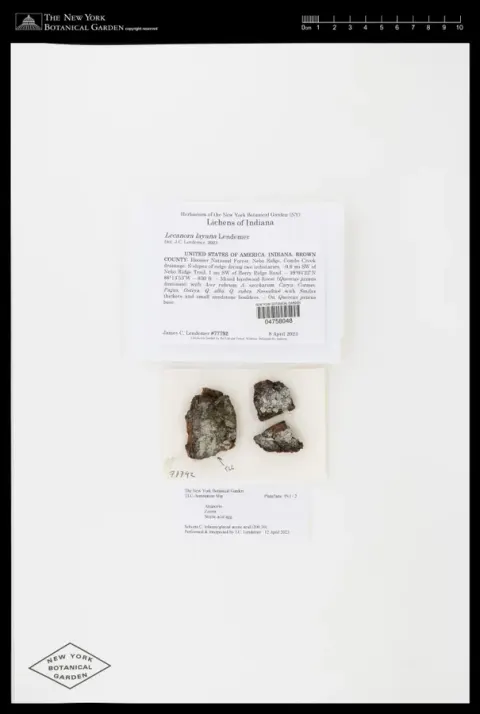
Dokumentasi Lecanora kohu menurut asosiasi foto pada record takson iNaturalist. Kredit: Peter de Lange. Identitas mengikuti sumber; bukan penentuan spesimen independen.
- Jenis
- Fotografi
- Kredit
- no rights reserved, uploaded by Peter de Lange
- Lisensi
- CC0 1.0
- Sumber media
- Buka entri sumber
Dokumentasi tambahan
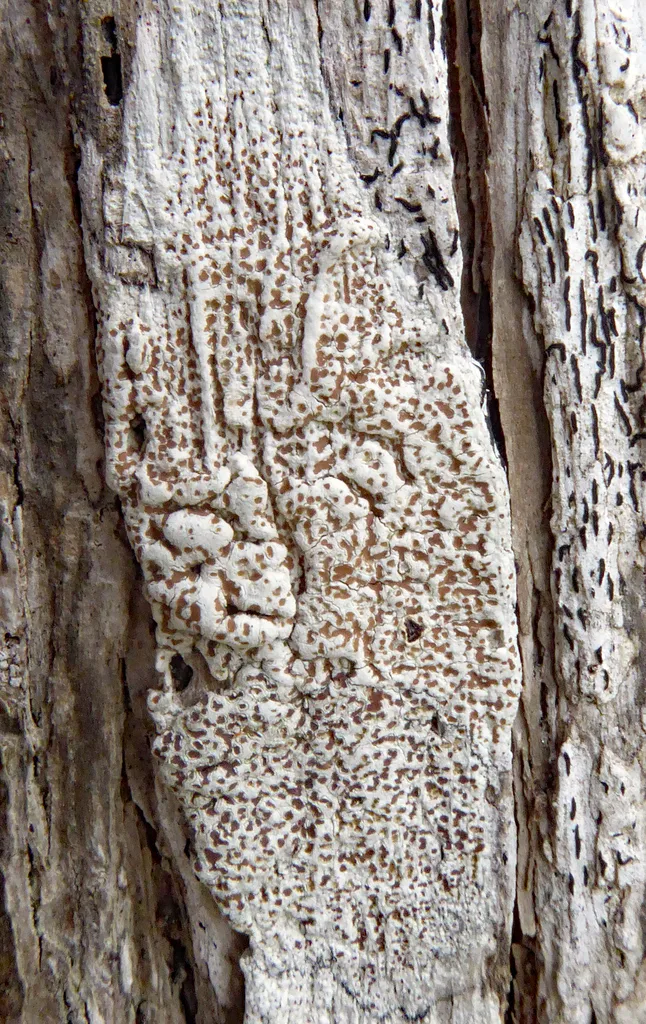
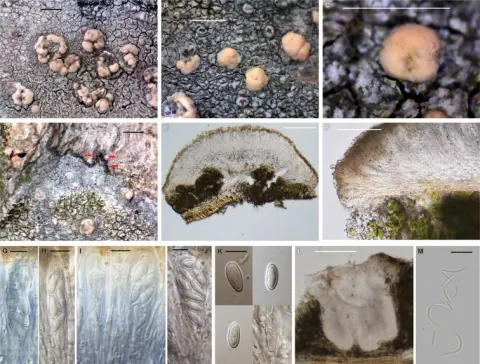
Foto yang diasosiasikan dengan Lecanora kohu pada iNaturalist. Identifikasi mengikuti sumber; bukan penentuan spesimen independen.
Kredit dan penggunaan
no rights reserved, uploaded by Peter de Lange
Ukuran dan format gambar disesuaikan tanpa pemotongan, retus, atau penambahan skala. Lisensi sumber dipertahankan.
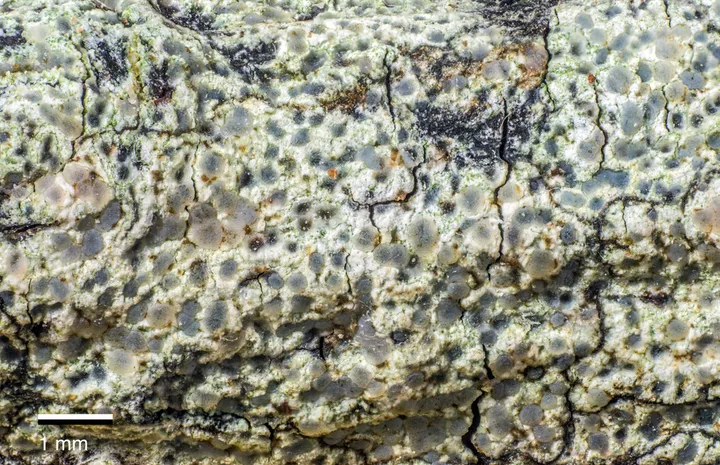
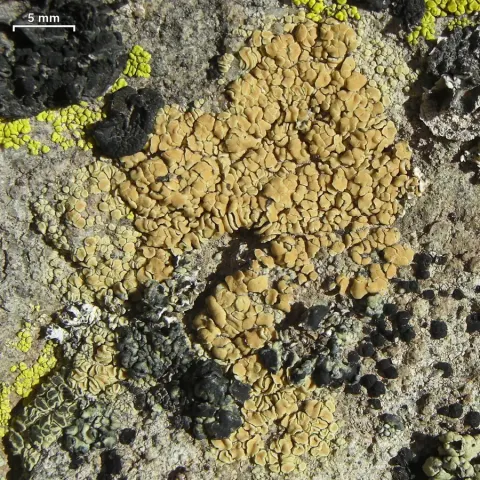
Foto yang diasosiasikan dengan Lecanora kohu pada iNaturalist. Identifikasi mengikuti sumber; bukan penentuan spesimen independen.
Kredit dan penggunaan
no rights reserved, uploaded by Peter de Lange
Ukuran dan format gambar disesuaikan tanpa pemotongan, retus, atau penambahan skala. Lisensi sumber dipertahankan.
Sumber profil
- [1] Lecanora kohu — Wikipedia (en)
- [2] Catalogue of Life Base2026-09-11 — Lecanora kohu
- [3] Dokumentasi visual — Lecanora kohu
- [4] Dokumentasi visual — Lecanora kohu
- [5] Dokumentasi visual — Lecanora kohu
Rujukan halaman ini
Fungi. Lecanora kohu. Rilis data fungi-2026-10-12-expansion-2. https://fungi-atlas.mgadib.chatgpt.site/jamur/lecanora-kohu/.
Status: impor sumber; pemeriksaan editorial per profil belum selesai. Untuk klaim biologis, gunakan rujukan pada bagian terkait dan periksa konteks sumber aslinya.