Ciri dan struktur
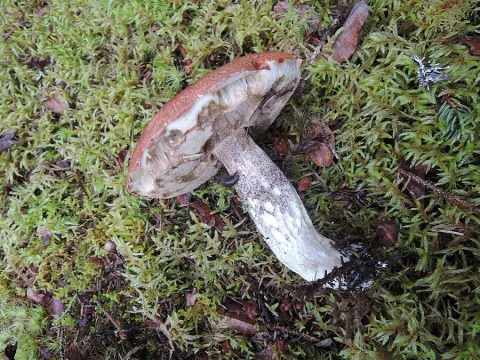
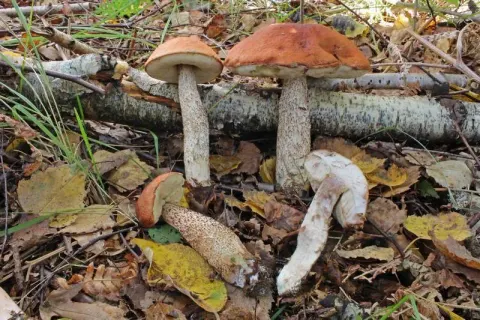
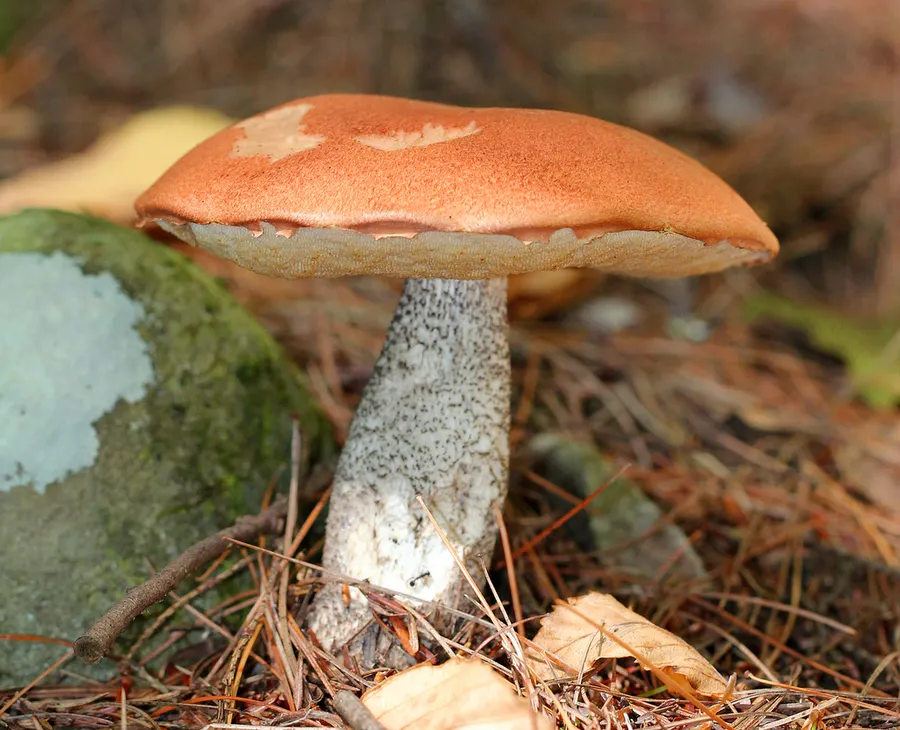
The fruit bodies (basidiocarps) have a cap (pileus) measuring 30–90 mm in diameter. The cap is convex at first, later broadly convex, with a dry surface covered in fine, woolly fibrils that are darkest at the centre. Its colour is a muted fox‑red with a cocoa‑brown tint, maturing to a deeper burnt sienna; bruising may produce a purplish‑sienna hue. On the cap underside, the pore surface beneath is pale cream, with small, round pores that may faintly bruise lilac. The tubes are 3–11 mm long and are adnate (broadly attached) to scarcely free from the stipe. The stipe is 85–135 mm long and 13–22 mm wide (up to 28 mm at the base), stout and stuffed. It is pallid overall, slightly swollen towards the base, and bears fine scales that change from whitish to reddish‑brown and finally to dark brown or chocolate. The stipe base often bruises blue‑green. Flesh throughout is white and may remain unchanging in the cap; when it does stain, changes are very slow—first to a pale pink or wine tint in the stipe apex, then to a blue‑green in the cortex at the base, and ultimately to a patchy steel‑blue. The odour is mild and pleasant, and the taste is gentle and not distinctive. Microscopic features include spindle‑shaped (subfusiform) smooth spores, about 12–16.5 by 3–4 μm (brown in mass), four‑spored basidia 16.5–20 by 8–10 μm, and ventricose to fusiform cystidia measuring 30–35 by 10–13.5 μm (with a 2–3 μm‑wide neck).
Habitat dan peran ekologis
Leccinum vulpinum is mycorrhizal with Scots pine (Pinus sylvestris). It was originally recorded from dry, upland pine woods in Inverness-shire, Scotland. Specimens were found among bilberry (Vaccinium myrtillus) beneath mature pines in the Rothiemurchus area and Cairngorms National Park, with known collections dating from 1957 to 1960. An edible species, it grows in mycorrhizal association with species of pine and bearberry. The fungus is known to have a broader European distribution and has been recorded from several additional countries, including Poland, Portugal, Macedonia, and Montenegro.
- Habitat atau konteks temuan
- Informasi belum tersedia pada sumber rilis ini.
- Substrat
- Informasi belum tersedia pada sumber rilis ini.
- Peran atau konteks
- Mitra tumbuhan
Reproduksi
The fruit bodies (basidiocarps) have a cap (pileus) measuring 30–90 mm in diameter. The cap is convex at first, later broadly convex, with a dry surface covered in fine, woolly fibrils that are darkest at the centre. Its colour is a muted fox‑red with a cocoa‑brown tint, maturing to a deeper burnt sienna; bruising may produce a purplish‑sienna hue. On the cap underside, the pore surface beneath is pale cream, with small, round pores that may faintly bruise lilac. The tubes are 3–11 mm long and are adnate (broadly attached) to scarcely free from the stipe. Microscopic features include spindle‑shaped (subfusiform) smooth spores, about 12–16.5 by 3–4 μm (brown in mass), four‑spored basidia 16.5–20 by 8–10 μm, and ventricose to fusiform cystidia measuring 30–35 by 10–13.5 μm (with a 2–3 μm‑wide neck).
Catatan identitas dan cakupan
- Nama diterima mengikuti Catalogue of Life Base2026-09-11; uraian mempertahankan konsep dan nama sumber aslinya.
- Original geographic, specimen and life-cycle scope retained; source import awaits individual editorial review.
- Impor dan terjemahan otomatis belum diperiksa editorial per profil. Struktur reproduktif yang disebutkan tidak membuktikan seluruh siklus hidup diketahui.
- Pengukuran pada uraian mengikuti spesimen, kultur, dan metode sumber; angka tidak diperluas ke semua populasi.
Catatan distribusi dalam narasi mengikuti sumbernya. Dokumentasi spesimen atau foto mengikuti catatan sumber. Bukti wilayah Indonesia dan penilaian konservasi tidak disimpulkan dari gambar.
Melihat dengan konteks
Dokumentasi Leccinum vulpinum menurut asosiasi foto pada record takson iNaturalist. Kredit: Christine Young. Identitas mengikuti sumber; bukan penentuan spesimen independen.
- Jenis
- Fotografi
- Kredit
- (c) Christine Young, some rights reserved (CC BY), uploaded by Christine Young
- Lisensi
- CC BY 4.0
- Sumber media
- Buka entri sumber
Dokumentasi tambahan
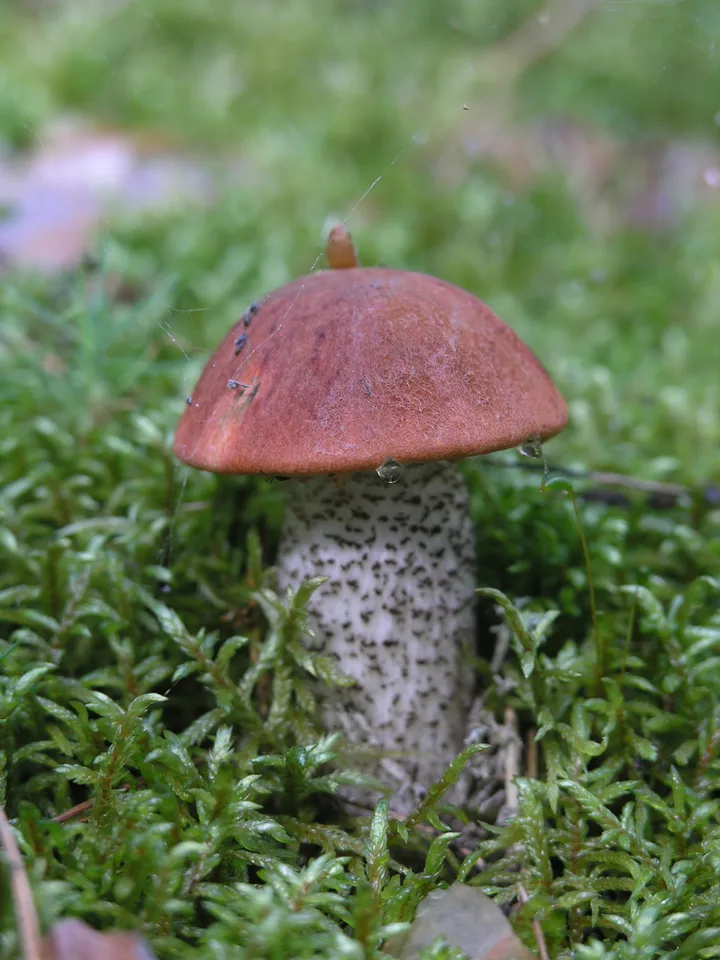
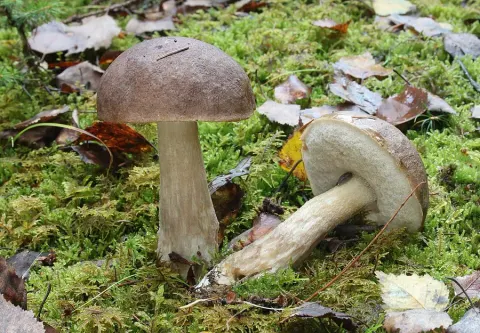
Foto yang diasosiasikan dengan Leccinum vulpinum pada iNaturalist. Identifikasi mengikuti sumber; bukan penentuan spesimen independen.
Kredit dan penggunaan
(c) Oleg Kosterin, some rights reserved (CC BY), uploaded by Oleg Kosterin
Ukuran dan format gambar disesuaikan tanpa pemotongan, retus, atau penambahan skala. Lisensi sumber dipertahankan.
Sumber profil
- [1] Leccinum vulpinum — Wikipedia (en)
- [2] Catalogue of Life Base2026-09-11 — Leccinum vulpinum
- [3] Dokumentasi visual — Leccinum vulpinum
- [4] Dokumentasi visual — Leccinum vulpinum
Rujukan halaman ini
Fungi. Leccinum vulpinum. Rilis data fungi-2026-10-12-expansion-2. https://fungi-atlas.mgadib.chatgpt.site/jamur/leccinum-vulpinum/.
Status: impor sumber; pemeriksaan editorial per profil belum selesai. Untuk klaim biologis, gunakan rujukan pada bagian terkait dan periksa konteks sumber aslinya.