Ciri dan struktur
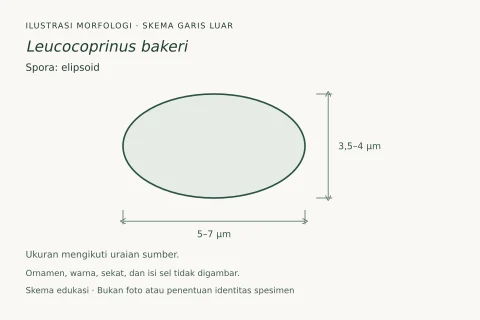
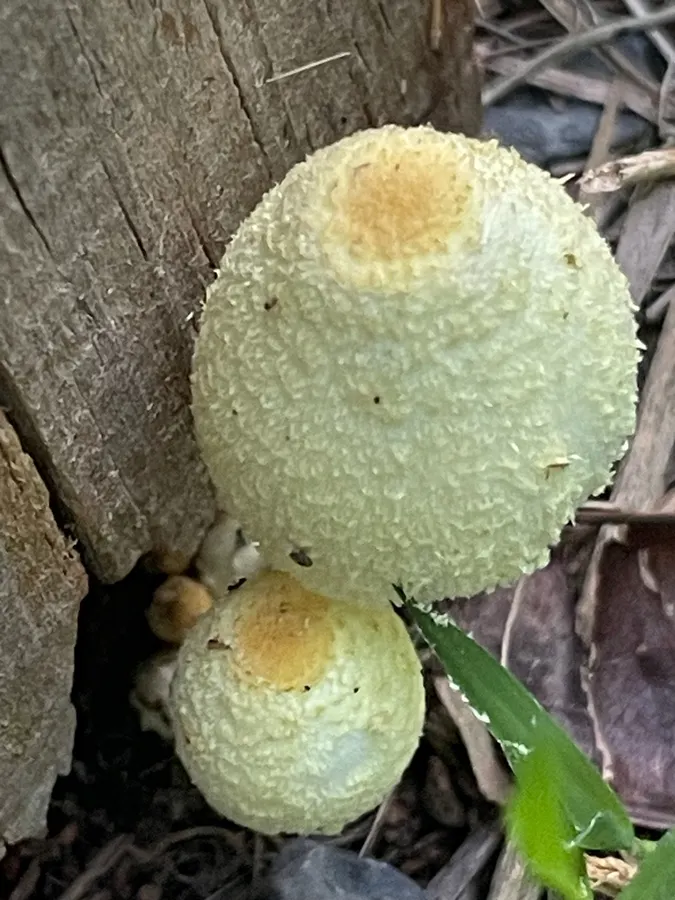
Leucocoprinus tricolor is a small dapperling mushroom with thin pale yellow flesh. Cap: 1.6–6 cm wide. Ovate, campanulate or conical and flattening as it matures often with a distinct umbo but sometimes it is absent. When young, the cap surface is covered in woolly scales (floccose) or scales (squamulose) with the squamules at or around the umbo presenting as greyish brown. The rest of the cap and the squamules coating it are pale yellow. The umbo may present as orange-yellow in immature specimens before turning brown and becoming smooth with age. The cap has distinct grooves or striations towards the cap edges which may present as striate, plicate or sulcate. The cap flesh is very thin and flexible but dry feeling. It is pale yellow and does not discolour with damage. Gills: Crowded and free. Pale yellow and very thin. Stem: 1.5–8 cm long and 2-6mm thick at the top, 6-11mm at the bulbous base. Smooth or sometimes with some fine scales towards the top and woolly tufts below. Lemon yellow at the top and golden yellow at the base. Lower scales have an orange tinge and sometimes discolour greyish-brown with damage or when handling. Stem flesh is also pale yellow. The yellow stem ring is small, membranous, thin and quickly disappears. Spores: Ellipsoid to subglobose with small germ pore. 8-11 x 7.2-9 μm. Taste: Indistinct but texture dry like cotton. Smell: Strong and pungent similar to that of the stinking dapperling, Lepiota cristata which is described as having an unpleasant rubbery or fishy odour. When specimens are dried the umbo or centre of the cap turns greyish brown whilst the rest of the cap remains pale yellow.
Habitat dan peran ekologis
L. tricolor is scarcely recorded and little known. The specimens studied were collected from greenhouses at the University of Michigan Botanical Garden in 1975 as well as in some plant pots either filled with soil or bark in subsequent years. They were growing singly or in clusters. Since botanical gardens host exotic plants from all over the world it is unclear from this study where the species originated from or is native to.
- Habitat atau konteks temuan
- Informasi belum tersedia pada sumber rilis ini.
- Substrat
- Informasi belum tersedia pada sumber rilis ini.
- Peran atau konteks
- Belum dikategorikan pada rilis ini.
Reproduksi
Cap: 1.6–6 cm wide. Ovate, campanulate or conical and flattening as it matures often with a distinct umbo but sometimes it is absent. When young, the cap surface is covered in woolly scales (floccose) or scales (squamulose) with the squamules at or around the umbo presenting as greyish brown. The rest of the cap and the squamules coating it are pale yellow. The umbo may present as orange-yellow in immature specimens before turning brown and becoming smooth with age. The cap has distinct grooves or striations towards the cap edges which may present as striate, plicate or sulcate. The cap flesh is very thin and flexible but dry feeling. It is pale yellow and does not discolour with damage. Gills: Crowded and free.
Catatan identitas dan cakupan
- Nama diterima mengikuti Catalogue of Life Base2026-09-11; uraian mempertahankan konsep dan nama sumber aslinya.
- Original geographic, specimen and life-cycle scope retained; source import awaits individual editorial review.
- Impor dan terjemahan otomatis belum diperiksa editorial per profil. Struktur reproduktif yang disebutkan tidak membuktikan seluruh siklus hidup diketahui.
- Pengukuran pada uraian mengikuti spesimen, kultur, dan metode sumber; angka tidak diperluas ke semua populasi.
Catatan distribusi dalam narasi mengikuti sumbernya. Dokumentasi spesimen atau foto mengikuti catatan sumber. Bukti wilayah Indonesia dan penilaian konservasi tidak disimpulkan dari gambar.
Melihat dengan konteks
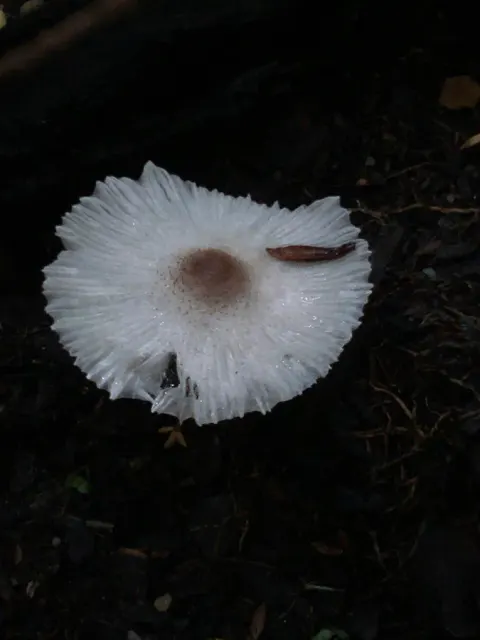
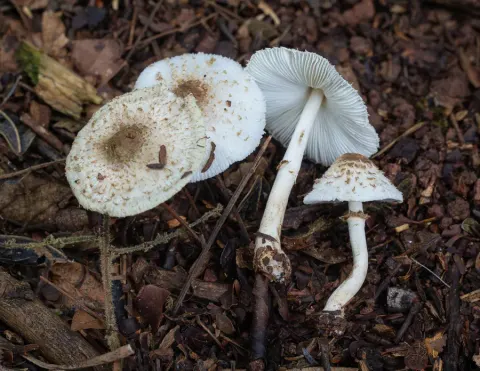
Dokumentasi Leucocoprinus tricolor menurut asosiasi foto pada record takson iNaturalist. Kredit: Adriana Nelly Correa Sandoval. Identitas mengikuti sumber; bukan penentuan spesimen independen.
- Jenis
- Fotografi
- Kredit
- (c) Adriana Nelly Correa Sandoval, some rights reserved (CC BY), uploaded by Adriana Nelly Correa Sandoval
- Lisensi
- CC BY 4.0
- Sumber media
- Buka entri sumber
Sumber profil
- [1] Leucocoprinus tricolor — Wikipedia (en)
- [2] Catalogue of Life Base2026-09-11 — Leucocoprinus tricolor
- [3] Dokumentasi visual — Leucocoprinus tricolor
Rujukan halaman ini
Fungi. Leucocoprinus tricolor. Rilis data fungi-2026-10-12-expansion-2. https://fungi-atlas.mgadib.chatgpt.site/jamur/leucocoprinus-tricolor/.
Status: impor sumber; pemeriksaan editorial per profil belum selesai. Untuk klaim biologis, gunakan rujukan pada bagian terkait dan periksa konteks sumber aslinya.