01 / Morfologi

Ciri dan struktur

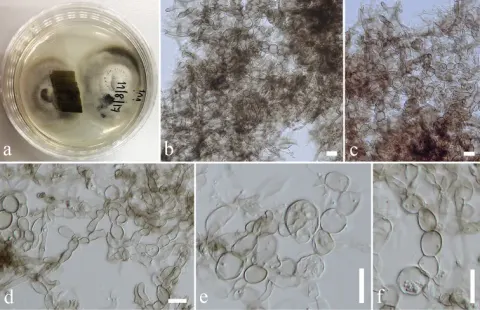
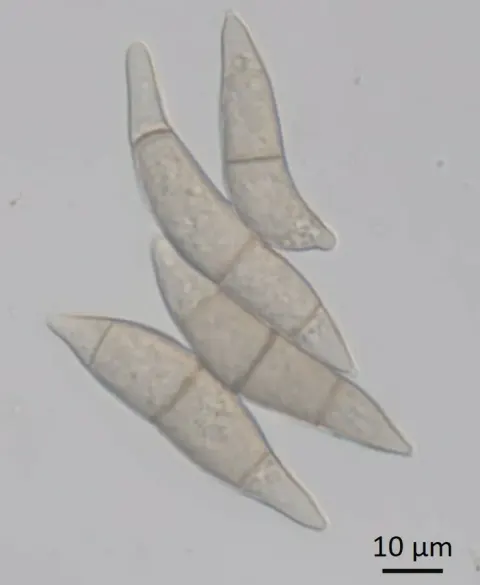
Similar to other ascomycota, the lifecycle of M. rhizophila is split into two parts: the sexual and asexual stages. with slightly longer and wider conidial cells. M. rhizophila is homothallic, so it is self-fertile and can mate with similar mating types within its own mycelia. Magnaporthe rhizophila is considered a necrotrophic parasite because it relies on the nutrients and support of other organisms to thrive. It is a heterotroph since it is unequipped to sequester energy on its own, hence its symbiotic behavior. Magnaporthacaea are family-specific soil-borne parasites of Gramineae; rhizophila specifically colonizes the roots of millet. Spores from M. rhizophila are dispersed by natural manners such as wind, water, and animals. These spores then settle in soil where they grow and mature through asexual life cycles until it is optimal for the hyphae to resume a sexual cycle and a host organism is near. Rhizophila is only root-infecting; however many of its Magnaporthe relatives are both soil and aerial-infecting. The fungus has an appressorium). Lignitubers have been considered a response by host cells after infection as a response to fungal invasion. However, rhizophila kills host cells in 5–6 weeks. M. rhizophila has darkly pigmented hyphae, composing mycelia that has a gray-brown color, darker than species in the rest of its family. It is able to be cultured in vitro and survives on PDA (potato dextrose agar) plates.

Sebagian uraian ditampilkan dalam bahasa sumber; terjemahannya belum tersedia atau belum lolos pemeriksaan.

Rujukan: [1]

Pengukuran mengikuti objek, spesimen atau kultur, dan metode yang disebutkan sumber. Baca uraian asli untuk konteks lengkap.

02 / Kehidupan

Habitat dan peran ekologis

Magnaporthe rhizophila is considered a necrotrophic parasite because it relies on the nutrients and support of other organisms to thrive. It is a heterotroph since it is unequipped to sequester energy on its own, hence its symbiotic behavior. Magnaporthacaea are family-specific soil-borne parasites of Gramineae; rhizophila specifically colonizes the roots of millet. Spores from M. rhizophila are dispersed by natural manners such as wind, water, and animals. These spores then settle in soil where they grow and mature through asexual life cycles until it is optimal for the hyphae to resume a sexual cycle and a host organism is near. Rhizophila is only root-infecting; however many of its Magnaporthe relatives are both soil and aerial-infecting. The fungus has an appressorium). Lignitubers have been considered a response by host cells after infection as a response to fungal invasion. However, rhizophila kills host cells in 5–6 weeks. M. rhizophila has darkly pigmented hyphae, composing mycelia that has a gray-brown color, darker than species in the rest of its family. It is able to be cultured in vitro and survives on PDA (potato dextrose agar) plates. Magnaporthe rhizophila does not necessarily require much water to survive, localizing in drier humid regions of Australia, South Africa, and the Southeastern United States.

Sebagian uraian ditampilkan dalam bahasa sumber; terjemahannya belum tersedia atau belum lolos pemeriksaan.

Rujukan: [1]

Habitat atau konteks temuan
kultur yang didokumentasikan
Substrat
tanah
Peran atau konteks
Belum dikategorikan pada rilis ini.
Temukan hubungan serupa
03 / Siklus hidup

Reproduksi

Similar to other ascomycota, the lifecycle of M. rhizophila is split into two parts: the sexual and asexual stages. with slightly longer and wider conidial cells. M. rhizophila is homothallic, so it is self-fertile and can mate with similar mating types within its own mycelia. Magnaporthe rhizophila is considered a necrotrophic parasite because it relies on the nutrients and support of other organisms to thrive. It is a heterotroph since it is unequipped to sequester energy on its own, hence its symbiotic behavior. Magnaporthacaea are family-specific soil-borne parasites of Gramineae; rhizophila specifically colonizes the roots of millet. Spores from M. rhizophila are dispersed by natural manners such as wind, water, and animals.

Sebagian uraian ditampilkan dalam bahasa sumber; terjemahannya belum tersedia atau belum lolos pemeriksaan.

Rujukan: [1]

Sinonim menurut acuan taksonomi rilis: Magnaporthe rhizophila
04 / Batas informasi

Catatan identitas dan cakupan

  • Nama diterima mengikuti Catalogue of Life Base2026-09-11; uraian mempertahankan konsep dan nama sumber aslinya.
  • Original geographic, specimen and life-cycle scope retained; source import awaits individual editorial review.
  • Impor dan terjemahan otomatis belum diperiksa editorial per profil. Struktur reproduktif yang disebutkan tidak membuktikan seluruh siklus hidup diketahui.
  • Pengukuran pada uraian mengikuti spesimen, kultur, dan metode sumber; angka tidak diperluas ke semua populasi.

Catatan distribusi dalam narasi mengikuti sumbernya. Dokumentasi spesimen atau foto mengikuti catatan sumber. Bukti wilayah Indonesia dan penilaian konservasi tidak disimpulkan dari gambar.

05 / Dokumentasi

Melihat dengan konteks

Dokumentasi visual yang memenuhi pemeriksaan subjek dan hak penggunaan belum tersedia. Foto gejala, label, dan gambar yang meragukan tidak dihitung.

06 / Rujukan

Sumber profil

  1. [1] Magnaporthe rhizophila — Wikipedia (en)Bagian sumber: Frozen revision 1372063152
    Tanggal penghimpunan sumber: 2026-10-12
    Teks sumber: CC BY-SA4.0 · Wikipedia contributors
  2. [2] Catalogue of Life Base2026-09-11 — Magnaporthiopsis rhizophilaBagian sumber: ColDP NameUsage.tsv ID 3XGYJ; accepted species; source 2073
    Tanggal penghimpunan sumber: 2026-10-12

Adaptasi teks: CC BY-SA 4.0. Wikipedia contributors — Magnaporthe rhizophila — Wikipedia (en)

Uraian asli dan riwayat sumber

Riwayat atau halaman sumber

Ringkasan sumber

Similar to other ascomycota, the lifecycle of M. rhizophila is split into two parts: the sexual and asexual stages. with slightly longer and wider conidial cells. M. rhizophila is homothallic, so it is self-fertile and can mate with similar mating types within its own mycelia. Magnaporthe rhizophila is considered a necrotrophic parasite because it relies on the nutrients and support of other organisms to thrive. It is a heterotroph since it is unequipped to sequester energy on its own, hence its symbiotic behavior.

Revisi sumber

Morfologi sumber

Similar to other ascomycota, the lifecycle of M. rhizophila is split into two parts: the sexual and asexual stages. with slightly longer and wider conidial cells. M. rhizophila is homothallic, so it is self-fertile and can mate with similar mating types within its own mycelia. Magnaporthe rhizophila is considered a necrotrophic parasite because it relies on the nutrients and support of other organisms to thrive. It is a heterotroph since it is unequipped to sequester energy on its own, hence its symbiotic behavior. Magnaporthacaea are family-specific soil-borne parasites of Gramineae; rhizophila specifically colonizes the roots of millet. Spores from M. rhizophila are dispersed by natural manners such as wind, water, and animals. These spores then settle in soil where they grow and mature through asexual life cycles until it is optimal for the hyphae to resume a sexual cycle and a host organism is near. Rhizophila is only root-infecting; however many of its Magnaporthe relatives are both soil and aerial-infecting. The fungus has an appressorium). Lignitubers have been considered a response by host cells after infection as a response to fungal invasion. However, rhizophila kills host cells in 5–6 weeks. M. rhizophila has darkly pigmented hyphae, composing mycelia that has a gray-brown color, darker than species in the rest of its family. It is able to be cultured in vitro and survives on PDA (potato dextrose agar) plates.

Revisi sumber

Ekologi sumber

Magnaporthe rhizophila is considered a necrotrophic parasite because it relies on the nutrients and support of other organisms to thrive. It is a heterotroph since it is unequipped to sequester energy on its own, hence its symbiotic behavior. Magnaporthacaea are family-specific soil-borne parasites of Gramineae; rhizophila specifically colonizes the roots of millet. Spores from M. rhizophila are dispersed by natural manners such as wind, water, and animals. These spores then settle in soil where they grow and mature through asexual life cycles until it is optimal for the hyphae to resume a sexual cycle and a host organism is near. Rhizophila is only root-infecting; however many of its Magnaporthe relatives are both soil and aerial-infecting. The fungus has an appressorium). Lignitubers have been considered a response by host cells after infection as a response to fungal invasion. However, rhizophila kills host cells in 5–6 weeks. M. rhizophila has darkly pigmented hyphae, composing mycelia that has a gray-brown color, darker than species in the rest of its family. It is able to be cultured in vitro and survives on PDA (potato dextrose agar) plates. Magnaporthe rhizophila does not necessarily require much water to survive, localizing in drier humid regions of Australia, South Africa, and the Southeastern United States.

Revisi sumber

Struktur reproduksi sumber

Similar to other ascomycota, the lifecycle of M. rhizophila is split into two parts: the sexual and asexual stages. with slightly longer and wider conidial cells. M. rhizophila is homothallic, so it is self-fertile and can mate with similar mating types within its own mycelia. Magnaporthe rhizophila is considered a necrotrophic parasite because it relies on the nutrients and support of other organisms to thrive. It is a heterotroph since it is unequipped to sequester energy on its own, hence its symbiotic behavior. Magnaporthacaea are family-specific soil-borne parasites of Gramineae; rhizophila specifically colonizes the roots of millet. Spores from M. rhizophila are dispersed by natural manners such as wind, water, and animals.

Revisi sumber

Rujukan halaman ini

Fungi. Magnaporthiopsis rhizophila. Rilis data fungi-2026-10-12-expansion-2. https://fungi-atlas.mgadib.chatgpt.site/jamur/magnaporthiopsis-rhizophila/.

Status: impor sumber; pemeriksaan editorial per profil belum selesai. Untuk klaim biologis, gunakan rujukan pada bagian terkait dan periksa konteks sumber aslinya.