01 / Morfologi

Ciri dan struktur

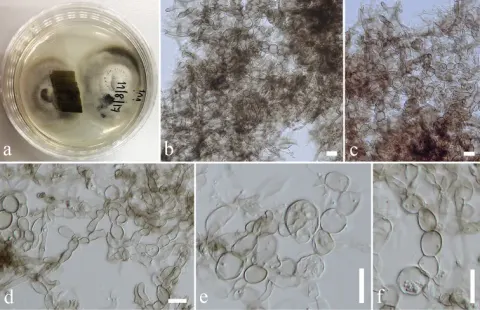
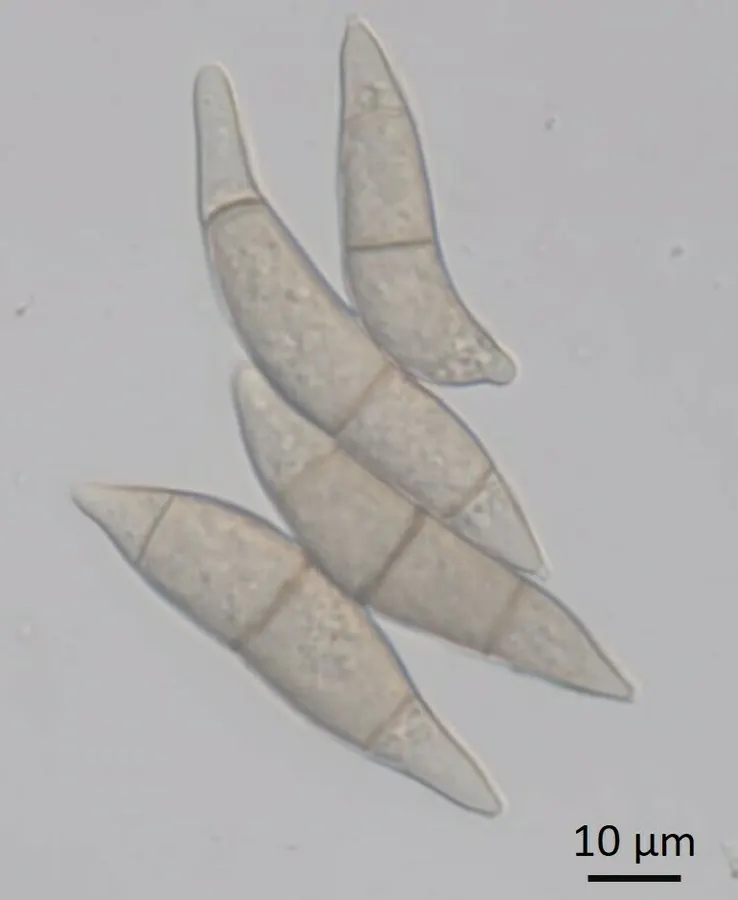
Magnaporthe salvinii is an ascomycete fungus that infects a plant in a polycyclic manner, through conidia that are teardrop-shaped. Once a conidium lands on a leaf, it sticks to the leaf surface and generates a germ tube, appressorium, and penetration peg to bore through the cuticle of the plant. From there, the penetration peg forms a branched feeding structure analogous to haustoria formed in other fungi. As lesions form on the host plant, the pathogen continues to produce conidiophores and conidia that may be dispersed by rain splash to infect more plants. When conditions become unfavorable, the fungus overwinters in sclerotia inside the dead host plant tissue, or within the soil. The sclerotia can be dispersed through soil by rain and water irrigation. Moist, humid conditions, and high nitrogen fertilization are favorable conditions for the sclerotia, which germinate in wet areas of the leaf or sheath. Once the sclerotia germinate, the mycelium infects the plant through wounds or natural openings in the plant. Then the fungus produces conidia and repeats its life cycle. One form of control for this pathogen is tilling the field to reduce the number of sclerotia. Maximum tilling of the field significantly reduces the viability of the sclerotia in the soil compared to minimum and no tillage. Another useful method of eliminating sclerotia in soil is by open field burning; however, overuse of this method in some areas requires additional practical interventions. Other forms of management to reduce the number of sclerotia are swathing and fall incorporation with winter flooding.

Sebagian uraian ditampilkan dalam bahasa sumber; terjemahannya belum tersedia atau belum lolos pemeriksaan.

Rujukan: [1]

Pengukuran mengikuti objek, spesimen atau kultur, dan metode yang disebutkan sumber. Baca uraian asli untuk konteks lengkap.

02 / Kehidupan

Habitat dan peran ekologis

Magnaporthe salvinii (teleomorf), juga dikenal sebagai Sclerotium oryzae (anamorph) dan Nakataea sigmoidae (anamorph), adalah patogen jamur askomycete yang mempengaruhi beberapa spesies beras dan rumput, termasuk: Echinochloa colona, beras hutan Oryza sativa, nasi biasa Zizania aquatica, beras liar tahunan Zizaniopsis miliacea, rumput raksasa berbagai rumput rumput Gejala pertama yang biasanya muncul adalah lesi kecil, hitam, tidak teratur pada lambung daun. Selanjutnya, lesi tumbuh dan menembus lapisan dalam sampai lapisan daun menjadi sebagian atau sepenuhnya busuk. Puncak tanaman kemudian menunjukkan perubahan warna hitam atau coklat dan mulai menyusut. When the tanaman mencapai kematangan, batang pecah karena lemah, batang busuk. Sclerotia may be seen developing within the dead tissue of the rotted stem.

Sebagian uraian ditampilkan dalam bahasa sumber; terjemahannya belum tersedia atau belum lolos pemeriksaan.

Rujukan: [1]

Habitat atau konteks temuan
Informasi belum tersedia pada sumber rilis ini.
Substrat
Informasi belum tersedia pada sumber rilis ini.
Peran atau konteks
Belum dikategorikan pada rilis ini.
Temukan hubungan serupa
03 / Siklus hidup

Reproduksi

Magnaporthe salvinii is an ascomycete fungus that infects a plant in a polycyclic manner, through conidia that are teardrop-shaped. Once a conidium lands on a leaf, it sticks to the leaf surface and generates a germ tube, appressorium, and penetration peg to bore through the cuticle of the plant. From there, the penetration peg forms a branched feeding structure analogous to haustoria formed in other fungi. As lesions form on the host plant, the pathogen continues to produce conidiophores and conidia that may be dispersed by rain splash to infect more plants. When conditions become unfavorable, the fungus overwinters in sclerotia inside the dead host plant tissue, or within the soil. The sclerotia can be dispersed through soil by rain and water irrigation.

Sebagian uraian ditampilkan dalam bahasa sumber; terjemahannya belum tersedia atau belum lolos pemeriksaan.

Rujukan: [1]

Sinonim menurut acuan taksonomi rilis: Helminthosporium sigmoideum; Helminthosporium sigmoideum var. irregulare; Heptameria salvinii; Leptosphaeria salvinii; Magnaporthe salvinii; Nakataea sigmoidea; Nakataea sigmoidea var. zizaniae; Phragmoporthe salvinii; Sclerotium oryzae; Vakrabeeja sigmoidea; Vakrabeeja sigmoidea var. irregularis
04 / Batas informasi

Catatan identitas dan cakupan

  • Nama diterima mengikuti Catalogue of Life Base2026-09-11; uraian mempertahankan konsep dan nama sumber aslinya.
  • Original geographic, specimen and life-cycle scope retained; source import awaits individual editorial review.
  • Impor dan terjemahan otomatis belum diperiksa editorial per profil. Struktur reproduktif yang disebutkan tidak membuktikan seluruh siklus hidup diketahui.
  • Pengukuran pada uraian mengikuti spesimen, kultur, dan metode sumber; angka tidak diperluas ke semua populasi.

Catatan distribusi dalam narasi mengikuti sumbernya. Dokumentasi spesimen atau foto mengikuti catatan sumber. Bukti wilayah Indonesia dan penilaian konservasi tidak disimpulkan dari gambar.

05 / Dokumentasi

Melihat dengan konteks

Dokumentasi Nakataea oryzae menurut asosiasi foto pada record takson iNaturalist. Kredit: Jie-Hao Ou. Identitas mengikuti sumber; bukan penentuan spesimen independen.

Jenis
Fotografi
Kredit
(c) Jie-Hao Ou, some rights reserved (CC BY), uploaded by Jie-Hao Ou
Lisensi
CC BY 4.0
Sumber media
Buka entri sumber

Gambar menunjukkan objek menurut identifikasi sumber, bukan verifikasi independen spesimen oleh Fungi. Tidak ada skala baru yang ditambahkan.

06 / Rujukan

Sumber profil

  1. [1] Magnaporthe salvinii — Wikipedia (en)Bagian sumber: Frozen revision 1331043509
    Tanggal penghimpunan sumber: 2026-10-12
    Teks sumber: CC BY-SA4.0 · Wikipedia contributors
  2. [2] Catalogue of Life Base2026-09-11 — Nakataea oryzaeBagian sumber: ColDP NameUsage.tsv ID 45L4L; accepted species; source 2073
    Tanggal penghimpunan sumber: 2026-10-12
  3. [3] Dokumentasi visual — Nakataea oryzaeBagian sumber: Individual media record; identification follows the source, not independent determination
    Tanggal penghimpunan sumber: 2026-10-12
    Media sumber: CC BY 4.0 · (c) Jie-Hao Ou, some rights reserved (CC BY), uploaded by Jie-Hao Ou

Adaptasi teks: CC BY-SA 4.0. Wikipedia contributors — Magnaporthe salvinii — Wikipedia (en)

Uraian asli dan riwayat sumber

Riwayat atau halaman sumber

Ringkasan sumber

Magnaporthe salvinii is an ascomycete fungus that infects a plant in a polycyclic manner, through conidia that are teardrop-shaped. Once a conidium lands on a leaf, it sticks to the leaf surface and generates a germ tube, appressorium, and penetration peg to bore through the cuticle of the plant. From there, the penetration peg forms a branched feeding structure analogous to haustoria formed in other fungi. As lesions form on the host plant, the pathogen continues to produce conidiophores and conidia that may be dispersed by rain splash to infect more plants.

Revisi sumber

Morfologi sumber

Magnaporthe salvinii is an ascomycete fungus that infects a plant in a polycyclic manner, through conidia that are teardrop-shaped. Once a conidium lands on a leaf, it sticks to the leaf surface and generates a germ tube, appressorium, and penetration peg to bore through the cuticle of the plant. From there, the penetration peg forms a branched feeding structure analogous to haustoria formed in other fungi. As lesions form on the host plant, the pathogen continues to produce conidiophores and conidia that may be dispersed by rain splash to infect more plants. When conditions become unfavorable, the fungus overwinters in sclerotia inside the dead host plant tissue, or within the soil. The sclerotia can be dispersed through soil by rain and water irrigation. Moist, humid conditions, and high nitrogen fertilization are favorable conditions for the sclerotia, which germinate in wet areas of the leaf or sheath. Once the sclerotia germinate, the mycelium infects the plant through wounds or natural openings in the plant. Then the fungus produces conidia and repeats its life cycle. One form of control for this pathogen is tilling the field to reduce the number of sclerotia. Maximum tilling of the field significantly reduces the viability of the sclerotia in the soil compared to minimum and no tillage. Another useful method of eliminating sclerotia in soil is by open field burning; however, overuse of this method in some areas requires additional practical interventions. Other forms of management to reduce the number of sclerotia are swathing and fall incorporation with winter flooding.

Revisi sumber

Ekologi sumber

Magnaporthe salvinii (teleomorph), also known as Sclerotium oryzae (anamorph) and Nakataea sigmoidae (anamorph), is an ascomycete fungal pathogen that affects several rice and grass species, including: Echinochloa colona, jungle rice Oryza sativa, common rice Zizania aquatica, annual wild rice Zizaniopsis miliacea, giant cutgrass various turf grasses The first symptom that typically appears is a small, black, irregular lesion on the leaf sheath. Next, the lesion grows and penetrates the inner sheath until the leaf sheath becomes partially or totally rotted. The culm of the plant then shows black or brown discoloration and begins to shrivel. When the plant reaches maturity, the stem breaks due to the weakened, rotted stem. Sclerotia may be seen developing within the dead tissue of the rotted stem.

Revisi sumber

Struktur reproduksi sumber

Magnaporthe salvinii is an ascomycete fungus that infects a plant in a polycyclic manner, through conidia that are teardrop-shaped. Once a conidium lands on a leaf, it sticks to the leaf surface and generates a germ tube, appressorium, and penetration peg to bore through the cuticle of the plant. From there, the penetration peg forms a branched feeding structure analogous to haustoria formed in other fungi. As lesions form on the host plant, the pathogen continues to produce conidiophores and conidia that may be dispersed by rain splash to infect more plants. When conditions become unfavorable, the fungus overwinters in sclerotia inside the dead host plant tissue, or within the soil. The sclerotia can be dispersed through soil by rain and water irrigation.

Revisi sumber

Rujukan halaman ini

Fungi. Nakataea oryzae. Rilis data fungi-2026-10-12-expansion-2. https://fungi-atlas.mgadib.chatgpt.site/jamur/nakataea-oryzae/.

Status: impor sumber; pemeriksaan editorial per profil belum selesai. Untuk klaim biologis, gunakan rujukan pada bagian terkait dan periksa konteks sumber aslinya.