Ciri dan struktur
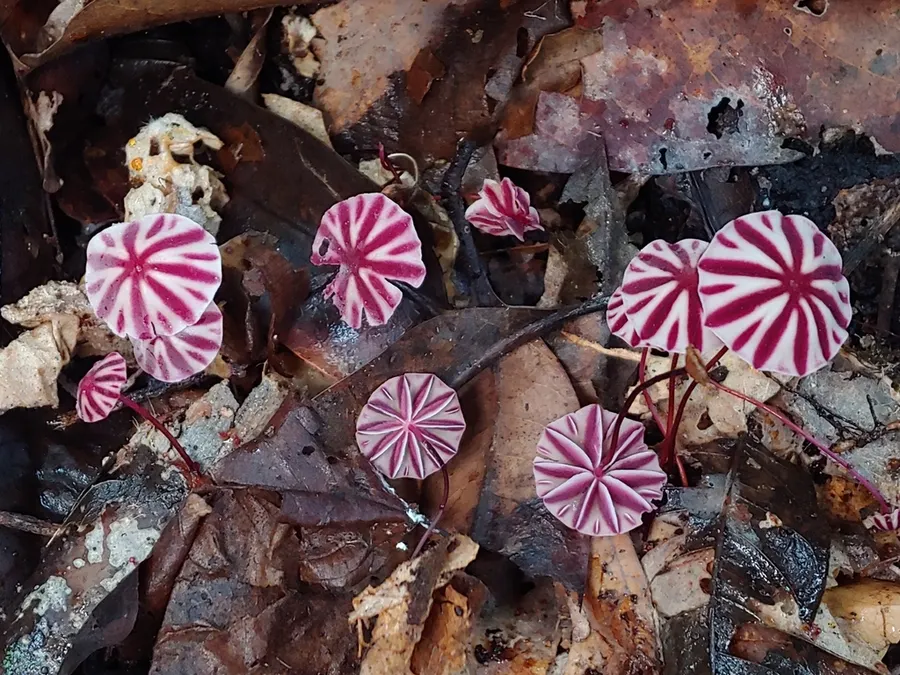
The smooth, convex cap is 10 – 17 mm in diameter. Its surface colouration features alternating radial rays of red and light buff. The gills are distantly spaced, with about 8–10 gills per fruit body. Red on the upper half near the cap and white on the lower half, they are free from attachment to the stipe. There are short gills (lamellulae) interspersed between some, but not all, of the long gills. The smooth stipe measures 3 – 4 cm long by 1 mm wide, and has a beet red to dull brown colour. There is buff-coloured cottony mycelium at the stipe base. Spores of Marasmius tageticolor measure 17–19 by 3.5–4 μm. They are smooth, thin-walled, and inamyloid. The basidia (spore-bearing cells) are club-shaped, four-spored, and hyaline (translucent), with dimensions of 26–30 by 7–8 μm.
Habitat dan peran ekologis
The fungus grows on small twigs and stipules. It has been recorded from Mexico, Central America, and South America.
- Habitat atau konteks temuan
- Informasi belum tersedia pada sumber rilis ini.
- Substrat
- Informasi belum tersedia pada sumber rilis ini.
- Peran atau konteks
- Belum dikategorikan pada rilis ini.
Reproduksi
Spores of Marasmius tageticolor measure 17–19 by 3.5–4 μm. They are smooth, thin-walled, and inamyloid. The basidia (spore-bearing cells) are club-shaped, four-spored, and hyaline (translucent), with dimensions of 26–30 by 7–8 μm.
Catatan identitas dan cakupan
- Nama diterima mengikuti Catalogue of Life Base2026-09-11; uraian mempertahankan konsep dan nama sumber aslinya.
- Original geographic, specimen and life-cycle scope retained; source import awaits individual editorial review.
- Impor dan terjemahan otomatis belum diperiksa editorial per profil. Struktur reproduktif yang disebutkan tidak membuktikan seluruh siklus hidup diketahui.
- Pengukuran pada uraian mengikuti spesimen, kultur, dan metode sumber; angka tidak diperluas ke semua populasi.
Catatan distribusi dalam narasi mengikuti sumbernya. Dokumentasi spesimen atau foto mengikuti catatan sumber. Bukti wilayah Indonesia dan penilaian konservasi tidak disimpulkan dari gambar.
Melihat dengan konteks
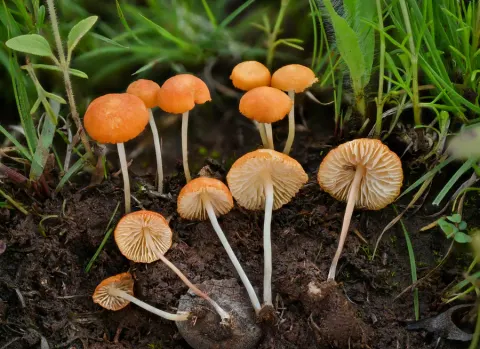
Dokumentasi Marasmius tageticolor menurut asosiasi foto pada record takson iNaturalist. Kredit: Kurt Miller. Identitas mengikuti sumber; bukan penentuan spesimen independen.
- Jenis
- Fotografi
- Kredit
- (c) Kurt Miller, some rights reserved (CC BY-SA), uploaded by Kurt Miller
- Lisensi
- CC BY-SA 4.0
- Sumber media
- Buka entri sumber
Dokumentasi tambahan
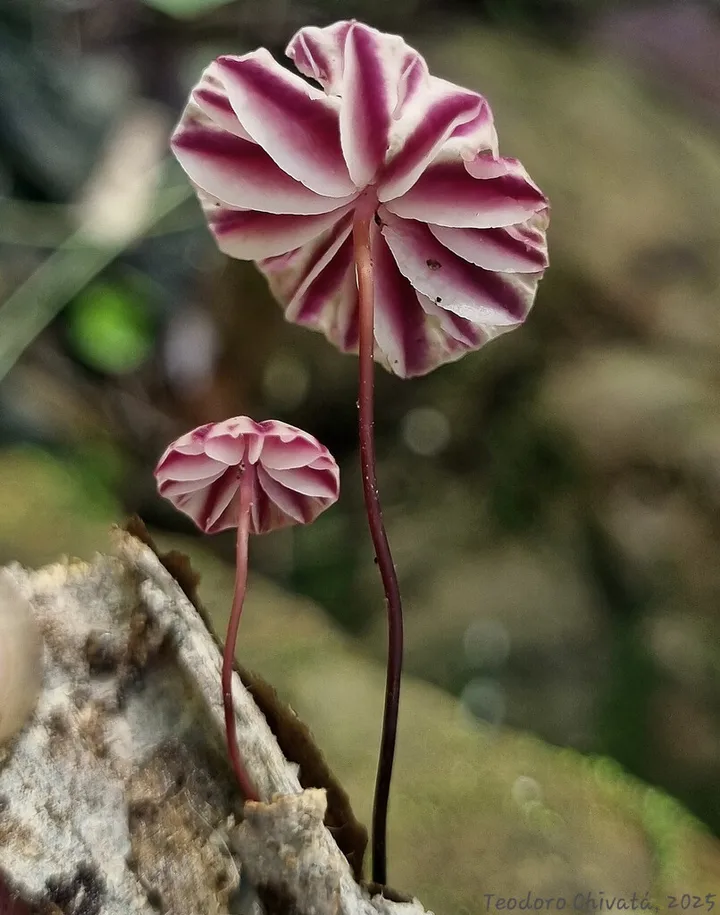
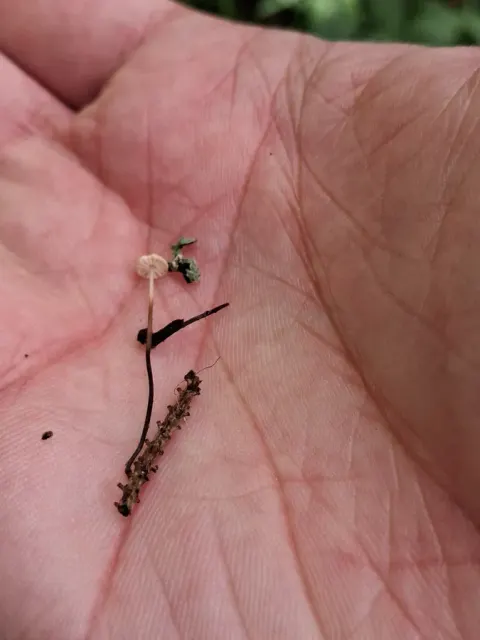
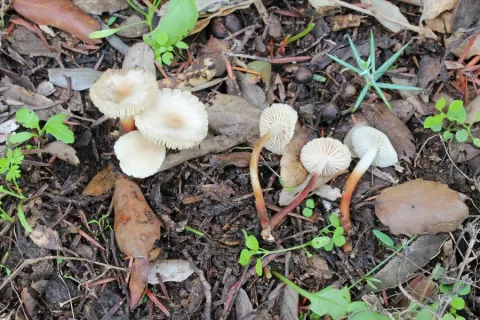
Foto yang diasosiasikan dengan Marasmius tageticolor pada iNaturalist. Identifikasi mengikuti sumber; bukan penentuan spesimen independen.
Kredit dan penggunaan
(c) Teodoro Chivatá Bedoya, some rights reserved (CC BY), uploaded by Teodoro Chivatá Bedoya
Ukuran dan format gambar disesuaikan tanpa pemotongan, retus, atau penambahan skala. Lisensi sumber dipertahankan.
Sumber profil
- [1] Marasmius tageticolor — Wikipedia (en)
- [2] Catalogue of Life Base2026-09-11 — Marasmius tageticolor
- [3] Dokumentasi visual — Marasmius tageticolor
- [4] Dokumentasi visual — Marasmius tageticolor
Rujukan halaman ini
Fungi. Marasmius tageticolor. Rilis data fungi-2026-10-12-expansion-2. https://fungi-atlas.mgadib.chatgpt.site/jamur/marasmius-tageticolor/.
Status: impor sumber; pemeriksaan editorial per profil belum selesai. Untuk klaim biologis, gunakan rujukan pada bagian terkait dan periksa konteks sumber aslinya.