01 / Morfologi

Ciri dan struktur

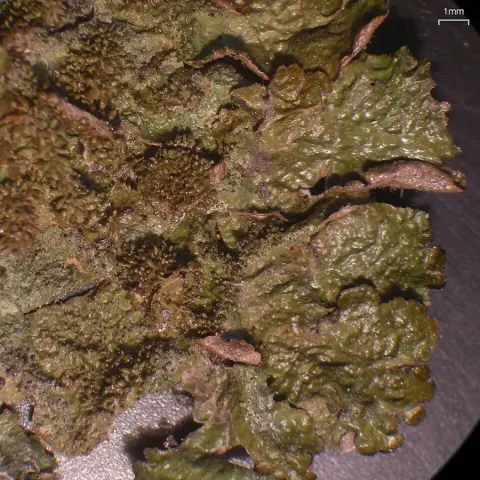
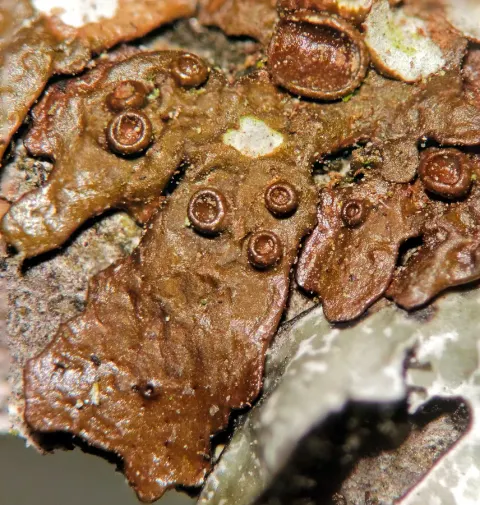
Melanohalea halei is a foliose lichen that typically forms roundish to irregular rosettes about 10 cm across. The lobes are yellowish- to greenish-brown and about 1–4 mm wide; they are often layered toward the center, and the lobe margins commonly develop small lobules. Lobe tips are smooth and somewhat shiny, while the central parts of the thallus are duller and minutely roughened. Vegetative propagules are lacking: the thallus does not form soredia or true isidia, and laminal pseudocyphellae are absent or very sparse. The lower surface is coal-black with a dark brown marginal rim, and it is densely rhizinate; the rhizines are black to brown, typically about 25–30 μm long, and simple or only sparsely branched. In section, the lobes are about 160 μm thick, with an upper 20–25 μm thick, an 40–55 μm, a medulla 80–100 μm, and a lower cortex about 20 μm thick. In the Great Smoky Mountains, it is reported to be the most common brown Melanohalea and can be recognized in the field even though it is variable in form; the lobes remain closely attached to the surface and the thallus stays some shade of brown or olive, without soredia or isidia. Apothecia (fruiting bodies) are common on older thalli but are seldom abundant; they are about 3–5 mm wide, distinctly short-stalked, and strongly concave, with a reddish-brown . The margin is raised and inrolled, , and bears abundant pseudocyphellae. The is about 45–55 μm thick and the hymenium about 60–70 μm. Asci are clavate (about 25–30 × 45–60 μm) and contain eight simple, ovoid ascospores measuring about 9–9.5 × 11–19 μm. Pycnidia are sparse, producing straight, cylindrical conidia about 0.5–1 × 5–7 μm.

Sebagian uraian ditampilkan dalam bahasa sumber; terjemahannya belum tersedia atau belum lolos pemeriksaan.

Rujukan: [1]

Pengukuran mengikuti objek, spesimen atau kultur, dan metode yang disebutkan sumber. Baca uraian asli untuk konteks lengkap.

02 / Kehidupan

Habitat dan peran ekologis

In Ahti's original account, the species was known only from eastern North America, mainly in the Appalachian region and nearby temperate hardwood forests, with records extending from Quebec and New Brunswick south to North Carolina; he reported that it had been collected especially often in the Great Smoky Mountains. In the central and southern Appalachians it is reported from bark and twigs at higher elevations, and in the Smokies it is associated with habitats that also support a more northerly element in the flora. Ahti also mapped a single, disjunct locality on the east shore of Lake Superior (in the hemiboreal zone), but treated the species as essentially part of the "Appalachian element". Based on herbarium labels, he noted that it usually grows on trees—most often on deciduous genera such as ash (Fraxinus), oak (Quercus), maple (Acer), and beech (Fagus), but also occasionally on firs including balsam fir (Abies balsamea) and Fraser fir (A. fraseri)—and that it is often collected in deep shade. A recent collection from the Algoma District of Ontario (near Mamainse Lake, south of Batchewana Bay) provides a modern voucher-based record for the Great Lakes region and reconfirms the species' presence in Ontario after more than 60 years; the specimen was collected in mixed forest on sugar maple (Acer saccharum) and yellow birch (Betula alleghaniensis).

Sebagian uraian ditampilkan dalam bahasa sumber; terjemahannya belum tersedia atau belum lolos pemeriksaan.

Rujukan: [1]

Habitat atau konteks temuan
hutan
Substrat
Informasi belum tersedia pada sumber rilis ini.
Peran atau konteks
Pembentuk liken
Temukan hubungan serupa
03 / Siklus hidup

Reproduksi

Melanohalea halei is a foliose lichen that typically forms roundish to irregular rosettes about 10 cm across. The lobes are yellowish- to greenish-brown and about 1–4 mm wide; they are often layered toward the center, and the lobe margins commonly develop small lobules. Lobe tips are smooth and somewhat shiny, while the central parts of the thallus are duller and minutely roughened. Vegetative propagules are lacking: the thallus does not form soredia or true isidia, and laminal pseudocyphellae are absent or very sparse. The lower surface is coal-black with a dark brown marginal rim, and it is densely rhizinate; the rhizines are black to brown, typically about 25–30 μm long, and simple or only sparsely branched.

Sebagian uraian ditampilkan dalam bahasa sumber; terjemahannya belum tersedia atau belum lolos pemeriksaan.

Rujukan: [1]

Sinonim menurut acuan taksonomi rilis: Melanelia halei; Parmelia halei
04 / Batas informasi

Catatan identitas dan cakupan

  • Nama diterima mengikuti Catalogue of Life Base2026-09-11; uraian mempertahankan konsep dan nama sumber aslinya.
  • Original geographic, specimen and life-cycle scope retained; source import awaits individual editorial review.
  • Impor dan terjemahan otomatis belum diperiksa editorial per profil. Struktur reproduktif yang disebutkan tidak membuktikan seluruh siklus hidup diketahui.
  • Pengukuran pada uraian mengikuti spesimen, kultur, dan metode sumber; angka tidak diperluas ke semua populasi.

Catatan distribusi dalam narasi mengikuti sumbernya. Dokumentasi spesimen atau foto mengikuti catatan sumber. Bukti wilayah Indonesia dan penilaian konservasi tidak disimpulkan dari gambar.

05 / Dokumentasi

Melihat dengan konteks

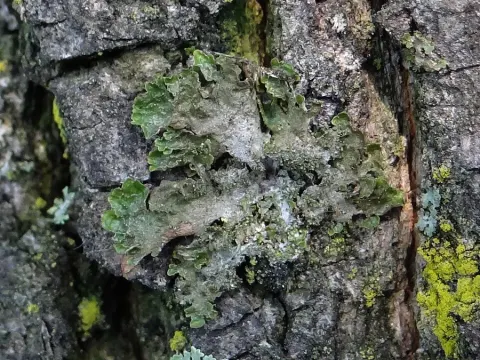
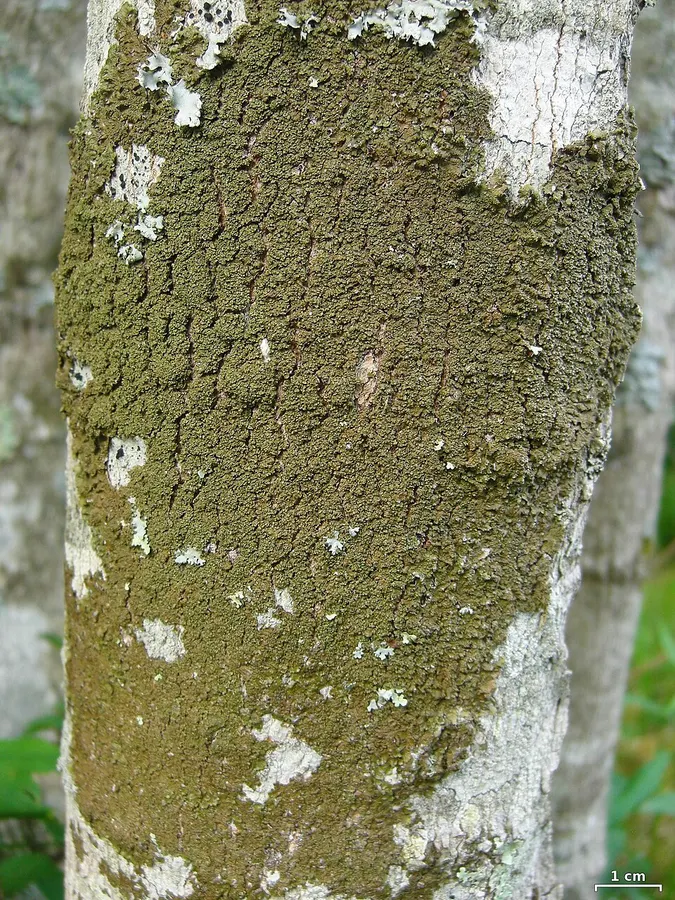
Dokumentasi Melanohalea halei dari Wikimedia Commons. Elk Knob State Park, North Carolina, 20110621 Identifikasi mengikuti record berkas sumber.

Jenis
Fotografi
Kredit
Jason Hollinger
Lisensi
CC BY 2.0
Sumber media
Buka entri sumber

Gambar menunjukkan objek menurut identifikasi sumber, bukan verifikasi independen spesimen oleh Fungi. Tidak ada skala baru yang ditambahkan.

06 / Rujukan

Sumber profil

  1. [1] Melanohalea halei — Wikipedia (en)Bagian sumber: Frozen revision 1374661254
    Tanggal penghimpunan sumber: 2026-10-12
    Teks sumber: CC BY-SA4.0 · Wikipedia contributors
  2. [2] Catalogue of Life Base2026-09-11 — Melanohalea haleiBagian sumber: ColDP NameUsage.tsv ID 3Z8KN; accepted species; source 2073
    Tanggal penghimpunan sumber: 2026-10-12
  3. [3] Dokumentasi visual — Melanohalea haleiBagian sumber: Individual media record; identification follows the source, not independent determination
    Tanggal penghimpunan sumber: 2026-10-12
    Media sumber: CC BY 2.0 · Jason Hollinger

Adaptasi teks: CC BY-SA 4.0. Wikipedia contributors — Melanohalea halei — Wikipedia (en)

Uraian asli dan riwayat sumber

Riwayat atau halaman sumber

Ringkasan sumber

Melanohalea halei is a species of foliose lichen in the family Parmeliaceae. The species was first described in 1966 by the Finnish lichenologist Teuvo Ahti from specimens in eastern North America that had previously been misidentified as Melanohalea olivacea. It is distinguished from similar brown foliose lichens by its yellowish- to greenish-brown colour, a thallus that lies closely against the bark and develops tiny side lobes toward the center, and a medulla that reacts K+ (yellow0 and P+ (red) in standard chemical spot tests.

Revisi sumber

Morfologi sumber

Melanohalea halei is a foliose lichen that typically forms roundish to irregular rosettes about 10 cm across. The lobes are yellowish- to greenish-brown and about 1–4 mm wide; they are often layered toward the center, and the lobe margins commonly develop small lobules. Lobe tips are smooth and somewhat shiny, while the central parts of the thallus are duller and minutely roughened. Vegetative propagules are lacking: the thallus does not form soredia or true isidia, and laminal pseudocyphellae are absent or very sparse. The lower surface is coal-black with a dark brown marginal rim, and it is densely rhizinate; the rhizines are black to brown, typically about 25–30 μm long, and simple or only sparsely branched. In section, the lobes are about 160 μm thick, with an upper 20–25 μm thick, an 40–55 μm, a medulla 80–100 μm, and a lower cortex about 20 μm thick. In the Great Smoky Mountains, it is reported to be the most common brown Melanohalea and can be recognized in the field even though it is variable in form; the lobes remain closely attached to the surface and the thallus stays some shade of brown or olive, without soredia or isidia. Apothecia (fruiting bodies) are common on older thalli but are seldom abundant; they are about 3–5 mm wide, distinctly short-stalked, and strongly concave, with a reddish-brown . The margin is raised and inrolled, , and bears abundant pseudocyphellae. The is about 45–55 μm thick and the hymenium about 60–70 μm. Asci are clavate (about 25–30 × 45–60 μm) and contain eight simple, ovoid ascospores measuring about 9–9.5 × 11–19 μm. Pycnidia are sparse, producing straight, cylindrical conidia about 0.5–1 × 5–7 μm.

Revisi sumber

Ekologi sumber

In Ahti's original account, the species was known only from eastern North America, mainly in the Appalachian region and nearby temperate hardwood forests, with records extending from Quebec and New Brunswick south to North Carolina; he reported that it had been collected especially often in the Great Smoky Mountains. In the central and southern Appalachians it is reported from bark and twigs at higher elevations, and in the Smokies it is associated with habitats that also support a more northerly element in the flora. Ahti also mapped a single, disjunct locality on the east shore of Lake Superior (in the hemiboreal zone), but treated the species as essentially part of the "Appalachian element". Based on herbarium labels, he noted that it usually grows on trees—most often on deciduous genera such as ash (Fraxinus), oak (Quercus), maple (Acer), and beech (Fagus), but also occasionally on firs including balsam fir (Abies balsamea) and Fraser fir (A. fraseri)—and that it is often collected in deep shade. A recent collection from the Algoma District of Ontario (near Mamainse Lake, south of Batchewana Bay) provides a modern voucher-based record for the Great Lakes region and reconfirms the species' presence in Ontario after more than 60 years; the specimen was collected in mixed forest on sugar maple (Acer saccharum) and yellow birch (Betula alleghaniensis).

Revisi sumber

Struktur reproduksi sumber

Melanohalea halei is a foliose lichen that typically forms roundish to irregular rosettes about 10 cm across. The lobes are yellowish- to greenish-brown and about 1–4 mm wide; they are often layered toward the center, and the lobe margins commonly develop small lobules. Lobe tips are smooth and somewhat shiny, while the central parts of the thallus are duller and minutely roughened. Vegetative propagules are lacking: the thallus does not form soredia or true isidia, and laminal pseudocyphellae are absent or very sparse. The lower surface is coal-black with a dark brown marginal rim, and it is densely rhizinate; the rhizines are black to brown, typically about 25–30 μm long, and simple or only sparsely branched.

Revisi sumber

Rujukan halaman ini

Fungi. Melanohalea halei. Rilis data fungi-2026-10-12-expansion-2. https://fungi-atlas.mgadib.chatgpt.site/jamur/melanohalea-halei/.

Status: impor sumber; pemeriksaan editorial per profil belum selesai. Untuk klaim biologis, gunakan rujukan pada bagian terkait dan periksa konteks sumber aslinya.