Ciri dan struktur
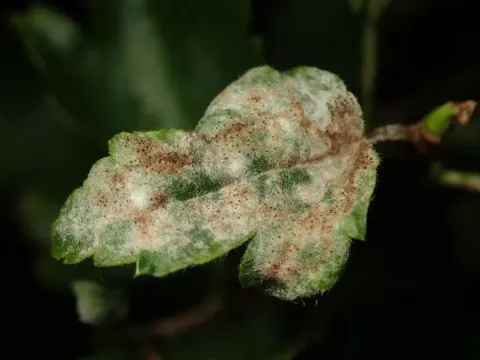
When disease terjadi, gejala awal termasuk bintik-bintik klorot pada daun tanaman hop. Spots may fade to gray or white as the season progresses. Signs include kelompok putih dari hifa, yang sering ada di daun, dan dalam beberapa kasus dapat menginfeksi kerucut itu sendiri. If this infeksi terjadi, lesi cokelat, nekrotik dapat berkembang. When both jenis kawin ada dalam populasi, chleistothecia dapat terbentuk dan terlihat sebagai titik hitam kecil di bagian bawah daun. Agar patogen terjadi, patogen yang layak, inang yang rentan, dan lingkungan yang kondusif harus hadir secara bersamaan. Podosphaera macularis berhivernasi di permukaan tanah dalam puing-puing sebagai struktur kelangsungan hidup jamur (chasmothecia) atau sebagai mycelia dalam tunas tanaman. Selain itu, infeksi optimal diamati ketika suhu berada antara 18 dan 25 °C. Selain itu, askospora bertindak sebagai inoculum utama dan dibuang secara pasif oleh angin. Upon encountering tanaman inang yang rentan, askospora akan menanam dan menyebabkan infeksi. Tiub kuman P. macularis memainkan peran penting dalam menentukan kelayakan patogen, karena dapat menembus inangnya sekitar 15 hours. Tiub kuman mulai bercabang, sehingga bisa menghasilkan tiga tiub kuman yang berpotensi membentuk konidia. Saat patogen menyerang jaringan inang, ia mendirikan haustorium untuk memfasilitasi pengumpulan nutrisi dari sel inang. Following infection, massa spora asexual (konidia) akan diproduksi selama musim. Tumbuhan yang tertanam spora ini yang muncul dari tunas yang terinfeksi disebut sebagai tumbuhan bendera dan akan terhambat dengan daun yang terdistorsi.
Habitat dan peran ekologis
P. macularis dapat ditemukan di sebagian besar wilayah penanaman hop di belahan bumi utara. Powdery mildew adalah salah satu penyakit jamur tertua yang diketahui pada hop yang dibudidayakan, yang berasal dari laporan pada England from tahun 1700an, dan telah tercatat di timur Utara America since setidaknya awal abad ke-19. Hal ini sebagian bertanggung jawab atas penurunan industri hop di New York state. Jamur pertama kali dilaporkan di Pasifik Northwest of Amerika Serikat States in Juni 1997 dan bubuk jamur sekarang epidemi tahunan di wilayah ini, di mana 98% dari hop AS ditanam. , hanya jenis kawin MAT1-1 yang diketahui di Pasifik Northwest suggesting hanya ada satu pengenalan di sana, sedangkan di Europe and timur Utara America both jenis kawin hadir. Hal ini penting karena dalam kasus terakhir jamur dapat berhivernasi sebagai chasmothecia (badan berbuah) pada daun dan kerucut mati; jika hanya ada satu jenis kawin harus berhivernasi sebagai mycelium pada jaringan inang hidup seperti tunas mahkota yang menyebabkan terjangkit tinggi ⁇ flag pucuk ⁇ di musim berikutnya, meskipun ini jarang terjadi (<1% dari tanaman).
- Habitat atau konteks temuan
- Informasi belum tersedia pada sumber rilis ini.
- Substrat
- Informasi belum tersedia pada sumber rilis ini.
- Peran atau konteks
- Belum dikategorikan pada rilis ini.
Reproduksi
Agar patogen terjadi, patogen yang layak, inang yang rentan, dan lingkungan yang kondusif harus hadir secara bersamaan. Podosphaera macularis berhivernasi di permukaan tanah dalam puing-puing sebagai struktur kelangsungan hidup jamur (chasmothecia) atau sebagai mycelia dalam tunas tanaman. Selain itu, infeksi optimal diamati ketika suhu berada antara 18 dan 25 °C. Selain itu, askospora bertindak sebagai inoculum utama dan dibuang secara pasif oleh angin. Upon encountering tanaman inang yang rentan, askospora akan menanam dan menyebabkan infeksi. Tiub kuman P. macularis memainkan peran penting dalam menentukan kelayakan patogen, karena dapat menembus inangnya sekitar 15 hours.
Catatan identitas dan cakupan
- Nama diterima mengikuti Catalogue of Life Base2026-09-11; uraian mempertahankan konsep dan nama sumber aslinya.
- Original geographic, specimen and life-cycle scope retained; source import awaits individual editorial review.
- Impor dan terjemahan otomatis belum diperiksa editorial per profil. Struktur reproduktif yang disebutkan tidak membuktikan seluruh siklus hidup diketahui.
- Pengukuran pada uraian mengikuti spesimen, kultur, dan metode sumber; angka tidak diperluas ke semua populasi.
Catatan distribusi dalam narasi mengikuti sumbernya. Dokumentasi spesimen atau foto mengikuti catatan sumber. Bukti wilayah Indonesia dan penilaian konservasi tidak disimpulkan dari gambar.
Melihat dengan konteks
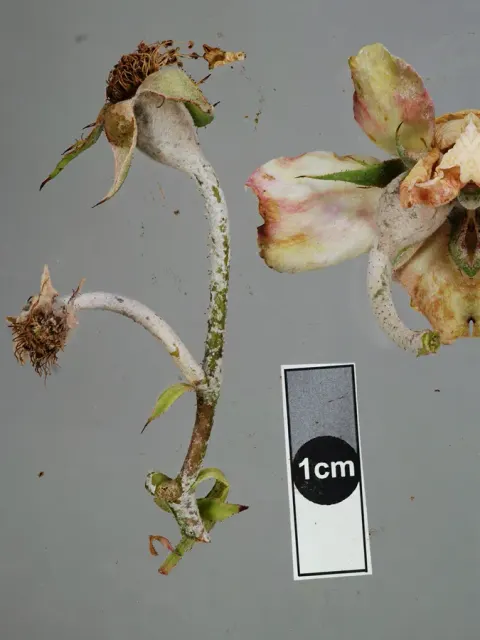
Dokumentasi Podosphaera macularis menurut asosiasi foto pada record takson iNaturalist. Kredit: Alexis Tinker-Tsavalas. Identitas mengikuti sumber; bukan penentuan spesimen independen.
- Jenis
- Fotografi
- Kredit
- (c) Alexis Tinker-Tsavalas, some rights reserved (CC BY), uploaded by Alexis Tinker-Tsavalas
- Lisensi
- CC BY 4.0
- Sumber media
- Buka entri sumber
Dokumentasi tambahan
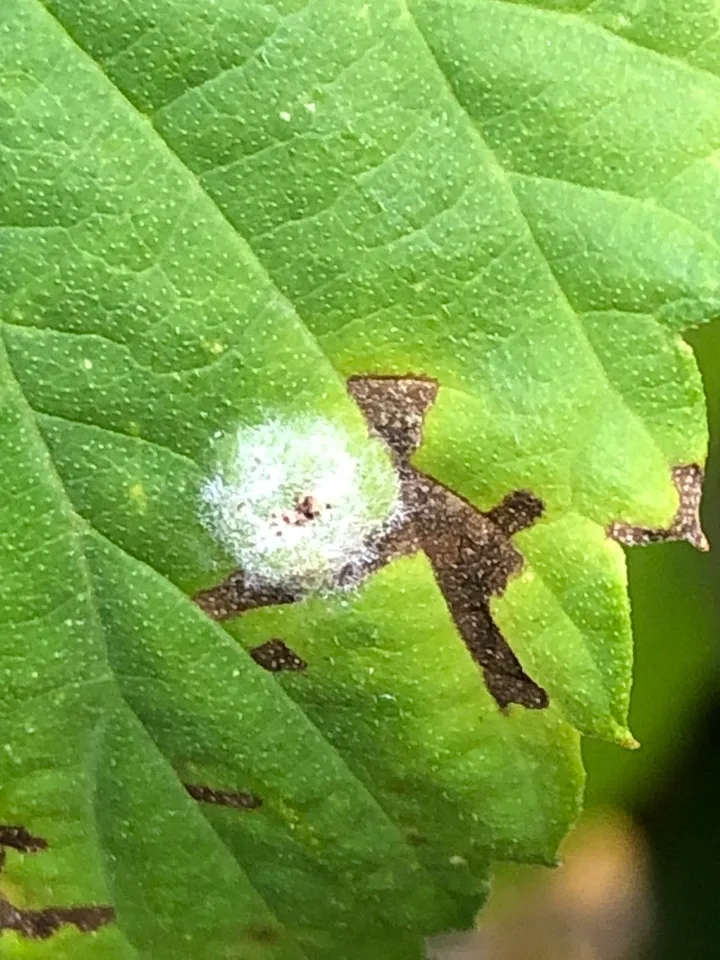
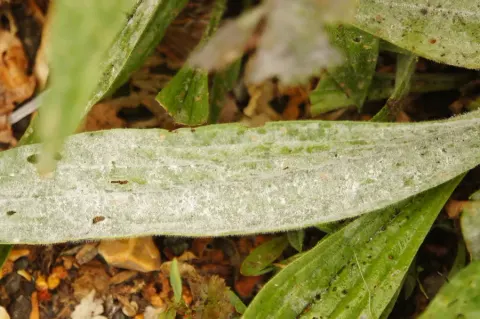
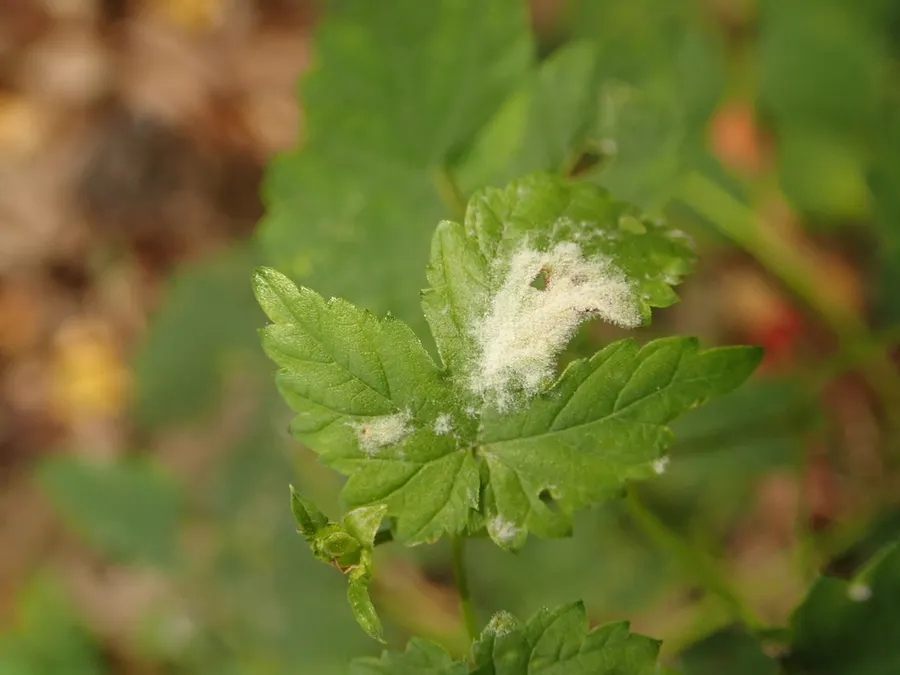
Foto yang diasosiasikan dengan Podosphaera macularis pada iNaturalist. Identifikasi mengikuti sumber; bukan penentuan spesimen independen.
Kredit dan penggunaan
(c) mister_bumble, some rights reserved (CC BY), uploaded by mister_bumble
Ukuran dan format gambar disesuaikan tanpa pemotongan, retus, atau penambahan skala. Lisensi sumber dipertahankan.
Sumber profil
- [1] Podosphaera macularis — Wikipedia (en)
- [2] Catalogue of Life Base2026-09-11 — Podosphaera macularis
- [3] Dokumentasi visual — Podosphaera macularis
- [4] Dokumentasi visual — Podosphaera macularis
Rujukan halaman ini
Fungi. Podosphaera macularis. Rilis data fungi-2026-10-12-expansion-2. https://fungi-atlas.mgadib.chatgpt.site/jamur/podosphaera-macularis/.
Status: impor sumber; pemeriksaan editorial per profil belum selesai. Untuk klaim biologis, gunakan rujukan pada bagian terkait dan periksa konteks sumber aslinya.