Ciri dan struktur
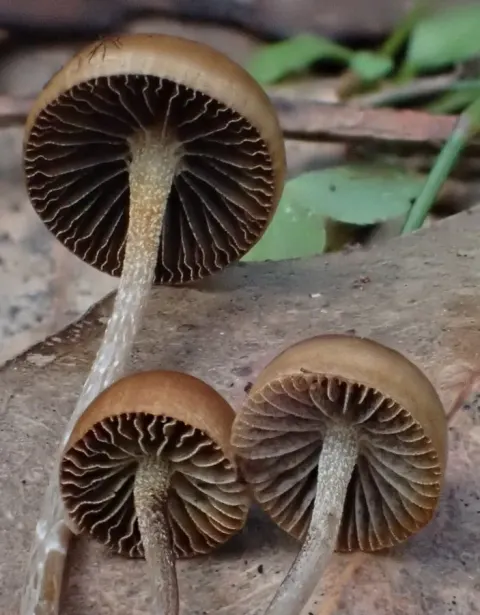
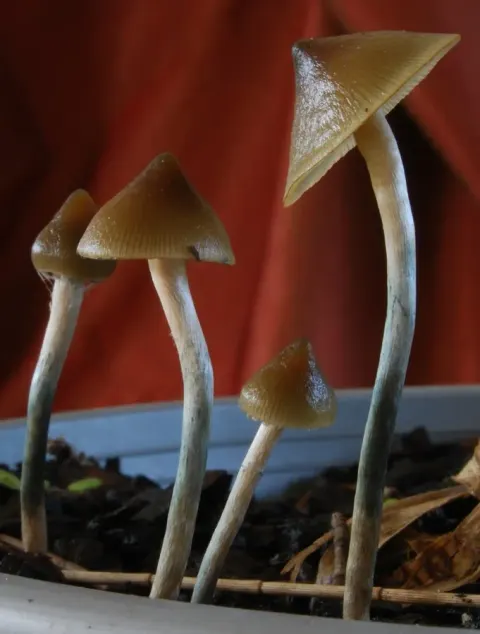
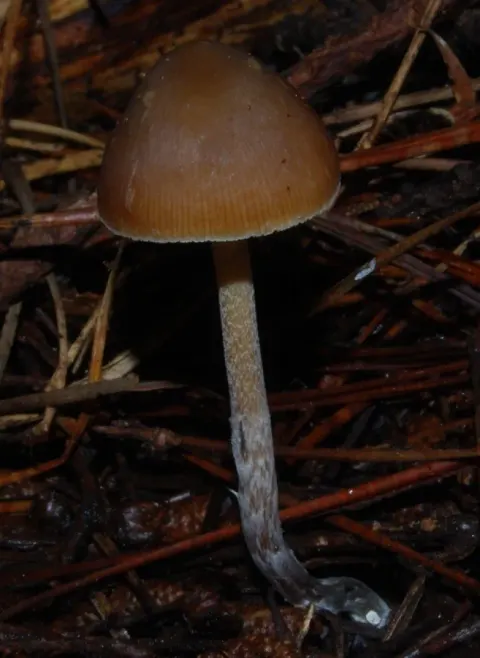
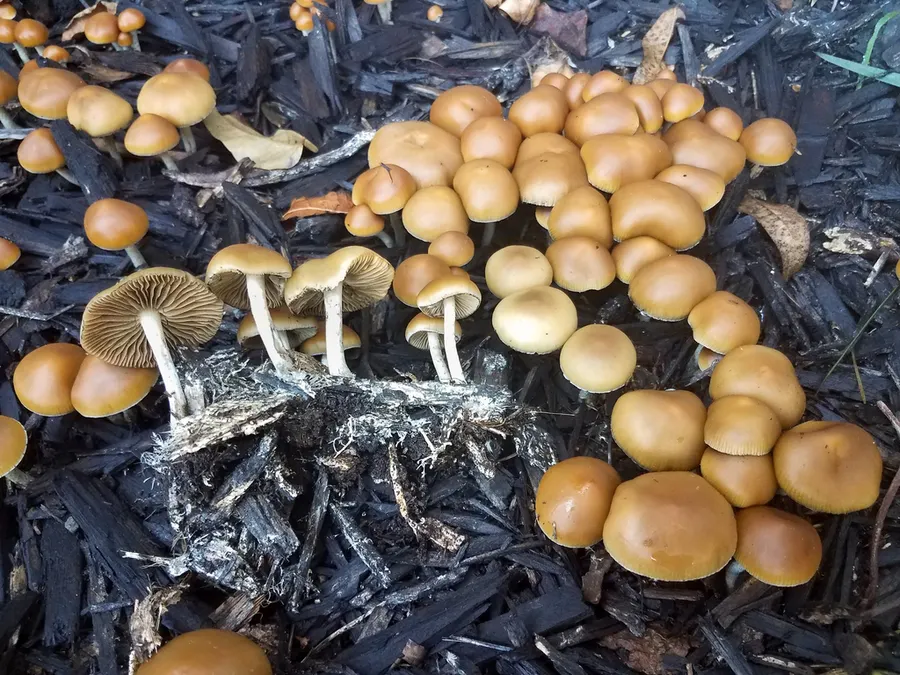
Fruitbodies of P. allenii are variable in size, depending on the substrate in which they grow. The caps are 1.5 - 9 cm in diameter, and range from broadly convex to flattened, sometimes with a slight depression in the center. The cap margin is either straight and slightly curved inward, rarely slightly wavy, and sometimes has radial grooves in moist specimens. The surface is smooth, sticky when moist, with a gelatinous cap cuticle that can be peeled. Wet fruitbodies are so slippery that they are difficult to collect. Caps are hygrophanous, and so will change color depending on how moist they are. They are pale orange brown to caramel brown when moist, but dry to yellowish-buff. Gills have an adnate to sinuate attachment to the stipe, and are initially cream to pale gray brown, but become dark purple as the spores mature. The cylindrical, hollow stipe typically measures 4 - 7 cm long by 0.2 - 0.7 cm thick, with the base slightly thicker. The top of the stipe is pruinose (covered with white powdery granules), while the base is connected to thick white rhizomorphs. The stipe surface is smooth to silky fibrillose (as if made of silky, slender fibers), and its color initially white before yellowing slightly in age. Mycelium at the base of the stipe is white or stained blue. All parts of the fruitbody stain blue if bruised or handled. Young specimens have a white partial veil that later disappears, or remains as a zone on the stipe that can be colored purplish brown by spores. The odor and taste of the mushroom is farinaceous—similar to freshly ground flour. Spore prints are dark brown, sometimes with violet shades.
Habitat dan peran ekologis
Psilocybe allenii is found in the northwestern North America, with a range extending from British Columbia south to Los Angeles, California. It is most common in areas up to 10 miles km from the Pacific coast, although it has been collected 100 miles km inland. Fruitbodies grow scattered, in groups, or (more rarely) in clusters, on woody debris, such as wood chips often used in landscaping. Favored substrates include hardwood mulches made of oak, eucalyptus, Douglas fir, and alder. Fruiting occurs in cold weather, generally from late September to January. The species can be readily cultivated on agar, grain spawn, and cellulosic material, including wood chips and sawdust.
- Habitat atau konteks temuan
- kultur yang didokumentasikan
- Substrat
- Informasi belum tersedia pada sumber rilis ini.
- Peran atau konteks
- Belum dikategorikan pada rilis ini.
Reproduksi
Fruitbodies of P. allenii are variable in size, depending on the substrate in which they grow. The caps are 1.5 - 9 cm in diameter, and range from broadly convex to flattened, sometimes with a slight depression in the center. The cap margin is either straight and slightly curved inward, rarely slightly wavy, and sometimes has radial grooves in moist specimens. The surface is smooth, sticky when moist, with a gelatinous cap cuticle that can be peeled. Wet fruitbodies are so slippery that they are difficult to collect. Caps are hygrophanous, and so will change color depending on how moist they are. They are pale orange brown to caramel brown when moist, but dry to yellowish-buff. Gills have an adnate to sinuate attachment to the stipe, and are initially cream to pale gray brown, but become dark purple as the spores mature.
Catatan identitas dan cakupan
- Nama diterima mengikuti Catalogue of Life Base2026-09-11; uraian mempertahankan konsep dan nama sumber aslinya.
- Original geographic, specimen and life-cycle scope retained; source import awaits individual editorial review.
- Impor dan terjemahan otomatis belum diperiksa editorial per profil. Struktur reproduktif yang disebutkan tidak membuktikan seluruh siklus hidup diketahui.
- Pengukuran pada uraian mengikuti spesimen, kultur, dan metode sumber; angka tidak diperluas ke semua populasi.
Catatan distribusi dalam narasi mengikuti sumbernya. Dokumentasi spesimen atau foto mengikuti catatan sumber. Bukti wilayah Indonesia dan penilaian konservasi tidak disimpulkan dari gambar.
Melihat dengan konteks
Dokumentasi Psilocybe allenii menurut asosiasi foto pada record takson iNaturalist. Kredit: Alan Rockefeller. Identitas mengikuti sumber; bukan penentuan spesimen independen.
- Jenis
- Fotografi
- Kredit
- (c) Alan Rockefeller, some rights reserved (CC BY), uploaded by Alan Rockefeller
- Lisensi
- CC BY 4.0
- Sumber media
- Buka entri sumber
Dokumentasi tambahan
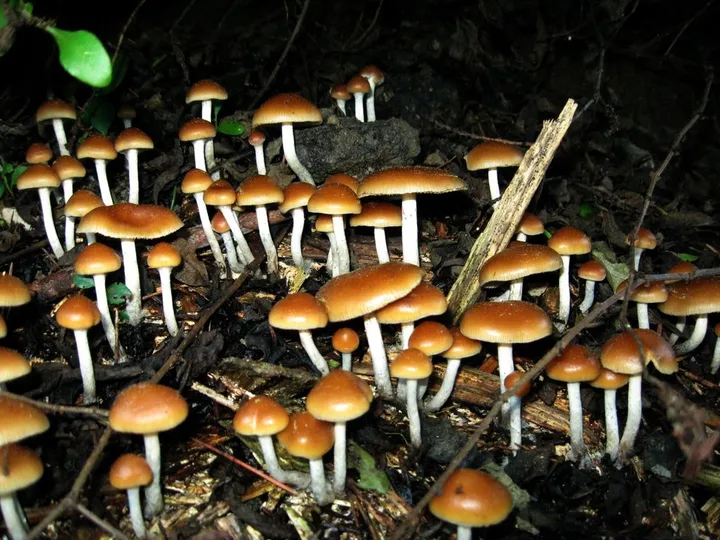
Foto yang diasosiasikan dengan Psilocybe allenii pada iNaturalist. Identifikasi mengikuti sumber; bukan penentuan spesimen independen.
Kredit dan penggunaan
(c) Alan Rockefeller, some rights reserved (CC BY), uploaded by Alan Rockefeller
Ukuran dan format gambar disesuaikan tanpa pemotongan, retus, atau penambahan skala. Lisensi sumber dipertahankan.
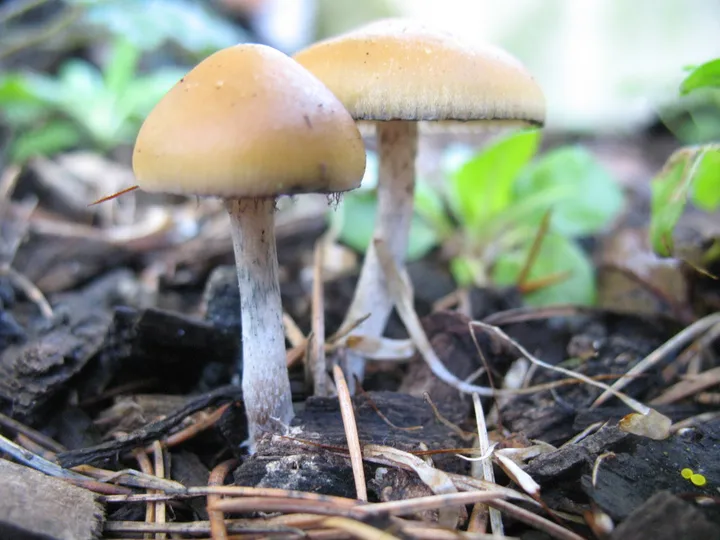
Foto yang diasosiasikan dengan Psilocybe allenii pada iNaturalist. Identifikasi mengikuti sumber; bukan penentuan spesimen independen.
Kredit dan penggunaan
(c) Alan Rockefeller, some rights reserved (CC BY), uploaded by Alan Rockefeller
Ukuran dan format gambar disesuaikan tanpa pemotongan, retus, atau penambahan skala. Lisensi sumber dipertahankan.
Sumber profil
- [1] Psilocybe allenii — Wikipedia (en)
- [2] Catalogue of Life Base2026-09-11 — Psilocybe allenii
- [3] Dokumentasi visual — Psilocybe allenii
- [4] Dokumentasi visual — Psilocybe allenii
- [5] Dokumentasi visual — Psilocybe allenii
Rujukan halaman ini
Fungi. Psilocybe allenii. Rilis data fungi-2026-10-12-expansion-2. https://fungi-atlas.mgadib.chatgpt.site/jamur/psilocybe-allenii/.
Status: impor sumber; pemeriksaan editorial per profil belum selesai. Untuk klaim biologis, gunakan rujukan pada bagian terkait dan periksa konteks sumber aslinya.