Ciri dan struktur
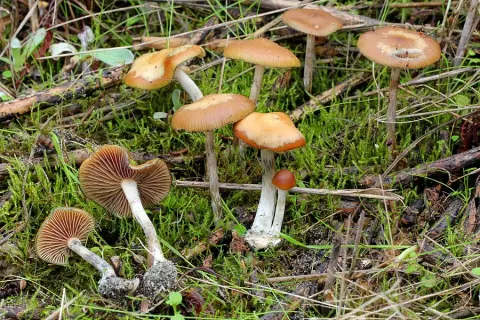
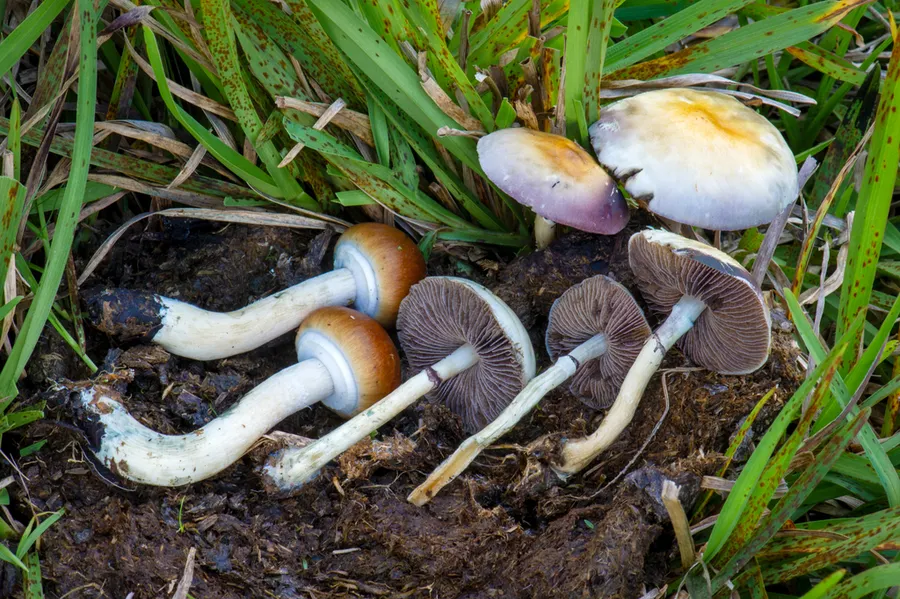
The cap is 1.6-8 cm, conic to convex with a central papilla when young, becoming broadly convex to plane with age, retaining a slight umbo sometimes surrounded by a ring-shaped depression. The cap surface is smooth and sticky, sometimes with white universal veil remnants attached. The cap is brown becoming paler to almost white at the margin and fades to more golden-brown or yellowish with age. When bruised, all parts of the mushroom stain blue. The narrow grey gills are adnate to adnexed, sometimes seceding attachment, and darken to purplish-black and somewhat mottled with age. The gill edges remain whitish. The hollow white stipe is 4-15 cm high by 0.4-1.4 cm thick, becoming yellowish in age. The well-developed veil leaves a persistent white membranous ring whose surface usually becomes the same color as the gills because of falling spores. The fruiting bodies are 90% water. The mushroom has no odor and has been described as tasting farinaceous, with an alkaline or metallic aftertaste. The spores are 11.5–17.3 x 8–11.5 μm, sub-ellipsoid, basidia 4-spored but sometimes 2- or 3-, pleurocystidia and cheilocystidia present.
Habitat dan peran ekologis
Psilocybe cubensis is a pan-tropical species, Vietnam, Cambodia and Malaysia, India, Australia, Fiji, and possibly Nepal and Hawaii. Psilocybe cubensis is found on cow (and occasionally horse) dung, sugar cane mulch or rich pasture soil, with mushrooms appearing from February to December in the northern hemisphere, and November to April in the southern hemisphere. In March 2018, several Psilocybe cubensis specimens were collected in Zimbabwe in the Wedza District of Mashonaland East province, approx. 120 km southeast of Harare. This was the first reported occurrence of a psilocybin mushroom in Zimbabwe. The mushrooms were collected on Imire Rhino & Wildlife Conservation—a nature reserve that is home to both wildlife and cattle, as well as cattle egrets.
- Habitat atau konteks temuan
- padang rumput
- Substrat
- Informasi belum tersedia pada sumber rilis ini.
- Peran atau konteks
- Belum dikategorikan pada rilis ini.
Reproduksi
The cap is 1.6-8 cm, conic to convex with a central papilla when young, becoming broadly convex to plane with age, retaining a slight umbo sometimes surrounded by a ring-shaped depression. The cap surface is smooth and sticky, sometimes with white universal veil remnants attached. The cap is brown becoming paler to almost white at the margin and fades to more golden-brown or yellowish with age. When bruised, all parts of the mushroom stain blue. The narrow grey gills are adnate to adnexed, sometimes seceding attachment, and darken to purplish-black and somewhat mottled with age. The gill edges remain whitish. The hollow white stipe is 4-15 cm high by 0.4-1.4 cm thick, becoming yellowish in age.
Catatan identitas dan cakupan
- Nama diterima mengikuti Catalogue of Life Base2026-09-11; uraian mempertahankan konsep dan nama sumber aslinya.
- Original geographic, specimen and life-cycle scope retained; source import awaits individual editorial review.
- Impor dan terjemahan otomatis belum diperiksa editorial per profil. Struktur reproduktif yang disebutkan tidak membuktikan seluruh siklus hidup diketahui.
- Pengukuran pada uraian mengikuti spesimen, kultur, dan metode sumber; angka tidak diperluas ke semua populasi.
Catatan distribusi dalam narasi mengikuti sumbernya. Dokumentasi spesimen atau foto mengikuti catatan sumber. Bukti wilayah Indonesia dan penilaian konservasi tidak disimpulkan dari gambar.
Melihat dengan konteks
Dokumentasi Psilocybe cubensis menurut asosiasi foto pada record takson iNaturalist. Kredit: Alan Rockefeller. Identitas mengikuti sumber; bukan penentuan spesimen independen.
- Jenis
- Fotografi
- Kredit
- (c) Alan Rockefeller, some rights reserved (CC BY-SA)
- Lisensi
- CC BY-SA 4.0
- Sumber media
- Buka entri sumber
Dokumentasi tambahan
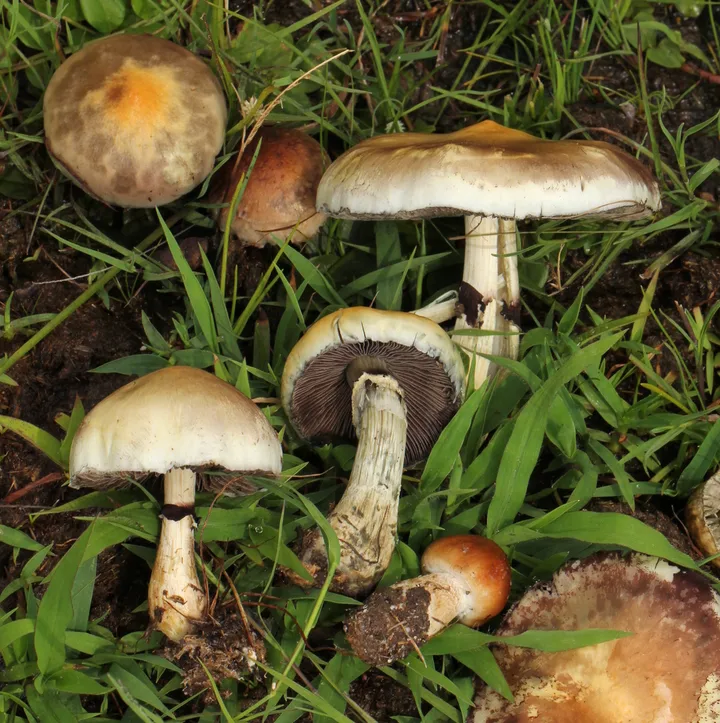
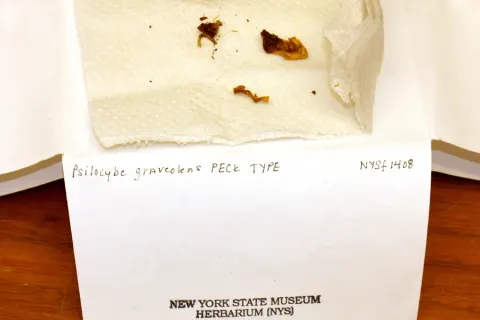
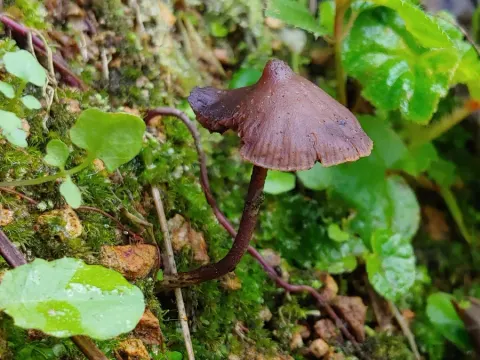
Foto yang diasosiasikan dengan Psilocybe cubensis pada iNaturalist. Identifikasi mengikuti sumber; bukan penentuan spesimen independen.
Kredit dan penggunaan
(c) Alan Rockefeller, some rights reserved (CC BY), uploaded by Alan Rockefeller
Ukuran dan format gambar disesuaikan tanpa pemotongan, retus, atau penambahan skala. Lisensi sumber dipertahankan.
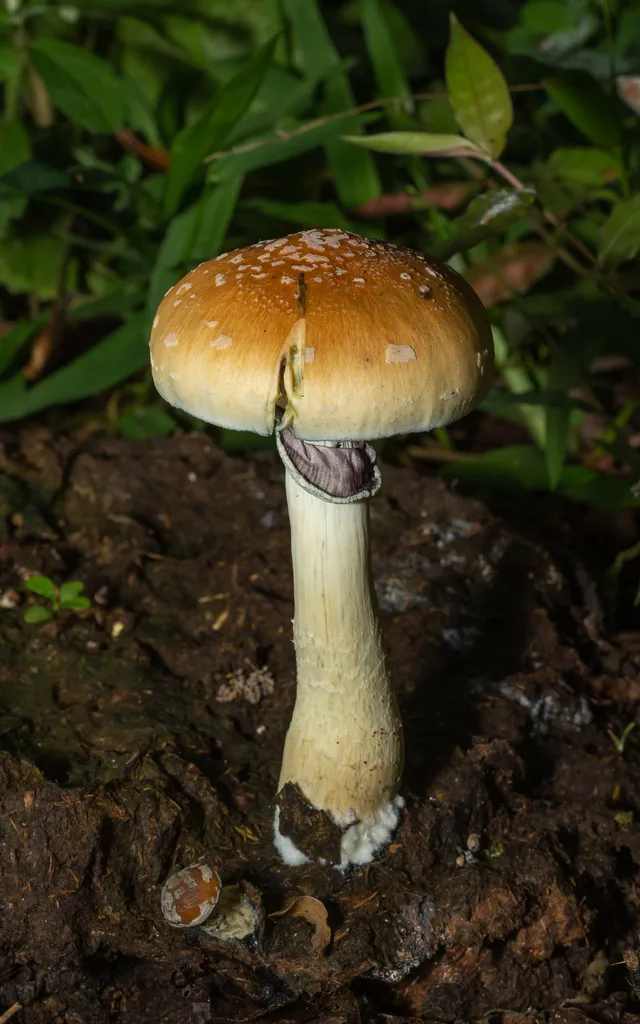
Foto yang diasosiasikan dengan Psilocybe cubensis pada iNaturalist. Identifikasi mengikuti sumber; bukan penentuan spesimen independen.
Kredit dan penggunaan
(c) Denis Zabin, some rights reserved (CC BY), uploaded by Denis Zabin
Ukuran dan format gambar disesuaikan tanpa pemotongan, retus, atau penambahan skala. Lisensi sumber dipertahankan.
Sumber profil
- [1] Psilocybe cubensis — Wikipedia (en)
- [2] Catalogue of Life Base2026-09-11 — Psilocybe cubensis
- [3] Dokumentasi visual — Psilocybe cubensis
- [4] Dokumentasi visual — Psilocybe cubensis
- [5] Dokumentasi visual — Psilocybe cubensis
Rujukan halaman ini
Fungi. Psilocybe cubensis. Rilis data fungi-2026-10-12-expansion-2. https://fungi-atlas.mgadib.chatgpt.site/jamur/psilocybe-cubensis/.
Status: impor sumber; pemeriksaan editorial per profil belum selesai. Untuk klaim biologis, gunakan rujukan pada bagian terkait dan periksa konteks sumber aslinya.