01 / Morfologi

Ciri dan struktur

Purpureocillium lilacinum forms a dense mycelium which gives rise to conidiophores. These bear phialides from the ends of which spores are formed in long chains. Spores germinate when suitable moisture and nutrients are available. Colonies on malt agar grow rather fast, attaining a diameter of 5–7 cm within 14 days at 25 C, consisting of a basal felt with a floccose overgrowth of aerial mycelium; at first white, but when sporulating changing to various shades of vinaceous. The reverse side is sometimes uncolored but usually in vinaceous shades. The vegetative hyphae are smooth-walled, hyaline, and 2.5–4.0 μm wide. Conidiophores arising from submerged hyphae, 400–600 μm in length, or arising from aerial hyphae and half as long. Phialides consisting of a swollen basal part, tapering into a thin distinct neck. Conidia are in divergent chains, ellipsoid to fusiform in shape, and smooth walled to slightly roughened. Chlamydospores are absent.

Sebagian uraian ditampilkan dalam bahasa sumber; terjemahannya belum tersedia atau belum lolos pemeriksaan.

Rujukan: [1]

Pengukuran mengikuti objek, spesimen atau kultur, dan metode yang disebutkan sumber. Baca uraian asli untuk konteks lengkap.

02 / Kehidupan

Habitat dan peran ekologis

Nematoda parasit tanaman menyebabkan kerugian ekonomi yang signifikan bagi berbagai jenis tanaman. Chemical control adalah pilihan yang banyak digunakan untuk pengendalian nematode parasit tanaman. Namun, nematikida kimia sekarang dinilai kembali dalam hal bahaya lingkungan, biaya tinggi, ketersediaan terbatas di banyak negara berkembang atau efektivitasnya yang berkurang setelah aplikasi berulang. Purpureocillium lilacinum pertama kali diamati dalam kombinasi dengan telur nematode dalam uji coba lapangan 1966 Several successful menggunakan P. lilacinum terhadap nematode hama yang dilakukan di Peru. Kemudian Peruvian isolate dikirim ke ahli nematologi di negara-negara 46 untuk diuji, sebagai bagian dari International Meloidogyne project, yang menghasilkan banyak uji lapangan lagi pada berbagai tanaman di berbagai jenis tanah dan iklim. Field trials, uji coba rumah kaca dan uji coba in vitro P. lilacinum terus dilakukan dan lebih banyak isolate telah dikumpulkan dari tanah, nematode dan terkadang dari serangga. Isolates vary dalam patogenitas mereka terhadap nematode parasit tanaman. Some isolates adalah parasit agresif sementara yang lain, meskipun morfologis tidak dapat dibedakan, kurang atau tidak patogen. Sometimes isolates yang tampak menjanjikan in vitro atau dalam uji rumah kaca gagal memberikan kontrol di lapangan.

Rujukan: [1]

Habitat atau konteks temuan
Informasi belum tersedia pada sumber rilis ini.
Substrat
Informasi belum tersedia pada sumber rilis ini.
Peran atau konteks
Belum dikategorikan pada rilis ini.
Temukan hubungan serupa
03 / Siklus hidup

Reproduksi

Purpureocillium lilacinum forms a dense mycelium which gives rise to conidiophores. These bear phialides from the ends of which spores are formed in long chains. Spores germinate when suitable moisture and nutrients are available. Colonies on malt agar grow rather fast, attaining a diameter of 5–7 cm within 14 days at 25 C, consisting of a basal felt with a floccose overgrowth of aerial mycelium; at first white, but when sporulating changing to various shades of vinaceous. The reverse side is sometimes uncolored but usually in vinaceous shades. The vegetative hyphae are smooth-walled, hyaline, and 2.5–4.0 μm wide. Conidiophores arising from submerged hyphae, 400–600 μm in length, or arising from aerial hyphae and half as long.

Sebagian uraian ditampilkan dalam bahasa sumber; terjemahannya belum tersedia atau belum lolos pemeriksaan.

Rujukan: [1]

Sinonim menurut acuan taksonomi rilis: Paecilomyces lilacinus; Paecilomyces nostocoides; Penicillium lilacinum
04 / Batas informasi

Catatan identitas dan cakupan

  • Nama diterima mengikuti Catalogue of Life Base2026-09-11; uraian mempertahankan konsep dan nama sumber aslinya.
  • Original geographic, specimen and life-cycle scope retained; source import awaits individual editorial review.
  • Impor dan terjemahan otomatis belum diperiksa editorial per profil. Struktur reproduktif yang disebutkan tidak membuktikan seluruh siklus hidup diketahui.
  • Pengukuran pada uraian mengikuti spesimen, kultur, dan metode sumber; angka tidak diperluas ke semua populasi.

Catatan distribusi dalam narasi mengikuti sumbernya. Dokumentasi spesimen atau foto mengikuti catatan sumber. Bukti wilayah Indonesia dan penilaian konservasi tidak disimpulkan dari gambar.

05 / Dokumentasi

Melihat dengan konteks

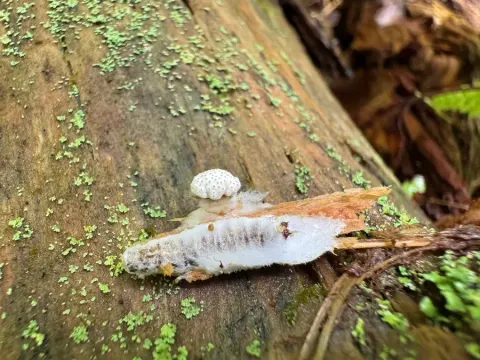
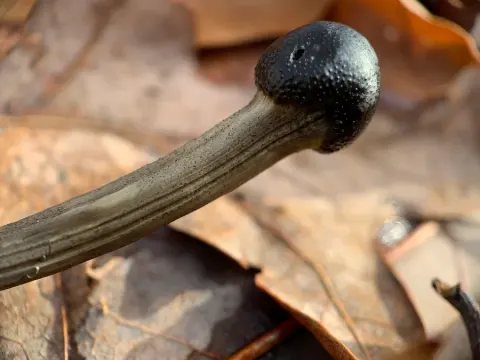
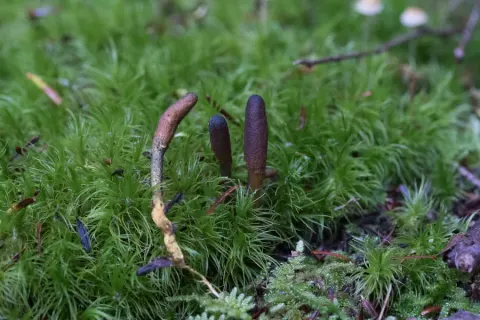
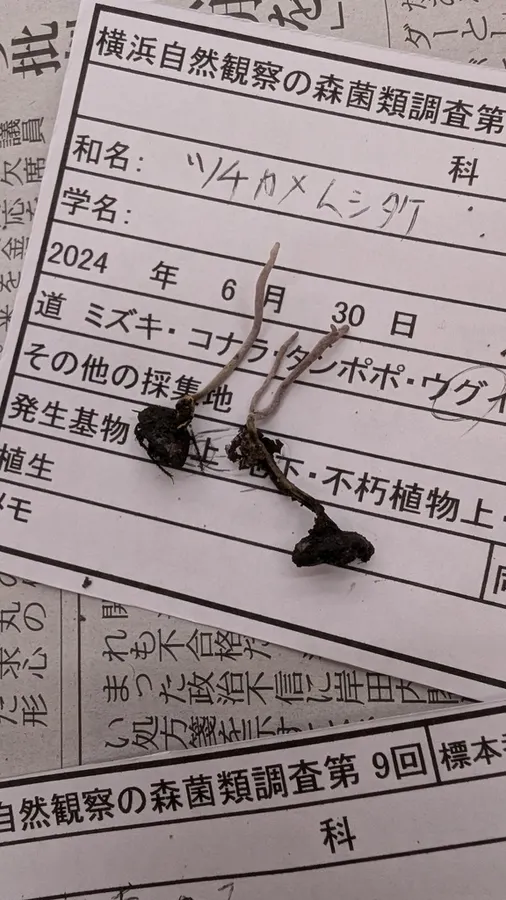
Dokumentasi Purpureocillium lilacinum menurut asosiasi foto pada record takson iNaturalist. Kredit: Atsushi Nakajima. Identitas mengikuti sumber; bukan penentuan spesimen independen.

Jenis
Fotografi
Kredit
(c) Atsushi Nakajima, some rights reserved (CC BY), uploaded by Atsushi Nakajima
Lisensi
CC BY 4.0
Sumber media
Buka entri sumber

Gambar menunjukkan objek menurut identifikasi sumber, bukan verifikasi independen spesimen oleh Fungi. Tidak ada skala baru yang ditambahkan.

06 / Rujukan

Sumber profil

  1. [1] Purpureocillium lilacinum — Wikipedia (en)Bagian sumber: Frozen revision 1364423013
    Tanggal penghimpunan sumber: 2026-10-12
    Teks sumber: CC BY-SA4.0 · Wikipedia contributors
  2. [2] Catalogue of Life Base2026-09-11 — Purpureocillium lilacinumBagian sumber: ColDP NameUsage.tsv ID 4QKGG; accepted species; source 2073
    Tanggal penghimpunan sumber: 2026-10-12
  3. [3] Dokumentasi visual — Purpureocillium lilacinumBagian sumber: Individual media record; identification follows the source, not independent determination
    Tanggal penghimpunan sumber: 2026-10-12
    Media sumber: CC BY 4.0 · (c) Atsushi Nakajima, some rights reserved (CC BY), uploaded by Atsushi Nakajima

Adaptasi teks: CC BY-SA 4.0. Wikipedia contributors — Purpureocillium lilacinum — Wikipedia (en)

Uraian asli dan riwayat sumber

Riwayat atau halaman sumber

Ringkasan sumber

Purpureocillium lilacinum forms a dense mycelium which gives rise to conidiophores. These bear phialides from the ends of which spores are formed in long chains. Spores germinate when suitable moisture and nutrients are available. Colonies on malt agar grow rather fast, attaining a diameter of 5–7 cm within 14 days at 25 C, consisting of a basal felt with a floccose overgrowth of aerial mycelium; at first white, but when sporulating changing to various shades of vinaceous. The reverse side is sometimes uncolored but usually in vinaceous shades.

Revisi sumber

Morfologi sumber

Purpureocillium lilacinum forms a dense mycelium which gives rise to conidiophores. These bear phialides from the ends of which spores are formed in long chains. Spores germinate when suitable moisture and nutrients are available. Colonies on malt agar grow rather fast, attaining a diameter of 5–7 cm within 14 days at 25 C, consisting of a basal felt with a floccose overgrowth of aerial mycelium; at first white, but when sporulating changing to various shades of vinaceous. The reverse side is sometimes uncolored but usually in vinaceous shades. The vegetative hyphae are smooth-walled, hyaline, and 2.5–4.0 μm wide. Conidiophores arising from submerged hyphae, 400–600 μm in length, or arising from aerial hyphae and half as long. Phialides consisting of a swollen basal part, tapering into a thin distinct neck. Conidia are in divergent chains, ellipsoid to fusiform in shape, and smooth walled to slightly roughened. Chlamydospores are absent.

Revisi sumber

Ekologi sumber

Plant-parasitic nematodes cause significant economic losses to a wide variety of crops. Chemical control is a widely used option for plant-parasitic nematode management. However, chemical nematicides are now being reappraised in respect of environmental hazard, high costs, limited availability in many developing countries or their diminished effectiveness following repeated applications. Purpureocillium lilacinum was first observed in association with nematode eggs in 1966 Several successful field trials using P. lilacinum against pest nematodes were conducted in Peru. The Peruvian isolate was then sent to nematologists in 46 countries for testing, as part of the International Meloidogyne project, resulting in many more field trials on a range of crops in many soil types and climates. Field trials, glasshouse trials and in vitro testing of P. lilacinum continues and more isolates have been collected from soil, nematodes and occasionally from insects. Isolates vary in their pathogenicity to plant-parasitic nematodes. Some isolates are aggressive parasites while others, though morphologically indistinguishable, are less or non-pathogenic. Sometimes isolates that looked promising in vitro or in glasshouse trials have failed to provide control in the field.

Revisi sumber

Struktur reproduksi sumber

Purpureocillium lilacinum forms a dense mycelium which gives rise to conidiophores. These bear phialides from the ends of which spores are formed in long chains. Spores germinate when suitable moisture and nutrients are available. Colonies on malt agar grow rather fast, attaining a diameter of 5–7 cm within 14 days at 25 C, consisting of a basal felt with a floccose overgrowth of aerial mycelium; at first white, but when sporulating changing to various shades of vinaceous. The reverse side is sometimes uncolored but usually in vinaceous shades. The vegetative hyphae are smooth-walled, hyaline, and 2.5–4.0 μm wide. Conidiophores arising from submerged hyphae, 400–600 μm in length, or arising from aerial hyphae and half as long.

Revisi sumber

Rujukan halaman ini

Fungi. Purpureocillium lilacinum. Rilis data fungi-2026-10-12-expansion-2. https://fungi-atlas.mgadib.chatgpt.site/jamur/purpureocillium-lilacinum/.

Status: impor sumber; pemeriksaan editorial per profil belum selesai. Untuk klaim biologis, gunakan rujukan pada bagian terkait dan periksa konteks sumber aslinya.