01 / Morfologi

Ciri dan struktur

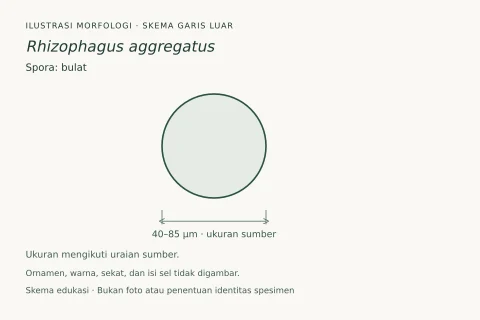
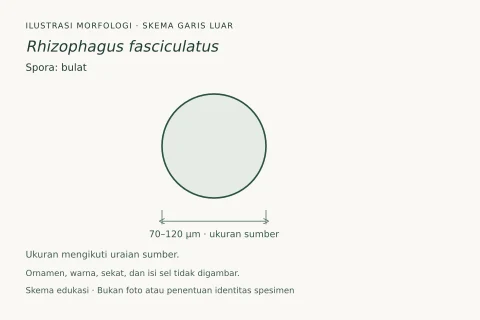
Rhizophagus irregularis colonization peaks earlier than many of the other fungi in Rhizophagus. There tends to be extensive hyphal networking and intense intraradical spores associated with older roots of host plants. At times the spores are densely clustered or patchily distributed, depending on the host species. When the spores are heavily clustered, mycorrhizologists and others will tend to mistake R. irregularis for G. fasciculatum. Rhizophagus irregularis (previously known as Glomus intraradices) has been found to colonise new plants by means of spores, hyphae or fragments of roots colonized by the fungus In numerous scientific studies R. irregularis has been shown to increase phosphorus uptake in multiple plants as well as improve soil aggregation due to hyphae. In a 2005 study, R. irregularis was found to be the only arbuscular mycorrhizal fungi that was able to control nutrient uptake amounts by individual hyphae depending on differing phosphorus levels in the surrounding soil.

Sebagian uraian ditampilkan dalam bahasa sumber; terjemahannya belum tersedia atau belum lolos pemeriksaan.

Rujukan: [1]

Pengukuran mengikuti objek, spesimen atau kultur, dan metode yang disebutkan sumber. Baca uraian asli untuk konteks lengkap.

02 / Kehidupan

Habitat dan peran ekologis

Rhizophagus irregularis can be found in almost all soils, especially those populated with common host plants and in forests and grasslands. This is a brief list of some common host plants. Most agricultural crops will benefit from Rhizophagus irregularis inoculation. Generally host plants must be vascular plants, but not always. Onion — Allium cepa L. Soapbush Wattle — Acacia holosericea Flax — Linum usitatissimum L. Cowpea — Vigna unguiculata Tomato Plant — Lycopersicon esculentum Albaida — Anthyllis cytisoides

Sebagian uraian ditampilkan dalam bahasa sumber; terjemahannya belum tersedia atau belum lolos pemeriksaan.

Rujukan: [1]

Habitat atau konteks temuan
hutan
Substrat
Informasi belum tersedia pada sumber rilis ini.
Peran atau konteks
Belum dikategorikan pada rilis ini.
Temukan hubungan serupa
03 / Siklus hidup

Reproduksi

Rhizophagus irregularis colonization peaks earlier than many of the other fungi in Rhizophagus. There tends to be extensive hyphal networking and intense intraradical spores associated with older roots of host plants. At times the spores are densely clustered or patchily distributed, depending on the host species. When the spores are heavily clustered, mycorrhizologists and others will tend to mistake R. irregularis for G. fasciculatum. Rhizophagus irregularis (previously known as Glomus intraradices) has been found to colonise new plants by means of spores, hyphae or fragments of roots colonized by the fungus Arbuscular mycorrhiza (AM) fungi were thought to have propagated clonally for over 500 million years because of their lack of visible sexual structures and thus were considered to be an ancient asexual lineage.

Sebagian uraian ditampilkan dalam bahasa sumber; terjemahannya belum tersedia atau belum lolos pemeriksaan.

Rujukan: [1]

Sinonim menurut acuan taksonomi rilis: Glomus irregulare; Rhizoglomus irregulare
04 / Batas informasi

Catatan identitas dan cakupan

  • Nama diterima mengikuti Catalogue of Life Base2026-09-11; uraian mempertahankan konsep dan nama sumber aslinya.
  • Original geographic, specimen and life-cycle scope retained; source import awaits individual editorial review.
  • Impor dan terjemahan otomatis belum diperiksa editorial per profil. Struktur reproduktif yang disebutkan tidak membuktikan seluruh siklus hidup diketahui.
  • Pengukuran pada uraian mengikuti spesimen, kultur, dan metode sumber; angka tidak diperluas ke semua populasi.

Catatan distribusi dalam narasi mengikuti sumbernya. Dokumentasi spesimen atau foto mengikuti catatan sumber. Bukti wilayah Indonesia dan penilaian konservasi tidak disimpulkan dari gambar.

05 / Dokumentasi

Melihat dengan konteks

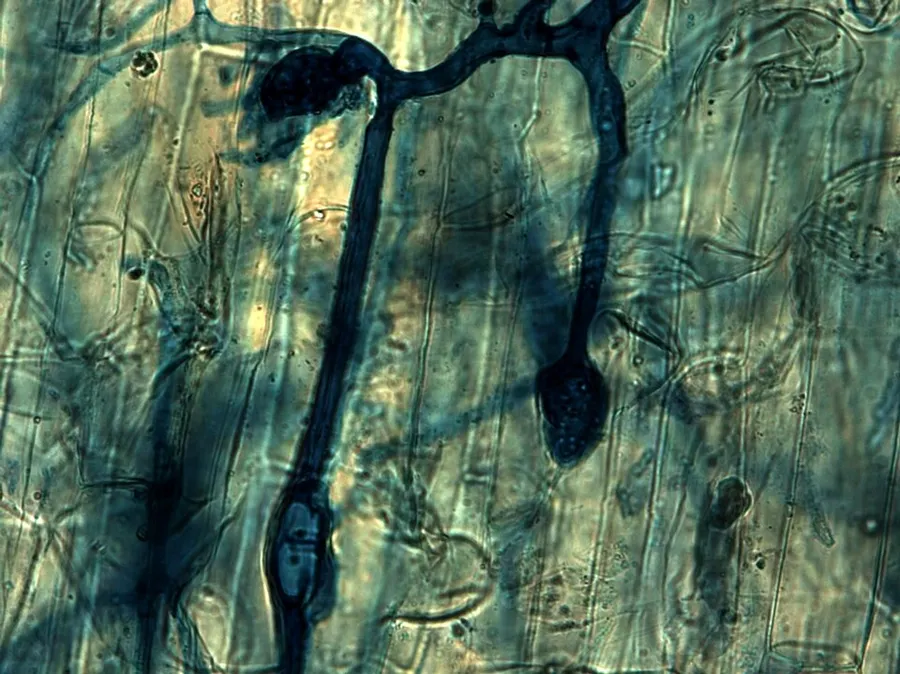
Dokumentasi Rhizophagus irregularis dari Wikimedia Commons. Réseau mycélien du champignon Rhizophagus irregularis inséré au milieu des cellules de son hôte végétal (ici Vicia fabae). Identifikasi mengikuti record berkas sumber.

Jenis
Fotografi
Kredit
Mylène Durant
Sumber media
Buka entri sumber

Gambar menunjukkan objek menurut identifikasi sumber, bukan verifikasi independen spesimen oleh Fungi. Tidak ada skala baru yang ditambahkan.

06 / Rujukan

Sumber profil

  1. [1] Rhizophagus irregularis — Wikipedia (en)Bagian sumber: Frozen revision 1374676724
    Tanggal penghimpunan sumber: 2026-10-12
    Teks sumber: CC BY-SA4.0 · Wikipedia contributors
  2. [2] Catalogue of Life Base2026-09-11 — Rhizophagus irregularisBagian sumber: ColDP NameUsage.tsv ID 4SCT3; accepted species; source 2073
    Tanggal penghimpunan sumber: 2026-10-12
  3. [3] Dokumentasi visual — Rhizophagus irregularisBagian sumber: Individual media record; identification follows the source, not independent determination
    Tanggal penghimpunan sumber: 2026-10-12
    Media sumber: CC BY-SA 4.0 · Mylène Durant

Adaptasi teks: CC BY-SA 4.0. Wikipedia contributors — Rhizophagus irregularis — Wikipedia (en)

Uraian asli dan riwayat sumber

Riwayat atau halaman sumber

Ringkasan sumber

Rhizophagus irregularis colonization peaks earlier than many of the other fungi in Rhizophagus. There tends to be extensive hyphal networking and intense intraradical spores associated with older roots of host plants. At times the spores are densely clustered or patchily distributed, depending on the host species. When the spores are heavily clustered, mycorrhizologists and others will tend to mistake R. irregularis for G. fasciculatum. Rhizophagus irregularis (previously known as Glomus intraradices) has been found to colonise new plants by means of spores, hyphae or fragments of roots colonized by the fungus

Revisi sumber

Morfologi sumber

Rhizophagus irregularis colonization peaks earlier than many of the other fungi in Rhizophagus. There tends to be extensive hyphal networking and intense intraradical spores associated with older roots of host plants. At times the spores are densely clustered or patchily distributed, depending on the host species. When the spores are heavily clustered, mycorrhizologists and others will tend to mistake R. irregularis for G. fasciculatum. Rhizophagus irregularis (previously known as Glomus intraradices) has been found to colonise new plants by means of spores, hyphae or fragments of roots colonized by the fungus In numerous scientific studies R. irregularis has been shown to increase phosphorus uptake in multiple plants as well as improve soil aggregation due to hyphae. In a 2005 study, R. irregularis was found to be the only arbuscular mycorrhizal fungi that was able to control nutrient uptake amounts by individual hyphae depending on differing phosphorus levels in the surrounding soil.

Revisi sumber

Ekologi sumber

Rhizophagus irregularis can be found in almost all soils, especially those populated with common host plants and in forests and grasslands. This is a brief list of some common host plants. Most agricultural crops will benefit from Rhizophagus irregularis inoculation. Generally host plants must be vascular plants, but not always. Onion — Allium cepa L. Soapbush Wattle — Acacia holosericea Flax — Linum usitatissimum L. Cowpea — Vigna unguiculata Tomato Plant — Lycopersicon esculentum Albaida — Anthyllis cytisoides

Revisi sumber

Struktur reproduksi sumber

Rhizophagus irregularis colonization peaks earlier than many of the other fungi in Rhizophagus. There tends to be extensive hyphal networking and intense intraradical spores associated with older roots of host plants. At times the spores are densely clustered or patchily distributed, depending on the host species. When the spores are heavily clustered, mycorrhizologists and others will tend to mistake R. irregularis for G. fasciculatum. Rhizophagus irregularis (previously known as Glomus intraradices) has been found to colonise new plants by means of spores, hyphae or fragments of roots colonized by the fungus Arbuscular mycorrhiza (AM) fungi were thought to have propagated clonally for over 500 million years because of their lack of visible sexual structures and thus were considered to be an ancient asexual lineage.

Revisi sumber

Rujukan halaman ini

Fungi. Rhizophagus irregularis. Rilis data fungi-2026-10-12-expansion-2. https://fungi-atlas.mgadib.chatgpt.site/jamur/rhizophagus-irregularis/.

Status: impor sumber; pemeriksaan editorial per profil belum selesai. Untuk klaim biologis, gunakan rujukan pada bagian terkait dan periksa konteks sumber aslinya.