Ciri dan struktur
Scorias spongiosa is a sooty mold fungus that grows on aphid honeydew. It is a member of the Capnodiaceae family of ascomycete fungi. It is found only on American beech trees, Fagus grandifolia. Scorias spongiosa is a specialist and grows exclusively on the honeydew formed by colonies of the beech blight aphid, Grylloprociphilus imbricator. This aphid is found only on one host plant, the American beech tree, Fagus grandifolia, where it congregates on branches and twigs, creating copious amounts of honeydew that drip onto vegetation below. The large quantity of honeydew enables this fungus to grow to a large size, much bigger than other sooty mould fungi, which produce only a thin black layer on the surface of leaves. On tree trunks this fungus has been known to grow into a mass of hyphae as big as a football, but it is more usual for the agglomeration on branches or twigs to reach a diameter of about fifteen centimetres. The aphids accumulate in late summer and autumn, forming large colonies. Spores of Scorias spongiosa are borne by wind and rain and fall on the honeydew secretions found below the aphids. The first hyphal growth is straw coloured and unpigmented. The hyphae adhere to each other for short distances, diverging and re-adhering to form a loose stranded structure. Pigmentation begins to occur on the surfaces of outer strands and the stroma begins to darken. The hyphae coalesce and form mycelial strands which radiate outward and upward from the supporting structure. Flask-shaped, spore-bearing pycnidia appear on the mycelia, which have a waxlike appearance: the matrix turns from brittle to soft as it absorbs moisture.
Habitat dan peran ekologis
Scorias spongiosa adalah jamur jamur yang tumbuh di madu madu aphid. Ini adalah anggota dari jamur askomycete Capnodiaceae family. Hanya ditemukan pada pohon-pohon American beech, Fagus grandifolia.
- Habitat atau konteks temuan
- Informasi belum tersedia pada sumber rilis ini.
- Substrat
- Informasi belum tersedia pada sumber rilis ini.
- Peran atau konteks
- Belum dikategorikan pada rilis ini.
Reproduksi
The aphids accumulate in late summer and autumn, forming large colonies. Spores of Scorias spongiosa are borne by wind and rain and fall on the honeydew secretions found below the aphids. The first hyphal growth is straw coloured and unpigmented. The hyphae adhere to each other for short distances, diverging and re-adhering to form a loose stranded structure. Pigmentation begins to occur on the surfaces of outer strands and the stroma begins to darken. The hyphae coalesce and form mycelial strands which radiate outward and upward from the supporting structure. Flask-shaped, spore-bearing pycnidia appear on the mycelia, which have a waxlike appearance: the matrix turns from brittle to soft as it absorbs moisture.
Catatan identitas dan cakupan
- Nama diterima mengikuti Catalogue of Life Base2026-09-11; uraian mempertahankan konsep dan nama sumber aslinya.
- Original geographic, specimen and life-cycle scope retained; source import awaits individual editorial review.
- Impor dan terjemahan otomatis belum diperiksa editorial per profil. Struktur reproduktif yang disebutkan tidak membuktikan seluruh siklus hidup diketahui.
- Pengukuran pada uraian mengikuti spesimen, kultur, dan metode sumber; angka tidak diperluas ke semua populasi.
Catatan distribusi dalam narasi mengikuti sumbernya. Dokumentasi spesimen atau foto mengikuti catatan sumber. Bukti wilayah Indonesia dan penilaian konservasi tidak disimpulkan dari gambar.
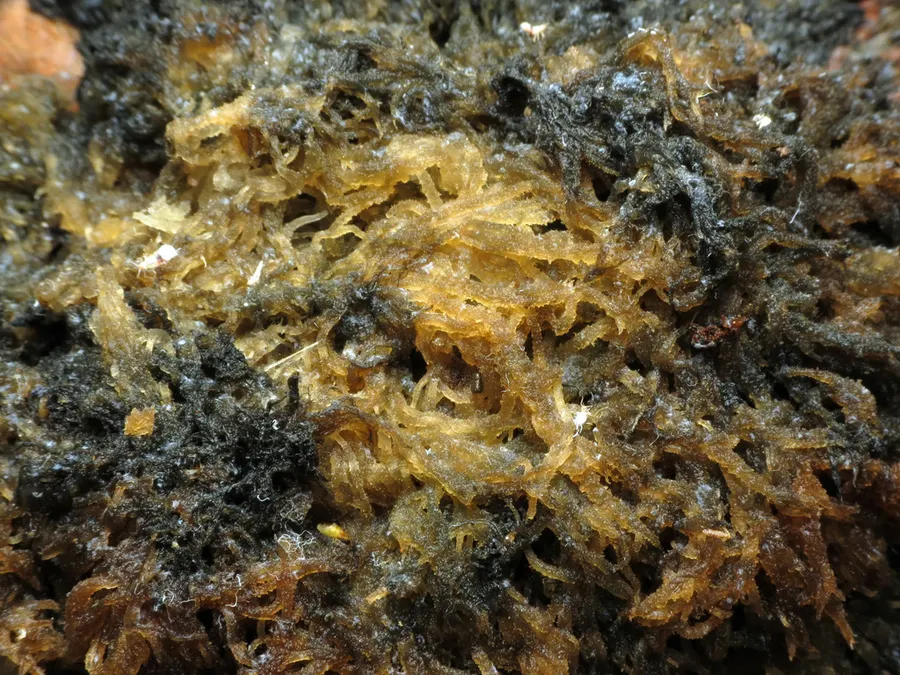
Melihat dengan konteks
Dokumentasi Scorias spongiosa menurut asosiasi foto pada record takson iNaturalist. Kredit: Katja Schulz. Identitas mengikuti sumber; bukan penentuan spesimen independen.
- Jenis
- Fotografi
- Kredit
- (c) Katja Schulz, some rights reserved (CC BY)
- Lisensi
- CC BY 4.0
- Sumber media
- Buka entri sumber
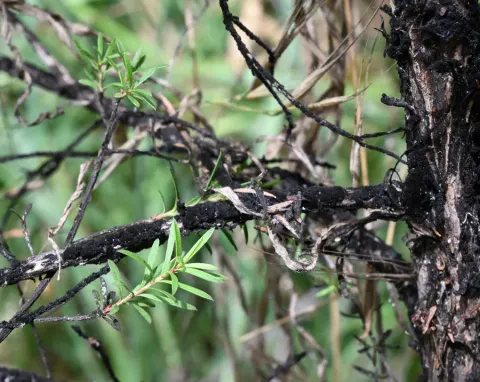
Dokumentasi tambahan
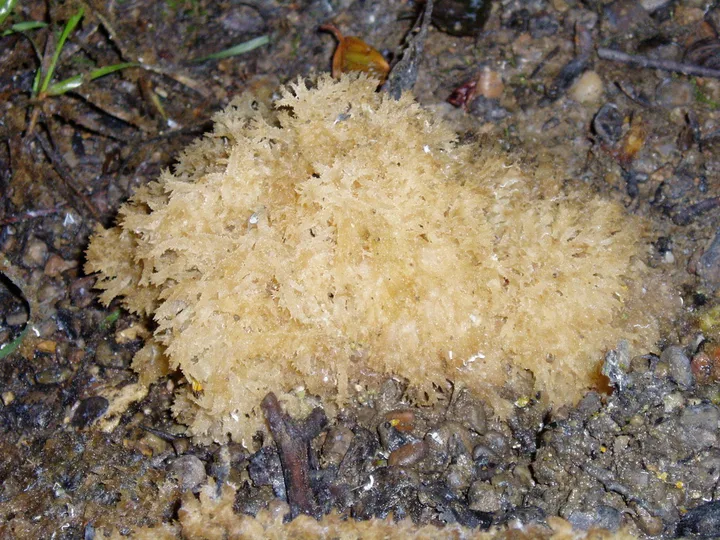
Foto yang diasosiasikan dengan Scorias spongiosa pada iNaturalist. Identifikasi mengikuti sumber; bukan penentuan spesimen independen.
Kredit dan penggunaan
(c) Summit Metro Parks, some rights reserved (CC BY), uploaded by Summit Metro Parks
Ukuran dan format gambar disesuaikan tanpa pemotongan, retus, atau penambahan skala. Lisensi sumber dipertahankan.
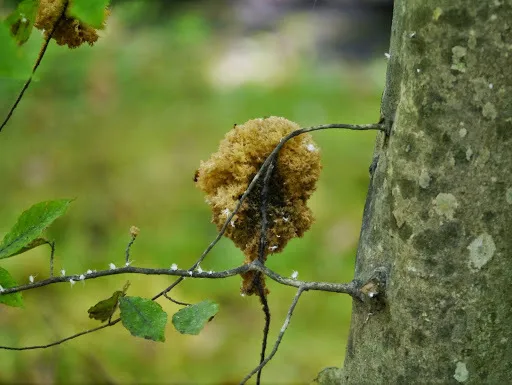
Foto yang diasosiasikan dengan Scorias spongiosa pada iNaturalist. Identifikasi mengikuti sumber; bukan penentuan spesimen independen.
Kredit dan penggunaan
(c) 116916927065934112165, some rights reserved (CC BY), uploaded by 116916927065934112165
Ukuran dan format gambar disesuaikan tanpa pemotongan, retus, atau penambahan skala. Lisensi sumber dipertahankan.
Sumber profil
- [1] Scorias spongiosa — Wikipedia (en)
- [2] Catalogue of Life Base2026-09-11 — Scorias spongiosa
- [3] Dokumentasi visual — Scorias spongiosa
- [4] Dokumentasi visual — Scorias spongiosa
- [5] Dokumentasi visual — Scorias spongiosa
Rujukan halaman ini
Fungi. Scorias spongiosa. Rilis data fungi-2026-10-12-expansion-2. https://fungi-atlas.mgadib.chatgpt.site/jamur/scorias-spongiosa/.
Status: impor sumber; pemeriksaan editorial per profil belum selesai. Untuk klaim biologis, gunakan rujukan pada bagian terkait dan periksa konteks sumber aslinya.