Ciri dan struktur
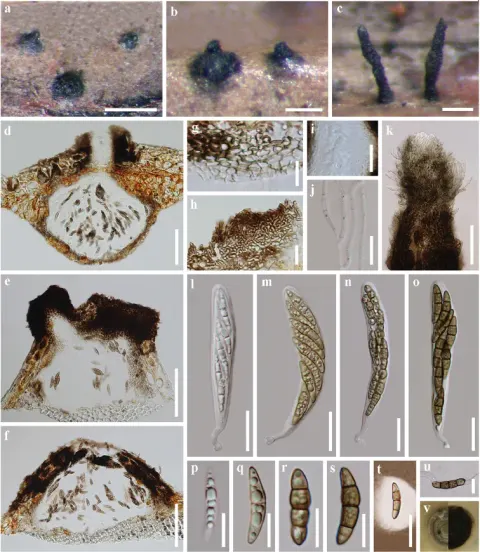
If the corn plant becomes infected soon after flowering, the husks appear bleached to straw color. Mycelial growth on corn ears typically begin at the base of the ear. In advanced stages of disease, this can result in a light-weight mummified ears attributed to the release of extracellular hydrolytic activities of acid protease, xylanases, and cellulases. During late season, this ascomycete on the plant can be recognized by the production of small raised, black fungal reproductive structures (pycnidia) on infected kernels, cob, husks, or stalks giving it an irregular feeling when touched. When infection happens several weeks after flowering, ears may be asymptomatic, with a possible brown discoloration, or seldom show mycelium between kernels. Some isolates may cause premature germination of the corn kernels. S. maydis overwinters on diseased plant debris (husks, stalks). During wet conditions, flask-shaped pycnidia embedded on debris produces two-celled conidia. Diplodia ear rot takes place when conidia are spread via rain and wind into the plant during early silking until two to three weeks after silks start to senesce. Alternatively, conidia can penetrate husks, typically at the base of the ear. Fungal growth is most common during milk, dough and dent stages. Diplodia stalk rot takes place mainly in the crown, mesocotyl, roots, and less frequently on the nodes between the crown and the ear. For both diseases, points of entry are facilitated by pest (e.g. bird, insect) damage, predisposing the host. Earworm (Helicoverpa zea) damage at the ear shank is often associated with the disease.
Habitat dan peran ekologis
Corn hybrids vary in their susceptibility to S. maydis. Flint cultivars are more resistant than dent, and resistance breeding offers promise for control, however complete resistance (immunity) is not available. Further, resistance to insects can reduce damage and disease severity. Genetic resistance to Diplodia stalk rot is highly correlated with resistance to Gibberella stalk rot.
- Habitat atau konteks temuan
- Informasi belum tersedia pada sumber rilis ini.
- Substrat
- Informasi belum tersedia pada sumber rilis ini.
- Peran atau konteks
- Belum dikategorikan pada rilis ini.
Reproduksi
If the corn plant becomes infected soon after flowering, the husks appear bleached to straw color. Mycelial growth on corn ears typically begin at the base of the ear. In advanced stages of disease, this can result in a light-weight mummified ears attributed to the release of extracellular hydrolytic activities of acid protease, xylanases, and cellulases. During late season, this ascomycete on the plant can be recognized by the production of small raised, black fungal reproductive structures (pycnidia) on infected kernels, cob, husks, or stalks giving it an irregular feeling when touched. When infection happens several weeks after flowering, ears may be asymptomatic, with a possible brown discoloration, or seldom show mycelium between kernels.
Catatan identitas dan cakupan
- Nama diterima mengikuti Catalogue of Life Base2026-09-11; uraian mempertahankan konsep dan nama sumber aslinya.
- Original geographic, specimen and life-cycle scope retained; source import awaits individual editorial review.
- Impor dan terjemahan otomatis belum diperiksa editorial per profil. Struktur reproduktif yang disebutkan tidak membuktikan seluruh siklus hidup diketahui.
- Pengukuran pada uraian mengikuti spesimen, kultur, dan metode sumber; angka tidak diperluas ke semua populasi.
Catatan distribusi dalam narasi mengikuti sumbernya. Dokumentasi spesimen atau foto mengikuti catatan sumber. Bukti wilayah Indonesia dan penilaian konservasi tidak disimpulkan dari gambar.
Melihat dengan konteks
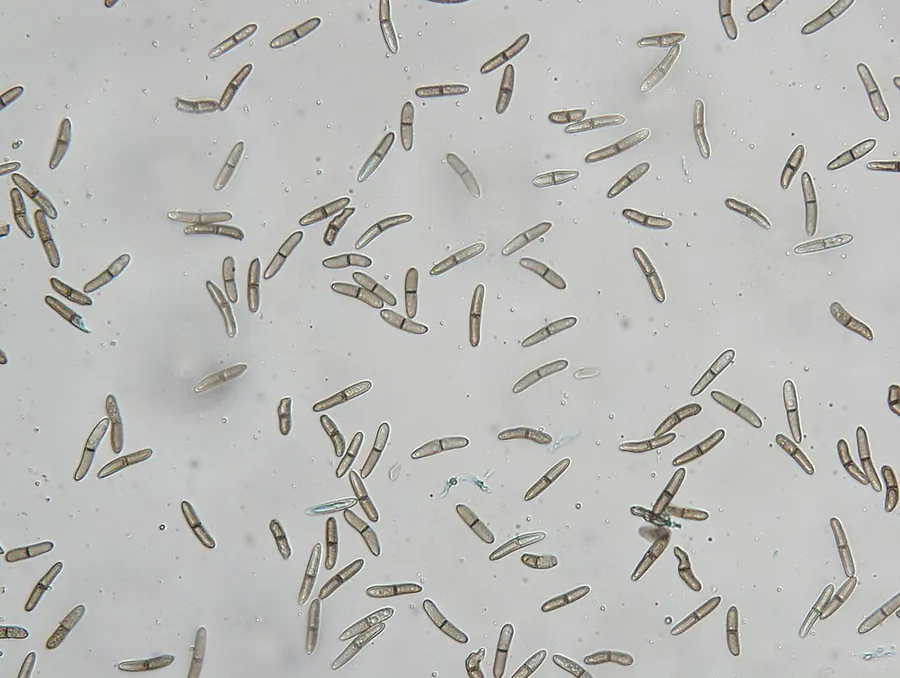
Dokumentasi Stenocarpella maydis dari Wikimedia Commons. Stenocarpella maydis conidia. Credits: Martha Patricia Romero Luna, Purdue University. Identifikasi mengikuti record berkas sumber.
- Jenis
- Fotografi
- Kredit
- Jrodrigomendoza
- Lisensi
- CC BY-SA 4.0
- Sumber media
- Buka entri sumber
Sumber profil
- [1] Stenocarpella maydis — Wikipedia (en)
- [2] Catalogue of Life Base2026-09-11 — Stenocarpella maydis
- [3] Dokumentasi visual — Stenocarpella maydis
Rujukan halaman ini
Fungi. Stenocarpella maydis. Rilis data fungi-2026-10-12-expansion-2. https://fungi-atlas.mgadib.chatgpt.site/jamur/stenocarpella-maydis/.
Status: impor sumber; pemeriksaan editorial per profil belum selesai. Untuk klaim biologis, gunakan rujukan pada bagian terkait dan periksa konteks sumber aslinya.