Ciri dan struktur
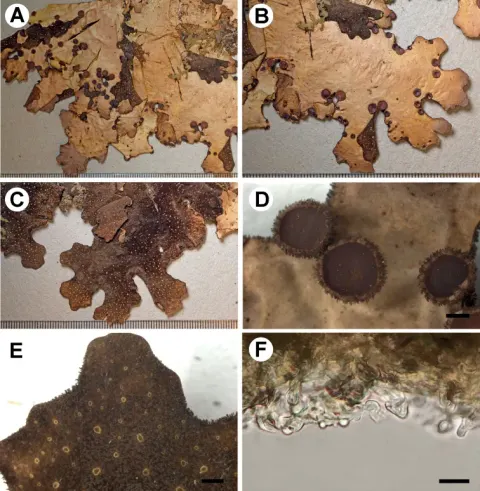
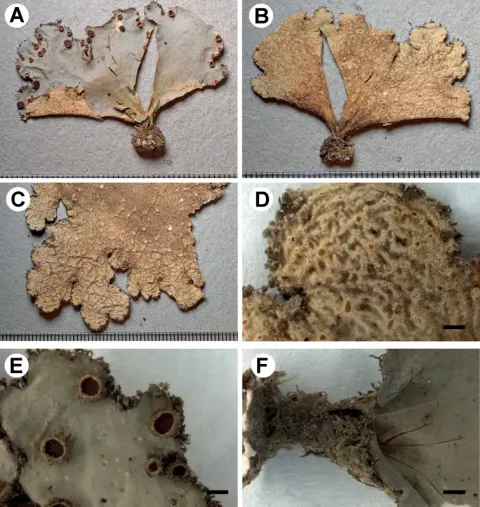
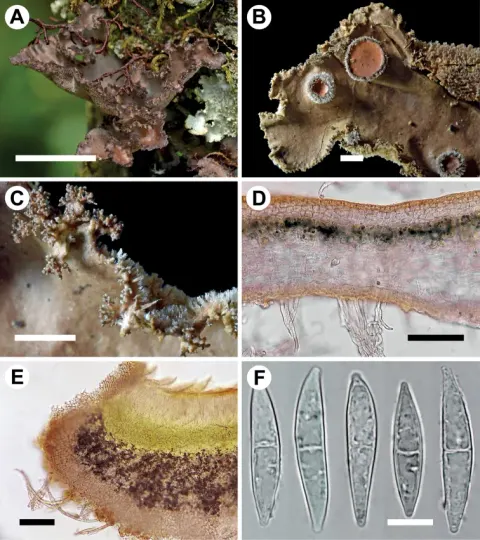
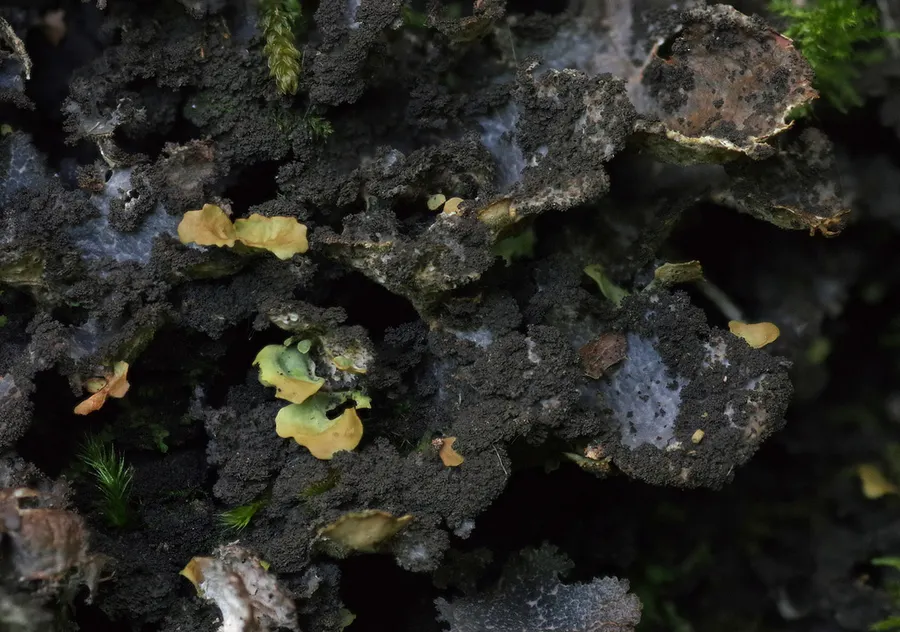
Sticta canariensis is distinctive for its ability to form – different morphological forms resulting from symbioses with two different types of photosynthetic partners: unicellular green algae (Symbiochloris sp. 3 from the order Trebouxiales) and cyanobacteria (Nostoc). These partnerships result in two dramatically different morphological forms of the lichen. The chloromorph (green algal form) produces bright green thalli measuring 5–15 cm in diameter. Its are elongated and dichotomously branched, each 5–15 mm wide. The lobes exhibit a characteristic subdichotomous branching pattern with truncate tips and relatively short segments between branches, with new branches typically forming at angles of 60-90 degrees. This form regularly produces reproductive structures (apothecia), which are brown in colour and measure 1–2 mm across. These apothecia can develop both on the surface (laminally) and along the edges (marginally) of the thallus. The underside of the thallus is a light to medium ochraceous-brown colour, featuring small pore-like structures (cyphellae) that blend in with the surrounding surface. The cyanomorph (cyanobacterial form) appears dark blue-grey, often featuring white mottled patterns. Its thalli can reach up to 10 cm in diameter and frequently form extensive colonies. The lobes, measuring 1–2 cm across, overlap each other and have irregularly incised margins featuring small outgrowths called phyllidia. These phyllidia are flattened, ascending structures measuring 0.5–0.8 mm, which branch dichotomously multiple times. They initially form dense clusters along the thallus margins but can also develop on the thallus surface in older specimens.
Habitat dan peran ekologis
Sticta canariensis has a disjunct distribution across temperate and subtropical regions, occurring in Atlantic Europe and Macaronesia. In Atlantic Europe, it is found in south-western England, Wales, and along the south-western coast of Norway. In Macaronesia, it occurs across the archipelagos of the Azores, Madeira, and the Canary Islands. The species is strongly associated with laurisilva forests in its Macaronesian range. These ancient forest ecosystems are considered highly vulnerable to global climate change. The species shows habitat flexibility in terms of substrate preference. While it primarily grows as an epiphyte on deciduous trees including Laurus, Fraxinus and Quercus species, it can also be found growing directly on soil and rocks, particularly on cliff faces and boulders. These terrestrial and saxicolous populations are typically found in close proximity to water sources and within cool, shaded forest environments. Genetic studies have revealed distinct population structures between the northern (England and Norway) and southern (Macaronesian) parts of its range, suggesting limited gene flow between these distant populations. Among the Macaronesian populations, those in Madeira show particularly high genetic diversity.
- Habitat atau konteks temuan
- hutan
- Substrat
- tanah
- Peran atau konteks
- Pembentuk liken
Reproduksi
The chloromorph (green algal form) produces bright green thalli measuring 5–15 cm in diameter. Its are elongated and dichotomously branched, each 5–15 mm wide. The lobes exhibit a characteristic subdichotomous branching pattern with truncate tips and relatively short segments between branches, with new branches typically forming at angles of 60-90 degrees. This form regularly produces reproductive structures (apothecia), which are brown in colour and measure 1–2 mm across. These apothecia can develop both on the surface (laminally) and along the edges (marginally) of the thallus. The underside of the thallus is a light to medium ochraceous-brown colour, featuring small pore-like structures (cyphellae) that blend in with the surrounding surface.
Catatan identitas dan cakupan
- Nama diterima mengikuti Catalogue of Life Base2026-09-11; uraian mempertahankan konsep dan nama sumber aslinya.
- Original geographic, specimen and life-cycle scope retained; source import awaits individual editorial review.
- Impor dan terjemahan otomatis belum diperiksa editorial per profil. Struktur reproduktif yang disebutkan tidak membuktikan seluruh siklus hidup diketahui.
- Pengukuran pada uraian mengikuti spesimen, kultur, dan metode sumber; angka tidak diperluas ke semua populasi.
Catatan distribusi dalam narasi mengikuti sumbernya. Dokumentasi spesimen atau foto mengikuti catatan sumber. Bukti wilayah Indonesia dan penilaian konservasi tidak disimpulkan dari gambar.
Melihat dengan konteks
Dokumentasi Sticta canariensis menurut asosiasi foto pada record takson iNaturalist. Kredit: Ben Mitchell. Identitas mengikuti sumber; bukan penentuan spesimen independen.
- Jenis
- Fotografi
- Kredit
- no rights reserved, uploaded by Ben Mitchell
- Lisensi
- CC0 1.0
- Sumber media
- Buka entri sumber
Dokumentasi tambahan
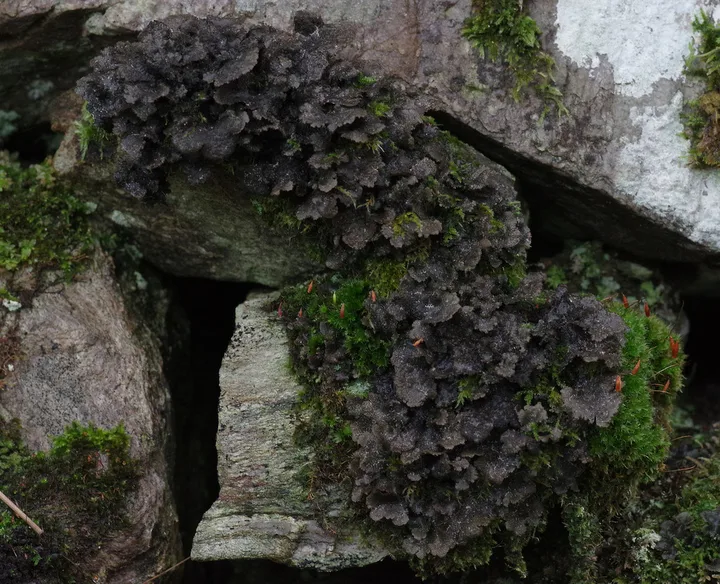
Foto yang diasosiasikan dengan Sticta canariensis pada iNaturalist. Identifikasi mengikuti sumber; bukan penentuan spesimen independen.
Kredit dan penggunaan
no rights reserved, uploaded by Ben Mitchell
Ukuran dan format gambar disesuaikan tanpa pemotongan, retus, atau penambahan skala. Lisensi sumber dipertahankan.
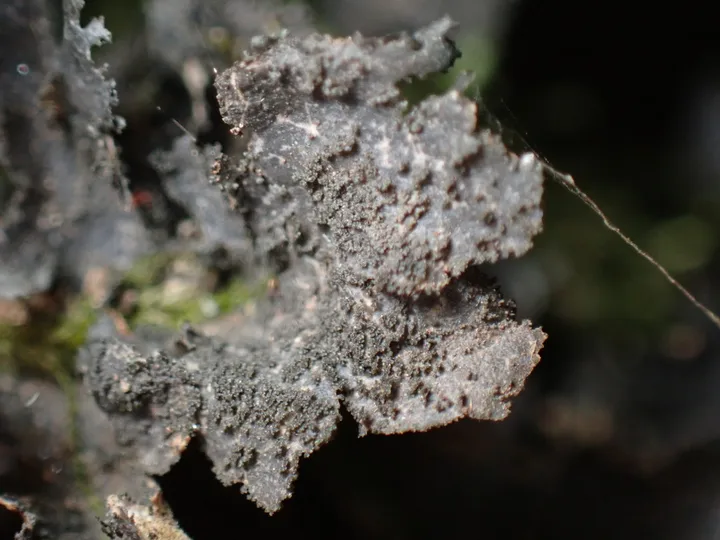
Foto yang diasosiasikan dengan Sticta canariensis pada iNaturalist. Identifikasi mengikuti sumber; bukan penentuan spesimen independen.
Kredit dan penggunaan
(c) W Rao, some rights reserved (CC BY), uploaded by W Rao
Ukuran dan format gambar disesuaikan tanpa pemotongan, retus, atau penambahan skala. Lisensi sumber dipertahankan.
Sumber profil
- [1] Sticta canariensis — Wikipedia (en)
- [2] Catalogue of Life Base2026-09-11 — Sticta canariensis
- [3] Dokumentasi visual — Sticta canariensis
- [4] Dokumentasi visual — Sticta canariensis
- [5] Dokumentasi visual — Sticta canariensis
Rujukan halaman ini
Fungi. Sticta canariensis. Rilis data fungi-2026-10-12-expansion-2. https://fungi-atlas.mgadib.chatgpt.site/jamur/sticta-canariensis/.
Status: impor sumber; pemeriksaan editorial per profil belum selesai. Untuk klaim biologis, gunakan rujukan pada bagian terkait dan periksa konteks sumber aslinya.