Ciri dan struktur
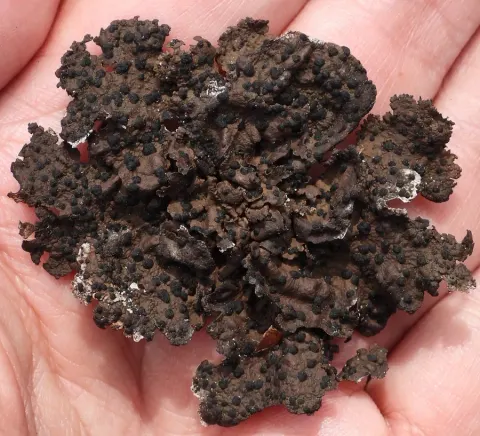
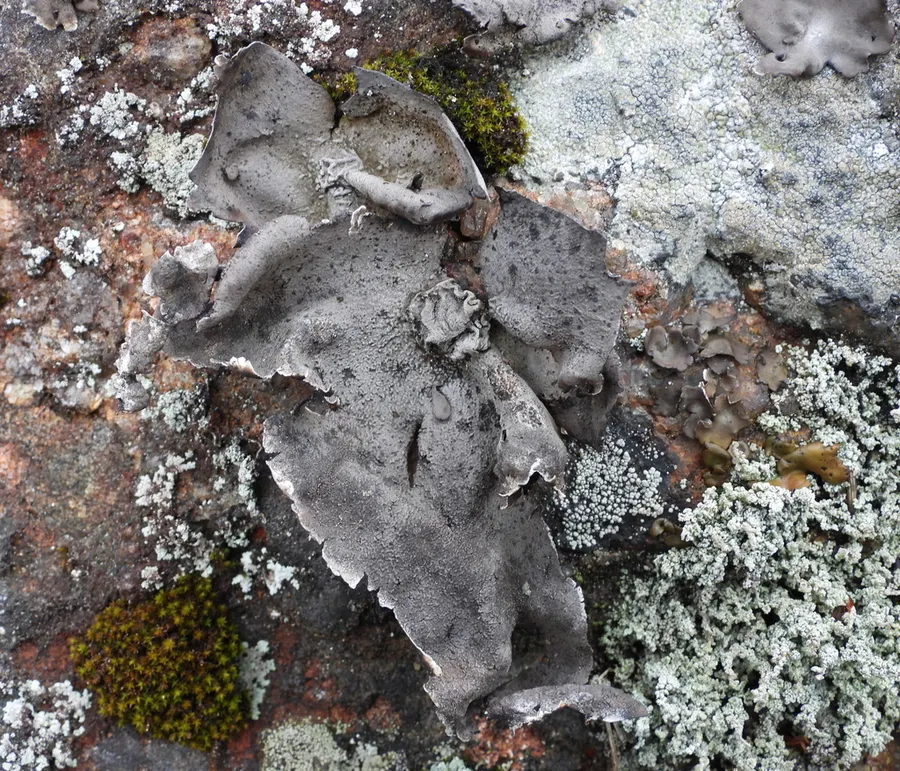
The thallus of Umbilicaria nylanderiana is typically (having single lobe), rigid, and brittle, often with lacerated margins, although it can sometimes be polyphyllous (multi-lobed), particularly in wind-exposed habitats. It usually measures up to 6 cm across, but Antarctic specimens are considerably smaller, growing to about 2 cm in diameter. The upper thallus surface is dark brown to grey, characterised by densely packed, high, rounded ridges, while the lower surface is black and smooth. Reproductive features of the lichen include black, , and apothecia (fruiting bodies), which are more common in Neotropic specimens and rarer in European samples. Asci (spore-bearing cells) are club shaped (). Ascospores typically number eight per ascus, ranging from unicellular to multicellular, and are hyaline or brown, measuring 7–16 by 5–9 μm. The thalloconidia are unicellular, dark brown to black, and oval or ellipsoid, typically covering the entire lower surface except at the peripheral areas.
Habitat dan peran ekologis
Umbilicaria nylanderiana is primarily found on the vertical to horizontal faces of large boulders or cliffs in the alpine zone, frequently above the snow line in winter. Its distribution is global, occurring throughout Europe, North America, and South America. This species is the only common brown Umbilicaria in Ecuador and occupies ecological niches similar to those of several brown species in North America, Europe, and Asia, such as U. hyperborea, U. deusta, and U. arctica. In Antarctica, its distribution is restricted to the maritime Antarctic region, ranging from the South Orkney Islands in the north to as far south as 68°S along the west coast of the Antarctic Peninsula and its offshore islands. In this region, it is found only in coastal sites at elevations between 5 and 200 m above sea level, often on north-facing volcanic rocks. While generally rare in Antarctica, it can be locally abundant in some environments.
- Habitat atau konteks temuan
- Informasi belum tersedia pada sumber rilis ini.
- Substrat
- Informasi belum tersedia pada sumber rilis ini.
- Peran atau konteks
- Pembentuk liken
Reproduksi
Reproductive features of the lichen include black, , and apothecia (fruiting bodies), which are more common in Neotropic specimens and rarer in European samples. Asci (spore-bearing cells) are club shaped (). Ascospores typically number eight per ascus, ranging from unicellular to multicellular, and are hyaline or brown, measuring 7–16 by 5–9 μm. The thalloconidia are unicellular, dark brown to black, and oval or ellipsoid, typically covering the entire lower surface except at the peripheral areas.
Catatan identitas dan cakupan
- Nama diterima mengikuti Catalogue of Life Base2026-09-11; uraian mempertahankan konsep dan nama sumber aslinya.
- Original geographic, specimen and life-cycle scope retained; source import awaits individual editorial review.
- Impor dan terjemahan otomatis belum diperiksa editorial per profil. Struktur reproduktif yang disebutkan tidak membuktikan seluruh siklus hidup diketahui.
- Pengukuran pada uraian mengikuti spesimen, kultur, dan metode sumber; angka tidak diperluas ke semua populasi.
Catatan distribusi dalam narasi mengikuti sumbernya. Dokumentasi spesimen atau foto mengikuti catatan sumber. Bukti wilayah Indonesia dan penilaian konservasi tidak disimpulkan dari gambar.
Melihat dengan konteks
Dokumentasi Umbilicaria nylanderiana menurut asosiasi foto pada record takson iNaturalist. Kredit: Vesa Oikonen. Identitas mengikuti sumber; bukan penentuan spesimen independen.
- Jenis
- Fotografi
- Kredit
- no rights reserved, uploaded by Vesa Oikonen
- Lisensi
- CC0 1.0
- Sumber media
- Buka entri sumber
Dokumentasi tambahan
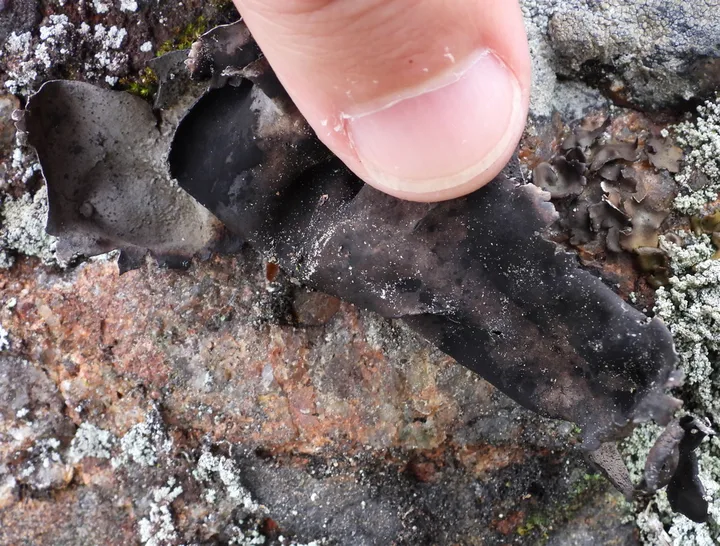
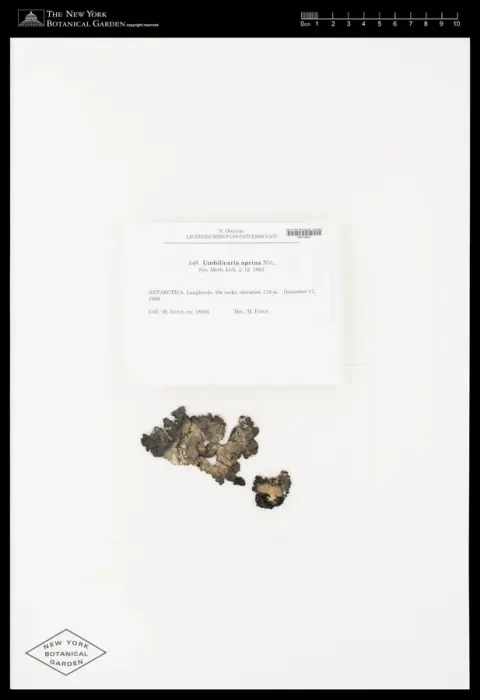
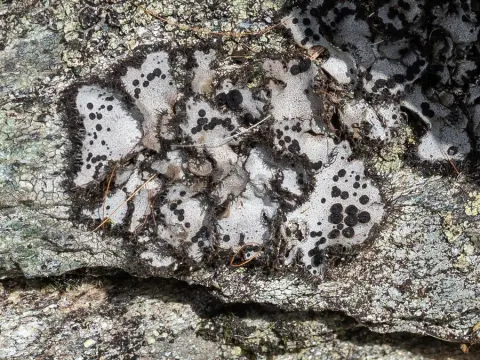
Foto yang diasosiasikan dengan Umbilicaria nylanderiana pada iNaturalist. Identifikasi mengikuti sumber; bukan penentuan spesimen independen.
Kredit dan penggunaan
no rights reserved, uploaded by Vesa Oikonen
Ukuran dan format gambar disesuaikan tanpa pemotongan, retus, atau penambahan skala. Lisensi sumber dipertahankan.
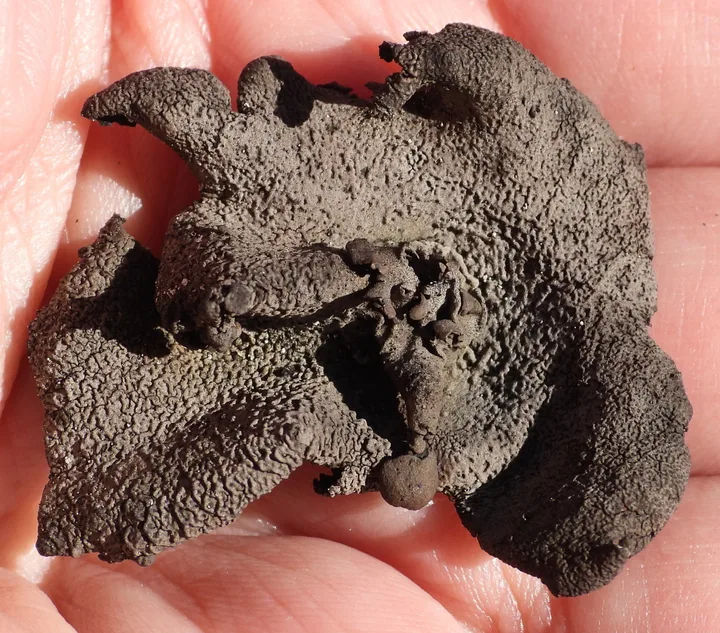
Foto yang diasosiasikan dengan Umbilicaria nylanderiana pada iNaturalist. Identifikasi mengikuti sumber; bukan penentuan spesimen independen.
Kredit dan penggunaan
no rights reserved, uploaded by Vesa Oikonen
Ukuran dan format gambar disesuaikan tanpa pemotongan, retus, atau penambahan skala. Lisensi sumber dipertahankan.
Sumber profil
- [1] Umbilicaria nylanderiana — Wikipedia (en)
- [2] Catalogue of Life Base2026-09-11 — Umbilicaria nylanderiana
- [3] Dokumentasi visual — Umbilicaria nylanderiana
- [4] Dokumentasi visual — Umbilicaria nylanderiana
- [5] Dokumentasi visual — Umbilicaria nylanderiana
Rujukan halaman ini
Fungi. Umbilicaria nylanderiana. Rilis data fungi-2026-10-12-expansion-2. https://fungi-atlas.mgadib.chatgpt.site/jamur/umbilicaria-nylanderiana/.
Status: impor sumber; pemeriksaan editorial per profil belum selesai. Untuk klaim biologis, gunakan rujukan pada bagian terkait dan periksa konteks sumber aslinya.