01 / Morfologi

Ciri dan struktur

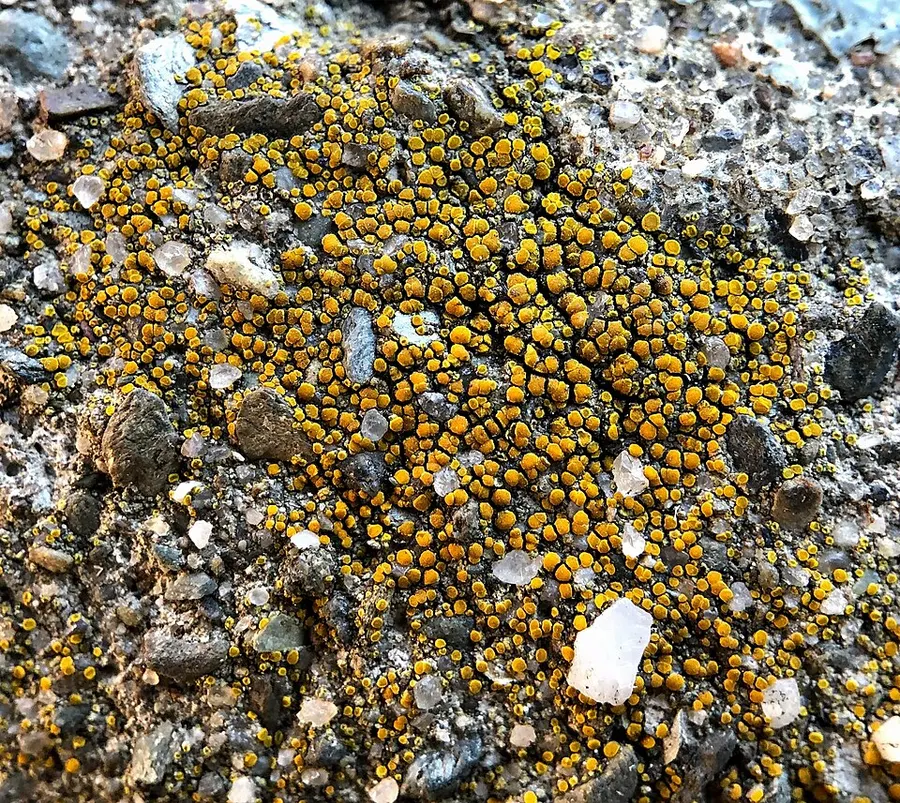
Xanthocarpia feracissima is a species of saxicolous, crustose lichen in the family Teloschistaceae. It was first formally described as a new species in 1953 by Swedish lichenologist Adolf Hugo Magnusson, as a member of the genus Caloplaca. The type specimen was collected in 1939 by John Walter Thomson in Lake Koshkonong, Wisconsin. In the original description, Magnusson notes a similarity to the lichen now known as Gyalolechia flavovirescens, but distinguishes the new species by its lack of a visible thallus, the sordid-reddish color of its , and the "unusually narrow" septa of the spores. Patrik Frödén, Ulf Arup, and Ulrik Søchting transferred the taxon to Xanthocarpia in 2013, following molecular phylogenetic analysis of the family Teloschistaceae. The lichen occurs in the eastern United States and Canada. In North America, a common name for the species is "sidewalk firedot lichen". It is very common on cement and mortar, particularly on sidewalks that are not commonly used. Despite the nearly imperceptible thallus, the tiny apothecia can grow so profusely so as discolor large areas of sidewalks yellow. The ability of Xanthocarpia feracissima to grow on rock surfaces, however, has led to instances where the species has damaged marble; in one documented case of the restoration of a statue, the lichen penetrated up to 10 mm into the stone along larger cracks and 0.05 mm beneath loose surface crystals, leading to crumbling of the marble surface.

Sebagian uraian ditampilkan dalam bahasa sumber; terjemahannya belum tersedia atau belum lolos pemeriksaan.

Rujukan: [1]

Pengukuran mengikuti objek, spesimen atau kultur, dan metode yang disebutkan sumber. Baca uraian asli untuk konteks lengkap.

02 / Kehidupan

Habitat dan peran ekologis

The lichen occurs in the eastern United States and Canada. In North America, a common name for the species is "sidewalk firedot lichen". It is very common on cement and mortar, particularly on sidewalks that are not commonly used. Despite the nearly imperceptible thallus, the tiny apothecia can grow so profusely so as discolor large areas of sidewalks yellow. The ability of Xanthocarpia feracissima to grow on rock surfaces, however, has led to instances where the species has damaged marble; in one documented case of the restoration of a statue, the lichen penetrated up to 10 mm into the stone along larger cracks and 0.05 mm beneath loose surface crystals, leading to crumbling of the marble surface.

Sebagian uraian ditampilkan dalam bahasa sumber; terjemahannya belum tersedia atau belum lolos pemeriksaan.

Rujukan: [1]

Habitat atau konteks temuan
Informasi belum tersedia pada sumber rilis ini.
Substrat
Informasi belum tersedia pada sumber rilis ini.
Peran atau konteks
Pembentuk liken
Temukan hubungan serupa
03 / Siklus hidup

Reproduksi

Xanthocarpia feracissima is a species of saxicolous, crustose lichen in the family Teloschistaceae. It was first formally described as a new species in 1953 by Swedish lichenologist Adolf Hugo Magnusson, as a member of the genus Caloplaca. The type specimen was collected in 1939 by John Walter Thomson in Lake Koshkonong, Wisconsin. In the original description, Magnusson notes a similarity to the lichen now known as Gyalolechia flavovirescens, but distinguishes the new species by its lack of a visible thallus, the sordid-reddish color of its , and the "unusually narrow" septa of the spores. Patrik Frödén, Ulf Arup, and Ulrik Søchting transferred the taxon to Xanthocarpia in 2013, following molecular phylogenetic analysis of the family Teloschistaceae.

Sebagian uraian ditampilkan dalam bahasa sumber; terjemahannya belum tersedia atau belum lolos pemeriksaan.

Rujukan: [1]

Sinonim menurut acuan taksonomi rilis: Caloplaca feracissima
04 / Batas informasi

Catatan identitas dan cakupan

  • Nama diterima mengikuti Catalogue of Life Base2026-09-11; uraian mempertahankan konsep dan nama sumber aslinya.
  • Original geographic, specimen and life-cycle scope retained; source import awaits individual editorial review.
  • Impor dan terjemahan otomatis belum diperiksa editorial per profil. Struktur reproduktif yang disebutkan tidak membuktikan seluruh siklus hidup diketahui.
  • Pengukuran pada uraian mengikuti spesimen, kultur, dan metode sumber; angka tidak diperluas ke semua populasi.

Catatan distribusi dalam narasi mengikuti sumbernya. Dokumentasi spesimen atau foto mengikuti catatan sumber. Bukti wilayah Indonesia dan penilaian konservasi tidak disimpulkan dari gambar.

05 / Dokumentasi

Melihat dengan konteks

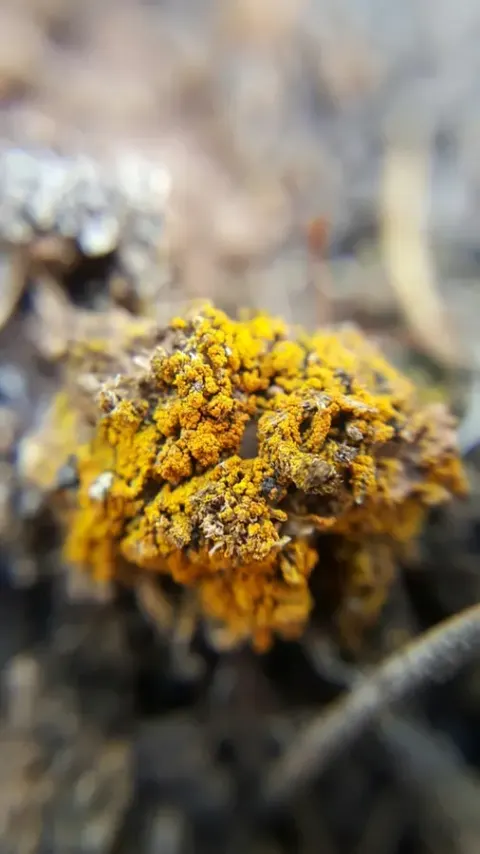
Dokumentasi Xanthocarpia feracissima dari Wikimedia Commons. sidewalk firedot ( Xanthocarpia feracissima ) Identifikasi mengikuti record berkas sumber.

Jenis
Fotografi
Kredit
Nova Patch
Sumber media
Buka entri sumber

Gambar menunjukkan objek menurut identifikasi sumber, bukan verifikasi independen spesimen oleh Fungi. Tidak ada skala baru yang ditambahkan.

06 / Rujukan

Sumber profil

  1. [1] Xanthocarpia feracissima — Wikipedia (en)Bagian sumber: Frozen revision 1298528898
    Tanggal penghimpunan sumber: 2026-10-12
    Teks sumber: CC BY-SA4.0 · Wikipedia contributors
  2. [2] Catalogue of Life Base2026-09-11 — Xanthocarpia feracissimaBagian sumber: ColDP NameUsage.tsv ID 5C58P; accepted species; source 2073
    Tanggal penghimpunan sumber: 2026-10-12
  3. [3] Dokumentasi visual — Xanthocarpia feracissimaBagian sumber: Individual media record; identification follows the source, not independent determination
    Tanggal penghimpunan sumber: 2026-10-12
    Media sumber: CC BY-SA 4.0 · Nova Patch

Adaptasi teks: CC BY-SA 4.0. Wikipedia contributors — Xanthocarpia feracissima — Wikipedia (en)

Uraian asli dan riwayat sumber

Riwayat atau halaman sumber

Ringkasan sumber

Xanthocarpia feracissima is a species of saxicolous, crustose lichen in the family Teloschistaceae. It was first formally described as a new species in 1953 by Swedish lichenologist Adolf Hugo Magnusson, as a member of the genus Caloplaca. The type specimen was collected in 1939 by John Walter Thomson in Lake Koshkonong, Wisconsin. In the original description, Magnusson notes a similarity to the lichen now known as Gyalolechia flavovirescens, but distinguishes the new species by its lack of a visible thallus, the sordid-reddish color of its , and the "unusually narrow" septa of the spores.

Revisi sumber

Morfologi sumber

Xanthocarpia feracissima is a species of saxicolous, crustose lichen in the family Teloschistaceae. It was first formally described as a new species in 1953 by Swedish lichenologist Adolf Hugo Magnusson, as a member of the genus Caloplaca. The type specimen was collected in 1939 by John Walter Thomson in Lake Koshkonong, Wisconsin. In the original description, Magnusson notes a similarity to the lichen now known as Gyalolechia flavovirescens, but distinguishes the new species by its lack of a visible thallus, the sordid-reddish color of its , and the "unusually narrow" septa of the spores. Patrik Frödén, Ulf Arup, and Ulrik Søchting transferred the taxon to Xanthocarpia in 2013, following molecular phylogenetic analysis of the family Teloschistaceae. The lichen occurs in the eastern United States and Canada. In North America, a common name for the species is "sidewalk firedot lichen". It is very common on cement and mortar, particularly on sidewalks that are not commonly used. Despite the nearly imperceptible thallus, the tiny apothecia can grow so profusely so as discolor large areas of sidewalks yellow. The ability of Xanthocarpia feracissima to grow on rock surfaces, however, has led to instances where the species has damaged marble; in one documented case of the restoration of a statue, the lichen penetrated up to 10 mm into the stone along larger cracks and 0.05 mm beneath loose surface crystals, leading to crumbling of the marble surface.

Revisi sumber

Ekologi sumber

The lichen occurs in the eastern United States and Canada. In North America, a common name for the species is "sidewalk firedot lichen". It is very common on cement and mortar, particularly on sidewalks that are not commonly used. Despite the nearly imperceptible thallus, the tiny apothecia can grow so profusely so as discolor large areas of sidewalks yellow. The ability of Xanthocarpia feracissima to grow on rock surfaces, however, has led to instances where the species has damaged marble; in one documented case of the restoration of a statue, the lichen penetrated up to 10 mm into the stone along larger cracks and 0.05 mm beneath loose surface crystals, leading to crumbling of the marble surface.

Revisi sumber

Struktur reproduksi sumber

Xanthocarpia feracissima is a species of saxicolous, crustose lichen in the family Teloschistaceae. It was first formally described as a new species in 1953 by Swedish lichenologist Adolf Hugo Magnusson, as a member of the genus Caloplaca. The type specimen was collected in 1939 by John Walter Thomson in Lake Koshkonong, Wisconsin. In the original description, Magnusson notes a similarity to the lichen now known as Gyalolechia flavovirescens, but distinguishes the new species by its lack of a visible thallus, the sordid-reddish color of its , and the "unusually narrow" septa of the spores. Patrik Frödén, Ulf Arup, and Ulrik Søchting transferred the taxon to Xanthocarpia in 2013, following molecular phylogenetic analysis of the family Teloschistaceae.

Revisi sumber

Rujukan halaman ini

Fungi. Xanthocarpia feracissima. Rilis data fungi-2026-10-12-expansion-2. https://fungi-atlas.mgadib.chatgpt.site/jamur/xanthocarpia-feracissima/.

Status: impor sumber; pemeriksaan editorial per profil belum selesai. Untuk klaim biologis, gunakan rujukan pada bagian terkait dan periksa konteks sumber aslinya.