01 / Morfologi

Ciri dan struktur

Xanthoparmelia tinctina can colonize serpentinite rocks, including asbestos-bearing surfaces. Studies from the Balangero asbestos mine in northwestern Italy have shown that while the species commonly grows on natural serpentinite outcrops in the region, it shows limited colonization of exposed mine walls. When transplanted to asbestos-rich surfaces, adult thalli of X. tinctina can survive and grow, though their growth rates are affected by instability and erosion. Research has demonstrated that thalli directly adhered to mine surfaces showed variable growth patterns over time, with some specimens achieving up to 29% annual area increase despite challenging conditions. The species reproduces through isidia, though laboratory and field studies indicate these reproductive structures have limited success establishing on unstable mine surfaces.

Sebagian uraian ditampilkan dalam bahasa sumber; terjemahannya belum tersedia atau belum lolos pemeriksaan.

Rujukan: [1]

Pengukuran mengikuti objek, spesimen atau kultur, dan metode yang disebutkan sumber. Baca uraian asli untuk konteks lengkap.

02 / Kehidupan

Habitat dan peran ekologis

Xanthoparmelia tinctina can colonize serpentinite rocks, including asbestos-bearing surfaces. Studies from the Balangero asbestos mine in northwestern Italy have shown that while the species commonly grows on natural serpentinite outcrops in the region, it shows limited colonization of exposed mine walls. When transplanted to asbestos-rich surfaces, adult thalli of X. tinctina can survive and grow, though their growth rates are affected by instability and erosion. Research has demonstrated that thalli directly adhered to mine surfaces showed variable growth patterns over time, with some specimens achieving up to 29% annual area increase despite challenging conditions. The species reproduces through isidia, though laboratory and field studies indicate these reproductive structures have limited success establishing on unstable mine surfaces.

Sebagian uraian ditampilkan dalam bahasa sumber; terjemahannya belum tersedia atau belum lolos pemeriksaan.

Rujukan: [1]

Habitat atau konteks temuan
Informasi belum tersedia pada sumber rilis ini.
Substrat
Informasi belum tersedia pada sumber rilis ini.
Peran atau konteks
Pembentuk liken
Temukan hubungan serupa
03 / Siklus hidup

Reproduksi

Xanthoparmelia tinctina can colonize serpentinite rocks, including asbestos-bearing surfaces. Studies from the Balangero asbestos mine in northwestern Italy have shown that while the species commonly grows on natural serpentinite outcrops in the region, it shows limited colonization of exposed mine walls. When transplanted to asbestos-rich surfaces, adult thalli of X. tinctina can survive and grow, though their growth rates are affected by instability and erosion. Research has demonstrated that thalli directly adhered to mine surfaces showed variable growth patterns over time, with some specimens achieving up to 29% annual area increase despite challenging conditions. The species reproduces through isidia, though laboratory and field studies indicate these reproductive structures have limited success establishing on unstable mine surfaces.

Sebagian uraian ditampilkan dalam bahasa sumber; terjemahannya belum tersedia atau belum lolos pemeriksaan.

Rujukan: [1]

Sinonim menurut acuan taksonomi rilis: Parmelia conspersa subsp. tinctina; Parmelia tinctina; Parmelia tokajensis
04 / Batas informasi

Catatan identitas dan cakupan

  • Nama diterima mengikuti Catalogue of Life Base2026-09-11; uraian mempertahankan konsep dan nama sumber aslinya.
  • Original geographic, specimen and life-cycle scope retained; source import awaits individual editorial review.
  • Impor dan terjemahan otomatis belum diperiksa editorial per profil. Struktur reproduktif yang disebutkan tidak membuktikan seluruh siklus hidup diketahui.
  • Pengukuran pada uraian mengikuti spesimen, kultur, dan metode sumber; angka tidak diperluas ke semua populasi.

Catatan distribusi dalam narasi mengikuti sumbernya. Dokumentasi spesimen atau foto mengikuti catatan sumber. Bukti wilayah Indonesia dan penilaian konservasi tidak disimpulkan dari gambar.

05 / Dokumentasi

Melihat dengan konteks

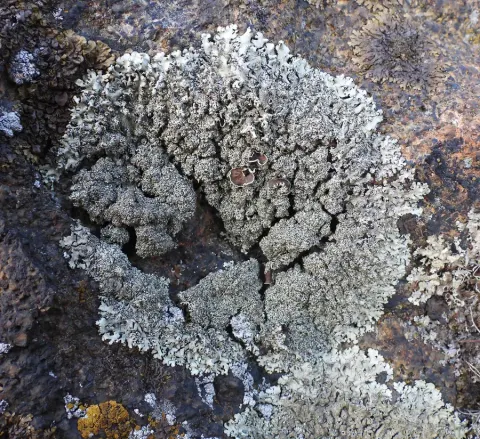
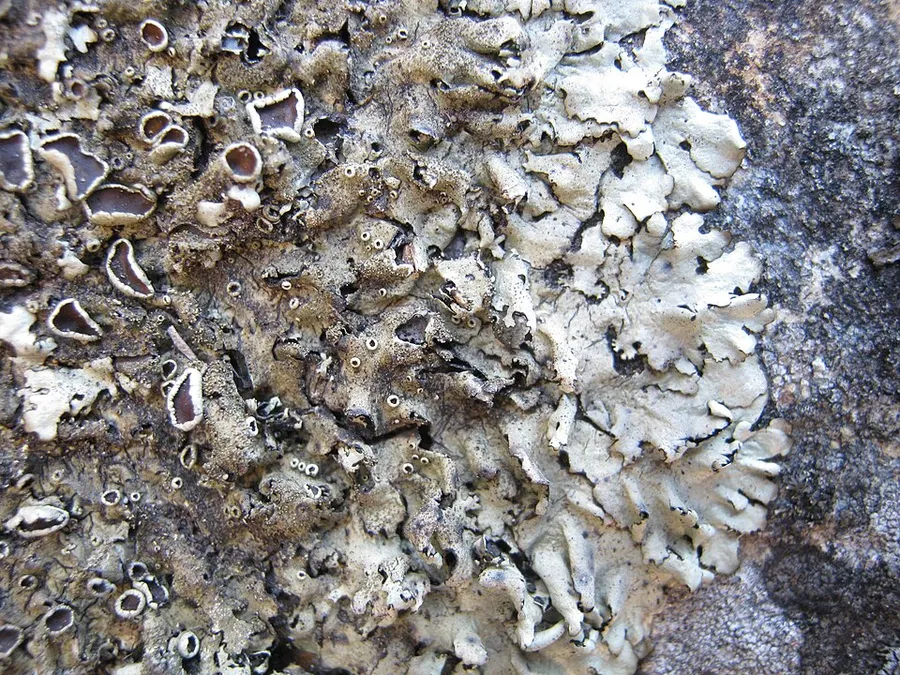
Dokumentasi Xanthoparmelia tinctina dari Wikimedia Commons. The lichen Xanthoparmelia tinctina (Maheu & Gillet) Hale. Photographed in Serra de São Mamede, Portugal. Identifikasi mengikuti record berkas sumber.

Jenis
Fotografi
Kredit
zaca
Sumber media
Buka entri sumber

Gambar menunjukkan objek menurut identifikasi sumber, bukan verifikasi independen spesimen oleh Fungi. Tidak ada skala baru yang ditambahkan.

06 / Rujukan

Sumber profil

  1. [1] Xanthoparmelia tinctina — Wikipedia (en)Bagian sumber: Frozen revision 1321752760
    Tanggal penghimpunan sumber: 2026-10-12
    Teks sumber: CC BY-SA4.0 · Wikipedia contributors
  2. [2] Catalogue of Life Base2026-09-11 — Xanthoparmelia tinctinaBagian sumber: ColDP NameUsage.tsv ID 7G6YB; accepted species; source 2073
    Tanggal penghimpunan sumber: 2026-10-12
  3. [3] Dokumentasi visual — Xanthoparmelia tinctinaBagian sumber: Individual media record; identification follows the source, not independent determination
    Tanggal penghimpunan sumber: 2026-10-12
    Media sumber: CC BY-SA 3.0 · zaca

Adaptasi teks: CC BY-SA 4.0. Wikipedia contributors — Xanthoparmelia tinctina — Wikipedia (en)

Uraian asli dan riwayat sumber

Riwayat atau halaman sumber

Ringkasan sumber

Xanthoparmelia tinctina can colonize serpentinite rocks, including asbestos-bearing surfaces. Studies from the Balangero asbestos mine in northwestern Italy have shown that while the species commonly grows on natural serpentinite outcrops in the region, it shows limited colonization of exposed mine walls. When transplanted to asbestos-rich surfaces, adult thalli of X. tinctina can survive and grow, though their growth rates are affected by instability and erosion. Research has demonstrated that thalli directly adhered to mine surfaces showed variable growth patterns over time, with some specimens achieving up to 29% annual area increase despite challenging conditions.

Revisi sumber

Morfologi sumber

Xanthoparmelia tinctina can colonize serpentinite rocks, including asbestos-bearing surfaces. Studies from the Balangero asbestos mine in northwestern Italy have shown that while the species commonly grows on natural serpentinite outcrops in the region, it shows limited colonization of exposed mine walls. When transplanted to asbestos-rich surfaces, adult thalli of X. tinctina can survive and grow, though their growth rates are affected by instability and erosion. Research has demonstrated that thalli directly adhered to mine surfaces showed variable growth patterns over time, with some specimens achieving up to 29% annual area increase despite challenging conditions. The species reproduces through isidia, though laboratory and field studies indicate these reproductive structures have limited success establishing on unstable mine surfaces.

Revisi sumber

Ekologi sumber

Xanthoparmelia tinctina can colonize serpentinite rocks, including asbestos-bearing surfaces. Studies from the Balangero asbestos mine in northwestern Italy have shown that while the species commonly grows on natural serpentinite outcrops in the region, it shows limited colonization of exposed mine walls. When transplanted to asbestos-rich surfaces, adult thalli of X. tinctina can survive and grow, though their growth rates are affected by instability and erosion. Research has demonstrated that thalli directly adhered to mine surfaces showed variable growth patterns over time, with some specimens achieving up to 29% annual area increase despite challenging conditions. The species reproduces through isidia, though laboratory and field studies indicate these reproductive structures have limited success establishing on unstable mine surfaces.

Revisi sumber

Struktur reproduksi sumber

Xanthoparmelia tinctina can colonize serpentinite rocks, including asbestos-bearing surfaces. Studies from the Balangero asbestos mine in northwestern Italy have shown that while the species commonly grows on natural serpentinite outcrops in the region, it shows limited colonization of exposed mine walls. When transplanted to asbestos-rich surfaces, adult thalli of X. tinctina can survive and grow, though their growth rates are affected by instability and erosion. Research has demonstrated that thalli directly adhered to mine surfaces showed variable growth patterns over time, with some specimens achieving up to 29% annual area increase despite challenging conditions. The species reproduces through isidia, though laboratory and field studies indicate these reproductive structures have limited success establishing on unstable mine surfaces.

Revisi sumber

Rujukan halaman ini

Fungi. Xanthoparmelia tinctina. Rilis data fungi-2026-10-12-expansion-2. https://fungi-atlas.mgadib.chatgpt.site/jamur/xanthoparmelia-tinctina/.

Status: impor sumber; pemeriksaan editorial per profil belum selesai. Untuk klaim biologis, gunakan rujukan pada bagian terkait dan periksa konteks sumber aslinya.