01 / Morfologi

Ciri dan struktur

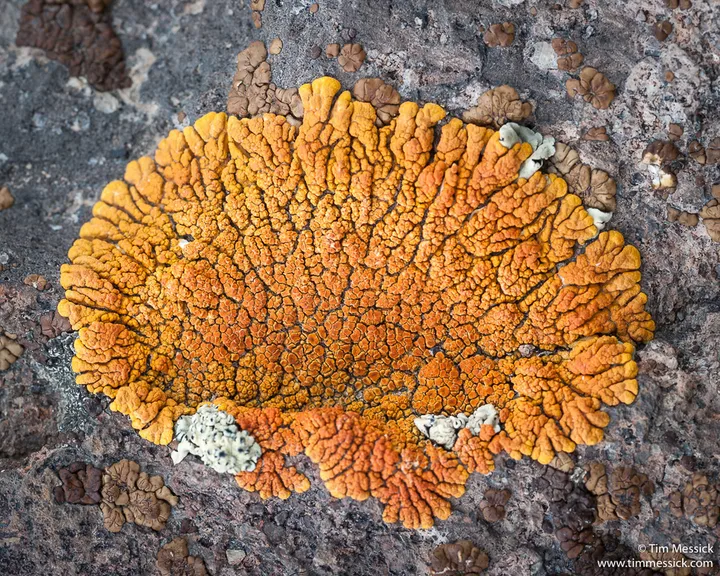
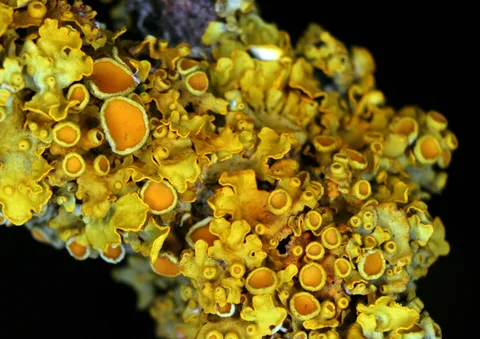
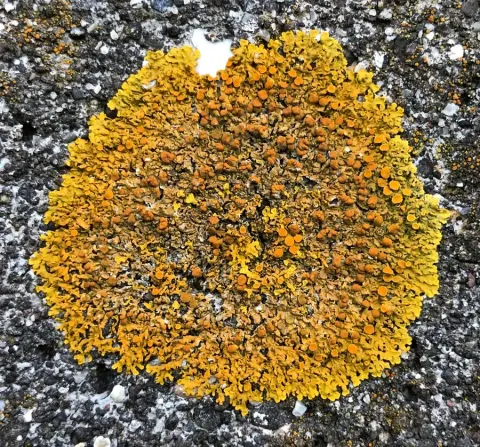
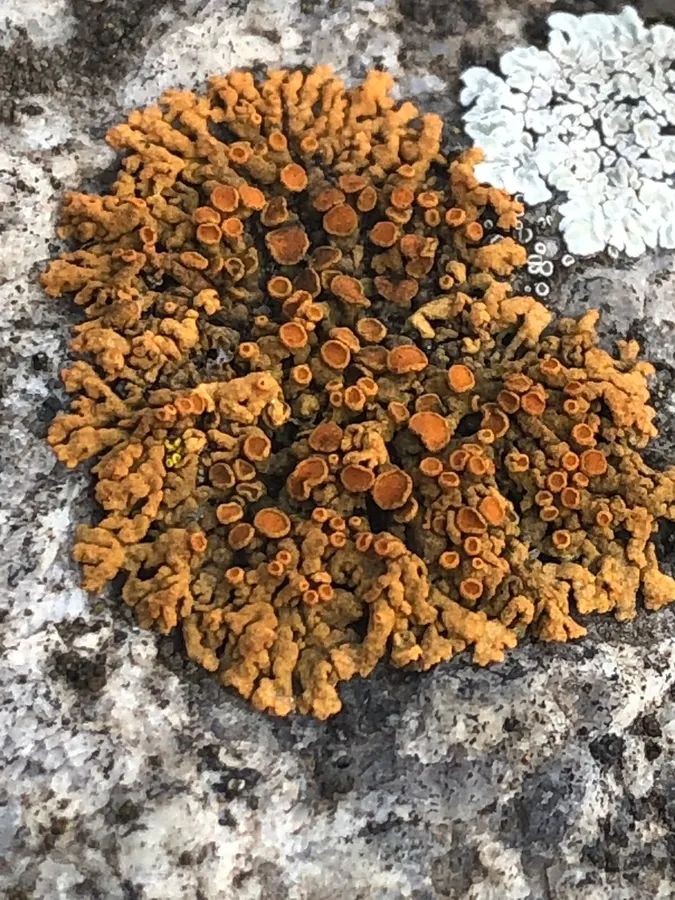
The thallus of this lichen is described as foliose, having the aspect of leaves, although the central portions of the thallus may appear nearly crustose. It is small, typically less than 5 cm wide, with lobes less than 2 mm broad, appressed to loosely appressed. The upper surface is some shade of orange while the lower surface is white, , with short, sparse (an attachment structure produced by some lichens). The vegetative propagules called soredia and isidia are absent, although apothecia are common. It has been described as possessing swollen, orange-yellow thalli (in streams), compact orange thalli (on boulders) or dark orange-red thalli on the driest rock faces. The variety R. elegans var. granulifera, characterized by having isidium-like vegetative propagules, has been reported from Greenland and Spitsbergen.

Sebagian uraian ditampilkan dalam bahasa sumber; terjemahannya belum tersedia atau belum lolos pemeriksaan.

Rujukan: [1]

Pengukuran mengikuti objek, spesimen atau kultur, dan metode yang disebutkan sumber. Baca uraian asli untuk konteks lengkap.

02 / Kehidupan

Habitat dan peran ekologis

Spesies ini tumbuh di atas batuan, baik berkarat dan silikon, kadang-kadang tumbuh lebih banyak dari lumut atau sampah. Hal ini sering ditemukan di tempat yang terlindung, seringkali dekat air manuk atau kotoran mamalia kecil.

Rujukan: [1]

Habitat atau konteks temuan
Informasi belum tersedia pada sumber rilis ini.
Substrat
Informasi belum tersedia pada sumber rilis ini.
Peran atau konteks
Pembentuk liken
Temukan hubungan serupa
03 / Siklus hidup

Reproduksi

The thallus of this lichen is described as foliose, having the aspect of leaves, although the central portions of the thallus may appear nearly crustose. It is small, typically less than 5 cm wide, with lobes less than 2 mm broad, appressed to loosely appressed. The upper surface is some shade of orange while the lower surface is white, , with short, sparse (an attachment structure produced by some lichens). The vegetative propagules called soredia and isidia are absent, although apothecia are common. It has been described as possessing swollen, orange-yellow thalli (in streams), compact orange thalli (on boulders) or dark orange-red thalli on the driest rock faces. The variety R. elegans var. granulifera, characterized by having isidium-like vegetative propagules, has been reported from Greenland and Spitsbergen.

Sebagian uraian ditampilkan dalam bahasa sumber; terjemahannya belum tersedia atau belum lolos pemeriksaan.

Rujukan: [1]

Sinonim menurut acuan taksonomi rilis: Amphiloma elegans; Callopisma elegans; Caloplaca dissidens; Caloplaca elegans; Gasparrinia elegans; Lecanora dissidens; Lecanora elegans; Lecanora murorum var. dissidens; Parmelia elegans; Parmelia murorum var. elegans; Physcia dissidens; Physcia elegans; Placodium dissidens; Placodium elegans; Placodium murorum f. dissidens; Placodium murorum var. dissidens; Rusavskia elegans; Squamaria elegans; Teloschistes elegans
04 / Batas informasi

Catatan identitas dan cakupan

  • Nama diterima mengikuti Catalogue of Life Base2026-09-11; uraian mempertahankan konsep dan nama sumber aslinya.
  • Original geographic, specimen and life-cycle scope retained; source import awaits individual editorial review.
  • Impor dan terjemahan otomatis belum diperiksa editorial per profil. Struktur reproduktif yang disebutkan tidak membuktikan seluruh siklus hidup diketahui.
  • Pengukuran pada uraian mengikuti spesimen, kultur, dan metode sumber; angka tidak diperluas ke semua populasi.

Catatan distribusi dalam narasi mengikuti sumbernya. Dokumentasi spesimen atau foto mengikuti catatan sumber. Bukti wilayah Indonesia dan penilaian konservasi tidak disimpulkan dari gambar.

05 / Dokumentasi

Melihat dengan konteks

Dokumentasi Rusavskia elegans menurut asosiasi foto pada record takson iNaturalist. Kredit: mister_bumble. Identitas mengikuti sumber; bukan penentuan spesimen independen.

Jenis
Fotografi
Kredit
(c) mister_bumble, some rights reserved (CC BY), uploaded by mister_bumble
Lisensi
CC BY 4.0
Sumber media
Buka entri sumber

Gambar menunjukkan objek menurut identifikasi sumber, bukan verifikasi independen spesimen oleh Fungi. Tidak ada skala baru yang ditambahkan.

Dokumentasi tambahan

06 / Rujukan

Sumber profil

  1. [1] Rusavskia elegans — Wikipedia (en)Bagian sumber: Frozen revision 1342824632
    Tanggal penghimpunan sumber: 2026-10-12
    Teks sumber: CC BY-SA4.0 · Wikipedia contributors
  2. [2] Catalogue of Life Base2026-09-11 — Xanthoria elegansBagian sumber: ColDP NameUsage.tsv ID 5C85Q; accepted species; source 2073
    Tanggal penghimpunan sumber: 2026-10-12
  3. [3] Dokumentasi visual — Xanthoria elegansBagian sumber: Identitas mengikuti sumber dokumentasi; bukan penentuan spesimen independen.
    Tanggal penghimpunan sumber: 2026-10-17
    Media sumber: CC BY 4.0 · (c) mister_bumble, some rights reserved (CC BY), uploaded by mister_bumble
  4. [4] Dokumentasi visual — Xanthoria elegansBagian sumber: Identitas mengikuti sumber dokumentasi; bukan penentuan spesimen independen.
    Tanggal penghimpunan sumber: 2026-10-17
    Teks sumber: CC BY 4.0 · (c) Tim Messick, some rights reserved (CC BY), uploaded by Tim Messick

Adaptasi teks: CC BY-SA 4.0. Wikipedia contributors — Rusavskia elegans — Wikipedia (en)

Uraian asli dan riwayat sumber

Riwayat atau halaman sumber

Ringkasan sumber

Rusavskia elegans (formerly Xanthoria elegans), commonly known as the elegant sunburst lichen, is a lichenized species of fungus in the genus Rusavskia, family Teloschistaceae. Recognized by its bright orange or red pigmentation, this species grows on rocks, often near bird or rodent perches. It has a circumpolar and alpine distribution. It was one of the first lichens to be used for the rock-face dating method known as lichenometry.

Revisi sumber

Morfologi sumber

The thallus of this lichen is described as foliose, having the aspect of leaves, although the central portions of the thallus may appear nearly crustose. It is small, typically less than 5 cm wide, with lobes less than 2 mm broad, appressed to loosely appressed. The upper surface is some shade of orange while the lower surface is white, , with short, sparse (an attachment structure produced by some lichens). The vegetative propagules called soredia and isidia are absent, although apothecia are common. It has been described as possessing swollen, orange-yellow thalli (in streams), compact orange thalli (on boulders) or dark orange-red thalli on the driest rock faces. The variety R. elegans var. granulifera, characterized by having isidium-like vegetative propagules, has been reported from Greenland and Spitsbergen.

Revisi sumber

Ekologi sumber

This species grows on rock, both calcareous and siliceous, occasionally overgrowing moss or litter. It is often found on exposed to somewhat sheltered sites, often near bird or small-mammal droppings.

Revisi sumber

Struktur reproduksi sumber

The thallus of this lichen is described as foliose, having the aspect of leaves, although the central portions of the thallus may appear nearly crustose. It is small, typically less than 5 cm wide, with lobes less than 2 mm broad, appressed to loosely appressed. The upper surface is some shade of orange while the lower surface is white, , with short, sparse (an attachment structure produced by some lichens). The vegetative propagules called soredia and isidia are absent, although apothecia are common. It has been described as possessing swollen, orange-yellow thalli (in streams), compact orange thalli (on boulders) or dark orange-red thalli on the driest rock faces. The variety R. elegans var. granulifera, characterized by having isidium-like vegetative propagules, has been reported from Greenland and Spitsbergen.

Revisi sumber

Rujukan halaman ini

Fungi. Xanthoria elegans. Rilis data fungi-2026-10-12-expansion-2. https://fungi-atlas.mgadib.chatgpt.site/jamur/xanthoria-elegans/.

Status: impor sumber; pemeriksaan editorial per profil belum selesai. Untuk klaim biologis, gunakan rujukan pada bagian terkait dan periksa konteks sumber aslinya.