Ciri dan struktur
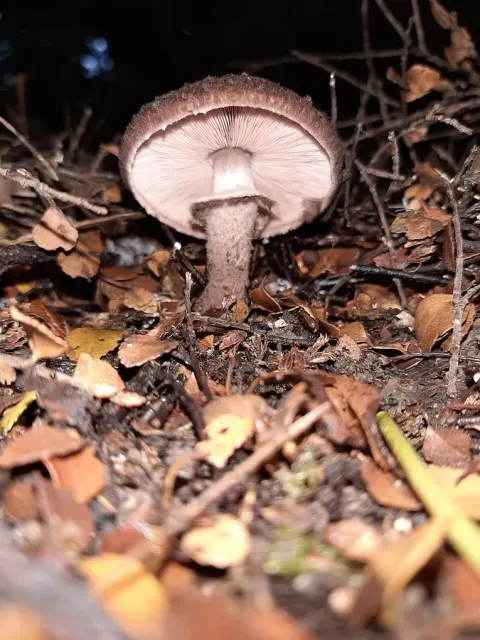
Cap 2 to 7 cm, convex-rounded often with inflexed margins at first, then flattens when aging, covered in purple-brown to pinkish dense fibriles that fade in colours towards light grayish-pink from the centre towards margins. The gills are free from attachment to the stipe, dense, starting pale gray-brownish when young, then turning dark purple-brown with age, with a lighter crenulated edge. The stipe is cylindrical, 2–5 cm long and 0.4–0.8 cm broad, bulbous or clavated at the base, whitish, slightly darkening toward the base in yellow-brownish tints. The ring, remnant of the veil present in young fructifications, is whitish, descendent, thin and fragile. The odor and taste resembles almonds. The spore print is dark brownish. The spores are 4.5–6.0 x 3.5–4.0 μm on average, nonamyloid, and elliptical. The flesh turns slightly in yellow when cut or bruised, sometime with orange tints in stipe. Macrochemical reactions: flesh turns orange and pileus turns yellow in contact with 10% KOH.
Habitat dan peran ekologis
Agaricus dulcidulus adalah spesies mikoriza yang berhubungan erat dengan spesies ek yang berbeda. Jamur lebih memilih tanah lembap dengan daun yang banyak terurai sebagai substrat. Basidiocarps muncul, tergantung pada kondisi mikroklimat, pada akhir July to awal Oktober.
- Habitat atau konteks temuan
- Informasi belum tersedia pada sumber rilis ini.
- Substrat
- Informasi belum tersedia pada sumber rilis ini.
- Peran atau konteks
- Mitra tumbuhan
Reproduksi
The spore print is dark brownish. The spores are 4.5–6.0 x 3.5–4.0 μm on average, nonamyloid, and elliptical. The flesh turns slightly in yellow when cut or bruised, sometime with orange tints in stipe.
Catatan identitas dan cakupan
- Nama diterima mengikuti Catalogue of Life Base2026-09-11; uraian mempertahankan konsep dan nama sumber aslinya.
- Original geographic, specimen and life-cycle scope retained; source import awaits individual editorial review.
- Impor dan terjemahan otomatis belum diperiksa editorial per profil. Struktur reproduktif yang disebutkan tidak membuktikan seluruh siklus hidup diketahui.
- Pengukuran pada uraian mengikuti spesimen, kultur, dan metode sumber; angka tidak diperluas ke semua populasi.
Catatan distribusi dalam narasi mengikuti sumbernya. Dokumentasi spesimen atau foto mengikuti catatan sumber. Bukti wilayah Indonesia dan penilaian konservasi tidak disimpulkan dari gambar.
Melihat dengan konteks
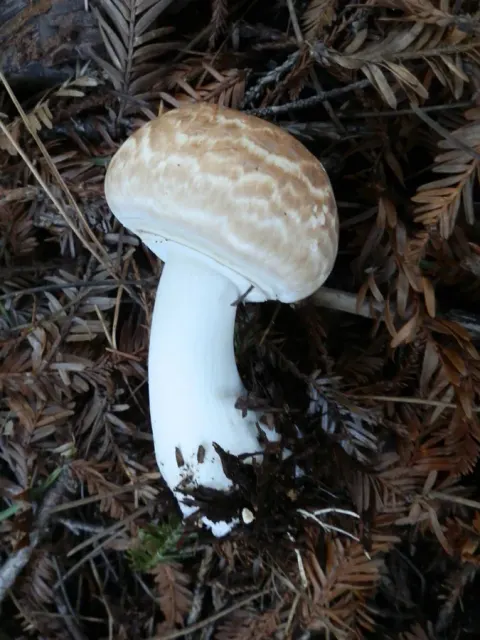
Dokumentasi Agaricus purpurellus menurut asosiasi foto pada record takson iNaturalist. Kredit: Fotografer tidak dicantumkan. Sumber observasi iNaturalist; pengunggah: Nicolás Joaquín. Identitas mengikuti sumber; bukan penentuan spesimen independen.
- Jenis
- Fotografi
- Kredit
- Fotografer tidak dicantumkan. Sumber observasi iNaturalist; pengunggah: Nicolás Joaquín
- Lisensi
- CC0 1.0
- Sumber media
- Buka entri sumber
Dokumentasi tambahan
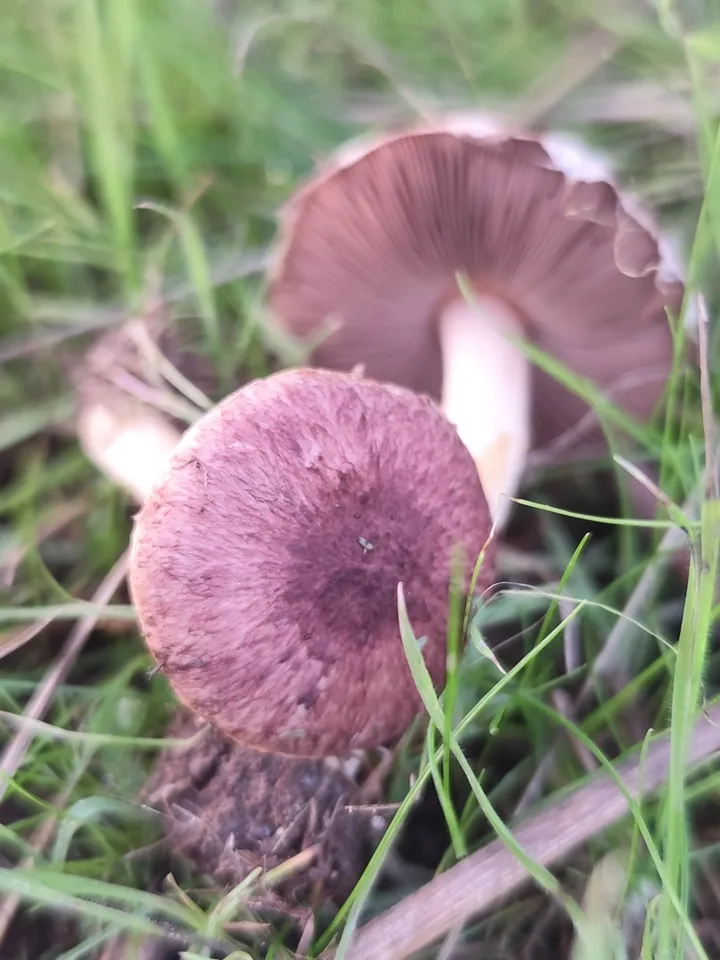
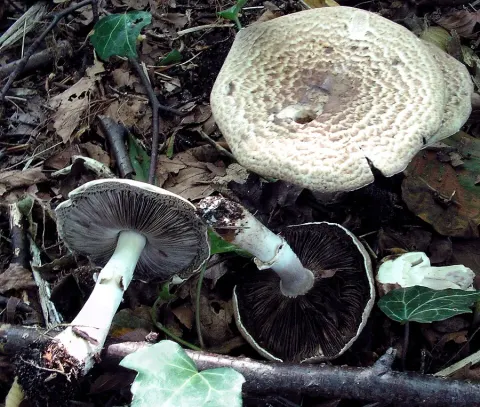
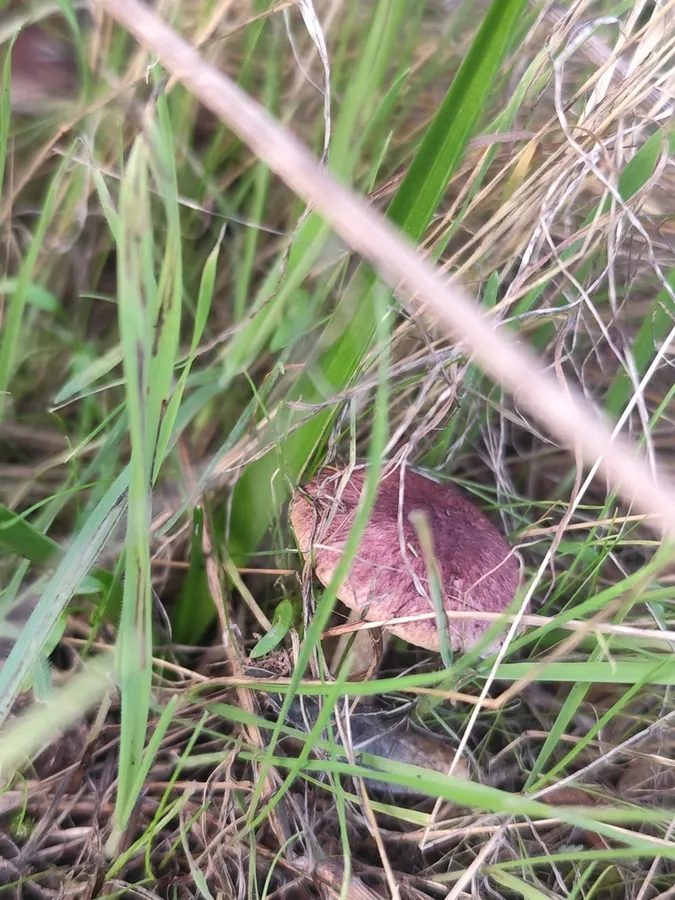
Foto yang diasosiasikan dengan Agaricus dulcidulus pada iNaturalist. Identifikasi mengikuti sumber; bukan penentuan spesimen independen.
Kredit dan penggunaan
no rights reserved
Ukuran dan format gambar disesuaikan tanpa pemotongan, retus, atau penambahan skala. Lisensi sumber dipertahankan.
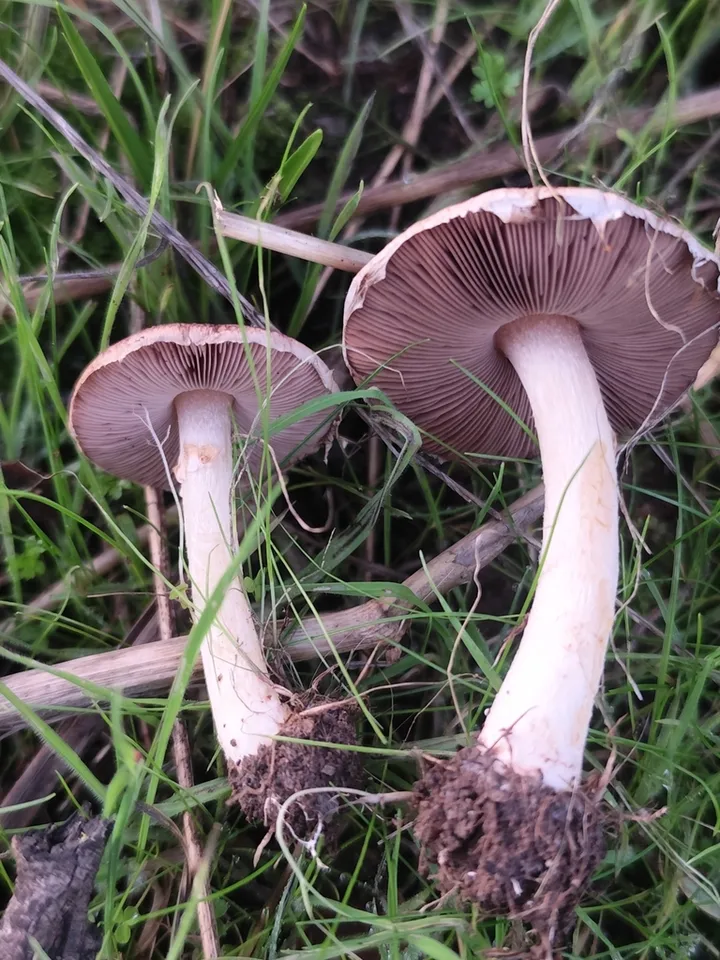
Foto yang diasosiasikan dengan Agaricus dulcidulus pada iNaturalist. Identifikasi mengikuti sumber; bukan penentuan spesimen independen.
Kredit dan penggunaan
no rights reserved
Ukuran dan format gambar disesuaikan tanpa pemotongan, retus, atau penambahan skala. Lisensi sumber dipertahankan.
Sumber profil
- [1] Agaricus dulcidulus — Wikipedia (en)
- [2] Catalogue of Life Base2026-09-11 — Agaricus dulcidulus
- [3] Dokumentasi visual — Agaricus dulcidulus
- [4] Dokumentasi visual — Agaricus dulcidulus
- [5] Dokumentasi visual — Agaricus dulcidulus
Rujukan halaman ini
Fungi. Agaricus dulcidulus. Rilis data fungi-2026-10-12-expansion-2. https://fungi-atlas.mgadib.chatgpt.site/jamur/agaricus-dulcidulus/.
Status: impor sumber; pemeriksaan editorial per profil belum selesai. Untuk klaim biologis, gunakan rujukan pada bagian terkait dan periksa konteks sumber aslinya.