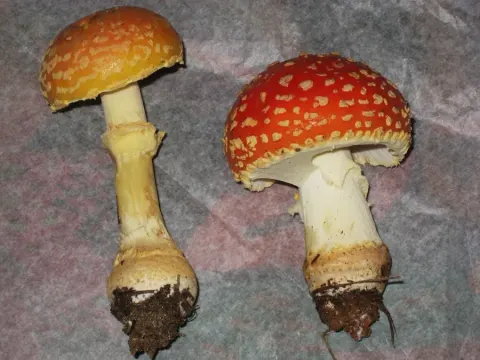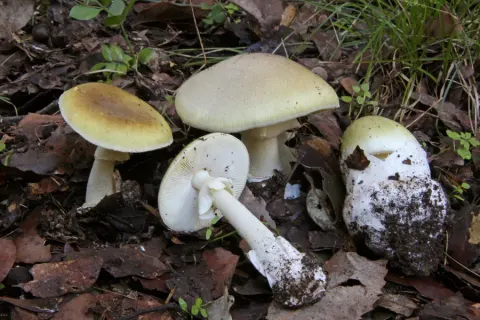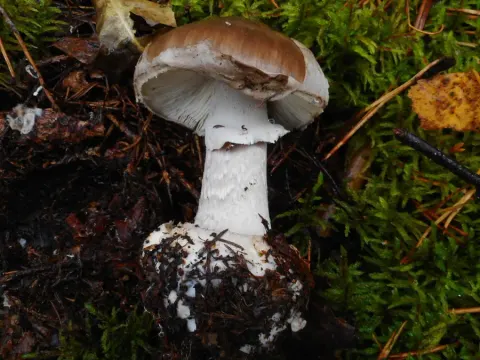
Ciri dan struktur
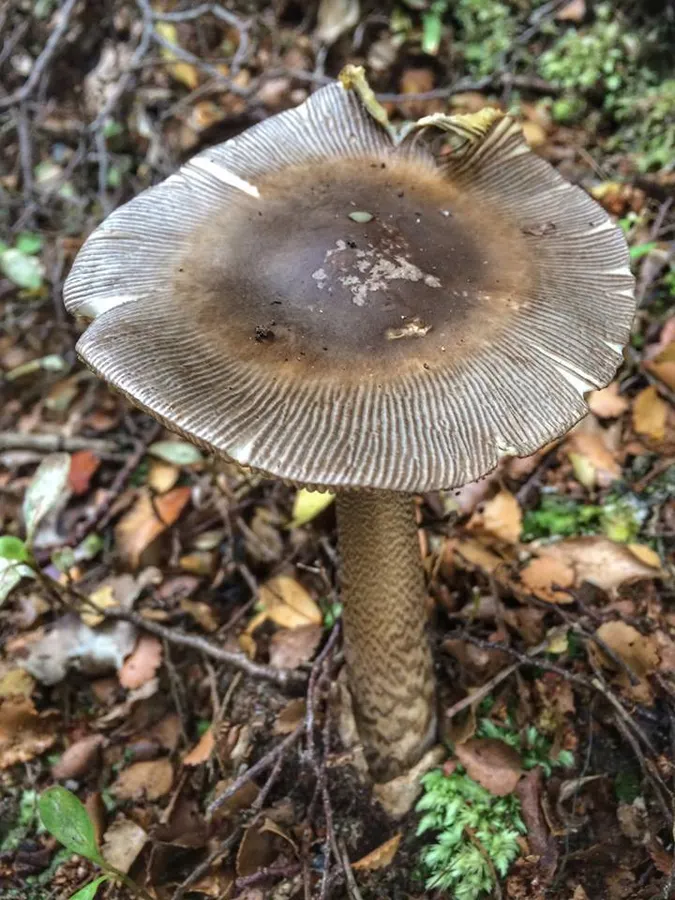
Ridley described Amanita pekeoides as a “typical member of the Vaginatae” due to the “non-bulbous stipe, saccate volva, and inamyloid basidiospores”. The pileus of A. pekeoides is described as being between 32-82 mm and convex in shape when immature, gradually becoming plano-convex then plano-depressed as the fruiting body matures. The margin of the pileus is sulcate, with the grooves being greyish sepia while the disc and ridges are hazel to dark greyish sepia, paling at the margin. The pileus is viscid when wet but dries quickly. The lamellae are crowded but free; usually 6–10 mm wide, pale buff to buff with a complete margin that is brown vinaceous to dark grey sepia, and truncated lamellulae. The stipe is typically 7-12 cm high, 7–10 mm in diameter, hollow, tapering apically, and the surface is white to pale greyish sepia, with hazel to greyish sepia striate bands, which become finer and more numerous towards the apex. A notable distinction of A. pekeoides from many other Amanita species is its lack of annulus. A. pekeoides exhibits a whitish to pale sepia or pale brown vinaceous, 30–58 mm volva which is often hidden under substrate. The volva starts out fleshy but becomes membranous with age, is saccate and usually bilabiate. Some Amanita pekeoides found only in the Nelson region of the South Island and Te Urewera National park in the North Island have a distinctly friable volva which leaves remnants on the pileus and stipe. It is yet to be determined whether this characteristic represents a different population entirely or simply indicates a lack of collection from other areas.
Habitat dan peran ekologis
A. pekeoides terjadi di North and Selatan Islands of Selandia Baru, dan terutama terkait dengan Nothofagus species.
- Habitat atau konteks temuan
- Informasi belum tersedia pada sumber rilis ini.
- Substrat
- Informasi belum tersedia pada sumber rilis ini.
- Peran atau konteks
- Belum dikategorikan pada rilis ini.
Reproduksi
Ridley described Amanita pekeoides as a “typical member of the Vaginatae” due to the “non-bulbous stipe, saccate volva, and inamyloid basidiospores”.
Catatan identitas dan cakupan
- Nama diterima mengikuti Catalogue of Life Base2026-09-11; uraian mempertahankan konsep dan nama sumber aslinya.
- Original geographic, specimen and life-cycle scope retained; source import awaits individual editorial review.
- Impor dan terjemahan otomatis belum diperiksa editorial per profil. Struktur reproduktif yang disebutkan tidak membuktikan seluruh siklus hidup diketahui.
- Pengukuran pada uraian mengikuti spesimen, kultur, dan metode sumber; angka tidak diperluas ke semua populasi.
Catatan distribusi dalam narasi mengikuti sumbernya. Dokumentasi spesimen atau foto mengikuti catatan sumber. Bukti wilayah Indonesia dan penilaian konservasi tidak disimpulkan dari gambar.
Melihat dengan konteks
Dokumentasi Amanita pekeoides menurut asosiasi foto pada record takson iNaturalist. Kredit: Leon Billows. Identitas mengikuti sumber; bukan penentuan spesimen independen.
- Jenis
- Fotografi
- Kredit
- no rights reserved, uploaded by Leon Billows
- Lisensi
- CC0 1.0
- Sumber media
- Buka entri sumber
Dokumentasi tambahan
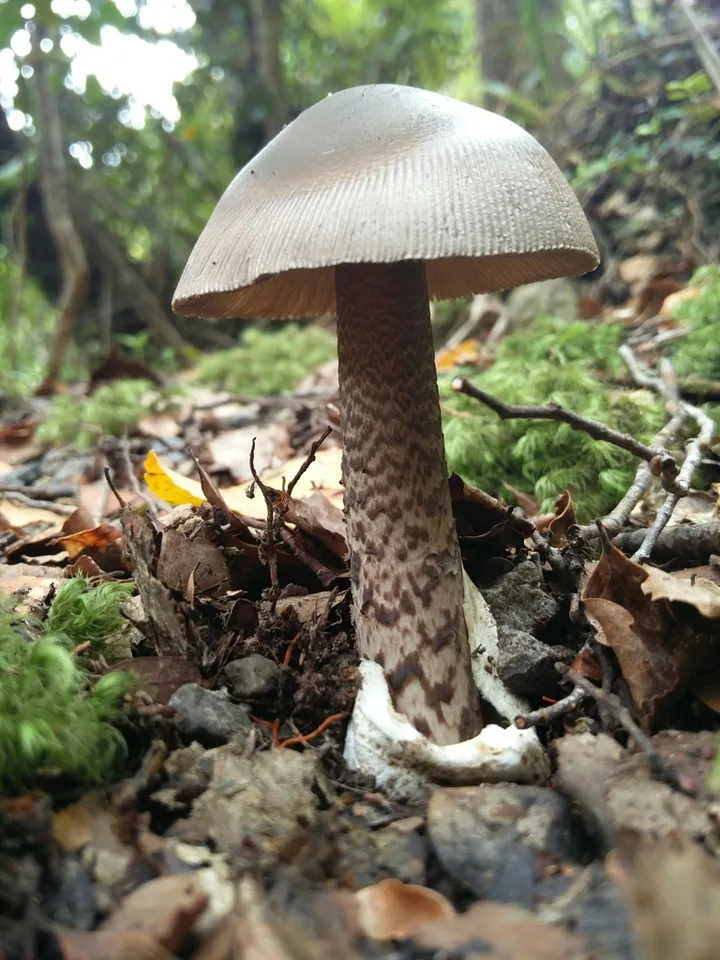
Foto yang diasosiasikan dengan Amanita pekeoides pada iNaturalist. Identifikasi mengikuti sumber; bukan penentuan spesimen independen.
Kredit dan penggunaan
(c) Clare Blencowe, some rights reserved (CC BY), uploaded by Clare Blencowe
Ukuran dan format gambar disesuaikan tanpa pemotongan, retus, atau penambahan skala. Lisensi sumber dipertahankan.
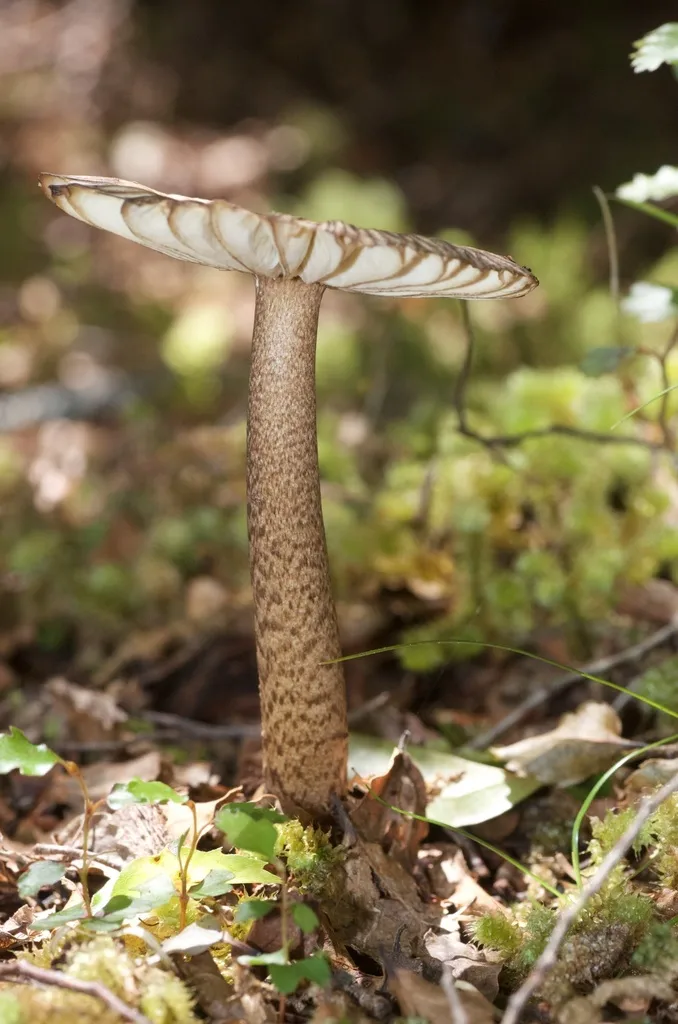
Foto yang diasosiasikan dengan Amanita pekeoides pada iNaturalist. Identifikasi mengikuti sumber; bukan penentuan spesimen independen.
Kredit dan penggunaan
(c) Jon Sullivan, some rights reserved (CC BY)
Ukuran dan format gambar disesuaikan tanpa pemotongan, retus, atau penambahan skala. Lisensi sumber dipertahankan.
Sumber profil
- [1] Amanita pekeoides — Wikipedia (en)
- [2] Catalogue of Life Base2026-09-11 — Amanita pekeoides
- [3] Dokumentasi visual — Amanita pekeoides
- [4] Dokumentasi visual — Amanita pekeoides
- [5] Dokumentasi visual — Amanita pekeoides
Rujukan halaman ini
Fungi. Amanita pekeoides. Rilis data fungi-2026-10-12-expansion-2. https://fungi-atlas.mgadib.chatgpt.site/jamur/amanita-pekeoides/.
Status: impor sumber; pemeriksaan editorial per profil belum selesai. Untuk klaim biologis, gunakan rujukan pada bagian terkait dan periksa konteks sumber aslinya.