Ciri dan struktur
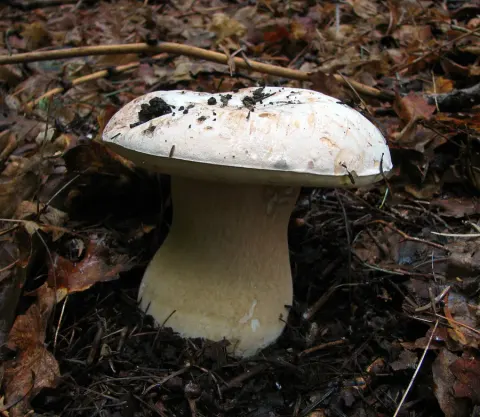
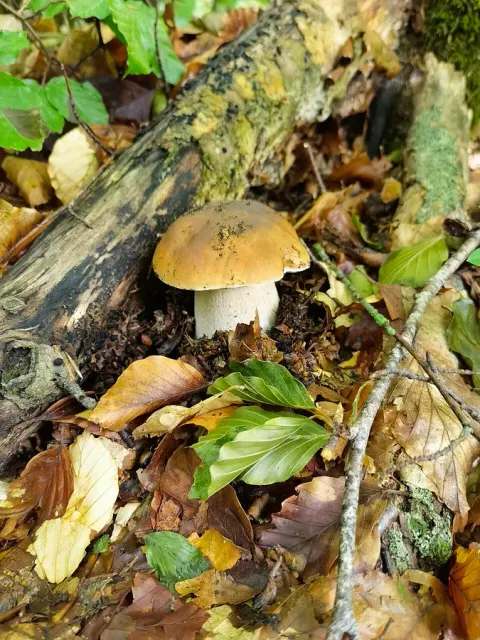
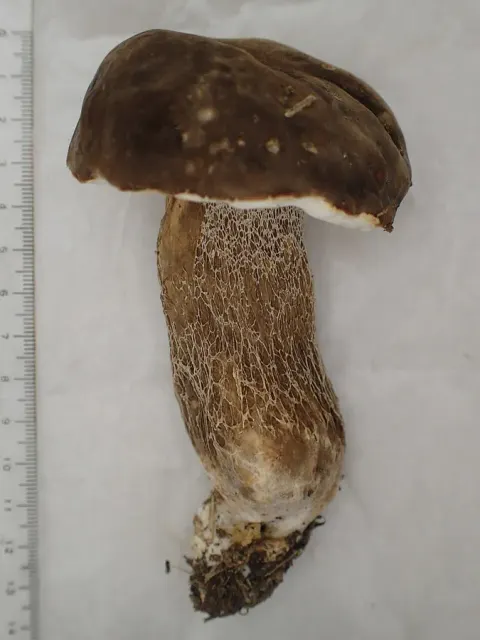
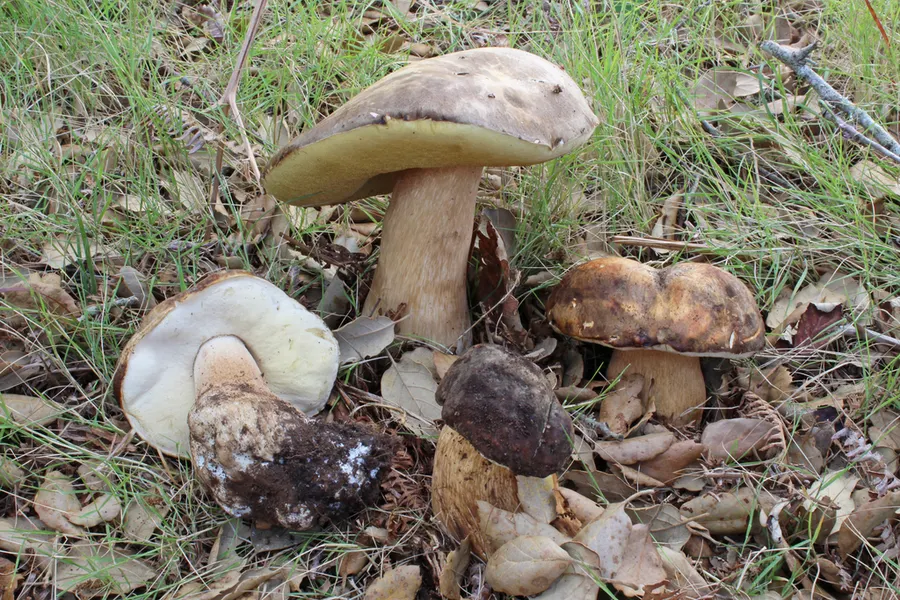
The cap is hemispherical to convex, reaching 15-20 cm in diameter, although specimens of 40 cm have been found in some cases. Slightly velvety, it is dark brown when young, greyish-brown, violet brown, or purple brown, often with copper, golden, or olivaceous patches. The stipe is 5-15 cm long and 2-5 cm thick, usually shorter than the cap diameter, initially barrel shaped but gradually becoming club shaped and tapering at the base. The stipe is white then brown, chestnut, or reddish brown in colour, covered in a brown or concolorous reticulation. As with other boletes, there are tubes rather than gills on the underside of the cap. The tube openings—known as pores—are small and rounded. Whitish when young, they slowly become yellowish or greenish yellow at maturity, and can turn wine coloured with bruising. The tubes themselves are initially white, later becoming yellowish or olivaceous. The thick flesh is white, exudes a robust and pleasant smell reminiscent of hazelnuts, and has a mild sweet taste. The spores are spindle shaped and measure 10.5–19 by 4–7 μm. The pileipellis is a trichodermium of interwoven septate hyphae, with long cylindrical cells.
Habitat dan peran ekologis
The distribution and abundance of Boletus aereus varies greatly. Found mainly in central and southern Europe as well as north Africa, this species is rare in colder climates such as England. It is classified as a vulnerable species in the Czech Republic and has been placed on a provisional Red List of endangered species of Montenegro. Nevertheless, the fungus can be locally abundant; it is the most common bolete in the woodlands of Madonie Regional Natural Park in northern Sicily. Boletus aereus has been reported from several other island ecosystems across the Mediterranean, such as Corsica, Cyprus, Lesvos, and Naxos. Mushrooms are mostly found during hot spells in summer and autumn, growing in mycorrhizal association with various broad-leaved trees and sclerophyllous shrubs, especially oak (Quercus), beech (Fagus), chestnut (Castanea), strawberry trees (Arbutus), treeheath (Erica), and rockrose (Cistus), showing a preference for acidic soils. Roadsides and parks are common habitats. The cork oak in particular is an important symbiont, and the distribution of B. aereus aligns with the tree across Europe and North Africa. The ectomycorrhizae that B. aereus forms with sweet chestnut (Castanea sativa) and downy oak (Quercus pubescens) have been described in detail.
- Habitat atau konteks temuan
- Informasi belum tersedia pada sumber rilis ini.
- Substrat
- Informasi belum tersedia pada sumber rilis ini.
- Peran atau konteks
- Mitra tumbuhan
Reproduksi
The spores are spindle shaped and measure 10.5–19 by 4–7 μm. The pileipellis is a trichodermium of interwoven septate hyphae, with long cylindrical cells.
Catatan identitas dan cakupan
- Nama diterima mengikuti Catalogue of Life Base2026-09-11; uraian mempertahankan konsep dan nama sumber aslinya.
- Original geographic, specimen and life-cycle scope retained; source import awaits individual editorial review.
- Impor dan terjemahan otomatis belum diperiksa editorial per profil. Struktur reproduktif yang disebutkan tidak membuktikan seluruh siklus hidup diketahui.
- Pengukuran pada uraian mengikuti spesimen, kultur, dan metode sumber; angka tidak diperluas ke semua populasi.
Catatan distribusi dalam narasi mengikuti sumbernya. Dokumentasi spesimen atau foto mengikuti catatan sumber. Bukti wilayah Indonesia dan penilaian konservasi tidak disimpulkan dari gambar.
Melihat dengan konteks
Dokumentasi Boletus aereus menurut asosiasi foto pada record takson iNaturalist. Kredit: Davide Puddu. Identitas mengikuti sumber; bukan penentuan spesimen independen.
- Jenis
- Fotografi
- Kredit
- (c) Davide Puddu, bazı hakları saklıdır (CC BY), yükleyen: Davide Puddu
- Lisensi
- CC BY 4.0
- Sumber media
- Buka entri sumber
Dokumentasi tambahan
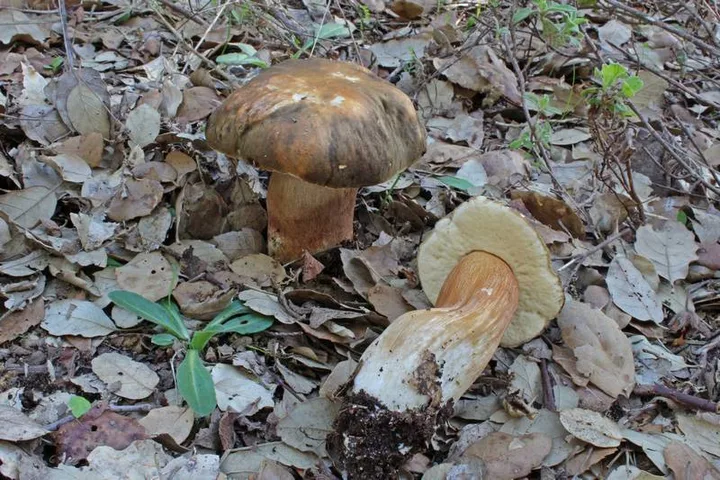
Foto yang diasosiasikan dengan Boletus aereus pada iNaturalist. Identifikasi mengikuti sumber; bukan penentuan spesimen independen.
Kredit dan penggunaan
(c) Davide Puddu, some rights reserved (CC BY), uploaded by Davide Puddu
Ukuran dan format gambar disesuaikan tanpa pemotongan, retus, atau penambahan skala. Lisensi sumber dipertahankan.
Sumber profil
- [1] Boletus aereus — Wikipedia (en)
- [2] Catalogue of Life Base2026-09-11 — Boletus aereus
- [3] Dokumentasi visual — Boletus aereus
- [4] Dokumentasi visual — Boletus aereus
Rujukan halaman ini
Fungi. Boletus aereus. Rilis data fungi-2026-10-12-expansion-2. https://fungi-atlas.mgadib.chatgpt.site/jamur/boletus-aereus/.
Status: impor sumber; pemeriksaan editorial per profil belum selesai. Untuk klaim biologis, gunakan rujukan pada bagian terkait dan periksa konteks sumber aslinya.