01 / Morfologi

Ciri dan struktur

Cetraria sepincola forms compact, cushion-like colonies that are typically 0.5 – 2 cm high. The thallus, or body, is mostly single-layered and erect, consisting of that are rounded and either flat or slightly grooved. These lobes branch out in a shallow, forked pattern. The upper surface of the thallus varies in colour, ranging from yellowish-green to reddish-brown or even dark brown, and it often has a wrinkled and glossy texture. The underside is lighter, transitioning from pale brown near the centre to almost white towards the edges, and it also has a wrinkled appearance. Sparse root-like structures called rhizines can be found on the lower surface, though they are few, and fine hair-like are rarely present. The lichen lacks soredia, which are powdery reproductive structures used for dispersal. One distinguishing feature is the presence of small, pale spots called pseudocyphellae, which are mainly concentrated near the edges of the reproductive structures (apothecia). The apothecia are common, occurring along the edges or at the tips of the lobes, and can reach up to 8 mm in diameter. They are disk-shaped and match the colour of the thallus. Microscopically, C. sepincola produces elliptical spores that measure 6–10 by 3–6 μm. Another feature is the presence of tiny black structures called pycnidia along the margins of the lobes; these are slightly raised and typically empty. The lichen's conidia (spores produced asexually) are shaped like dumbbells and measure 5–7 by 1 μm. Cetraria sepincola contains lichesterinic acid and protolichesterinic acid as characteristic secondary metabolites (lichen products).

Sebagian uraian ditampilkan dalam bahasa sumber; terjemahannya belum tersedia atau belum lolos pemeriksaan.

Rujukan: [1]

Pengukuran mengikuti objek, spesimen atau kultur, dan metode yang disebutkan sumber. Baca uraian asli untuk konteks lengkap.

02 / Kehidupan

Habitat dan peran ekologis

Cetraria sepincola has a primarily circumboreal distribution, though it also occurs in the Alps. The species is widespread throughout northern North America, particularly in the Pacific Northwest where it ranges from Alaska south to northern California and northwest Montana. Outside of North America, it has been documented as far south as Argentina. It is common in Fennoscandia and Iceland, but less frequent as the European distribution extends south. In the Polish Regional Red List, it has been placed in the endangered category. The species is uncommon in Arctic and temperate regions. It typically grows on tree twigs and shrubs in open areas, showing a particular affinity for bog environments. While primarily found on woody species like Betula, Sorbus, Salix, and Alnus, it can occasionally be found growing on dead wood (lignicolous) and rarely on rock surfaces (saxicolous). Unlike other epiphytic lichens in its range, C. sepincola shows no distinct vertical zonation in relation to snow cover, occurring both above and below snow levels. It is frequently found growing on small twigs and branches rather than main tree trunks. In south-west Germany, near the south-western margin of its Central European range, C. sepincola survives in small, fragmented populations in cool, open microhabitats such as bog margins, montane stone fields, and wooded meadows.

Sebagian uraian ditampilkan dalam bahasa sumber; terjemahannya belum tersedia atau belum lolos pemeriksaan.

Rujukan: [1]

Habitat atau konteks temuan
Informasi belum tersedia pada sumber rilis ini.
Substrat
kayu
Peran atau konteks
Pembentuk liken
Temukan hubungan serupa
03 / Siklus hidup

Reproduksi

The upper surface of the thallus varies in colour, ranging from yellowish-green to reddish-brown or even dark brown, and it often has a wrinkled and glossy texture. The underside is lighter, transitioning from pale brown near the centre to almost white towards the edges, and it also has a wrinkled appearance. Sparse root-like structures called rhizines can be found on the lower surface, though they are few, and fine hair-like are rarely present. The lichen lacks soredia, which are powdery reproductive structures used for dispersal. One distinguishing feature is the presence of small, pale spots called pseudocyphellae, which are mainly concentrated near the edges of the reproductive structures (apothecia).

Sebagian uraian ditampilkan dalam bahasa sumber; terjemahannya belum tersedia atau belum lolos pemeriksaan.

Rujukan: [1]

Sinonim menurut acuan taksonomi rilis: Cetraria chlorophylla var. ulophylla; Cetraria sepincola var. ulophylla; Cetraria ulophylla; Lichen sepincola; Lichen sepincola ulophylla; Lichen sepincola var. ulophyllum; Lichen sepincola var. ulophyllus; Lobaria sepincola; Parmelia olivacea f. polycarpa; Parmelia sepincola; Parmelia sepincola var. ulophylla; Physcia sepincola; Physcia sepincola var. ulophylla; Platisma sepincola; Platysma sepincola; Platysma sepincola var. ulophyllum; Platysma ulophyllum; Tuckermannopsis sepincola
04 / Batas informasi

Catatan identitas dan cakupan

  • Nama diterima mengikuti Catalogue of Life Base2026-09-11; uraian mempertahankan konsep dan nama sumber aslinya.
  • Original geographic, specimen and life-cycle scope retained; source import awaits individual editorial review.
  • Impor dan terjemahan otomatis belum diperiksa editorial per profil. Struktur reproduktif yang disebutkan tidak membuktikan seluruh siklus hidup diketahui.
  • Pengukuran pada uraian mengikuti spesimen, kultur, dan metode sumber; angka tidak diperluas ke semua populasi.

Catatan distribusi dalam narasi mengikuti sumbernya. Dokumentasi spesimen atau foto mengikuti catatan sumber. Bukti wilayah Indonesia dan penilaian konservasi tidak disimpulkan dari gambar.

05 / Dokumentasi

Melihat dengan konteks

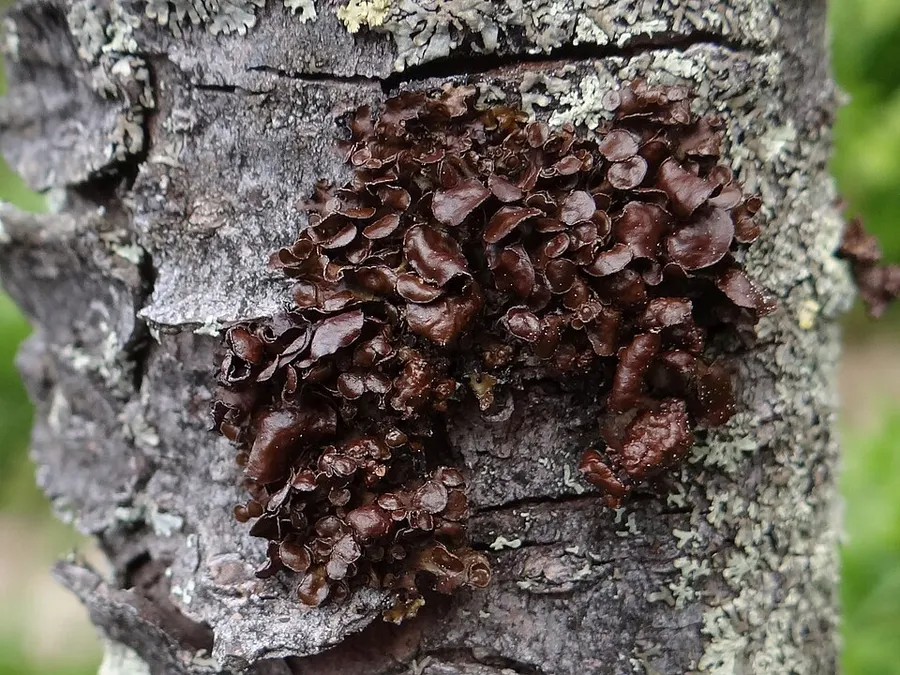
Dokumentasi Cetraria sepincola dari Wikimedia Commons. Cetraria sepincola on Pinus mugo (location: Slovakia, Nízke Tatry, Tanečnica) Identifikasi mengikuti record berkas sumber.

Jenis
Fotografi
Kredit
Jerzy Opioła
Sumber media
Buka entri sumber

Gambar menunjukkan objek menurut identifikasi sumber, bukan verifikasi independen spesimen oleh Fungi. Tidak ada skala baru yang ditambahkan.

06 / Rujukan

Sumber profil

  1. [1] Cetraria sepincola — Wikipedia (en)Bagian sumber: Frozen revision 1345363874
    Tanggal penghimpunan sumber: 2026-10-12
    Teks sumber: CC BY-SA4.0 · Wikipedia contributors
  2. [2] Catalogue of Life Base2026-09-11 — Cetraria sepincolaBagian sumber: ColDP NameUsage.tsv ID T757; accepted species; source 2073
    Tanggal penghimpunan sumber: 2026-10-12
  3. [3] Dokumentasi visual — Cetraria sepincolaBagian sumber: Individual media record; identification follows the source, not independent determination
    Tanggal penghimpunan sumber: 2026-10-12
    Media sumber: CC BY-SA 4.0 · Jerzy Opioła

Adaptasi teks: CC BY-SA 4.0. Wikipedia contributors — Cetraria sepincola — Wikipedia (en)

Uraian asli dan riwayat sumber

Riwayat atau halaman sumber

Ringkasan sumber

Cetraria sepincola, the chestnut wrinkle-lichen, is a species of foliose lichen in the family Parmeliaceae. It forms compact, cushion-like colonies typically 0.5 – 2 cm high, with a yellowish-green to dark brown upper surface and lighter underside. The species has a primarily circumboreal distribution and is widespread in northern regions, occurring from Alaska to northern California in North America and documented as far south as Argentina. While mainly found growing on woody species like Betula, Sorbus, Salix, and Alnus in bog environments and open areas, it can occasionally be found on dead wood and rarely on rock surfaces.

Revisi sumber

Morfologi sumber

Cetraria sepincola forms compact, cushion-like colonies that are typically 0.5 – 2 cm high. The thallus, or body, is mostly single-layered and erect, consisting of that are rounded and either flat or slightly grooved. These lobes branch out in a shallow, forked pattern. The upper surface of the thallus varies in colour, ranging from yellowish-green to reddish-brown or even dark brown, and it often has a wrinkled and glossy texture. The underside is lighter, transitioning from pale brown near the centre to almost white towards the edges, and it also has a wrinkled appearance. Sparse root-like structures called rhizines can be found on the lower surface, though they are few, and fine hair-like are rarely present. The lichen lacks soredia, which are powdery reproductive structures used for dispersal. One distinguishing feature is the presence of small, pale spots called pseudocyphellae, which are mainly concentrated near the edges of the reproductive structures (apothecia). The apothecia are common, occurring along the edges or at the tips of the lobes, and can reach up to 8 mm in diameter. They are disk-shaped and match the colour of the thallus. Microscopically, C. sepincola produces elliptical spores that measure 6–10 by 3–6 μm. Another feature is the presence of tiny black structures called pycnidia along the margins of the lobes; these are slightly raised and typically empty. The lichen's conidia (spores produced asexually) are shaped like dumbbells and measure 5–7 by 1 μm. Cetraria sepincola contains lichesterinic acid and protolichesterinic acid as characteristic secondary metabolites (lichen products).

Revisi sumber

Ekologi sumber

Cetraria sepincola has a primarily circumboreal distribution, though it also occurs in the Alps. The species is widespread throughout northern North America, particularly in the Pacific Northwest where it ranges from Alaska south to northern California and northwest Montana. Outside of North America, it has been documented as far south as Argentina. It is common in Fennoscandia and Iceland, but less frequent as the European distribution extends south. In the Polish Regional Red List, it has been placed in the endangered category. The species is uncommon in Arctic and temperate regions. It typically grows on tree twigs and shrubs in open areas, showing a particular affinity for bog environments. While primarily found on woody species like Betula, Sorbus, Salix, and Alnus, it can occasionally be found growing on dead wood (lignicolous) and rarely on rock surfaces (saxicolous). Unlike other epiphytic lichens in its range, C. sepincola shows no distinct vertical zonation in relation to snow cover, occurring both above and below snow levels. It is frequently found growing on small twigs and branches rather than main tree trunks. In south-west Germany, near the south-western margin of its Central European range, C. sepincola survives in small, fragmented populations in cool, open microhabitats such as bog margins, montane stone fields, and wooded meadows.

Revisi sumber

Struktur reproduksi sumber

The upper surface of the thallus varies in colour, ranging from yellowish-green to reddish-brown or even dark brown, and it often has a wrinkled and glossy texture. The underside is lighter, transitioning from pale brown near the centre to almost white towards the edges, and it also has a wrinkled appearance. Sparse root-like structures called rhizines can be found on the lower surface, though they are few, and fine hair-like are rarely present. The lichen lacks soredia, which are powdery reproductive structures used for dispersal. One distinguishing feature is the presence of small, pale spots called pseudocyphellae, which are mainly concentrated near the edges of the reproductive structures (apothecia).

Revisi sumber

Rujukan halaman ini

Fungi. Cetraria sepincola. Rilis data fungi-2026-10-12-expansion-2. https://fungi-atlas.mgadib.chatgpt.site/jamur/cetraria-sepincola/.

Status: impor sumber; pemeriksaan editorial per profil belum selesai. Untuk klaim biologis, gunakan rujukan pada bagian terkait dan periksa konteks sumber aslinya.