Ciri dan struktur
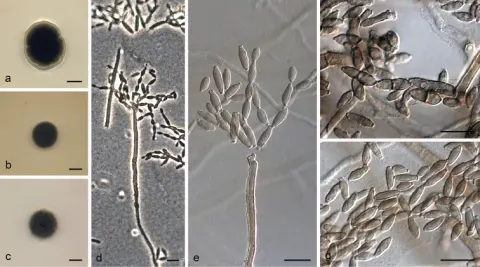
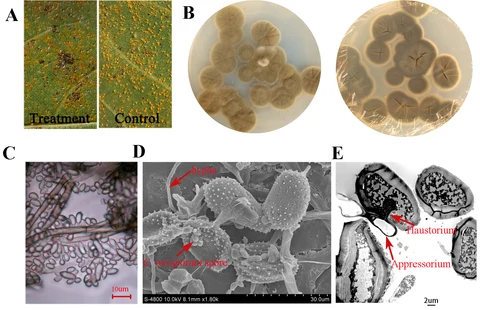
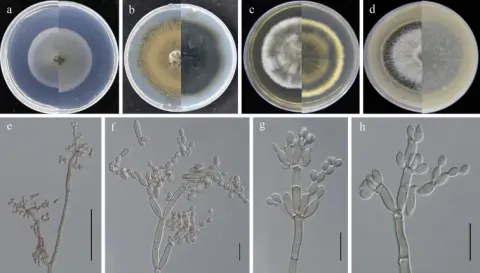
Spores produced by C. herbarum can be lemon-shaped or cone-shaped, often composed of 2-4 cells (3-23 mm). One-celled conidia (5.5-13 x 3.8-6 μm) also exist. In culture, newly-formed spores appear mostly 1-celled, later forming tree-like colonies with multiple branches. The stalks which produce C. herbarum spores are 250 μm long and 3-6 μm wide. They appear swollen at the tip and in between cells, and have irregularly bent branches. Under microscopy, these stalks appear pale or dark brown in color and have smooth or rough walls. When submerged in fluid, they become brittle and break up completely into spores and rod-like fragments. Colonies grown on Czapek yeast extract agar (CYA) and malt extract agar (MEA) appear velvety or fluffy, with smooth or slightly wrinkled walls, and are green or brown in color. The reverse side of the colony appears a darker green or grey/black. Colonies can appear both sparse or densely grown. At 5 C, colonies are 1-2 mm in diameter.
Habitat dan peran ekologis
This species is distributed worldwide, inhabiting polar, temperate, mediterranean, subtropical, tropical, forest, grassland, and arable soil regions. It is found frequently in wood exposed to soil, deep soil depths, and the highly nutritious soil directly surrounding the roots of plants (rhizosphere). It is one of the early colonizers on dying and dead plants (saprobe), especially the leaves and stems of both aquatic and desert plant species (for example ferns and mosses). It is the most common fungal species found on living leaves (given suitable conditions) and dead plant material in very moist environments. It also has an adaptation to high salt concentrations (has been found in high salinity sediments) and extremely dry areas (xerophilic). Cladosporium herbarum causes spoilage of fresh fruits and vegetables including yams, peaches, nectarines, apricots, plums, cherries, tomatoes, and melons. Its common occurrence on fresh apples can lead to contamination of apple juice and fruit based products. It has also been found in eggs, hazelnuts, cereals, chickpeas, soybeans, and frozen fruit pastries. Cladosporium herbarum can also spoil cheese and pasteurized soft cheese, causing problems during its manufacturing.
- Habitat atau konteks temuan
- hutan; padang rumput
- Substrat
- Informasi belum tersedia pada sumber rilis ini.
- Peran atau konteks
- Belum dikategorikan pada rilis ini.
Reproduksi
Spores produced by C. herbarum can be lemon-shaped or cone-shaped, often composed of 2-4 cells (3-23 mm). One-celled conidia (5.5-13 x 3.8-6 μm) also exist. In culture, newly-formed spores appear mostly 1-celled, later forming tree-like colonies with multiple branches. The stalks which produce C. herbarum spores are 250 μm long and 3-6 μm wide. They appear swollen at the tip and in between cells, and have irregularly bent branches. Under microscopy, these stalks appear pale or dark brown in color and have smooth or rough walls. When submerged in fluid, they become brittle and break up completely into spores and rod-like fragments. Colonies grown on Czapek yeast extract agar (CYA) and malt extract agar (MEA) appear velvety or fluffy, with smooth or slightly wrinkled walls, and are green or brown in color.
Catatan identitas dan cakupan
- Nama diterima mengikuti Catalogue of Life Base2026-09-11; uraian mempertahankan konsep dan nama sumber aslinya.
- Original geographic, specimen and life-cycle scope retained; source import awaits individual editorial review.
- Impor dan terjemahan otomatis belum diperiksa editorial per profil. Struktur reproduktif yang disebutkan tidak membuktikan seluruh siklus hidup diketahui.
- Pengukuran pada uraian mengikuti spesimen, kultur, dan metode sumber; angka tidak diperluas ke semua populasi.
Catatan distribusi dalam narasi mengikuti sumbernya. Dokumentasi spesimen atau foto mengikuti catatan sumber. Bukti wilayah Indonesia dan penilaian konservasi tidak disimpulkan dari gambar.
Melihat dengan konteks
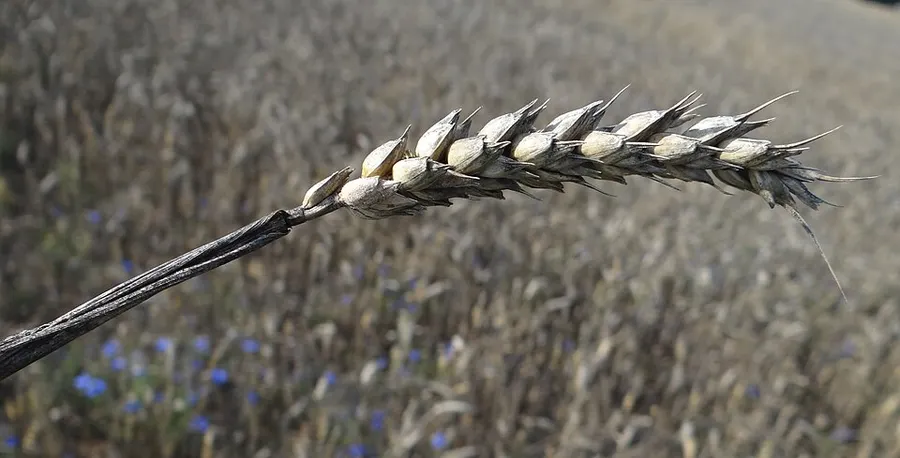
Dokumentasi Cladosporium herbarum dari Wikimedia Commons. Disease of Triticum vulgare . ( Cladosporium , Alternaria , Epicoccum ) Identifikasi mengikuti record berkas sumber.
- Jenis
- Fotografi
- Kredit
- Jerzy Opioła
- Lisensi
- CC BY-SA 4.0
- Sumber media
- Buka entri sumber
Sumber profil
- [1] Cladosporium herbarum — Wikipedia (en)
- [2] Catalogue of Life Base2026-09-11 — Cladosporium herbarum
- [3] Dokumentasi visual — Cladosporium herbarum
Rujukan halaman ini
Fungi. Cladosporium herbarum. Rilis data fungi-2026-10-12-expansion-2. https://fungi-atlas.mgadib.chatgpt.site/jamur/cladosporium-herbarum/.
Status: impor sumber; pemeriksaan editorial per profil belum selesai. Untuk klaim biologis, gunakan rujukan pada bagian terkait dan periksa konteks sumber aslinya.