Ciri dan struktur
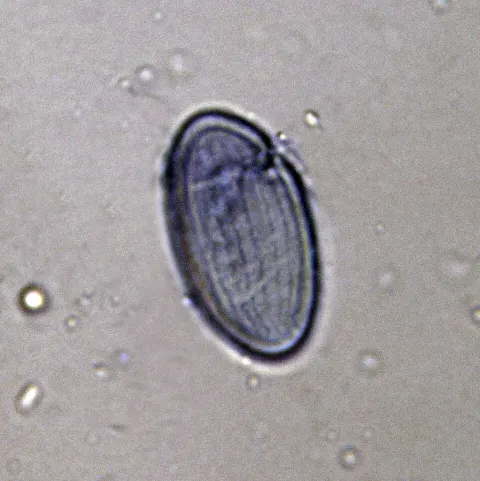
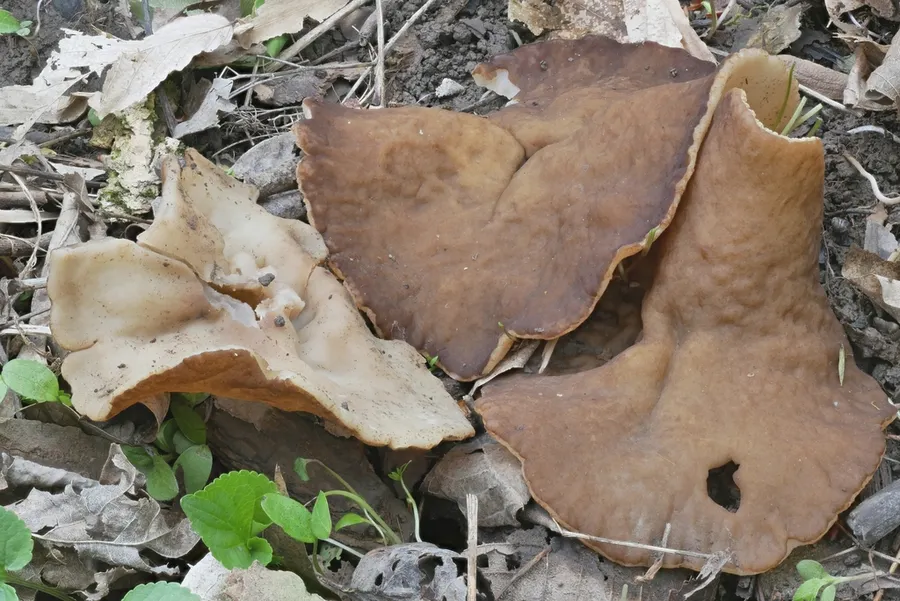
Fruit bodies produced by this fungus are cup- or disc-shaped, up to 20 cm wide. The interior surface of the cup, the hymenium, is dark brown. It tends to become folded into vein-like markings with age, hence the specific epithet venosa. The exterior surface is a whitish color, covered with pustules. There is a short stipe that anchors the cup to the ground. Although young fruiting bodies are cup-shaped, when they are 7 to 8 cm in diameter, the apothecia split and flatten down to lie in the soil. They are very brittle. The fruit bodies have been estimated to have a lifespan of up to 12 weeks. The flesh of the fungus has a bleach-like odor when it is broken. The spore are elliptical and smooth, with dimensions of 21–24 by 12–14 μm. The asci (spore-bearing cells), are 370–400 by 18–20 μm, while the paraphyses are stout and club-shaped, with tips up to 12 μm wide.
Habitat dan peran ekologis
D. venosa ditemukan di Amerika Utara (antara April and Juni, terutama dari Lower Midwest to New York) dan Eropa (termasuk Bulgaria, Swedia, Spanyol, dan Wales). Hal ini juga terjadi di Turki, di mana ia dianggap sangat terancam punah. The fungus is typically found growing on the ground among mossy or needle-covered soil around conifers; they are often difficult to notice because their brown color typically blends into the background. They have telah dicatat lebih memilih tumbuh di tepi atau lereng daripada di daerah datar. Spesies ini juga disebut sebagai "butir salju" karena tubuh buah biasanya muncul di sekitar tepi snowbanks yang meleleh. In Europe, the fungus typically fruits from March to May.
- Habitat atau konteks temuan
- Informasi belum tersedia pada sumber rilis ini.
- Substrat
- tanah
- Peran atau konteks
- Belum dikategorikan pada rilis ini.
Reproduksi
The spore are elliptical and smooth, with dimensions of 21–24 by 12–14 μm. The asci (spore-bearing cells), are 370–400 by 18–20 μm, while the paraphyses are stout and club-shaped, with tips up to 12 μm wide.
Catatan identitas dan cakupan
- Nama diterima mengikuti Catalogue of Life Base2026-09-11; uraian mempertahankan konsep dan nama sumber aslinya.
- Original geographic, specimen and life-cycle scope retained; source import awaits individual editorial review.
- Impor dan terjemahan otomatis belum diperiksa editorial per profil. Struktur reproduktif yang disebutkan tidak membuktikan seluruh siklus hidup diketahui.
- Pengukuran pada uraian mengikuti spesimen, kultur, dan metode sumber; angka tidak diperluas ke semua populasi.
Catatan distribusi dalam narasi mengikuti sumbernya. Dokumentasi spesimen atau foto mengikuti catatan sumber. Bukti wilayah Indonesia dan penilaian konservasi tidak disimpulkan dari gambar.
Melihat dengan konteks
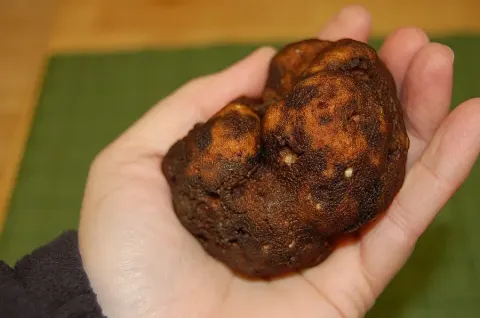
Dokumentasi Disciotis venosa menurut asosiasi foto pada record takson iNaturalist. Kredit: Garrett Taylor. Identitas mengikuti sumber; bukan penentuan spesimen independen.
- Jenis
- Fotografi
- Kredit
- no rights reserved, uploaded by Garrett Taylor
- Lisensi
- CC0 1.0
- Sumber media
- Buka entri sumber
Dokumentasi tambahan
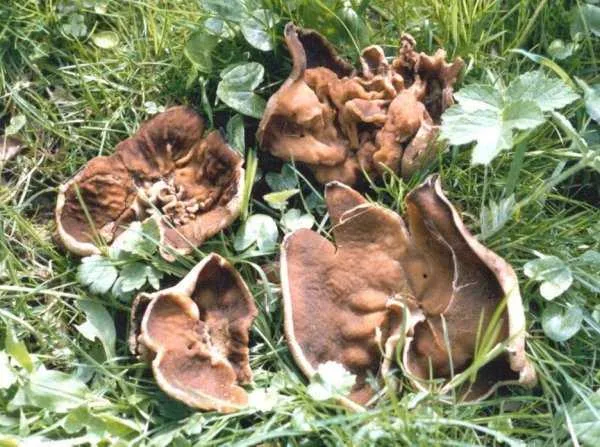
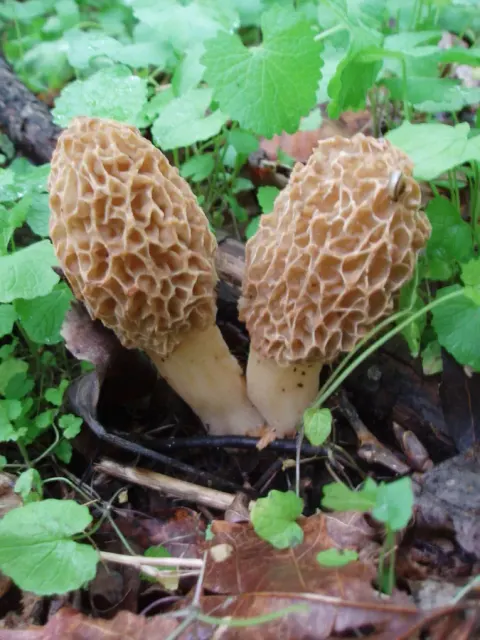
Foto yang diasosiasikan dengan Disciotis venosa pada iNaturalist. Identifikasi mengikuti sumber; bukan penentuan spesimen independen.
Kredit dan penggunaan
(c) Jerry Cooper, some rights reserved (CC BY), uploaded by Jerry Cooper
Ukuran dan format gambar disesuaikan tanpa pemotongan, retus, atau penambahan skala. Lisensi sumber dipertahankan.
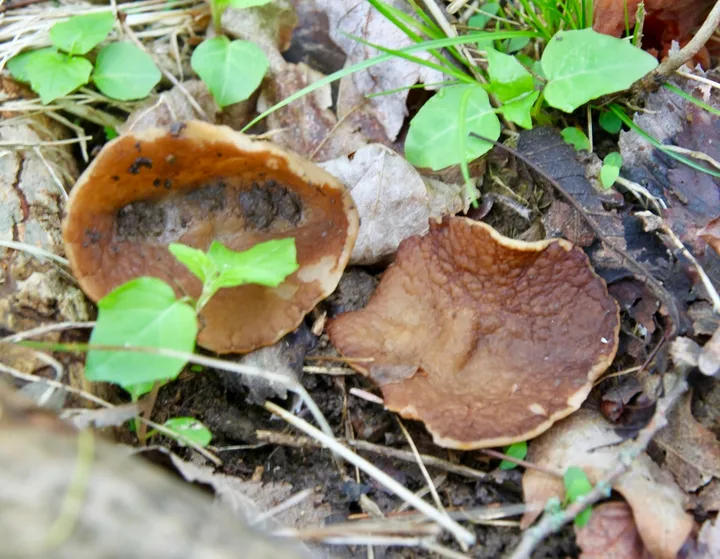
Foto yang diasosiasikan dengan Disciotis venosa pada iNaturalist. Identifikasi mengikuti sumber; bukan penentuan spesimen independen.
Kredit dan penggunaan
(c) Fluff Berger, some rights reserved (CC BY-SA), uploaded by Fluff Berger
Ukuran dan format gambar disesuaikan tanpa pemotongan, retus, atau penambahan skala. Lisensi sumber dipertahankan.
Sumber profil
- [1] Disciotis venosa — Wikipedia (en)
- [2] Catalogue of Life Base2026-09-11 — Disciotis venosa
- [3] Dokumentasi visual — Disciotis venosa
- [4] Dokumentasi visual — Disciotis venosa
- [5] Dokumentasi visual — Disciotis venosa
Rujukan halaman ini
Fungi. Disciotis venosa. Rilis data fungi-2026-10-12-expansion-2. https://fungi-atlas.mgadib.chatgpt.site/jamur/disciotis-venosa/.
Status: impor sumber; pemeriksaan editorial per profil belum selesai. Untuk klaim biologis, gunakan rujukan pada bagian terkait dan periksa konteks sumber aslinya.