01 / Morfologi

Ciri dan struktur

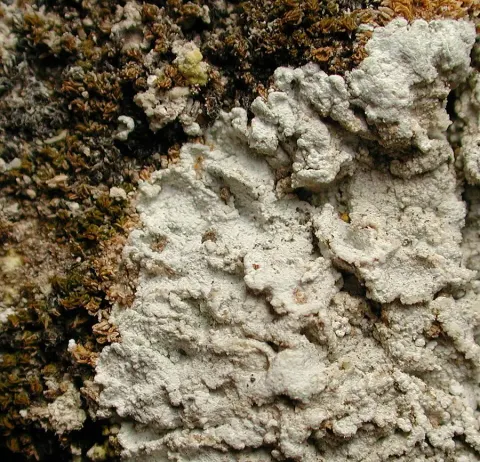
Lepraria friabilis forms a leprose, powdery thallus. The margin is diffuse, without . The medulla is absent, while the is present but thin, colourless, and inconspicuous. The soredia are sparse to abundant and very fine, measuring 10–30 μm in diameter, with projecting hyphae that are usually present but short. (aggregations of soredia) are present, measuring up to 60 μm. The species has two chemical variants: one containing fumarprotocetraric acid with minor amounts of protocetraric, succinprotocetraric and confumarprotocetraric acids, and another containing only fumarprotocetraric acid. Spot tests show K−, C−, KC−, and Pd+ (orange or red).

Sebagian uraian ditampilkan dalam bahasa sumber; terjemahannya belum tersedia atau belum lolos pemeriksaan.

Rujukan: [1]

Pengukuran mengikuti objek, spesimen atau kultur, dan metode yang disebutkan sumber. Baca uraian asli untuk konteks lengkap.

02 / Kehidupan

Habitat dan peran ekologis

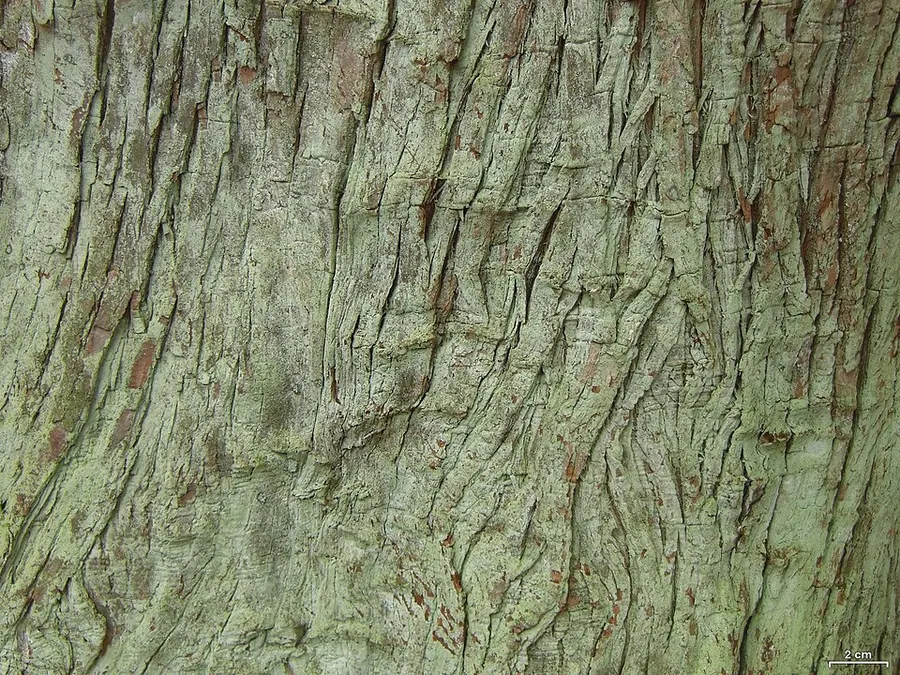
Lepraria friabilis has a disjunct distribution in the United States, occurring primarily in the Atlantic coastal plain and piedmont of the southeast, with isolated populations in southern California's peninsular ranges, specifically the Palomar and Cuyamaca Mountains. The species shows a strong habitat specificity, being confined to humid environments such as swamps, stream valleys, and sheltered north-facing slopes at higher elevations. It has a strict substrate preference, growing exclusively as an epiphyte on coniferous trees, particularly species of Pinus, Pseudotsuga, and Taxodium. Despite the presence of apparently suitable environmental conditions, the species has not been documented on either hardwood bark or rock substrates.

Sebagian uraian ditampilkan dalam bahasa sumber; terjemahannya belum tersedia atau belum lolos pemeriksaan.

Rujukan: [1]

Habitat atau konteks temuan
Informasi belum tersedia pada sumber rilis ini.
Substrat
Informasi belum tersedia pada sumber rilis ini.
Peran atau konteks
Pembentuk liken
Temukan hubungan serupa
03 / Siklus hidup

Reproduksi

Lepraria friabilis forms a leprose, powdery thallus. The margin is diffuse, without . The medulla is absent, while the is present but thin, colourless, and inconspicuous. The soredia are sparse to abundant and very fine, measuring 10–30 μm in diameter, with projecting hyphae that are usually present but short. (aggregations of soredia) are present, measuring up to 60 μm. The species has two chemical variants: one containing fumarprotocetraric acid with minor amounts of protocetraric, succinprotocetraric and confumarprotocetraric acids, and another containing only fumarprotocetraric acid. Spot tests show K−, C−, KC−, and Pd+ (orange or red).

Sebagian uraian ditampilkan dalam bahasa sumber; terjemahannya belum tersedia atau belum lolos pemeriksaan.

Rujukan: [1]

04 / Batas informasi

Catatan identitas dan cakupan

  • Nama diterima mengikuti Catalogue of Life Base2026-09-11; uraian mempertahankan konsep dan nama sumber aslinya.
  • Original geographic, specimen and life-cycle scope retained; source import awaits individual editorial review.
  • Impor dan terjemahan otomatis belum diperiksa editorial per profil. Struktur reproduktif yang disebutkan tidak membuktikan seluruh siklus hidup diketahui.
  • Pengukuran pada uraian mengikuti spesimen, kultur, dan metode sumber; angka tidak diperluas ke semua populasi.

Catatan distribusi dalam narasi mengikuti sumbernya. Dokumentasi spesimen atau foto mengikuti catatan sumber. Bukti wilayah Indonesia dan penilaian konservasi tidak disimpulkan dari gambar.

05 / Dokumentasi

Melihat dengan konteks

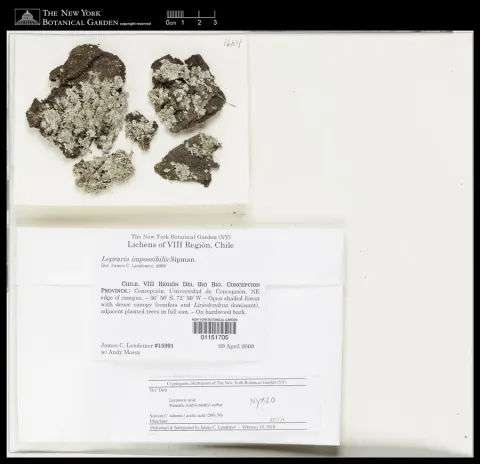
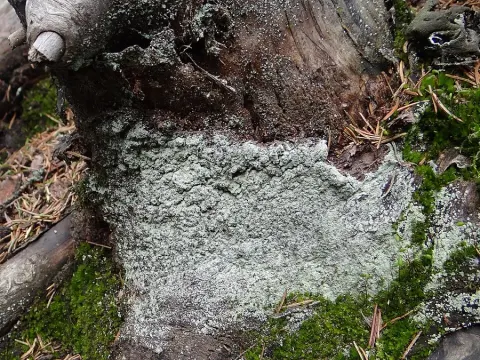
Dokumentasi Lepraria friabilis dari Wikimedia Commons. Cordery House, Delmarva, MD, 20140315 ver. J. Lendemer 6065, at NY Identifikasi mengikuti record berkas sumber.

Jenis
Fotografi
Kredit
Jason Hollinger
Lisensi
CC BY 2.0
Sumber media
Buka entri sumber

Gambar menunjukkan objek menurut identifikasi sumber, bukan verifikasi independen spesimen oleh Fungi. Tidak ada skala baru yang ditambahkan.

06 / Rujukan

Sumber profil

  1. [1] Lepraria friabilis — Wikipedia (en)Bagian sumber: Frozen revision 1378834427
    Tanggal penghimpunan sumber: 2026-10-12
    Teks sumber: CC BY-SA4.0 · Wikipedia contributors
  2. [2] Catalogue of Life Base2026-09-11 — Lepraria friabilisBagian sumber: ColDP NameUsage.tsv ID 3TGGM; accepted species; source 2073
    Tanggal penghimpunan sumber: 2026-10-12
  3. [3] Dokumentasi visual — Lepraria friabilisBagian sumber: Individual media record; identification follows the source, not independent determination
    Tanggal penghimpunan sumber: 2026-10-12
    Media sumber: CC BY 2.0 · Jason Hollinger

Adaptasi teks: CC BY-SA 4.0. Wikipedia contributors — Lepraria friabilis — Wikipedia (en)

Uraian asli dan riwayat sumber

Riwayat atau halaman sumber

Ringkasan sumber

Lepraria friabilis is a species of leprose lichen in the family Stereocaulaceae. It has a disjunct distribution in the southeastern United States and southern California, where it grows exclusively on coniferous bark in humid environments such as swamps and stream valleys.

Revisi sumber

Morfologi sumber

Lepraria friabilis forms a leprose, powdery thallus. The margin is diffuse, without . The medulla is absent, while the is present but thin, colourless, and inconspicuous. The soredia are sparse to abundant and very fine, measuring 10–30 μm in diameter, with projecting hyphae that are usually present but short. (aggregations of soredia) are present, measuring up to 60 μm. The species has two chemical variants: one containing fumarprotocetraric acid with minor amounts of protocetraric, succinprotocetraric and confumarprotocetraric acids, and another containing only fumarprotocetraric acid. Spot tests show K−, C−, KC−, and Pd+ (orange or red).

Revisi sumber

Ekologi sumber

Lepraria friabilis has a disjunct distribution in the United States, occurring primarily in the Atlantic coastal plain and piedmont of the southeast, with isolated populations in southern California's peninsular ranges, specifically the Palomar and Cuyamaca Mountains. The species shows a strong habitat specificity, being confined to humid environments such as swamps, stream valleys, and sheltered north-facing slopes at higher elevations. It has a strict substrate preference, growing exclusively as an epiphyte on coniferous trees, particularly species of Pinus, Pseudotsuga, and Taxodium. Despite the presence of apparently suitable environmental conditions, the species has not been documented on either hardwood bark or rock substrates.

Revisi sumber

Struktur reproduksi sumber

Lepraria friabilis forms a leprose, powdery thallus. The margin is diffuse, without . The medulla is absent, while the is present but thin, colourless, and inconspicuous. The soredia are sparse to abundant and very fine, measuring 10–30 μm in diameter, with projecting hyphae that are usually present but short. (aggregations of soredia) are present, measuring up to 60 μm. The species has two chemical variants: one containing fumarprotocetraric acid with minor amounts of protocetraric, succinprotocetraric and confumarprotocetraric acids, and another containing only fumarprotocetraric acid. Spot tests show K−, C−, KC−, and Pd+ (orange or red).

Revisi sumber

Rujukan halaman ini

Fungi. Lepraria friabilis. Rilis data fungi-2026-10-12-expansion-2. https://fungi-atlas.mgadib.chatgpt.site/jamur/lepraria-friabilis/.

Status: impor sumber; pemeriksaan editorial per profil belum selesai. Untuk klaim biologis, gunakan rujukan pada bagian terkait dan periksa konteks sumber aslinya.