01 / Morfologi

Ciri dan struktur

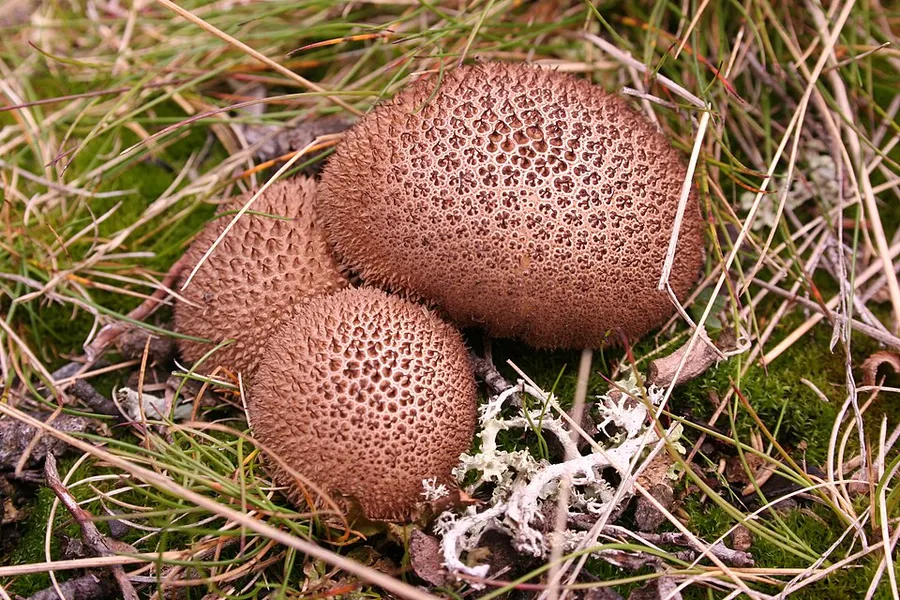
This species has a fruit body that is shaped like a top, with a short, partly buried stipe. It is 2 to 5 cm tall and 1 to 4 cm broad. It is approximately the size of a golf ball but may grow to be as big as a tennis ball. Lycoperdon umbrinum is very similar to Lycoperdon molle. Key differences include that the spines on L. umbrinum are sparser and that the spores of L. molle are much larger. The spores of L. umbrinum are spherical and either smooth or ornamented with spines. In the KOH test, the spores appear olive-yellow.

Sebagian uraian ditampilkan dalam bahasa sumber; terjemahannya belum tersedia atau belum lolos pemeriksaan.

Rujukan: [1]

Pengukuran mengikuti objek, spesimen atau kultur, dan metode yang disebutkan sumber. Baca uraian asli untuk konteks lengkap.

02 / Kehidupan

Habitat dan peran ekologis

This fungus is saprophytic, commonly growing in forests and under conifers. It has been observed growing by itself, dispersed, or many together. Interestingly, Lycoperdon umbrinum likely has a mycorrhizal relationship with Pinus patula. One study investigated this relationship and found these species were often growing near each other. Additionally, there were development of branched and finger-like mycorrhizae underneath the L. umbrinum fruiting bodies. This study was done in South Africa where it is common that coniferous plants grown on large scale have this mutualism (and L. umbrinum is one of them).

Sebagian uraian ditampilkan dalam bahasa sumber; terjemahannya belum tersedia atau belum lolos pemeriksaan.

Rujukan: [1]

Habitat atau konteks temuan
hutan
Substrat
Informasi belum tersedia pada sumber rilis ini.
Peran atau konteks
Mitra tumbuhan
Temukan hubungan serupa
03 / Siklus hidup

Reproduksi

This species has a fruit body that is shaped like a top, with a short, partly buried stipe. It is 2 to 5 cm tall and 1 to 4 cm broad. It is approximately the size of a golf ball but may grow to be as big as a tennis ball. Lycoperdon umbrinum is very similar to Lycoperdon molle. Key differences include that the spines on L. umbrinum are sparser and that the spores of L. molle are much larger. The spores of L. umbrinum are spherical and either smooth or ornamented with spines. In the KOH test, the spores appear olive-yellow.

Sebagian uraian ditampilkan dalam bahasa sumber; terjemahannya belum tersedia atau belum lolos pemeriksaan.

Rujukan: [1]

Sinonim menurut acuan taksonomi rilis: Lycoperdon hirtum; Lycoperdon hirtum var. curtisiiforme; Lycoperdon turbinatum var. hirtum; Lycoperdon umbrinum f. fissispinum; Lycoperdon umbrinum hirtum; Lycoperdon umbrinum var. curtisiiforme; Lycoperdon umbrinum var. hirsutum
04 / Batas informasi

Catatan identitas dan cakupan

  • Nama diterima mengikuti Catalogue of Life Base2026-09-11; uraian mempertahankan konsep dan nama sumber aslinya.
  • Original geographic, specimen and life-cycle scope retained; source import awaits individual editorial review.
  • Impor dan terjemahan otomatis belum diperiksa editorial per profil. Struktur reproduktif yang disebutkan tidak membuktikan seluruh siklus hidup diketahui.
  • Pengukuran pada uraian mengikuti spesimen, kultur, dan metode sumber; angka tidak diperluas ke semua populasi.

Catatan distribusi dalam narasi mengikuti sumbernya. Dokumentasi spesimen atau foto mengikuti catatan sumber. Bukti wilayah Indonesia dan penilaian konservasi tidak disimpulkan dari gambar.

05 / Dokumentasi

Melihat dengan konteks

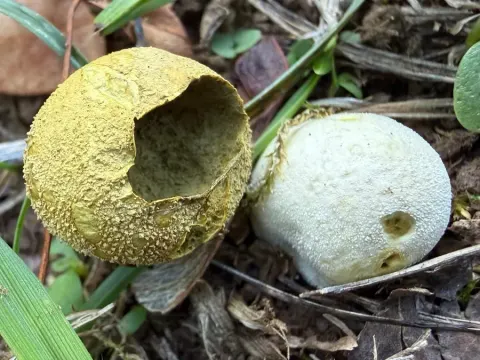
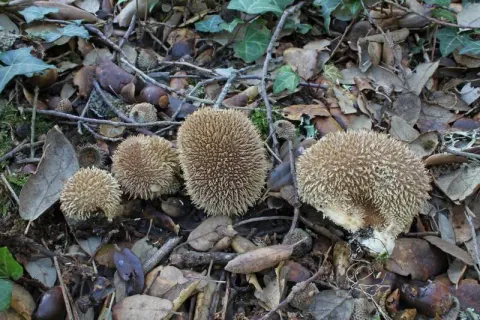
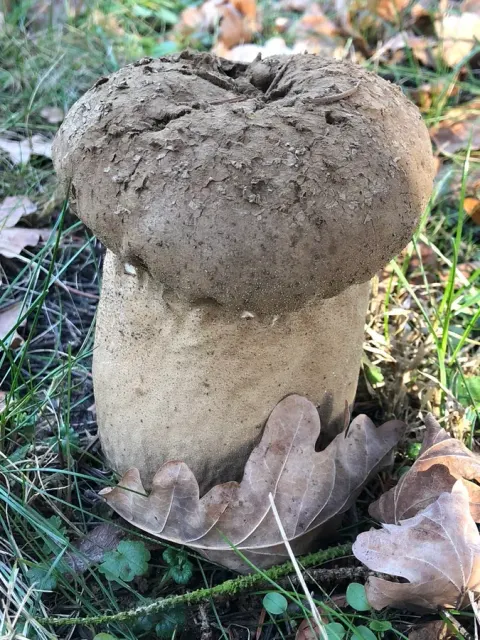
Dokumentasi Lycoperdon umbrinum dari Wikimedia Commons. Lycoperdon umbrinum , Gala, Norway Identifikasi mengikuti record berkas sumber.

Jenis
Fotografi
Kredit
MichaelMaggs
Sumber media
Buka entri sumber

Gambar menunjukkan objek menurut identifikasi sumber, bukan verifikasi independen spesimen oleh Fungi. Tidak ada skala baru yang ditambahkan.

06 / Rujukan

Sumber profil

  1. [1] Lycoperdon umbrinum — Wikipedia (en)Bagian sumber: Frozen revision 1307760626
    Tanggal penghimpunan sumber: 2026-10-12
    Teks sumber: CC BY-SA4.0 · Wikipedia contributors
  2. [2] Catalogue of Life Base2026-09-11 — Lycoperdon umbrinumBagian sumber: ColDP NameUsage.tsv ID 3WLN6; accepted species; source 2073
    Tanggal penghimpunan sumber: 2026-10-12
  3. [3] Dokumentasi visual — Lycoperdon umbrinumBagian sumber: Individual media record; identification follows the source, not independent determination
    Tanggal penghimpunan sumber: 2026-10-12
    Media sumber: CC BY-SA 2.5 · MichaelMaggs

Adaptasi teks: CC BY-SA 4.0. Wikipedia contributors — Lycoperdon umbrinum — Wikipedia (en)

Uraian asli dan riwayat sumber

Riwayat atau halaman sumber

Ringkasan sumber

Lycoperdon umbrinum, commonly known as the umber-brown puffball, is a type of Puffball mushroom in the genus Lycoperdon. It is a saprophyte, and grows mainly in coniferous forests. It is found in China, and North America.

Revisi sumber

Morfologi sumber

This species has a fruit body that is shaped like a top, with a short, partly buried stipe. It is 2 to 5 cm tall and 1 to 4 cm broad. It is approximately the size of a golf ball but may grow to be as big as a tennis ball. Lycoperdon umbrinum is very similar to Lycoperdon molle. Key differences include that the spines on L. umbrinum are sparser and that the spores of L. molle are much larger. The spores of L. umbrinum are spherical and either smooth or ornamented with spines. In the KOH test, the spores appear olive-yellow.

Revisi sumber

Ekologi sumber

This fungus is saprophytic, commonly growing in forests and under conifers. It has been observed growing by itself, dispersed, or many together. Interestingly, Lycoperdon umbrinum likely has a mycorrhizal relationship with Pinus patula. One study investigated this relationship and found these species were often growing near each other. Additionally, there were development of branched and finger-like mycorrhizae underneath the L. umbrinum fruiting bodies. This study was done in South Africa where it is common that coniferous plants grown on large scale have this mutualism (and L. umbrinum is one of them).

Revisi sumber

Struktur reproduksi sumber

This species has a fruit body that is shaped like a top, with a short, partly buried stipe. It is 2 to 5 cm tall and 1 to 4 cm broad. It is approximately the size of a golf ball but may grow to be as big as a tennis ball. Lycoperdon umbrinum is very similar to Lycoperdon molle. Key differences include that the spines on L. umbrinum are sparser and that the spores of L. molle are much larger. The spores of L. umbrinum are spherical and either smooth or ornamented with spines. In the KOH test, the spores appear olive-yellow.

Revisi sumber

Rujukan halaman ini

Fungi. Lycoperdon umbrinum. Rilis data fungi-2026-10-12-expansion-2. https://fungi-atlas.mgadib.chatgpt.site/jamur/lycoperdon-umbrinum/.

Status: impor sumber; pemeriksaan editorial per profil belum selesai. Untuk klaim biologis, gunakan rujukan pada bagian terkait dan periksa konteks sumber aslinya.