Ciri dan struktur
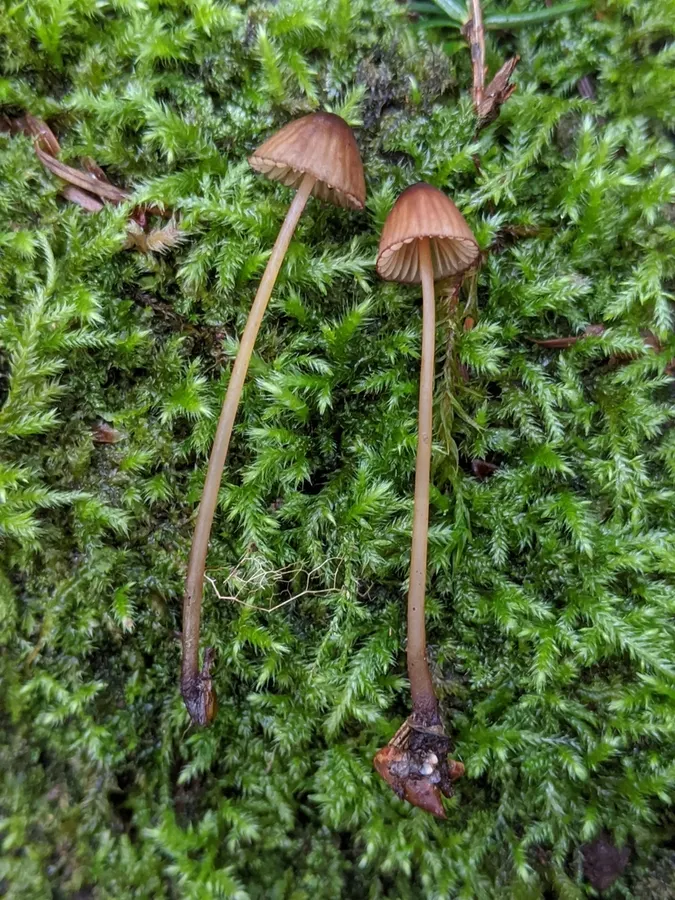
The cap is either convex or conic when young, with its margin pressed against the stipe. As it expands, it becomes broadly convex or bell-shaped, ultimately reaching a diameter of 3–15 mm. The edibility of the mushroom is unknown—but it is considered too insubstantial to be of culinary interest. The spores are 8–10 by 4–5 μm, roughly ellipsoid, and only weakly amyloid. The basidia (spore-bearing cells) four-spored (occasionally two- or three-spored). The pleurocystidia (cystidia on the face of a gill) are rare to scattered or sometimes quite abundant, narrowly to broadly ventricose, measuring 36–54 by 8–13 μm. They are filled with a sordid-reddish substance. The cheilocystidia (cystidia on the gill edge) are similar to the pleurocystidia or shorter and more obese, and very abundant. The flesh if the gill is made of broad hyphae the cells of which are often vesiculose (covered with vesicles) in age, and stain pale reddish brown in iodine. The flesh of the cap is covered with a thin pellicle, and the hypoderm (the layer of cells immediately underneath the pellicle) is moderately well-differentiated. The remainder of the cap flesh is floccose and filamentous, and all except the pellicle stain pale vinaceous-brown in iodine. Lactiferous (latex-producing) hyphae are abundant.
Habitat dan peran ekologis
Mycena sanguinolenta umum dan tersebar luas. Hal ini telah ditemukan dari Maine to Washington and selatan ke Utara Carolina and California in Amerika Serikat, dan dari Nova Scotia to Inggris Columbia in Kanada. Di Jamaika, telah dikumpulkan di ketinggian 1800 m. Distribusi termasuk Eropa (Inggris, Jerman, Belanda, Norwegia, Romania and Swedia) dan Australia. Di Asia, telah dikumpulkan dari zona alpine Provinsi Changbai Mountains in Jilin, China, dan dari provinsi Ōmi dan Yamashiro in Jepang. Tubuh buah tumbuh dalam kelompok di jamur daun, tempat tidur lumut, atau karpet jarum selama musim semi dan musim gugur. Hal ini umum di hutan pohon fir dan bayak, dan lebih memilih tumbuh di tanah dengan asam tinggi.
- Habitat atau konteks temuan
- hutan
- Substrat
- tanah
- Peran atau konteks
- Belum dikategorikan pada rilis ini.
Reproduksi
The spores are 8–10 by 4–5 μm, roughly ellipsoid, and only weakly amyloid. The basidia (spore-bearing cells) four-spored (occasionally two- or three-spored). The pleurocystidia (cystidia on the face of a gill) are rare to scattered or sometimes quite abundant, narrowly to broadly ventricose, measuring 36–54 by 8–13 μm. They are filled with a sordid-reddish substance. The cheilocystidia (cystidia on the gill edge) are similar to the pleurocystidia or shorter and more obese, and very abundant. The flesh if the gill is made of broad hyphae the cells of which are often vesiculose (covered with vesicles) in age, and stain pale reddish brown in iodine. The flesh of the cap is covered with a thin pellicle, and the hypoderm (the layer of cells immediately underneath the pellicle) is moderately well-differentiated.
Catatan identitas dan cakupan
- Nama diterima mengikuti Catalogue of Life Base2026-09-11; uraian mempertahankan konsep dan nama sumber aslinya.
- Original geographic, specimen and life-cycle scope retained; source import awaits individual editorial review.
- Impor dan terjemahan otomatis belum diperiksa editorial per profil. Struktur reproduktif yang disebutkan tidak membuktikan seluruh siklus hidup diketahui.
- Pengukuran pada uraian mengikuti spesimen, kultur, dan metode sumber; angka tidak diperluas ke semua populasi.
Catatan distribusi dalam narasi mengikuti sumbernya. Dokumentasi spesimen atau foto mengikuti catatan sumber. Bukti wilayah Indonesia dan penilaian konservasi tidak disimpulkan dari gambar.
Melihat dengan konteks
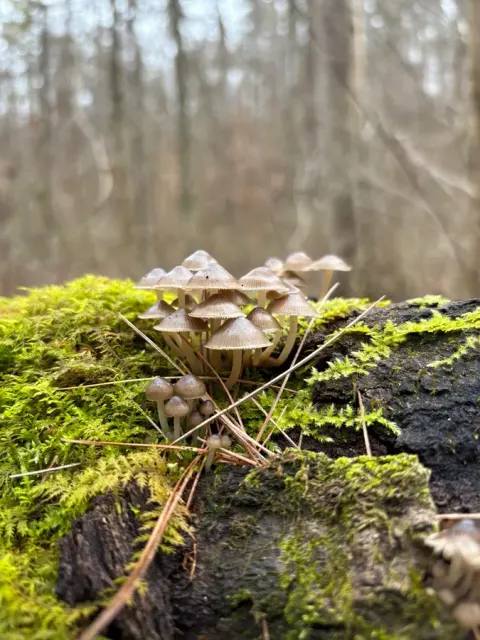
Dokumentasi Mycena sanguinolenta menurut asosiasi foto pada record takson iNaturalist. Kredit: Sharon Squazzo. Identitas mengikuti sumber; bukan penentuan spesimen independen.
- Jenis
- Fotografi
- Kredit
- (c) Sharon Squazzo, some rights reserved (CC BY), uploaded by Sharon Squazzo
- Lisensi
- CC BY 4.0
- Sumber media
- Buka entri sumber
Dokumentasi tambahan
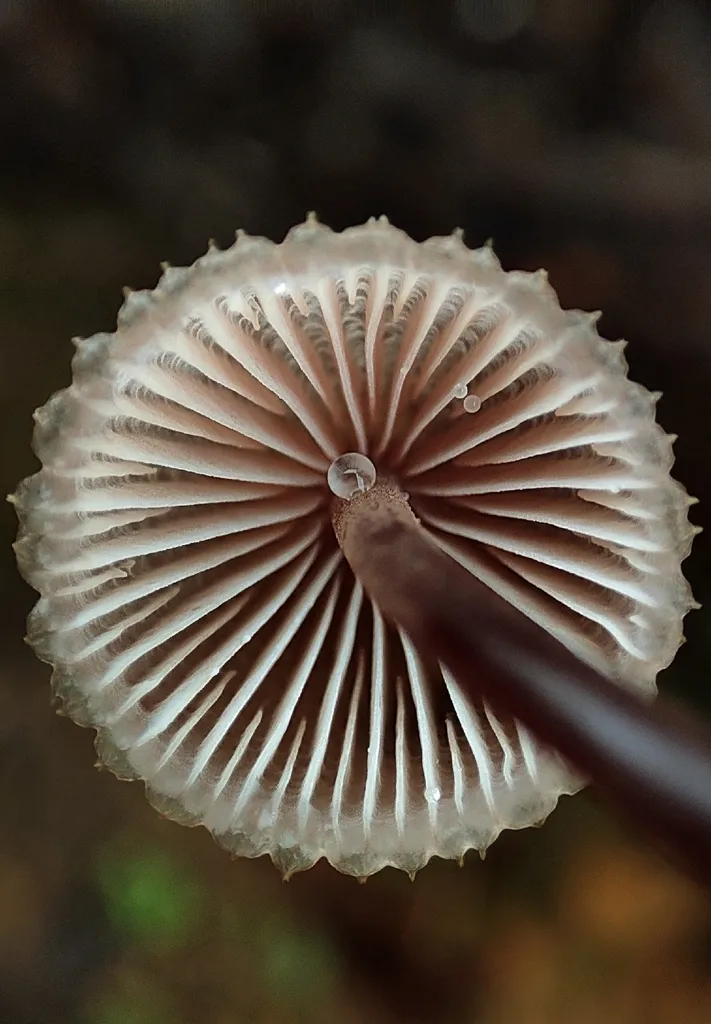
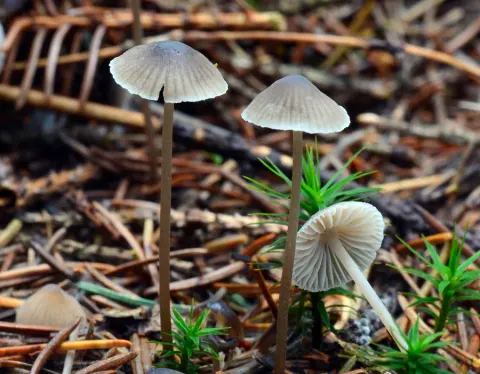
Foto yang diasosiasikan dengan Mycena sanguinolenta pada iNaturalist. Identifikasi mengikuti sumber; bukan penentuan spesimen independen.
Kredit dan penggunaan
no rights reserved, uploaded by Surya
Ukuran dan format gambar disesuaikan tanpa pemotongan, retus, atau penambahan skala. Lisensi sumber dipertahankan.
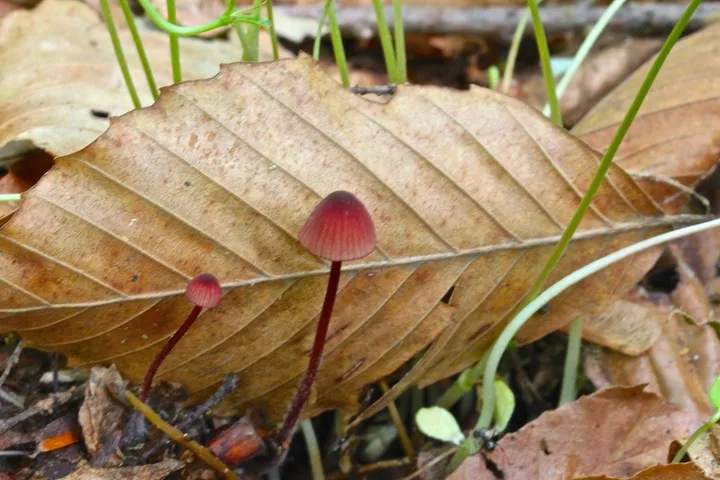
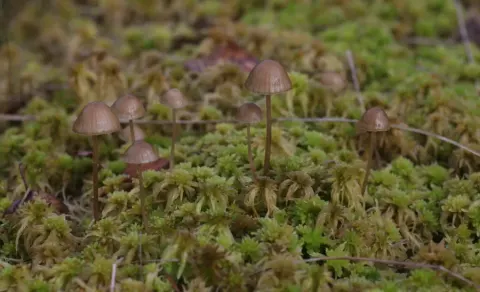
Foto yang diasosiasikan dengan Mycena sanguinolenta pada iNaturalist. Identifikasi mengikuti sumber; bukan penentuan spesimen independen.
Kredit dan penggunaan
(c) Fluff Berger, some rights reserved (CC BY-SA), uploaded by Fluff Berger
Ukuran dan format gambar disesuaikan tanpa pemotongan, retus, atau penambahan skala. Lisensi sumber dipertahankan.
Sumber profil
- [1] Mycena sanguinolenta — Wikipedia (en)
- [2] Catalogue of Life Base2026-09-11 — Mycena sanguinolenta
- [3] Dokumentasi visual — Mycena sanguinolenta
- [4] Dokumentasi visual — Mycena sanguinolenta
- [5] Dokumentasi visual — Mycena sanguinolenta
Rujukan halaman ini
Fungi. Mycena sanguinolenta. Rilis data fungi-2026-10-12-expansion-2. https://fungi-atlas.mgadib.chatgpt.site/jamur/mycena-sanguinolenta/.
Status: impor sumber; pemeriksaan editorial per profil belum selesai. Untuk klaim biologis, gunakan rujukan pada bagian terkait dan periksa konteks sumber aslinya.