01 / Morfologi

Ciri dan struktur

Myxotrichum chartarum is a psychrophilic and cellulolytic fungus first discovered in Germany by Gustav Kunze in 1823. Its classification has changed many times over its history to better reflect the information available at the time. Currently, M. chartarum is known to be an ascomycete surrounded by a gymnothecium composed of ornate spines and releases asexual ascospores. The presence of cellulolytic processes are common in fungi within the family Myxotrichaceae. M. chartarum is one of many Myxotrichum species known to degrade paper and paper products. Evidence of M. chartarum "red spot" mold formation, especially on old books, can be found globally. As a result, this fungal species and other cellulolytic molds are endangering old works of art and books. Currently, there is no evidence that suggests that species within the family Myxotrichaceae are pathogenic. The ascospores can also be described as being yellow to orange in colour with a rounded football shape having longitudinal striations and a diameter between 6-8 μm on the long side and 5-8 μm on the short side. Asci appear hyaline, globular, and contain the typical quantity of 8 ascospores each, the size of which are 3-5 μm on the long side and 2-3 μm on the short side. When the spores mature, they are released en masse, producing a cloud of brown-coloured dust. Ascocarps appear dark and spherical with short appendages, and when filled with its yellow to orange spores, the ascocarp can appear green or copper. The diameter of the ascocarp is 150-555 μm. The spore mass fills the ascocarps between one-third and three-fourths of the total volume at peak maturity.

Sebagian uraian ditampilkan dalam bahasa sumber; terjemahannya belum tersedia atau belum lolos pemeriksaan.

Rujukan: [1]

Pengukuran mengikuti objek, spesimen atau kultur, dan metode yang disebutkan sumber. Baca uraian asli untuk konteks lengkap.

02 / Kehidupan

Habitat dan peran ekologis

M. chartarum is known for its inhabitation of paper and paper products. The specific epithet, chartarum, originated from the Latin word for paper and is in reference to its initial discovery from paper in books, and its ability to decay these materials through the production of cellulose-degrading enzymes (cellulases). It was deemed a “material pathogen”, since it is able to degrade specific materials for a source of nutrition. It has also been recorded to inhabit other materials such as, drywall, straw, decaying leather, cloth, grouse dung, rabbit dung, bat guano, soil, leaves and fruit. Reports of M. chartarum have come from around the world. Known distribution areas are as follows: Germany, Russia, Italy, France, Switzerland, England, Japan, Austria-Hungary, Czechoslovakia, Maine, Massachusetts, Ontario, New York. The endemic region of this fungus is currently unknown. The presence of curved spines allow the fungus to adhere to the fur of animals, allowing the fungus to disperse to other areas. It has been observed by multiple researchers that M. chartarum exhibited slow growth between temperatures of 5-7 °C, so this fungus is classified as a psychrophilic organism. However, no growth was observed at 37 °C and since it is unable to grow at the human body temperature, this fungus is not a disease agent or an opportunistic pathogen.

Sebagian uraian ditampilkan dalam bahasa sumber; terjemahannya belum tersedia atau belum lolos pemeriksaan.

Rujukan: [1]

Habitat atau konteks temuan
Informasi belum tersedia pada sumber rilis ini.
Substrat
Informasi belum tersedia pada sumber rilis ini.
Peran atau konteks
Belum dikategorikan pada rilis ini.
Temukan hubungan serupa
03 / Siklus hidup

Reproduksi

Myxotrichum chartarum is a psychrophilic and cellulolytic fungus first discovered in Germany by Gustav Kunze in 1823. Its classification has changed many times over its history to better reflect the information available at the time. Currently, M. chartarum is known to be an ascomycete surrounded by a gymnothecium composed of ornate spines and releases asexual ascospores. The presence of cellulolytic processes are common in fungi within the family Myxotrichaceae. M. chartarum is one of many Myxotrichum species known to degrade paper and paper products. Evidence of M. chartarum "red spot" mold formation, especially on old books, can be found globally. As a result, this fungal species and other cellulolytic molds are endangering old works of art and books.

Sebagian uraian ditampilkan dalam bahasa sumber; terjemahannya belum tersedia atau belum lolos pemeriksaan.

Rujukan: [1]

Sinonim menurut acuan taksonomi rilis: Actinospira chartarum; Myxotrichum carminoparum; Oncidium chartarum
04 / Batas informasi

Catatan identitas dan cakupan

  • Nama diterima mengikuti Catalogue of Life Base2026-09-11; uraian mempertahankan konsep dan nama sumber aslinya.
  • Original geographic, specimen and life-cycle scope retained; source import awaits individual editorial review.
  • Impor dan terjemahan otomatis belum diperiksa editorial per profil. Struktur reproduktif yang disebutkan tidak membuktikan seluruh siklus hidup diketahui.
  • Pengukuran pada uraian mengikuti spesimen, kultur, dan metode sumber; angka tidak diperluas ke semua populasi.

Catatan distribusi dalam narasi mengikuti sumbernya. Dokumentasi spesimen atau foto mengikuti catatan sumber. Bukti wilayah Indonesia dan penilaian konservasi tidak disimpulkan dari gambar.

05 / Dokumentasi

Melihat dengan konteks

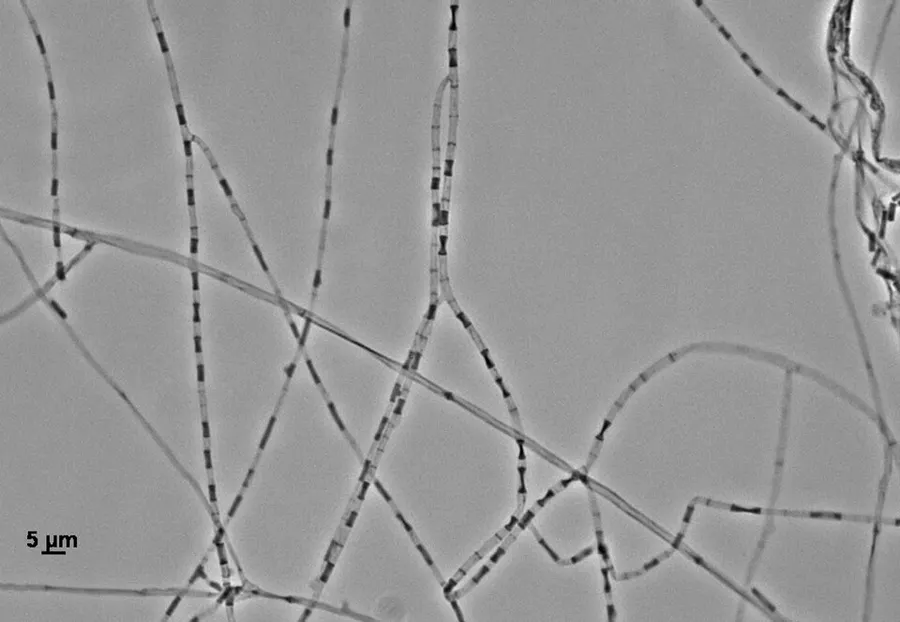
Dokumentasi Myxotrichum chartarum dari Wikimedia Commons. Intercalary arthroconidia of Myxotrichum chartarum (UAMH 10244) from colony grown for 36d, photographed in Phase Contrast microscopy Identifikasi mengikuti record berkas sumber.

Jenis
Fotografi
Kredit
Medmyco
Sumber media
Buka entri sumber

Gambar menunjukkan objek menurut identifikasi sumber, bukan verifikasi independen spesimen oleh Fungi. Tidak ada skala baru yang ditambahkan.

06 / Rujukan

Sumber profil

  1. [1] Myxotrichum chartarum — Wikipedia (en)Bagian sumber: Frozen revision 1359744817
    Tanggal penghimpunan sumber: 2026-10-12
    Teks sumber: CC BY-SA4.0 · Wikipedia contributors
  2. [2] Catalogue of Life Base2026-09-11 — Myxotrichum chartarumBagian sumber: ColDP NameUsage.tsv ID 45HJV; accepted species; source 2073
    Tanggal penghimpunan sumber: 2026-10-12
  3. [3] Dokumentasi visual — Myxotrichum chartarumBagian sumber: Individual media record; identification follows the source, not independent determination
    Tanggal penghimpunan sumber: 2026-10-12
    Media sumber: CC BY-SA 4.0 · Medmyco

Adaptasi teks: CC BY-SA 4.0. Wikipedia contributors — Myxotrichum chartarum — Wikipedia (en)

Uraian asli dan riwayat sumber

Riwayat atau halaman sumber

Ringkasan sumber

Myxotrichum chartarum is a psychrophilic and cellulolytic fungus first discovered in Germany by Gustav Kunze in 1823. Its classification has changed many times over its history to better reflect the information available at the time. Currently, M. chartarum is known to be an ascomycete surrounded by a gymnothecium composed of ornate spines and releases asexual ascospores. The presence of cellulolytic processes are common in fungi within the family Myxotrichaceae. M. chartarum is one of many Myxotrichum species known to degrade paper and paper products.

Revisi sumber

Morfologi sumber

Myxotrichum chartarum is a psychrophilic and cellulolytic fungus first discovered in Germany by Gustav Kunze in 1823. Its classification has changed many times over its history to better reflect the information available at the time. Currently, M. chartarum is known to be an ascomycete surrounded by a gymnothecium composed of ornate spines and releases asexual ascospores. The presence of cellulolytic processes are common in fungi within the family Myxotrichaceae. M. chartarum is one of many Myxotrichum species known to degrade paper and paper products. Evidence of M. chartarum "red spot" mold formation, especially on old books, can be found globally. As a result, this fungal species and other cellulolytic molds are endangering old works of art and books. Currently, there is no evidence that suggests that species within the family Myxotrichaceae are pathogenic. The ascospores can also be described as being yellow to orange in colour with a rounded football shape having longitudinal striations and a diameter between 6-8 μm on the long side and 5-8 μm on the short side. Asci appear hyaline, globular, and contain the typical quantity of 8 ascospores each, the size of which are 3-5 μm on the long side and 2-3 μm on the short side. When the spores mature, they are released en masse, producing a cloud of brown-coloured dust. Ascocarps appear dark and spherical with short appendages, and when filled with its yellow to orange spores, the ascocarp can appear green or copper. The diameter of the ascocarp is 150-555 μm. The spore mass fills the ascocarps between one-third and three-fourths of the total volume at peak maturity.

Revisi sumber

Ekologi sumber

M. chartarum is known for its inhabitation of paper and paper products. The specific epithet, chartarum, originated from the Latin word for paper and is in reference to its initial discovery from paper in books, and its ability to decay these materials through the production of cellulose-degrading enzymes (cellulases). It was deemed a “material pathogen”, since it is able to degrade specific materials for a source of nutrition. It has also been recorded to inhabit other materials such as, drywall, straw, decaying leather, cloth, grouse dung, rabbit dung, bat guano, soil, leaves and fruit. Reports of M. chartarum have come from around the world. Known distribution areas are as follows: Germany, Russia, Italy, France, Switzerland, England, Japan, Austria-Hungary, Czechoslovakia, Maine, Massachusetts, Ontario, New York. The endemic region of this fungus is currently unknown. The presence of curved spines allow the fungus to adhere to the fur of animals, allowing the fungus to disperse to other areas. It has been observed by multiple researchers that M. chartarum exhibited slow growth between temperatures of 5-7 °C, so this fungus is classified as a psychrophilic organism. However, no growth was observed at 37 °C and since it is unable to grow at the human body temperature, this fungus is not a disease agent or an opportunistic pathogen.

Revisi sumber

Struktur reproduksi sumber

Myxotrichum chartarum is a psychrophilic and cellulolytic fungus first discovered in Germany by Gustav Kunze in 1823. Its classification has changed many times over its history to better reflect the information available at the time. Currently, M. chartarum is known to be an ascomycete surrounded by a gymnothecium composed of ornate spines and releases asexual ascospores. The presence of cellulolytic processes are common in fungi within the family Myxotrichaceae. M. chartarum is one of many Myxotrichum species known to degrade paper and paper products. Evidence of M. chartarum "red spot" mold formation, especially on old books, can be found globally. As a result, this fungal species and other cellulolytic molds are endangering old works of art and books.

Revisi sumber

Rujukan halaman ini

Fungi. Myxotrichum chartarum. Rilis data fungi-2026-10-12-expansion-2. https://fungi-atlas.mgadib.chatgpt.site/jamur/myxotrichum-chartarum/.

Status: impor sumber; pemeriksaan editorial per profil belum selesai. Untuk klaim biologis, gunakan rujukan pada bagian terkait dan periksa konteks sumber aslinya.