Ciri dan struktur
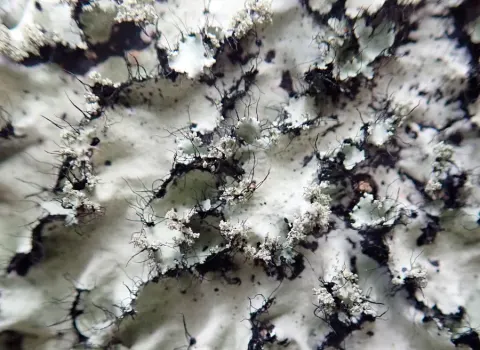
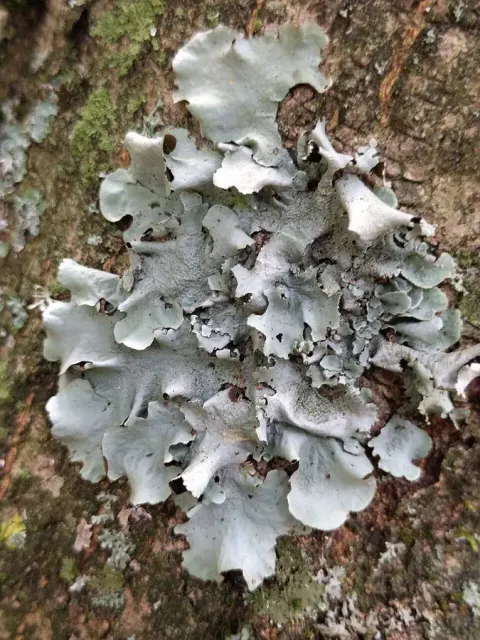
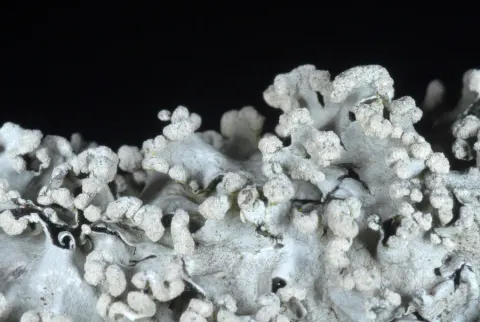
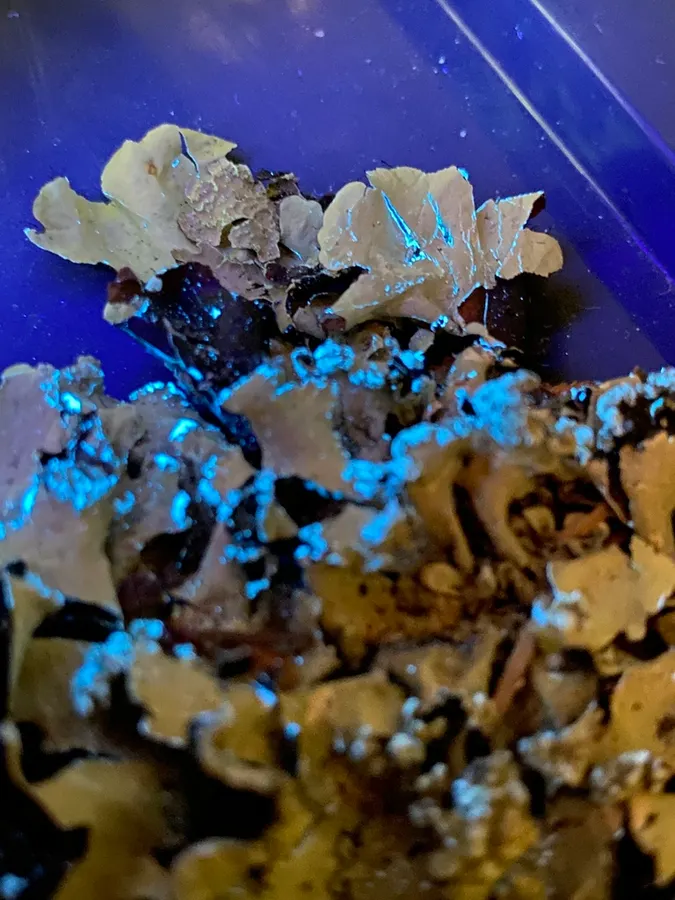
Parmotrema arnoldii has a pale grey thallus comprising lobes that measure 6–15 mmm wide. The thallus lacks maculae (spots or lines free of photobiont). There are soralia present on the upper surface of the tips of the lobes, which causes them to curl downwards. The lobes, especially those lacking soredia, have abundant, long cilia. The lower surface of the thallus (the subthallus) is black to brown and has a naked marginal zone (i.e. without rhizines). Secondary compounds present are atranorin, alectoronic and α-collatolic acids, sometimes accompanied also by skyrin.
Habitat dan peran ekologis
Parmotrema arnoldii is widely distributed, and has been recorded from temperate locations in Africa, Asia, Europe, Oceania, Macaronesia, and North and South America. Typically growing among mosses that associate with plants, often on old shrubs or horizontal tree branches, the lichen prefers relatively well-lit and humid undisturbed woodlands.
- Habitat atau konteks temuan
- Informasi belum tersedia pada sumber rilis ini.
- Substrat
- Informasi belum tersedia pada sumber rilis ini.
- Peran atau konteks
- Pembentuk liken
Reproduksi
Parmotrema arnoldii has a pale grey thallus comprising lobes that measure 6–15 mmm wide. The thallus lacks maculae (spots or lines free of photobiont). There are soralia present on the upper surface of the tips of the lobes, which causes them to curl downwards. The lobes, especially those lacking soredia, have abundant, long cilia. The lower surface of the thallus (the subthallus) is black to brown and has a naked marginal zone (i.e. without rhizines). Secondary compounds present are atranorin, alectoronic and α-collatolic acids, sometimes accompanied also by skyrin.
Catatan identitas dan cakupan
- Nama diterima mengikuti Catalogue of Life Base2026-09-11; uraian mempertahankan konsep dan nama sumber aslinya.
- Original geographic, specimen and life-cycle scope retained; source import awaits individual editorial review.
- Impor dan terjemahan otomatis belum diperiksa editorial per profil. Struktur reproduktif yang disebutkan tidak membuktikan seluruh siklus hidup diketahui.
- Pengukuran pada uraian mengikuti spesimen, kultur, dan metode sumber; angka tidak diperluas ke semua populasi.
- Uraian sumber memuat penulisan satuan lama atau tidak standar. Angka dan satuannya dipertahankan apa adanya dan belum dinormalisasi.
Catatan distribusi dalam narasi mengikuti sumbernya. Dokumentasi spesimen atau foto mengikuti catatan sumber. Bukti wilayah Indonesia dan penilaian konservasi tidak disimpulkan dari gambar.
Melihat dengan konteks
Dokumentasi Parmotrema arnoldii menurut asosiasi foto pada record takson iNaturalist. Kredit: Harry Podschwit. Identitas mengikuti sumber; bukan penentuan spesimen independen.
- Jenis
- Fotografi
- Kredit
- (c) Harry Podschwit, some rights reserved (CC BY), uploaded by Harry Podschwit
- Lisensi
- CC BY 4.0
- Sumber media
- Buka entri sumber
Dokumentasi tambahan
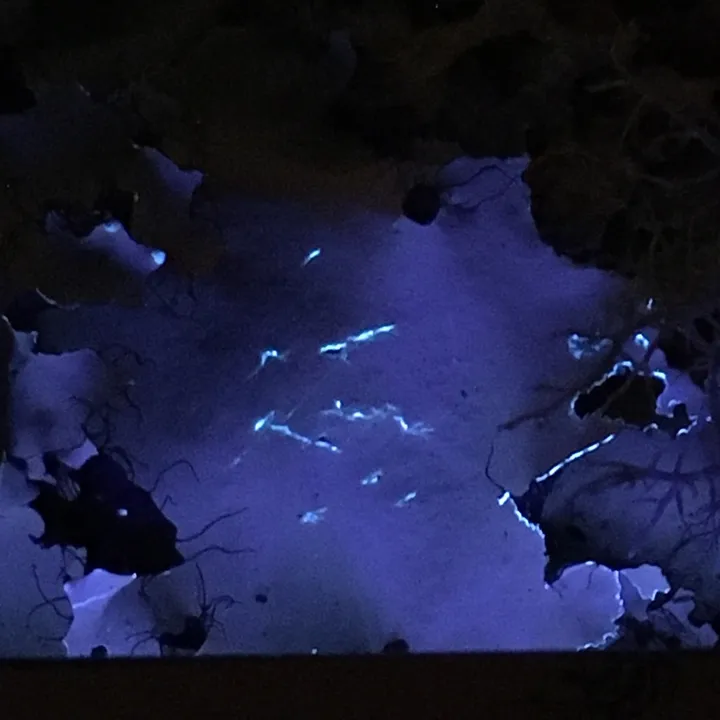
Foto yang diasosiasikan dengan Parmotrema arnoldii pada iNaturalist. Identifikasi mengikuti sumber; bukan penentuan spesimen independen.
Kredit dan penggunaan
(c) Harry Podschwit, some rights reserved (CC BY), uploaded by Harry Podschwit
Ukuran dan format gambar disesuaikan tanpa pemotongan, retus, atau penambahan skala. Lisensi sumber dipertahankan.
Sumber profil
- [1] Parmotrema arnoldii — Wikipedia (en)
- [2] Catalogue of Life Base2026-09-11 — Parmotrema arnoldii
- [3] Dokumentasi visual — Parmotrema arnoldii
- [4] Dokumentasi visual — Parmotrema arnoldii
Rujukan halaman ini
Fungi. Parmotrema arnoldii. Rilis data fungi-2026-10-12-expansion-2. https://fungi-atlas.mgadib.chatgpt.site/jamur/parmotrema-arnoldii/.
Status: impor sumber; pemeriksaan editorial per profil belum selesai. Untuk klaim biologis, gunakan rujukan pada bagian terkait dan periksa konteks sumber aslinya.