Ciri dan struktur
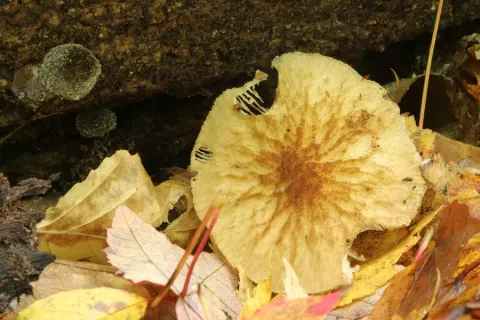
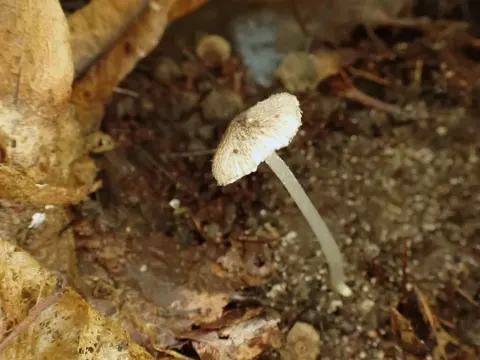
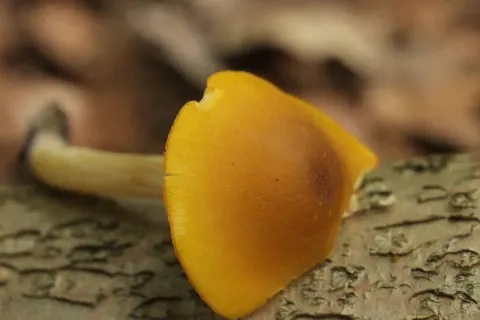
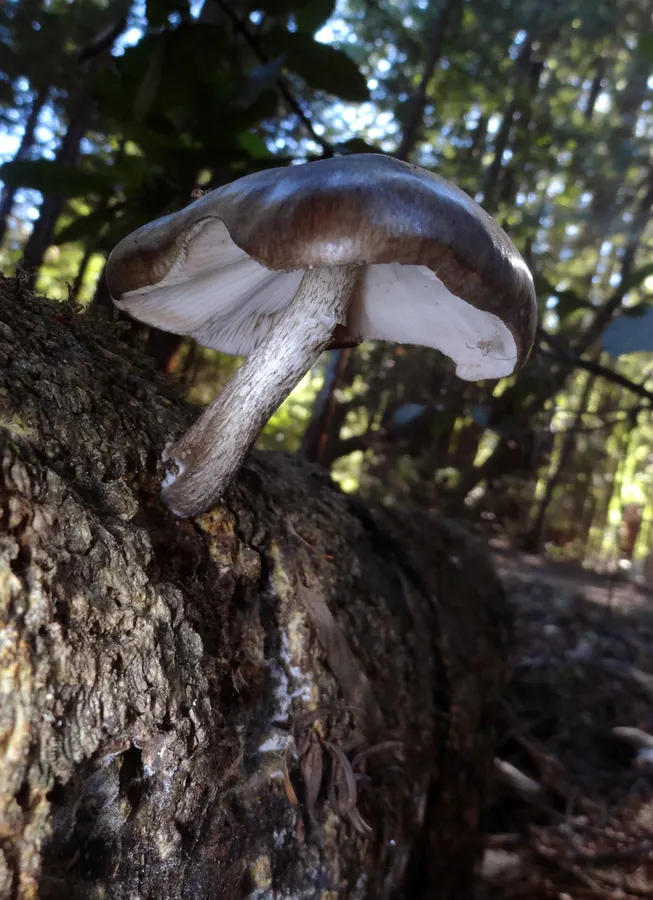
Fruit bodies of Pluteus exilis have caps that measure 3.5 – 7 cm in diameter. They are initially hemispherical or bell-shaped, later becoming more convex in maturity, sometime with a shallow central depression. The cap color is brownish. Gills are spaced together closely, and are free from attachment to the stipe. Initially white, they later become pink with white edges. The spore print of Pluteus exilis is pinkish-brown. Its ellipsoid to egg-shaped spores measure 7–8 by 4.5–5.5 μm. Singer additionally described the variety P. exilis var. austriacus, from collections made in oak forests in Burgenland, Austria; it has grayish-brown caps. Later work showed that this taxon is the same as Pluteus cervinus. The South American species Pluteus xylophilus is similar in appearance to Pluteus exilis, but can be distinguished by its smaller spores, and greater variability in fruit body size.
Habitat dan peran ekologis
Pluteus exilis is a saprophytic fungus that feeds on decaying wood. It fruits singly or in groups on the well-rotted wood of both angiosperms, including alder and tanoak, and conifers, including spruce and Douglas-fir. The fungus is found along the coast of the Pacific Northwest region of North America, from Santa Cruz County to southern British Columbia.
- Habitat atau konteks temuan
- Informasi belum tersedia pada sumber rilis ini.
- Substrat
- kayu
- Peran atau konteks
- Belum dikategorikan pada rilis ini.
Reproduksi
The spore print of Pluteus exilis is pinkish-brown. Its ellipsoid to egg-shaped spores measure 7–8 by 4.5–5.5 μm. Singer additionally described the variety P. exilis var. austriacus, from collections made in oak forests in Burgenland, Austria; it has grayish-brown caps. Later work showed that this taxon is the same as Pluteus cervinus. The South American species Pluteus xylophilus is similar in appearance to Pluteus exilis, but can be distinguished by its smaller spores, and greater variability in fruit body size.
Catatan identitas dan cakupan
- Nama diterima mengikuti Catalogue of Life Base2026-09-11; uraian mempertahankan konsep dan nama sumber aslinya.
- Original geographic, specimen and life-cycle scope retained; source import awaits individual editorial review.
- Impor dan terjemahan otomatis belum diperiksa editorial per profil. Struktur reproduktif yang disebutkan tidak membuktikan seluruh siklus hidup diketahui.
- Pengukuran pada uraian mengikuti spesimen, kultur, dan metode sumber; angka tidak diperluas ke semua populasi.
Catatan distribusi dalam narasi mengikuti sumbernya. Dokumentasi spesimen atau foto mengikuti catatan sumber. Bukti wilayah Indonesia dan penilaian konservasi tidak disimpulkan dari gambar.
Melihat dengan konteks
Dokumentasi Pluteus exilis menurut asosiasi foto pada record takson iNaturalist. Kredit: Thomas Laxton. Identitas mengikuti sumber; bukan penentuan spesimen independen.
- Jenis
- Fotografi
- Kredit
- (c) Thomas Laxton, some rights reserved (CC BY-SA), uploaded by Thomas Laxton
- Lisensi
- CC BY-SA 4.0
- Sumber media
- Buka entri sumber
Dokumentasi tambahan
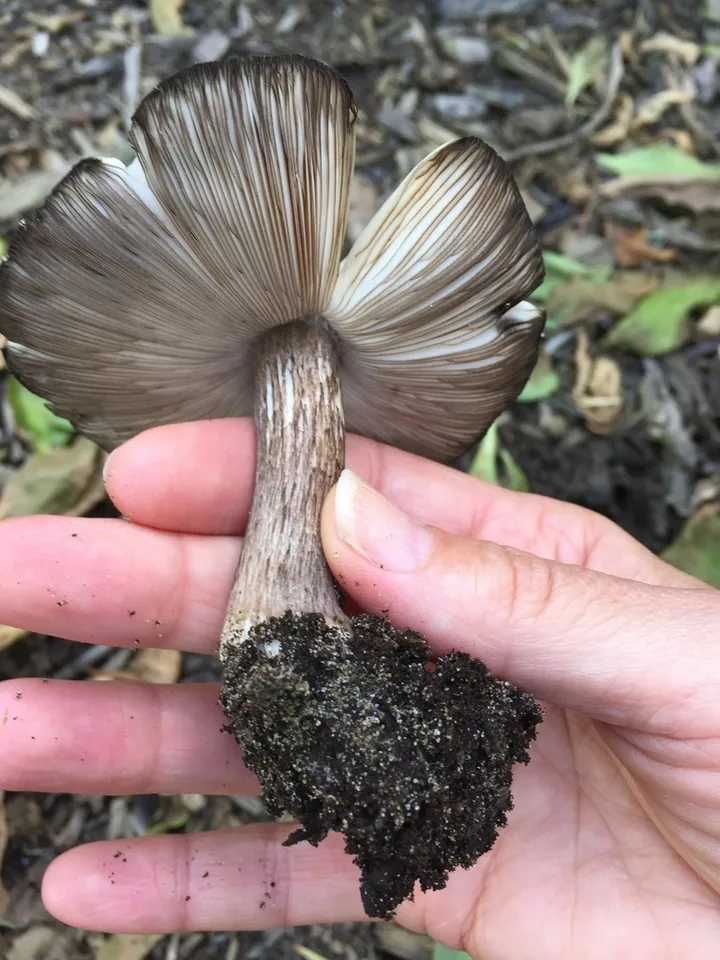
Foto yang diasosiasikan dengan Pluteus exilis pada iNaturalist. Identifikasi mengikuti sumber; bukan penentuan spesimen independen.
Kredit dan penggunaan
(c) LJ Moore-McClelland, some rights reserved (CC BY), uploaded by LJ Moore-McClelland
Ukuran dan format gambar disesuaikan tanpa pemotongan, retus, atau penambahan skala. Lisensi sumber dipertahankan.
Sumber profil
- [1] Pluteus exilis — Wikipedia (en)
- [2] Catalogue of Life Base2026-09-11 — Pluteus exilis
- [3] Dokumentasi visual — Pluteus exilis
- [4] Dokumentasi visual — Pluteus exilis
Rujukan halaman ini
Fungi. Pluteus exilis. Rilis data fungi-2026-10-12-expansion-2. https://fungi-atlas.mgadib.chatgpt.site/jamur/pluteus-exilis/.
Status: impor sumber; pemeriksaan editorial per profil belum selesai. Untuk klaim biologis, gunakan rujukan pada bagian terkait dan periksa konteks sumber aslinya.