01 / Morfologi

Ciri dan struktur

The taste and smell of Psilocybe caerulescens are strongly farinaceous, reminiscent of cucumber, though the smell lessens with age or when dry. The spores are hexagonal to subrhomboid in frontal view and ellipsoid in side view, (5.6)6.7–8(9) x (4) 4.8–6.4 (7.2) x 4–4.8 (5.5) μm. The basidia each produce four spores, and occasionally only two larger spores. The cheilocystidia are 16–27(29) x 4.5–8 μm and lageniform to narrowly lageniform, with a flexuous neck that is 1–2.5 μm broad and sometimes bifurcate. Basidia 18.5–22.5 × 5.5–6.5 μm, cylindrical, four spored, hyaline and thin-walled. Pleurocystidia 12–20 (–32) × 4.5–9 (‒10) μm, fusiform, occasionally conical, clavate or utriform, occasionally bifurcate, hyaline, thin-walled. The subhymenium is ramose-inflated. Pileus trama is radial, with hyphae 5–32 μm, yellowish to yellowish brown, thick walled (0.5–1 μm). Pileipellis an ixocutis, (9–) 12–54 μm wide, hyphae 1.5–4 (–5.5) μm diameter, hyaline and thin-walled. Pileocystidia (10–) 12–28 × 4–9.5 μm, globose, cylindrical, clavate, flexuose or pyriform and thin-walled. Stipitipellis a cutis, hyphae 1.5–9.5 μm diameter, yellowish brown, thin-walled (up to 0.5–0.8 μm thick). Caulocystidia (19–) 22.5–49.5 (–56) × 4–8 (–9.5) μm, cylindrical, lageniform, fusiform or, utriform, or lageniform, hyaline and, thin-walled.

Sebagian uraian ditampilkan dalam bahasa sumber; terjemahannya belum tersedia atau belum lolos pemeriksaan.

Rujukan: [1]

Pengukuran mengikuti objek, spesimen atau kultur, dan metode yang disebutkan sumber. Baca uraian asli untuk konteks lengkap.

02 / Kehidupan

Habitat dan peran ekologis

Psilocybe caerulescens ditemukan tumbuh secara gregarious atau cespitosely, jarang bersendirian, dari June through October on tanah terganggu sering tidak memiliki tanaman herbacea. Ia sering tumbuh di tempat yang cerah, lebih memilih tanah berwarna coklat berwarna jerami berlumut dengan banyak puing-puing kayu. Psilocybe caerulescens pertama kali dilaporkan dari dekat Montgomery, Alabama, oleh Murrill in 1923 pada mulch tebu, tidak didokumentasikan kembali dari lokasi itu sejak. Hal ini baru-baru ini ditemukan di Selatan Carolina in September 2008. Psilocybe caerulescens umum dan tersebar di seluruh Georgia utara. Found in N. Georgia in 2000.

Sebagian uraian ditampilkan dalam bahasa sumber; terjemahannya belum tersedia atau belum lolos pemeriksaan.

Rujukan: [1]

Habitat atau konteks temuan
Informasi belum tersedia pada sumber rilis ini.
Substrat
Informasi belum tersedia pada sumber rilis ini.
Peran atau konteks
Belum dikategorikan pada rilis ini.
Temukan hubungan serupa
03 / Siklus hidup

Reproduksi

The spores are hexagonal to subrhomboid in frontal view and ellipsoid in side view, (5.6)6.7–8(9) x (4) 4.8–6.4 (7.2) x 4–4.8 (5.5) μm. The basidia each produce four spores, and occasionally only two larger spores. The cheilocystidia are 16–27(29) x 4.5–8 μm and lageniform to narrowly lageniform, with a flexuous neck that is 1–2.5 μm broad and sometimes bifurcate. Basidia 18.5–22.5 × 5.5–6.5 μm, cylindrical, four spored, hyaline and thin-walled. Pleurocystidia 12–20 (–32) × 4.5–9 (‒10) μm, fusiform, occasionally conical, clavate or utriform, occasionally bifurcate, hyaline, thin-walled. The subhymenium is ramose-inflated. Pileus trama is radial, with hyphae 5–32 μm, yellowish to yellowish brown, thick walled (0.5–1 μm).

Sebagian uraian ditampilkan dalam bahasa sumber; terjemahannya belum tersedia atau belum lolos pemeriksaan.

Rujukan: [1]

Sinonim menurut acuan taksonomi rilis: Psilocybe bispora; Psilocybe caerulescens var. albida; Psilocybe caerulescens var. mazatecorum; Psilocybe caerulescens var. nigripes; Psilocybe caerulescens var. ombrophila; Psilocybe caribaea; Psilocybe heliconiae; Psilocybe mixaeensis; Psilocybe subannulata; Psilocybe villarrealiae; Psilocybe weilii; Psilocybe wrightii
04 / Batas informasi

Catatan identitas dan cakupan

  • Nama diterima mengikuti Catalogue of Life Base2026-09-11; uraian mempertahankan konsep dan nama sumber aslinya.
  • Original geographic, specimen and life-cycle scope retained; source import awaits individual editorial review.
  • Impor dan terjemahan otomatis belum diperiksa editorial per profil. Struktur reproduktif yang disebutkan tidak membuktikan seluruh siklus hidup diketahui.
  • Pengukuran pada uraian mengikuti spesimen, kultur, dan metode sumber; angka tidak diperluas ke semua populasi.

Catatan distribusi dalam narasi mengikuti sumbernya. Dokumentasi spesimen atau foto mengikuti catatan sumber. Bukti wilayah Indonesia dan penilaian konservasi tidak disimpulkan dari gambar.

05 / Dokumentasi

Melihat dengan konteks

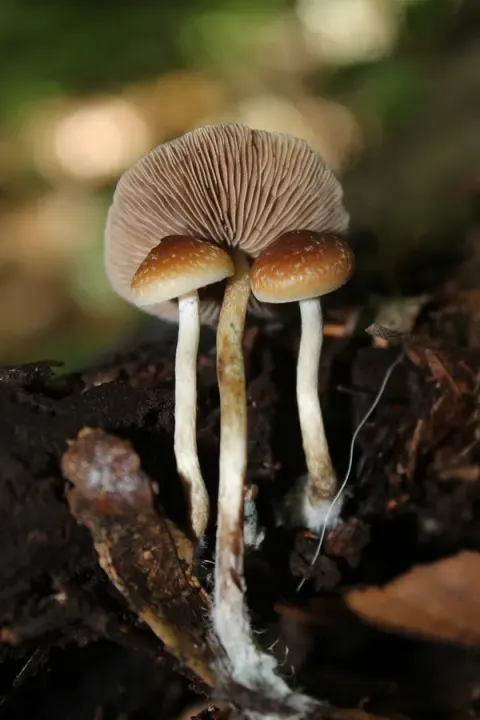
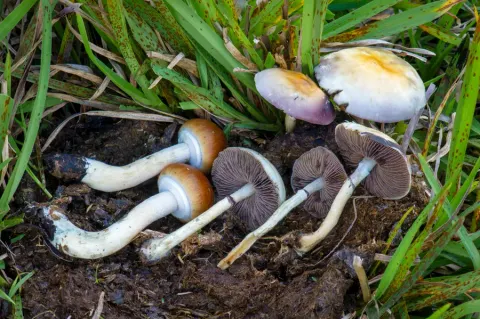
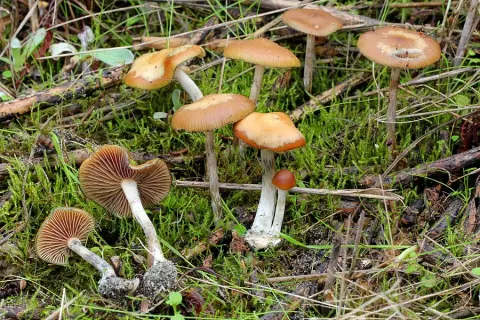
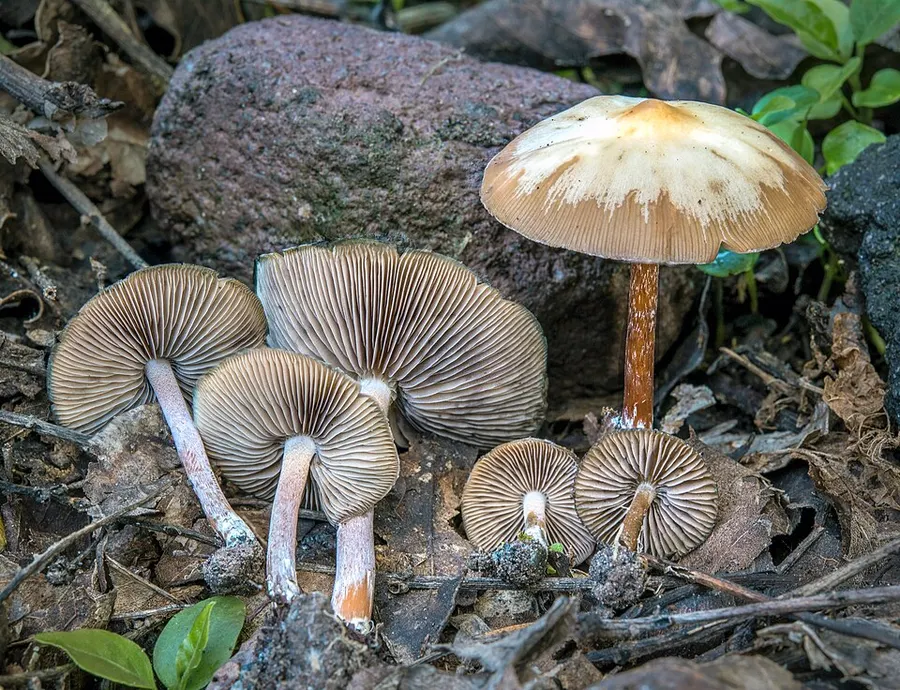
Dokumentasi Psilocybe caerulescens dari Wikimedia Commons. Psilocybe caerulescens photographed at Nevado de Colima, Jalisco, Mexico. See also https://mushroomobserver.org/289083 ITS sequence: https://www.ncbi.nlm.nih.gov/nuccore/MH145370 Identifikasi mengikuti record berkas sumber.

Jenis
Fotografi
Kredit
Alan Rockefeller
Sumber media
Buka entri sumber

Gambar menunjukkan objek menurut identifikasi sumber, bukan verifikasi independen spesimen oleh Fungi. Tidak ada skala baru yang ditambahkan.

06 / Rujukan

Sumber profil

  1. [1] Psilocybe caerulescens — Wikipedia (en)Bagian sumber: Frozen revision 1368229721
    Tanggal penghimpunan sumber: 2026-10-12
    Teks sumber: CC BY-SA4.0 · Wikipedia contributors
  2. [2] Catalogue of Life Base2026-09-11 — Psilocybe caerulescensBagian sumber: ColDP NameUsage.tsv ID 4PH3N; accepted species; source 2073
    Tanggal penghimpunan sumber: 2026-10-12
  3. [3] Dokumentasi visual — Psilocybe caerulescensBagian sumber: Individual media record; identification follows the source, not independent determination
    Tanggal penghimpunan sumber: 2026-10-12
    Media sumber: CC BY-SA 4.0 · Alan Rockefeller

Adaptasi teks: CC BY-SA 4.0. Wikipedia contributors — Psilocybe caerulescens — Wikipedia (en)

Uraian asli dan riwayat sumber

Riwayat atau halaman sumber

Ringkasan sumber

Psilocybe caerulescens, also known as landslide mushroom ("derrumbe" in Spanish), is a psilocybin mushroom having psilocybin and psilocin as main active compounds. Along with Psilocybe mexicana and Psilocybe aztecorum, it is one of the mushrooms likely to have been used by the Aztecs and is currently used by Mazatec shamans for its entheogenic properties.

Revisi sumber

Morfologi sumber

The taste and smell of Psilocybe caerulescens are strongly farinaceous, reminiscent of cucumber, though the smell lessens with age or when dry. The spores are hexagonal to subrhomboid in frontal view and ellipsoid in side view, (5.6)6.7–8(9) x (4) 4.8–6.4 (7.2) x 4–4.8 (5.5) μm. The basidia each produce four spores, and occasionally only two larger spores. The cheilocystidia are 16–27(29) x 4.5–8 μm and lageniform to narrowly lageniform, with a flexuous neck that is 1–2.5 μm broad and sometimes bifurcate. Basidia 18.5–22.5 × 5.5–6.5 μm, cylindrical, four spored, hyaline and thin-walled. Pleurocystidia 12–20 (–32) × 4.5–9 (‒10) μm, fusiform, occasionally conical, clavate or utriform, occasionally bifurcate, hyaline, thin-walled. The subhymenium is ramose-inflated. Pileus trama is radial, with hyphae 5–32 μm, yellowish to yellowish brown, thick walled (0.5–1 μm). Pileipellis an ixocutis, (9–) 12–54 μm wide, hyphae 1.5–4 (–5.5) μm diameter, hyaline and thin-walled. Pileocystidia (10–) 12–28 × 4–9.5 μm, globose, cylindrical, clavate, flexuose or pyriform and thin-walled. Stipitipellis a cutis, hyphae 1.5–9.5 μm diameter, yellowish brown, thin-walled (up to 0.5–0.8 μm thick). Caulocystidia (19–) 22.5–49.5 (–56) × 4–8 (–9.5) μm, cylindrical, lageniform, fusiform or, utriform, or lageniform, hyaline and, thin-walled.

Revisi sumber

Ekologi sumber

Psilocybe caerulescens is found growing gregariously or cespitosely, rarely solitarily, from June through October on disturbed ground often devoid of herbaceous plants. It often grows in sunny locations, preferring muddy orangish brown soils with much woody debris. Psilocybe caerulescens was first reported from near Montgomery, Alabama, by Murrill in 1923 on sugarcane mulch, not re-documented from that locality since. It was recently found in South Carolina in September 2008. Psilocybe caerulescens is common and widespread throughout northern Georgia. Found in N. Georgia in 2000.

Revisi sumber

Struktur reproduksi sumber

The spores are hexagonal to subrhomboid in frontal view and ellipsoid in side view, (5.6)6.7–8(9) x (4) 4.8–6.4 (7.2) x 4–4.8 (5.5) μm. The basidia each produce four spores, and occasionally only two larger spores. The cheilocystidia are 16–27(29) x 4.5–8 μm and lageniform to narrowly lageniform, with a flexuous neck that is 1–2.5 μm broad and sometimes bifurcate. Basidia 18.5–22.5 × 5.5–6.5 μm, cylindrical, four spored, hyaline and thin-walled. Pleurocystidia 12–20 (–32) × 4.5–9 (‒10) μm, fusiform, occasionally conical, clavate or utriform, occasionally bifurcate, hyaline, thin-walled. The subhymenium is ramose-inflated. Pileus trama is radial, with hyphae 5–32 μm, yellowish to yellowish brown, thick walled (0.5–1 μm).

Revisi sumber

Rujukan halaman ini

Fungi. Psilocybe caerulescens. Rilis data fungi-2026-10-12-expansion-2. https://fungi-atlas.mgadib.chatgpt.site/jamur/psilocybe-caerulescens/.

Status: impor sumber; pemeriksaan editorial per profil belum selesai. Untuk klaim biologis, gunakan rujukan pada bagian terkait dan periksa konteks sumber aslinya.