Ciri dan struktur
The pileus or cap is small, 10–20 mm in diameter, convex to subcampanulate (domed to somewhat bell-shaped), without umbo or papilla. The surface is glabrous apart from whitish flecks of veil remnants at the margin. It is slightly striate at the margin when moist, feels a little tacky or sticky, and is hygrophanous, changing colour abruptly from wet to dry. Coloured tawny orange, drying dull or ochraceous straw. The gills are broad, with an adnate attachment to the stem, coloured violaceous brown with the edges remaining whiter. The stipe is long and slender in proportion to the cap, 40-50 x 1–2 mm, cylindrical and equal, silky fibrillose, coloured white to almost the same colour as the cap, and slightly bluish green at the base. The veil is well developed as a white arachnoid mass, but not forming any annulus on the stem. The trama or flesh is pallid and whitish. A moderate blueing reaction is observed in this species when handled or damaged. The spore print is purple-brown. Spores are 12-13 x 7.1-7.7 μm, ellipsoid or subellipsoid to subovate in shape and dark brownish yellow. They have thick walls and a broad apical germ pore (situated at one end). The basidia are 4-spored, transparent and subcylindric, measuring 22-33 x 5.5-9.9 μm. The pleurocystidia (cystidia on the gill edge) are 19-24x6.6-8.8 μm, abundant, fusoid-ventricose in shape (tapered toward both ends but distinctly enlarged in the middle), with short necks measuring 1.6-2.8 μm. The cheilocystidia (cystidia on the gill face) are 22-23x4.4-9.9 μm, abundant, fusoid-ventricose, globose-ventricose (having the shape of a globe but swollen or distended) or sublageniform (somewhat shaped like a flask), with long necks measuring 5-11 x 1.6-3.3 μm of which some bifurcate (branch into two), others have a transparent swollen drop at the tip.
Habitat dan peran ekologis
Tubuh buah-buahan tersebut digambarkan tumbuh di atas pupuk hewan, beberapa dari kanguru, atau dengan kayu dan daun dicampur dengan pupuk, di padang rumput dan Australia Eucalyptus forests. Pola pertumbuhan adalah tunggal hingga gregarious dalam kelompok kecil (dekat bersama tetapi tidak berkumpul padat). Under its penggunaan saat ini spesies ini diamati tumbuh solitaris ke gregarious dari tanah dicampur dengan puing-puing kayu, batang dan rumput, atau dalam campuran potting dan di daerah lanskap dari tanah tanah liat dan membusuk mulch kulit. Described from Tasmania and Australia tenggara (bagian New South Wales in, dan Wilayah Ibu Kota Australia); saat ini dilaporkan dari New South Wales and, terutama Selandia Baru. Watling collected bahan jenis dari daerah pertanian pedesaan kecil dan pemanenan kayu di Nugent and Buckland, sekitar 50 kilometer timur laut ibukota Tasmanian state Hobart. Further collections berasal dari Mount Field National Park in Tasmania, yang berkisar dari daerah berangin Eucalyptus rainforest hingga rawa alpine, dan Taman Alam Tidbinbilla, sebuah lembah dan pegunungan bergelombang yang besar dan curam dekat Canberra, sekarang merupakan wilayah yang dilindungi Kategori II IUCN dan tradisional Country of di Ngunnawal people.
- Habitat atau konteks temuan
- hutan
- Substrat
- Informasi belum tersedia pada sumber rilis ini.
- Peran atau konteks
- Belum dikategorikan pada rilis ini.
Reproduksi
A moderate blueing reaction is observed in this species when handled or damaged. The spore print is purple-brown. Spores are 12-13 x 7.1-7.7 μm, ellipsoid or subellipsoid to subovate in shape and dark brownish yellow. They have thick walls and a broad apical germ pore (situated at one end). The basidia are 4-spored, transparent and subcylindric, measuring 22-33 x 5.5-9.9 μm. The pleurocystidia (cystidia on the gill edge) are 19-24x6.6-8.8 μm, abundant, fusoid-ventricose in shape (tapered toward both ends but distinctly enlarged in the middle), with short necks measuring 1.6-2.8 μm. The cheilocystidia (cystidia on the gill face) are 22-23x4.4-9.9 μm, abundant, fusoid-ventricose, globose-ventricose (having the shape of a globe but swollen or distended) or sublageniform (somewhat shaped like a flask), with long necks measuring 5-11 x 1.6-3.3 μm of which some bifurcate (branch into two), others have a transparent swollen drop at the tip.
Catatan identitas dan cakupan
- Nama diterima mengikuti Catalogue of Life Base2026-09-11; uraian mempertahankan konsep dan nama sumber aslinya.
- Original geographic, specimen and life-cycle scope retained; source import awaits individual editorial review.
- Impor dan terjemahan otomatis belum diperiksa editorial per profil. Struktur reproduktif yang disebutkan tidak membuktikan seluruh siklus hidup diketahui.
- Pengukuran pada uraian mengikuti spesimen, kultur, dan metode sumber; angka tidak diperluas ke semua populasi.
Catatan distribusi dalam narasi mengikuti sumbernya. Dokumentasi spesimen atau foto mengikuti catatan sumber. Bukti wilayah Indonesia dan penilaian konservasi tidak disimpulkan dari gambar.
Melihat dengan konteks
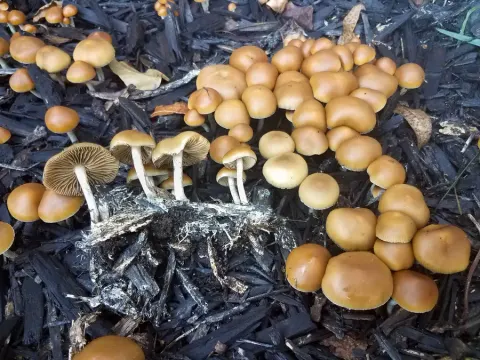
Dokumentasi Psilocybe tasmaniana menurut asosiasi foto pada record takson iNaturalist. Kredit: Hector Hind. Identitas mengikuti sumber; bukan penentuan spesimen independen.
- Jenis
- Fotografi
- Kredit
- (c) Hector Hind, some rights reserved (CC BY), uploaded by Hector Hind
- Lisensi
- CC BY 4.0
- Sumber media
- Buka entri sumber
Dokumentasi tambahan
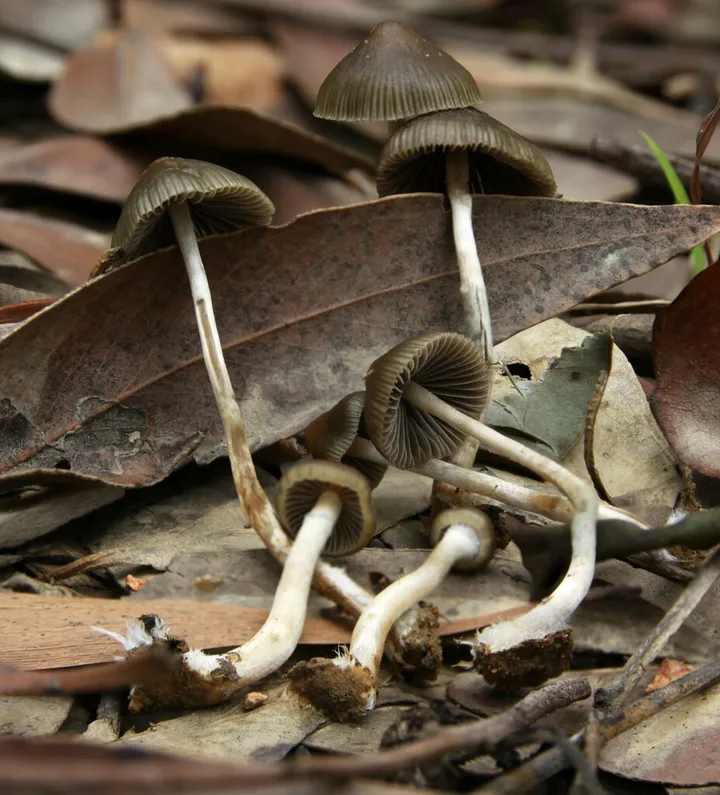
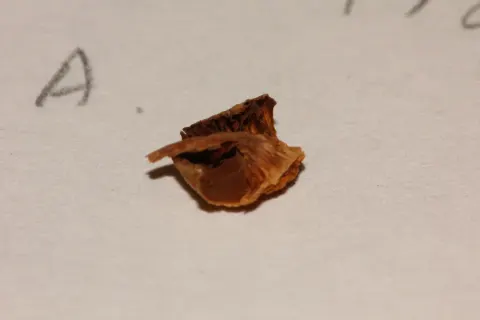
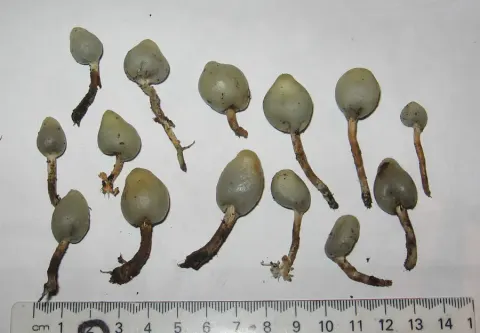
Foto yang diasosiasikan dengan Psilocybe tasmaniana pada iNaturalist. Identifikasi mengikuti sumber; bukan penentuan spesimen independen.
Kredit dan penggunaan
(c) Hector Hind, some rights reserved (CC BY), uploaded by Hector Hind
Ukuran dan format gambar disesuaikan tanpa pemotongan, retus, atau penambahan skala. Lisensi sumber dipertahankan.
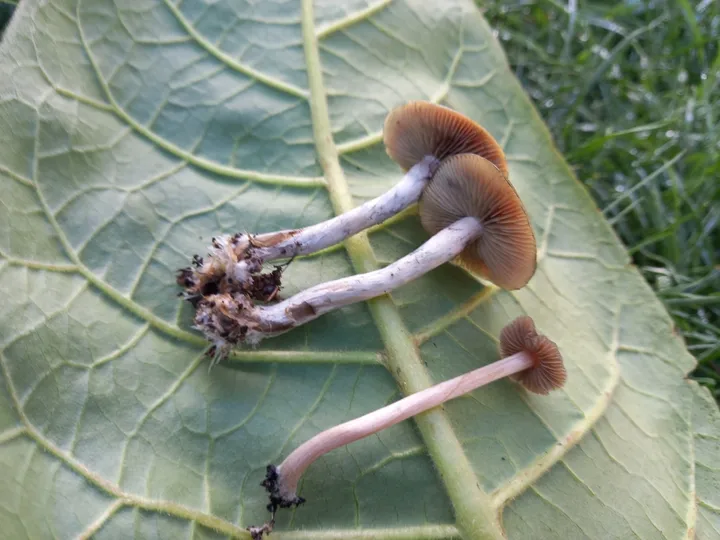
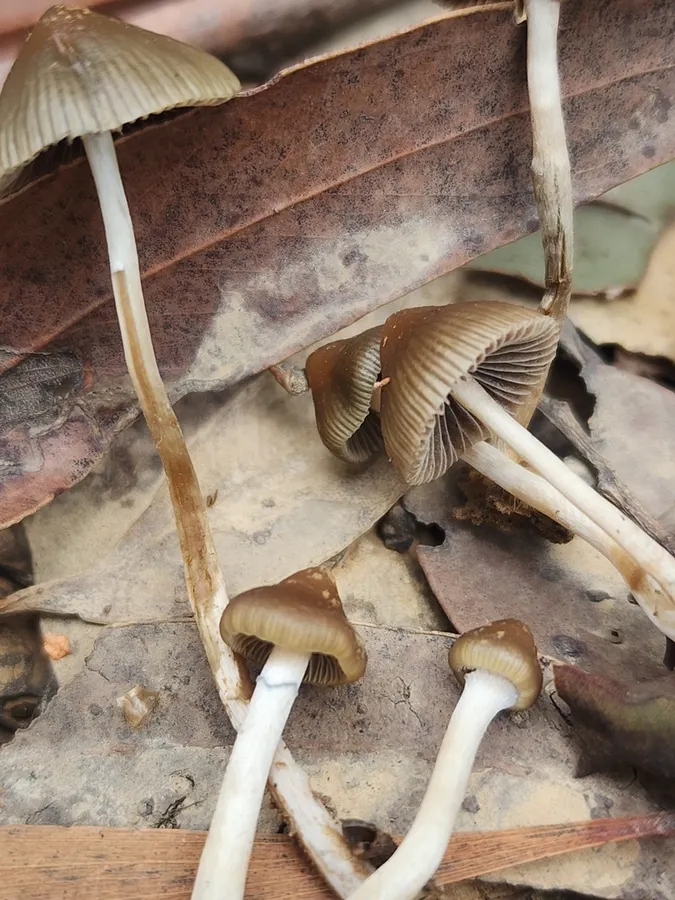
Foto yang diasosiasikan dengan Psilocybe tasmaniana pada iNaturalist. Identifikasi mengikuti sumber; bukan penentuan spesimen independen.
Kredit dan penggunaan
no rights reserved
Ukuran dan format gambar disesuaikan tanpa pemotongan, retus, atau penambahan skala. Lisensi sumber dipertahankan.
Sumber profil
- [1] Psilocybe tasmaniana — Wikipedia (en)
- [2] Catalogue of Life Base2026-09-11 — Psilocybe tasmaniana
- [3] Dokumentasi visual — Psilocybe tasmaniana
- [4] Dokumentasi visual — Psilocybe tasmaniana
- [5] Dokumentasi visual — Psilocybe tasmaniana
Rujukan halaman ini
Fungi. Psilocybe tasmaniana. Rilis data fungi-2026-10-12-expansion-2. https://fungi-atlas.mgadib.chatgpt.site/jamur/psilocybe-tasmaniana/.
Status: impor sumber; pemeriksaan editorial per profil belum selesai. Untuk klaim biologis, gunakan rujukan pada bagian terkait dan periksa konteks sumber aslinya.