01 / Morfologi

Ciri dan struktur

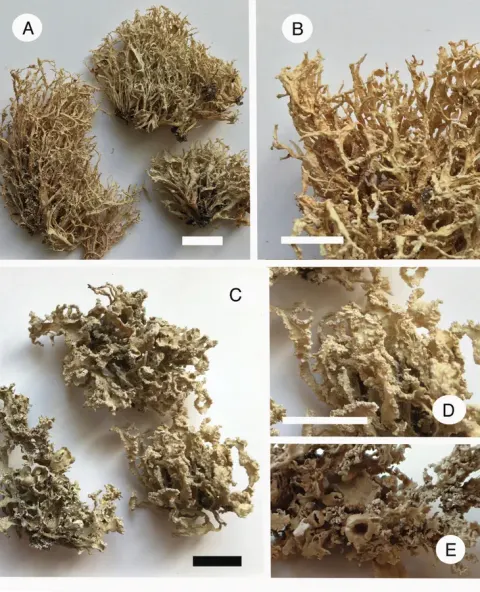
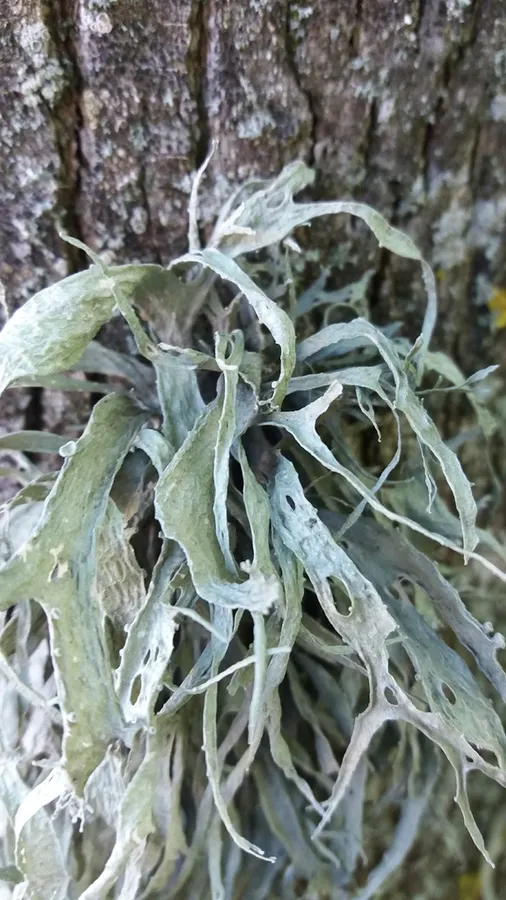
Ramalina fraxinea, the cartilage lichen, is a fruticose lichen with erect or pendulous thalli and branches that are flattened. Colour varies from pale green though yellow-grey to white-grey; apothecia are frequent and soralia may also be present. The Latin word ramas means . This genus is a shrubby or fruticose group with erect or pendulous thalli. The branches are flattened and rather stiff. Colour varies from pale green though yellow-grey to white-grey. Apothecia are frequent and soralia may be present. Apothecia are usually concave and often pruinose. The branches of R. fraxinea have a very distinctive shape, being widest toward the middle (as much as 4.5 cm in some specimens) and tapering at both the point of attachment and toward the tip (to about 1 cm). The thallus is green-grey in colour, pendent and may be as long as 10 cm. It has the overall appearance of being coarsely tufted, individual branches showing a channelled, wrinkled appearance. The branches may have a twist or turn to them. The apothecia are cup-like and convex and are found both along the edges of the branches and on the surface or lamina. The spores are kidney-shaped. It does not contain as many apothecia as Ramalina fastigiata. The specimens in the photographs here shown here are very large, but does not have many apothecia, the spore-producing discs. The few that were present were borne on short stalks, and were located on the surface of the lobes, especially near the edges. Ramalina fraxinea is a polycarpic species, so sexual reproduction does not cause the death of the thallus; once apothecia have developed, it can continue producing sexual propagules throughout its lifespan.

Sebagian uraian ditampilkan dalam bahasa sumber; terjemahannya belum tersedia atau belum lolos pemeriksaan.

Rujukan: [1]

Pengukuran mengikuti objek, spesimen atau kultur, dan metode yang disebutkan sumber. Baca uraian asli untuk konteks lengkap.

02 / Kehidupan

Habitat dan peran ekologis

Lilin ini tersebar luas di Inggris, ditemukan pada kulit pohon. Di timur laut England and timur Scotland it sering berkembang dengan baik, tumbuh sampai 12 cm dengan batang sampai 2 cm lebar. Di daerah yang kurang menguntungkan, jumlahnya jauh lebih kecil. Spesies ini telah menurun secara signifikan sejak pertengahan abad ke-20 dan sekarang jarang atau tidak ada di banyak daerah di Inggris. Its sensitivity to air pollution and fertilizer enrichment may be reasons for the decline. Hal ini terutama ditemukan pada kulit Acer, Fraxinus, Populus, Tilia and Ulmus; telah ditemukan tumbuh di ek Rhododendron and. Hal ini telah tercatat di Belanda, Spanyol, Belgia, Luksemburg, Prancis, Inggris, Skotlandia, Norway and Latvia. Spesies ini telah banyak tercatat di Amerika Serikat States of. Ramalina fraxinea menyukai tempat yang berangin, terbuka dan terang dan ditemukan pada spesies dengan kulit kaya nutrisi. Spesies ini juga menyukai daerah lembap atau kabut di dekat kolam atau sungai.

Sebagian uraian ditampilkan dalam bahasa sumber; terjemahannya belum tersedia atau belum lolos pemeriksaan.

Rujukan: [1]

Habitat atau konteks temuan
Informasi belum tersedia pada sumber rilis ini.
Substrat
Informasi belum tersedia pada sumber rilis ini.
Peran atau konteks
Pembentuk liken
Temukan hubungan serupa
03 / Siklus hidup

Reproduksi

The spores are kidney-shaped. It does not contain as many apothecia as Ramalina fastigiata. The specimens in the photographs here shown here are very large, but does not have many apothecia, the spore-producing discs. The few that were present were borne on short stalks, and were located on the surface of the lobes, especially near the edges. Ramalina fraxinea is a polycarpic species, so sexual reproduction does not cause the death of the thallus; once apothecia have developed, it can continue producing sexual propagules throughout its lifespan.

Sebagian uraian ditampilkan dalam bahasa sumber; terjemahannya belum tersedia atau belum lolos pemeriksaan.

Rujukan: [1]

Sinonim menurut acuan taksonomi rilis: Evernia calicaris var. fraxinea; Lichen fraxineus; Lobaria fraxinea; Parmelia fraxinea; Parmelia fraxinea var. ampliata; Physcia fraxinea; Platisma fraxineum; Platysma fraxineum; Ramalina calicaris f. ampliata; Ramalina calicaris f. calicariformis; Ramalina calicaris f. fraxinea; Ramalina calicaris f. taeniiformis; Ramalina calicaris subsp. fraxinea; Ramalina calicaris var. ampliata; Ramalina calicaris var. fraxinea; Ramalina fraxinea ampliata; Ramalina fraxinea f. ampliata; Ramalina fraxinea f. calicariformis; Ramalina fraxinea f. taeniiformis; Ramalina fraxinea subsp. calicariformis; Ramalina fraxinea taeniiformis; Ramalina fraxinea var. ampliata; Ramalina fraxinea var. calicariformis; Ramalina fraxinea var. taeniiformis; Ramalina polymorpha var. ampliata; Ramalina polymorpha var. fraxinea
04 / Batas informasi

Catatan identitas dan cakupan

  • Nama diterima mengikuti Catalogue of Life Base2026-09-11; uraian mempertahankan konsep dan nama sumber aslinya.
  • Original geographic, specimen and life-cycle scope retained; source import awaits individual editorial review.
  • Impor dan terjemahan otomatis belum diperiksa editorial per profil. Struktur reproduktif yang disebutkan tidak membuktikan seluruh siklus hidup diketahui.
  • Pengukuran pada uraian mengikuti spesimen, kultur, dan metode sumber; angka tidak diperluas ke semua populasi.

Catatan distribusi dalam narasi mengikuti sumbernya. Dokumentasi spesimen atau foto mengikuti catatan sumber. Bukti wilayah Indonesia dan penilaian konservasi tidak disimpulkan dari gambar.

05 / Dokumentasi

Melihat dengan konteks

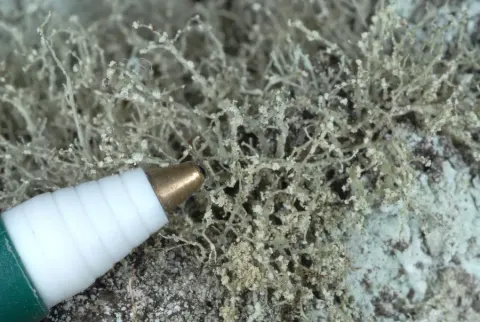
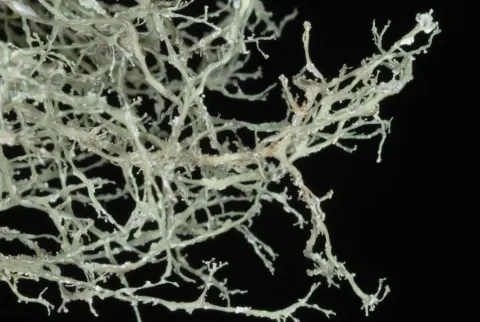
Dokumentasi Ramalina fraxinea menurut asosiasi foto pada record takson iNaturalist. Kredit: Paulius Rupšas. Identitas mengikuti sumber; bukan penentuan spesimen independen.

Jenis
Fotografi
Kredit
(c) Paulius Rupšas, some rights reserved (CC BY), uploaded by Paulius Rupšas
Lisensi
CC BY 4.0
Sumber media
Buka entri sumber

Gambar menunjukkan objek menurut identifikasi sumber, bukan verifikasi independen spesimen oleh Fungi. Tidak ada skala baru yang ditambahkan.

06 / Rujukan

Sumber profil

  1. [1] Ramalina fraxinea — Wikipedia (en)Bagian sumber: Frozen revision 1344905627
    Tanggal penghimpunan sumber: 2026-10-12
    Teks sumber: CC BY-SA4.0 · Wikipedia contributors
  2. [2] Catalogue of Life Base2026-09-11 — Ramalina fraxineaBagian sumber: ColDP NameUsage.tsv ID 4RBFX; accepted species; source 2073
    Tanggal penghimpunan sumber: 2026-10-12
  3. [3] Dokumentasi visual — Ramalina fraxineaBagian sumber: Individual media record; identification follows the source, not independent determination
    Tanggal penghimpunan sumber: 2026-10-12
    Media sumber: CC BY 4.0 · (c) Paulius Rupšas, some rights reserved (CC BY), uploaded by Paulius Rupšas

Adaptasi teks: CC BY-SA 4.0. Wikipedia contributors — Ramalina fraxinea — Wikipedia (en)

Uraian asli dan riwayat sumber

Riwayat atau halaman sumber

Ringkasan sumber

Ramalina fraxinea, the cartilage lichen, is a fruticose lichen with erect or pendulous thalli and branches that are flattened. Colour varies from pale green though yellow-grey to white-grey; apothecia are frequent and soralia may also be present.

Revisi sumber

Morfologi sumber

Ramalina fraxinea, the cartilage lichen, is a fruticose lichen with erect or pendulous thalli and branches that are flattened. Colour varies from pale green though yellow-grey to white-grey; apothecia are frequent and soralia may also be present. The Latin word ramas means . This genus is a shrubby or fruticose group with erect or pendulous thalli. The branches are flattened and rather stiff. Colour varies from pale green though yellow-grey to white-grey. Apothecia are frequent and soralia may be present. Apothecia are usually concave and often pruinose. The branches of R. fraxinea have a very distinctive shape, being widest toward the middle (as much as 4.5 cm in some specimens) and tapering at both the point of attachment and toward the tip (to about 1 cm). The thallus is green-grey in colour, pendent and may be as long as 10 cm. It has the overall appearance of being coarsely tufted, individual branches showing a channelled, wrinkled appearance. The branches may have a twist or turn to them. The apothecia are cup-like and convex and are found both along the edges of the branches and on the surface or lamina. The spores are kidney-shaped. It does not contain as many apothecia as Ramalina fastigiata. The specimens in the photographs here shown here are very large, but does not have many apothecia, the spore-producing discs. The few that were present were borne on short stalks, and were located on the surface of the lobes, especially near the edges. Ramalina fraxinea is a polycarpic species, so sexual reproduction does not cause the death of the thallus; once apothecia have developed, it can continue producing sexual propagules throughout its lifespan.

Revisi sumber

Ekologi sumber

This lichen is widespread in the United Kingdom, being found on tree bark. In north-eastern England and eastern Scotland it is often well developed, growing up to 12 cm with thongs of up to 2 cm wide. In less favourable areas it is much smaller. The species has declined markedly since the mid 20th century and is now rare or absent in many UK areas. Its sensitivity to air pollution and fertilizer enrichment may be reasons for the decline. It is mainly found on the bark of Acer, Fraxinus, Populus, Tilia and Ulmus; it has been found growing on Rhododendron and oak. It has been recorded in Netherlands, Spain, Belgium, Luxembourg, France, England, Scotland, Norway and Latvia. The species has been widely recorded in the United States of America. Ramalina fraxinea likes windy, exposed and well-lit sites and it is found on species with nutrient-rich bark. The species also likes humid or foggy areas near ponds or rivers.

Revisi sumber

Struktur reproduksi sumber

The spores are kidney-shaped. It does not contain as many apothecia as Ramalina fastigiata. The specimens in the photographs here shown here are very large, but does not have many apothecia, the spore-producing discs. The few that were present were borne on short stalks, and were located on the surface of the lobes, especially near the edges. Ramalina fraxinea is a polycarpic species, so sexual reproduction does not cause the death of the thallus; once apothecia have developed, it can continue producing sexual propagules throughout its lifespan.

Revisi sumber

Rujukan halaman ini

Fungi. Ramalina fraxinea. Rilis data fungi-2026-10-12-expansion-2. https://fungi-atlas.mgadib.chatgpt.site/jamur/ramalina-fraxinea/.

Status: impor sumber; pemeriksaan editorial per profil belum selesai. Untuk klaim biologis, gunakan rujukan pada bagian terkait dan periksa konteks sumber aslinya.