01 / Morfologi

Ciri dan struktur

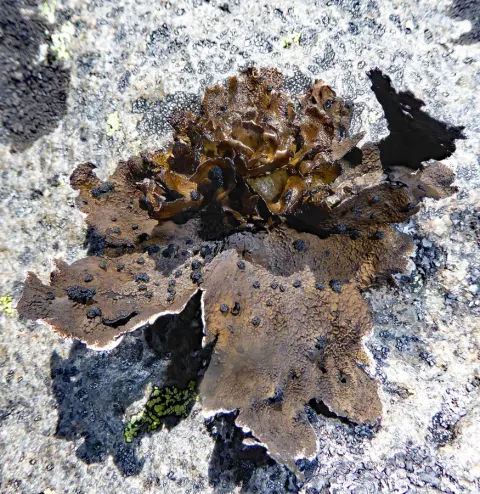
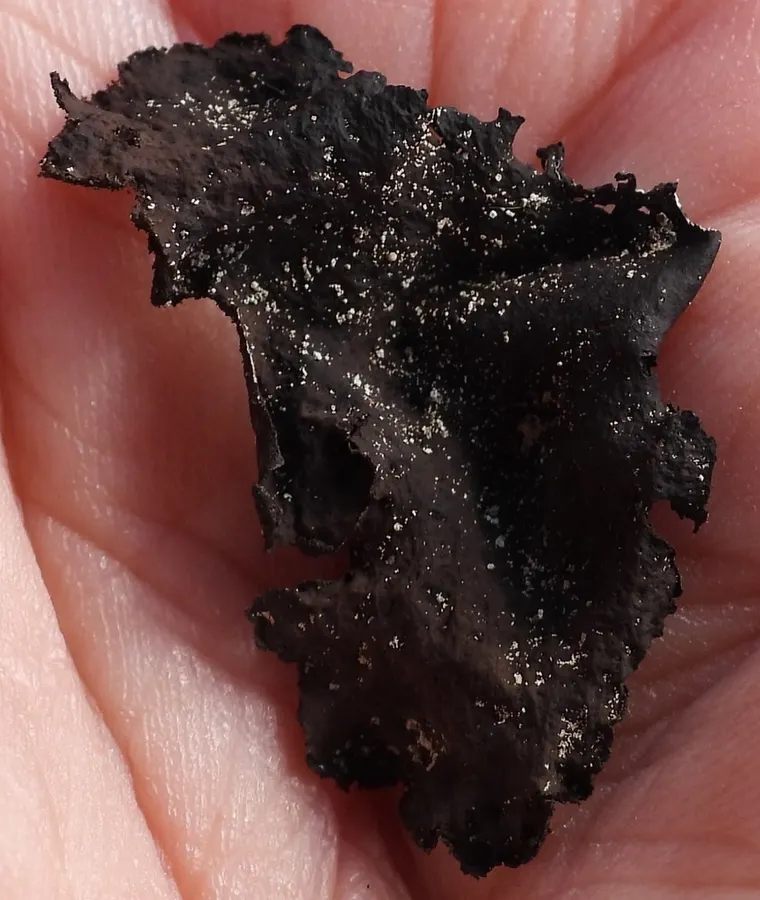
Umbilicaria deusta, commonly known as peppered rock tripe, is a widely distributed species of saxicolous lichen in the family Umbilicariaceae. It was first described by Carl Linnaeus in his 1753 work Species Plantarum as Lichen polyphyllus. German botanist Johann Christian Gottlob Baumgarten transferred it to the genus Umbilicaria in 1790. The lichen has a dark brown to nearly black thallus that typically measures 1 – 5 cm in diameter. The upper surface is covered with tiny black dots that are granular isidia; the lower surface is the same colour as the upper surface, and is either smooth or covereds with dimples. It grows on exposed boulders and rocky outcrops.

Sebagian uraian ditampilkan dalam bahasa sumber; terjemahannya belum tersedia atau belum lolos pemeriksaan.

Rujukan: [1]

Pengukuran mengikuti objek, spesimen atau kultur, dan metode yang disebutkan sumber. Baca uraian asli untuk konteks lengkap.

02 / Kehidupan

Habitat dan peran ekologis

Umbilicaria deusta, commonly known as peppered rock tripe, is a widely distributed species of saxicolous lichen in the family Umbilicariaceae. It was first described by Carl Linnaeus in his 1753 work Species Plantarum as Lichen polyphyllus. German botanist Johann Christian Gottlob Baumgarten transferred it to the genus Umbilicaria in 1790. The lichen has a dark brown to nearly black thallus that typically measures 1 – 5 cm in diameter. The upper surface is covered with tiny black dots that are granular isidia; the lower surface is the same colour as the upper surface, and is either smooth or covereds with dimples. It grows on exposed boulders and rocky outcrops.

Sebagian uraian ditampilkan dalam bahasa sumber; terjemahannya belum tersedia atau belum lolos pemeriksaan.

Rujukan: [1]

Habitat atau konteks temuan
Informasi belum tersedia pada sumber rilis ini.
Substrat
Informasi belum tersedia pada sumber rilis ini.
Peran atau konteks
Pembentuk liken
Temukan hubungan serupa
03 / Siklus hidup

Reproduksi

Umbilicaria deusta, commonly known as peppered rock tripe, is a widely distributed species of saxicolous lichen in the family Umbilicariaceae. It was first described by Carl Linnaeus in his 1753 work Species Plantarum as Lichen polyphyllus. German botanist Johann Christian Gottlob Baumgarten transferred it to the genus Umbilicaria in 1790. The lichen has a dark brown to nearly black thallus that typically measures 1 – 5 cm in diameter. The upper surface is covered with tiny black dots that are granular isidia; the lower surface is the same colour as the upper surface, and is either smooth or covereds with dimples. It grows on exposed boulders and rocky outcrops.

Sebagian uraian ditampilkan dalam bahasa sumber; terjemahannya belum tersedia atau belum lolos pemeriksaan.

Rujukan: [1]

Sinonim menurut acuan taksonomi rilis: Graphis corrugata var. apythmemina; Gyromium deustum; Gyrophora aenea var. flocculosa; Gyrophora deusta; Gyrophora deusta var. flocculosa; Gyrophora flocculosa; Gyrophora glabra var. deusta; Gyrophora polyphylla var. deusta; Gyrophora polyphylla var. flocculosa; Lichen flocculosus; Umbilicaria aenea var. flocculosa; Umbilicaria flocculosa; Umbilicaria polymorpha var. deusta; Umbilicaria polyphylla f. deusta; Umbilicaria polyphylla f. flocculosa; Umbilicaria polyphylla var. deusta; Umbilicaria polyphylla var. flocculosa; Umbilicaria varia var. deusta; Umbilicaria varia var. flocculosa
04 / Batas informasi

Catatan identitas dan cakupan

  • Nama diterima mengikuti Catalogue of Life Base2026-09-11; uraian mempertahankan konsep dan nama sumber aslinya.
  • Original geographic, specimen and life-cycle scope retained; source import awaits individual editorial review.
  • Impor dan terjemahan otomatis belum diperiksa editorial per profil. Struktur reproduktif yang disebutkan tidak membuktikan seluruh siklus hidup diketahui.
  • Pengukuran pada uraian mengikuti spesimen, kultur, dan metode sumber; angka tidak diperluas ke semua populasi.

Catatan distribusi dalam narasi mengikuti sumbernya. Dokumentasi spesimen atau foto mengikuti catatan sumber. Bukti wilayah Indonesia dan penilaian konservasi tidak disimpulkan dari gambar.

05 / Dokumentasi

Melihat dengan konteks

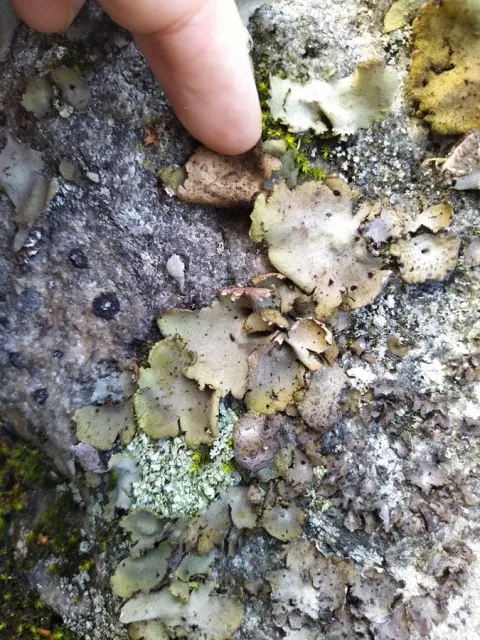
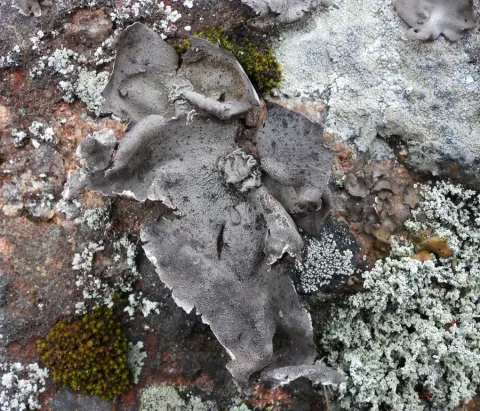
Dokumentasi Umbilicaria deusta menurut asosiasi foto pada record takson iNaturalist. Kredit: Vesa Oikonen. Identitas mengikuti sumber; bukan penentuan spesimen independen.

Jenis
Fotografi
Kredit
no rights reserved, uploaded by Vesa Oikonen
Lisensi
CC0 1.0
Sumber media
Buka entri sumber

Gambar menunjukkan objek menurut identifikasi sumber, bukan verifikasi independen spesimen oleh Fungi. Tidak ada skala baru yang ditambahkan.

06 / Rujukan

Sumber profil

  1. [1] Umbilicaria deusta — Wikipedia (en)Bagian sumber: Frozen revision 1330477041
    Tanggal penghimpunan sumber: 2026-10-12
    Teks sumber: CC BY-SA4.0 · Wikipedia contributors
  2. [2] Catalogue of Life Base2026-09-11 — Umbilicaria deustaBagian sumber: ColDP NameUsage.tsv ID 7DGS9; accepted species; source 2073
    Tanggal penghimpunan sumber: 2026-10-12
  3. [3] Dokumentasi visual — Umbilicaria deustaBagian sumber: Individual media record; identification follows the source, not independent determination
    Tanggal penghimpunan sumber: 2026-10-12
    Media sumber: CC0 1.0 · no rights reserved, uploaded by Vesa Oikonen

Adaptasi teks: CC BY-SA 4.0. Wikipedia contributors — Umbilicaria deusta — Wikipedia (en)

Uraian asli dan riwayat sumber

Riwayat atau halaman sumber

Ringkasan sumber

Umbilicaria deusta, commonly known as peppered rock tripe, is a widely distributed species of saxicolous lichen in the family Umbilicariaceae. It was first described by Carl Linnaeus in his 1753 work Species Plantarum as Lichen polyphyllus. German botanist Johann Christian Gottlob Baumgarten transferred it to the genus Umbilicaria in 1790. The lichen has a dark brown to nearly black thallus that typically measures 1 – 5 cm in diameter. The upper surface is covered with tiny black dots that are granular isidia; the lower surface is the same colour as the upper surface, and is either smooth or covereds with dimples.

Revisi sumber

Morfologi sumber

Umbilicaria deusta, commonly known as peppered rock tripe, is a widely distributed species of saxicolous lichen in the family Umbilicariaceae. It was first described by Carl Linnaeus in his 1753 work Species Plantarum as Lichen polyphyllus. German botanist Johann Christian Gottlob Baumgarten transferred it to the genus Umbilicaria in 1790. The lichen has a dark brown to nearly black thallus that typically measures 1 – 5 cm in diameter. The upper surface is covered with tiny black dots that are granular isidia; the lower surface is the same colour as the upper surface, and is either smooth or covereds with dimples. It grows on exposed boulders and rocky outcrops.

Revisi sumber

Ekologi sumber

Umbilicaria deusta, commonly known as peppered rock tripe, is a widely distributed species of saxicolous lichen in the family Umbilicariaceae. It was first described by Carl Linnaeus in his 1753 work Species Plantarum as Lichen polyphyllus. German botanist Johann Christian Gottlob Baumgarten transferred it to the genus Umbilicaria in 1790. The lichen has a dark brown to nearly black thallus that typically measures 1 – 5 cm in diameter. The upper surface is covered with tiny black dots that are granular isidia; the lower surface is the same colour as the upper surface, and is either smooth or covereds with dimples. It grows on exposed boulders and rocky outcrops.

Revisi sumber

Struktur reproduksi sumber

Umbilicaria deusta, commonly known as peppered rock tripe, is a widely distributed species of saxicolous lichen in the family Umbilicariaceae. It was first described by Carl Linnaeus in his 1753 work Species Plantarum as Lichen polyphyllus. German botanist Johann Christian Gottlob Baumgarten transferred it to the genus Umbilicaria in 1790. The lichen has a dark brown to nearly black thallus that typically measures 1 – 5 cm in diameter. The upper surface is covered with tiny black dots that are granular isidia; the lower surface is the same colour as the upper surface, and is either smooth or covereds with dimples. It grows on exposed boulders and rocky outcrops.

Revisi sumber

Rujukan halaman ini

Fungi. Umbilicaria deusta. Rilis data fungi-2026-10-12-expansion-2. https://fungi-atlas.mgadib.chatgpt.site/jamur/umbilicaria-deusta/.

Status: impor sumber; pemeriksaan editorial per profil belum selesai. Untuk klaim biologis, gunakan rujukan pada bagian terkait dan periksa konteks sumber aslinya.