Ciri dan struktur
Wahlenbergiella mucosa is a crustose lichen with a distinctive appearance. Its thallus (main body) is superficial, reaching up to 1 mm in thickness, with a somewhat gelatinous texture. The surface is smooth and shiny, without cracks, and varies in colour depending on light exposure—appearing olive-green in shaded conditions and dark green to black in full sunlight. When fresh and wet, the thallus becomes slightly translucent. A white (an initial fungal growth stage) is visible around the edges. Its reproductive structures (perithecia) are immersed within the thallus rather than protruding from it. Each perithecium measures up to 150 micrometres (μm) in diameter and is generally pale in colour except at its apex. The , a protective covering, is small and surrounds only the top portion of the perithecium. Inside the perithecia, the lichen produces (reproductive spores) measuring 7–10 μm in length and 4–7 μm in width. These spores have relatively thick walls compared to those of related species. The photobiont partner of W. mucosa is the green algal species Paulbroadya petersii.
Habitat dan peran ekologis
Wahlenbergiella mucosa inhabits rocky seashores within the mid-littoral zone, growing in both sunny and shaded environments. It commonly grows among barnacles and macroalgae, forming patches that can become quite extensive. The species shows a preference for exposed shores and demonstrates poor tolerance for silty conditions, making it less common in sheltered coastal areas. This lichen is very common throughout Britain and Ireland, with the exception of southeastern England where it appears to be absent. The species can be confused with the freshwater lichen Verrucaria elaeomelaena, which has a similar appearance. It can also be distinguished from V. ceuthocarpa, which displays a dull brown to nearly black colouration with numerous deep cracks and sometimes more prominent perithecia. V. ceuthocarpa has a much more restricted distribution, known from only two locations in Scotland. Wahlenbergiella mucosa is one of several marine Verrucariaceae lichens that have been investigated for use as possible bioindicators of coastal water pollution.
- Habitat atau konteks temuan
- Informasi belum tersedia pada sumber rilis ini.
- Substrat
- Informasi belum tersedia pada sumber rilis ini.
- Peran atau konteks
- Pembentuk liken
Reproduksi
Its reproductive structures (perithecia) are immersed within the thallus rather than protruding from it. Each perithecium measures up to 150 micrometres (μm) in diameter and is generally pale in colour except at its apex. The , a protective covering, is small and surrounds only the top portion of the perithecium. Inside the perithecia, the lichen produces (reproductive spores) measuring 7–10 μm in length and 4–7 μm in width. These spores have relatively thick walls compared to those of related species.
Catatan identitas dan cakupan
- Nama diterima mengikuti Catalogue of Life Base2026-09-11; uraian mempertahankan konsep dan nama sumber aslinya.
- Original geographic, specimen and life-cycle scope retained; source import awaits individual editorial review.
- Impor dan terjemahan otomatis belum diperiksa editorial per profil. Struktur reproduktif yang disebutkan tidak membuktikan seluruh siklus hidup diketahui.
- Pengukuran pada uraian mengikuti spesimen, kultur, dan metode sumber; angka tidak diperluas ke semua populasi.
Catatan distribusi dalam narasi mengikuti sumbernya. Dokumentasi spesimen atau foto mengikuti catatan sumber. Bukti wilayah Indonesia dan penilaian konservasi tidak disimpulkan dari gambar.
Melihat dengan konteks
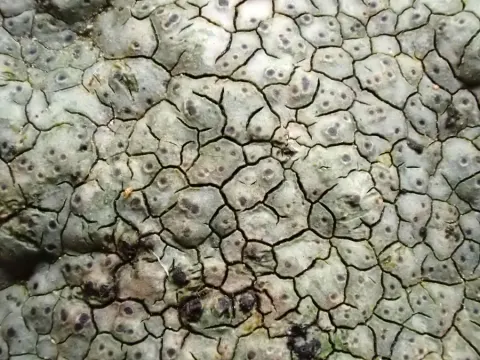
Dokumentasi Wahlenbergiella mucosa menurut asosiasi foto pada record takson iNaturalist. Kredit: Paco Bergson. Identitas mengikuti sumber; bukan penentuan spesimen independen.
- Jenis
- Fotografi
- Kredit
- (c) Paco Bergson, some rights reserved (CC BY), uploaded by Paco Bergson
- Lisensi
- CC BY 4.0
- Sumber media
- Buka entri sumber
Dokumentasi tambahan
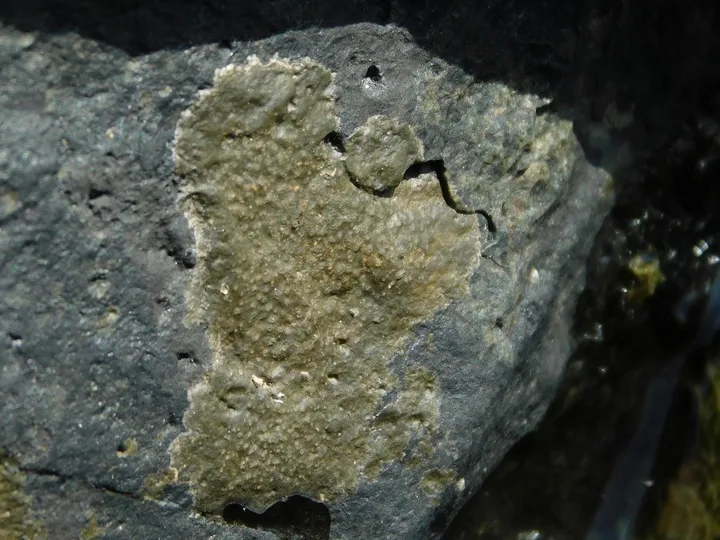
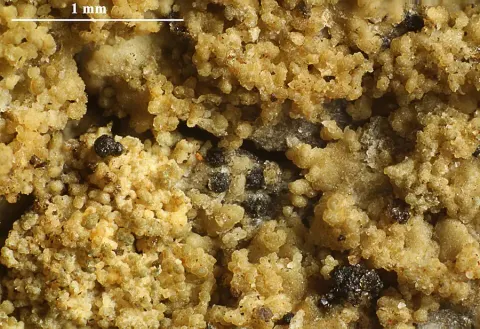
Foto yang diasosiasikan dengan Wahlenbergiella mucosa pada iNaturalist. Identifikasi mengikuti sumber; bukan penentuan spesimen independen.
Kredit dan penggunaan
(c) Michael J. Papay, some rights reserved (CC BY), uploaded by Michael J. Papay
Ukuran dan format gambar disesuaikan tanpa pemotongan, retus, atau penambahan skala. Lisensi sumber dipertahankan.
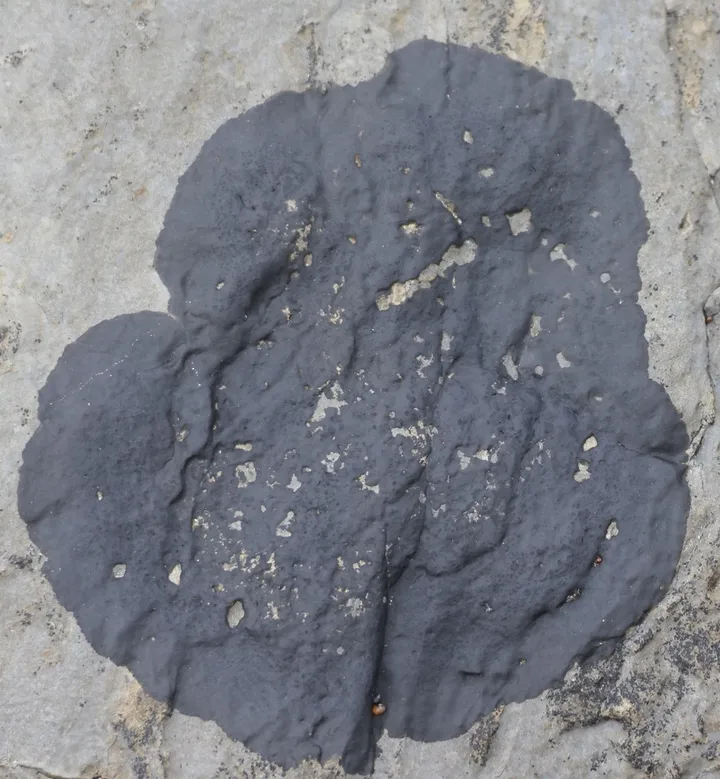
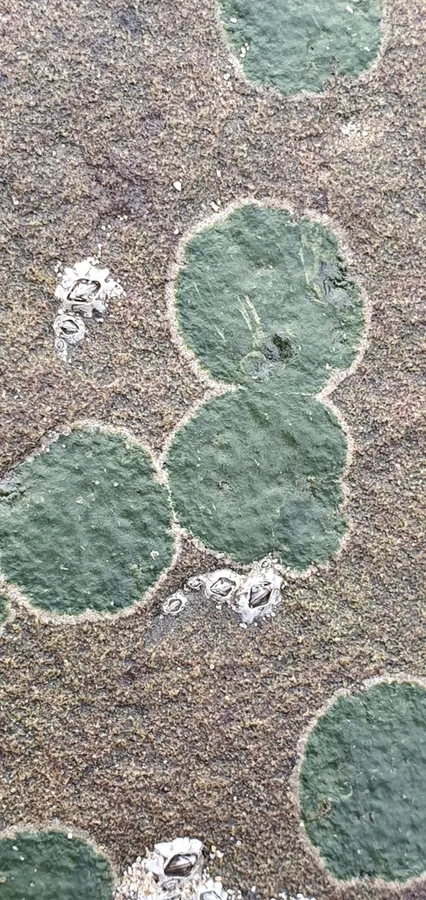
Foto yang diasosiasikan dengan Wahlenbergiella mucosa pada iNaturalist. Identifikasi mengikuti sumber; bukan penentuan spesimen independen.
Kredit dan penggunaan
(c) Jerry Lanfear, some rights reserved (CC BY), uploaded by Jerry Lanfear
Ukuran dan format gambar disesuaikan tanpa pemotongan, retus, atau penambahan skala. Lisensi sumber dipertahankan.
Sumber profil
- [1] Wahlenbergiella mucosa — Wikipedia (en)
- [2] Catalogue of Life Base2026-09-11 — Wahlenbergiella mucosa
- [3] Dokumentasi visual — Wahlenbergiella mucosa
- [4] Dokumentasi visual — Wahlenbergiella mucosa
- [5] Dokumentasi visual — Wahlenbergiella mucosa
Rujukan halaman ini
Fungi. Wahlenbergiella mucosa. Rilis data fungi-2026-10-12-expansion-2. https://fungi-atlas.mgadib.chatgpt.site/jamur/wahlenbergiella-mucosa/.
Status: impor sumber; pemeriksaan editorial per profil belum selesai. Untuk klaim biologis, gunakan rujukan pada bagian terkait dan periksa konteks sumber aslinya.