Ciri dan struktur
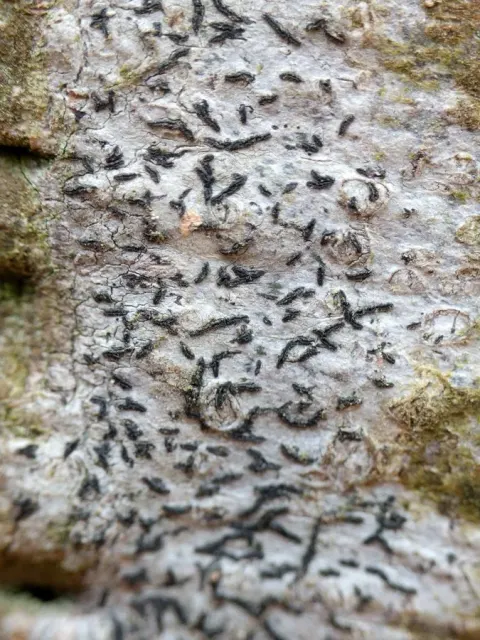
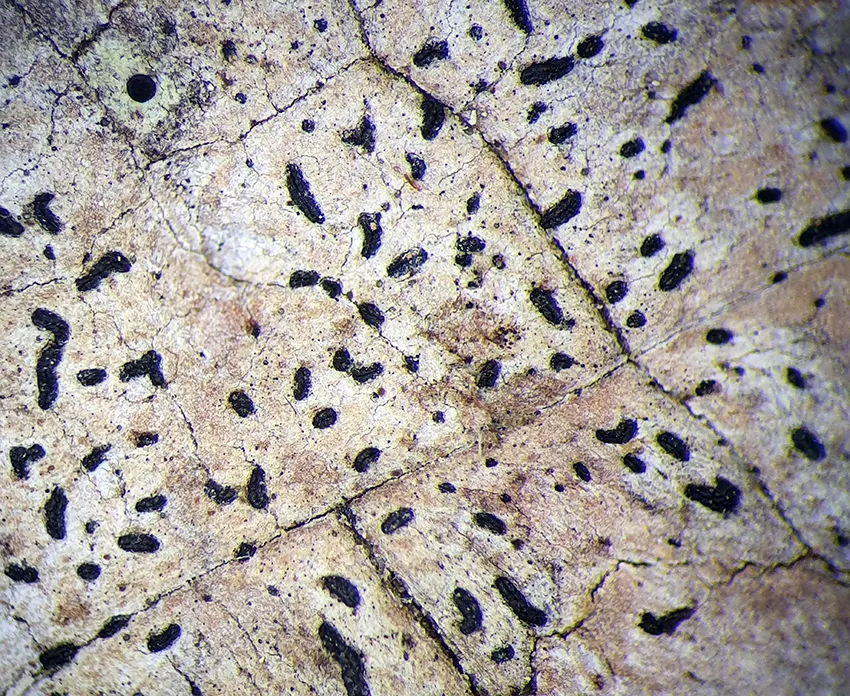
Zwackhia viridis is characterised by a subtle and svelte thallus that can range from being barely noticeable to a fine texture. Its colour spectrum includes shades of pale brown, grey, greenish-grey, brownish-grey, and green, all in a finish. On occasion, a prothallus can be observed, distinguishable by its dark brown hue and a width spanning 0.1–0.2 mm. The ascomata (spore-producing structures) are dispersed relatively evenly across the thallus, though sometimes they appear in clusters of two to four. These structures are (slit-like) in shape, generally straight, but can also have curved or slightly patterns. They are black and measure between 0.2 and 1.2 mm in length and 0.15–0.3 mm in width. Their hymenial is not and looks like a distinct slit. Underneath the hymenium, the is of a dark brown shade which turns an olivaceous colour upon a potassium hydroxide (K) chemical spot test. This structure's width varies from 25 to 50 μm on the sides to 15–80 μm at the base. The beneath is pale brown, stands 5–20 μm tall, and reacts to tests with an olivaceous hue on K and a red hue on iodine. The hymenium itself is clear and devoid of oil droplets, standing at a height between 75 and 120 μm. When exposed to potassium hydroxide and iodine (K/I), it turns blue. The branched intertwine and measure between 1.0 and 1.5 μm in width without a distinct enlarged tip. The on top is a pale brown shade, which turns red when exposed to iodine. Asci, the sac-like structures that produce spores, have a to ellipsoid shape. They hold eight spores and range in size from 55 to 70 by 16–22 μm, with a pronounced apical blue ring upon K/I exposure.
Habitat dan peran ekologis
Zwackhia viridis has a cosmopolitan distribution, having been documented in Africa, Asia, the Americas, Europe, and Oceania. It was first reported from the Chatham Islands in 2020. It was rediscovered in Lower Saxony (Germany) after exactly 150 years; according to the Red List of Lower Saxony (under Opegrapha viridis), the species has been considered extinct in the hill and mountain regions since 1885.
- Habitat atau konteks temuan
- Informasi belum tersedia pada sumber rilis ini.
- Substrat
- Informasi belum tersedia pada sumber rilis ini.
- Peran atau konteks
- Pembentuk liken
Reproduksi
The ascomata (spore-producing structures) are dispersed relatively evenly across the thallus, though sometimes they appear in clusters of two to four. These structures are (slit-like) in shape, generally straight, but can also have curved or slightly patterns. They are black and measure between 0.2 and 1.2 mm in length and 0.15–0.3 mm in width. Their hymenial is not and looks like a distinct slit. Asci, the sac-like structures that produce spores, have a to ellipsoid shape. They hold eight spores and range in size from 55 to 70 by 16–22 μm, with a pronounced apical blue ring upon K/I exposure. The are , clear, predominantly straight but occasionally exhibit a slight curve. They have 10–15 (up to 17) septa without constriction at these divisions.
Catatan identitas dan cakupan
- Nama diterima mengikuti Catalogue of Life Base2026-09-11; uraian mempertahankan konsep dan nama sumber aslinya.
- Original geographic, specimen and life-cycle scope retained; source import awaits individual editorial review.
- Impor dan terjemahan otomatis belum diperiksa editorial per profil. Struktur reproduktif yang disebutkan tidak membuktikan seluruh siklus hidup diketahui.
- Pengukuran pada uraian mengikuti spesimen, kultur, dan metode sumber; angka tidak diperluas ke semua populasi.
Catatan distribusi dalam narasi mengikuti sumbernya. Dokumentasi spesimen atau foto mengikuti catatan sumber. Bukti wilayah Indonesia dan penilaian konservasi tidak disimpulkan dari gambar.
Melihat dengan konteks
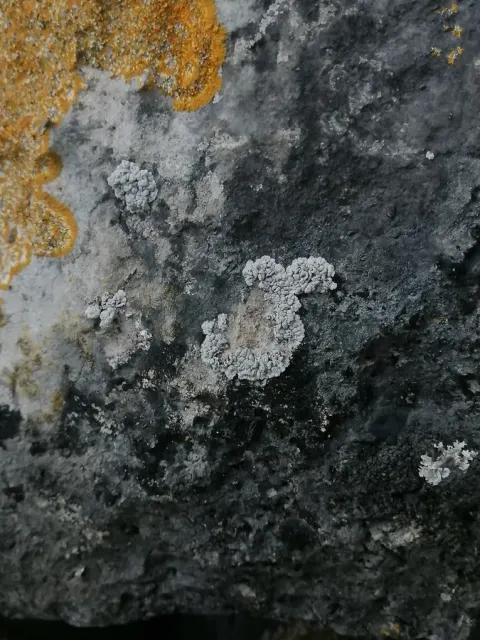
Dokumentasi Zwackhia viridis menurut asosiasi foto pada record takson iNaturalist. Kredit: Peter de Lange. Identitas mengikuti sumber; bukan penentuan spesimen independen.
- Jenis
- Fotografi
- Kredit
- no rights reserved, uploaded by Peter de Lange
- Lisensi
- CC0 1.0
- Sumber media
- Buka entri sumber
Dokumentasi tambahan
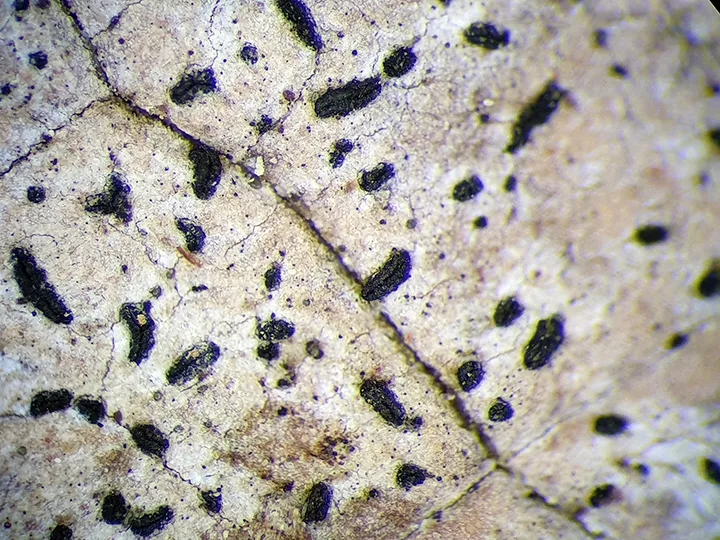
Foto yang diasosiasikan dengan Zwackhia viridis pada iNaturalist. Identifikasi mengikuti sumber; bukan penentuan spesimen independen.
Kredit dan penggunaan
no rights reserved, uploaded by Peter de Lange
Ukuran dan format gambar disesuaikan tanpa pemotongan, retus, atau penambahan skala. Lisensi sumber dipertahankan.
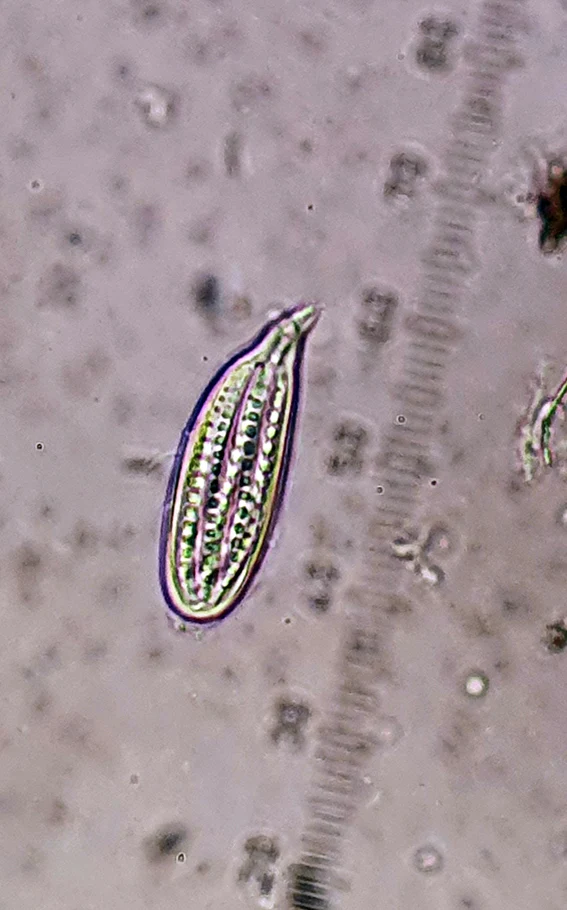
Preparat mikroskopis yang diasosiasikan dengan Zwackhia viridis pada iNaturalist. Identitas mengikuti sumber.
Kredit dan penggunaan
no rights reserved, uploaded by Peter de Lange
Ukuran dan format gambar disesuaikan tanpa pemotongan, retus, atau penambahan skala. Lisensi sumber dipertahankan.
Sumber profil
- [1] Zwackhia viridis — Wikipedia (en)
- [2] Catalogue of Life Base2026-09-11 — Zwackhia viridis
- [3] Dokumentasi visual — Zwackhia viridis
- [4] Dokumentasi visual — Zwackhia viridis
- [5] Dokumentasi visual — Zwackhia viridis
Rujukan halaman ini
Fungi. Zwackhia viridis. Rilis data fungi-2026-10-12-expansion-2. https://fungi-atlas.mgadib.chatgpt.site/jamur/zwackhia-viridis/.
Status: impor sumber; pemeriksaan editorial per profil belum selesai. Untuk klaim biologis, gunakan rujukan pada bagian terkait dan periksa konteks sumber aslinya.