Ciri dan struktur
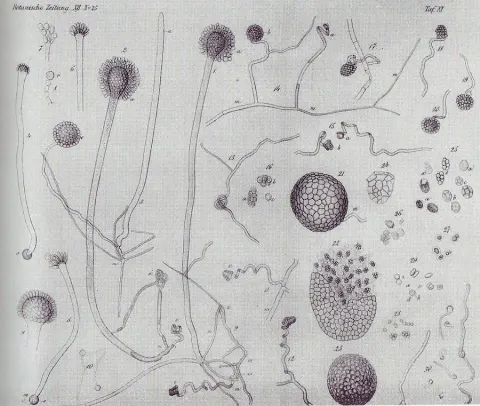
Aspergillus fumigatus, a saprotroph widespread in nature, is typically found in soil and decaying organic matter, such as compost heaps, where it plays an essential role in carbon and nitrogen recycling. Colonies of the fungus produce from conidiophores; thousands of minute grey-green conidia (2–3 μm) which readily become airborne. For many years, A. fumigatus was thought to only reproduce asexually, as neither mating nor meiosis had ever been observed. In 2008, A. fumigatus was shown to possess a fully functional sexual reproductive cycle, 145 years after its original description by Fresenius. Although A. fumigatus occurs in areas with widely different climates and environments, it displays low genetic variation and a lack of population genetic differentiation on a global scale. Thus, the capability for sex is maintained, though little genetic variation is produced. The fungus is capable of growth at 37 °C (normal human body temperature), and can grow at temperatures up to 50 °C, with conidia surviving at 70 °C—conditions it regularly encounters in self-heating compost heaps. Its spores are ubiquitous in the atmosphere, and everybody inhales an estimated several hundred spores each day; typically, these are quickly eliminated by the immune system in healthy individuals. In immunocompromised individuals, such as organ transplant recipients and people with AIDS or leukemia, the fungus is more likely to become pathogenic, over-running the host's weakened defenses and causing a range of diseases generally termed aspergillosis. Due to the recent increase in the use of immunosuppressants to treat human illnesses, it is estimated that A. fumigatus may be responsible for over 600,000 deaths annually with a mortality rate between 25 and 90%.
Habitat dan peran ekologis
Aspergillus fumigatus, a saprotroph widespread in nature, is typically found in soil and decaying organic matter, such as compost heaps, where it plays an essential role in carbon and nitrogen recycling. Colonies of the fungus produce from conidiophores; thousands of minute grey-green conidia (2–3 μm) which readily become airborne. For many years, A. fumigatus was thought to only reproduce asexually, as neither mating nor meiosis had ever been observed. In 2008, A. fumigatus was shown to possess a fully functional sexual reproductive cycle, 145 years after its original description by Fresenius. Although A. fumigatus occurs in areas with widely different climates and environments, it displays low genetic variation and a lack of population genetic differentiation on a global scale. Thus, the capability for sex is maintained, though little genetic variation is produced. The fungus is capable of growth at 37 °C (normal human body temperature), and can grow at temperatures up to 50 °C, with conidia surviving at 70 °C—conditions it regularly encounters in self-heating compost heaps. Its spores are ubiquitous in the atmosphere, and everybody inhales an estimated several hundred spores each day; typically, these are quickly eliminated by the immune system in healthy individuals.
- Habitat atau konteks temuan
- Informasi belum tersedia pada sumber rilis ini.
- Substrat
- tanah
- Peran atau konteks
- Pengurai
Reproduksi
Aspergillus fumigatus, a saprotroph widespread in nature, is typically found in soil and decaying organic matter, such as compost heaps, where it plays an essential role in carbon and nitrogen recycling. Colonies of the fungus produce from conidiophores; thousands of minute grey-green conidia (2–3 μm) which readily become airborne. For many years, A. fumigatus was thought to only reproduce asexually, as neither mating nor meiosis had ever been observed. In 2008, A. fumigatus was shown to possess a fully functional sexual reproductive cycle, 145 years after its original description by Fresenius. Although A. fumigatus occurs in areas with widely different climates and environments, it displays low genetic variation and a lack of population genetic differentiation on a global scale.
Catatan identitas dan cakupan
- Nama diterima mengikuti Catalogue of Life Base2026-09-11; uraian mempertahankan konsep dan nama sumber aslinya.
- Original geographic, specimen and life-cycle scope retained; source import awaits individual editorial review.
- Impor dan terjemahan otomatis belum diperiksa editorial per profil. Struktur reproduktif yang disebutkan tidak membuktikan seluruh siklus hidup diketahui.
- Pengukuran pada uraian mengikuti spesimen, kultur, dan metode sumber; angka tidak diperluas ke semua populasi.
Catatan distribusi dalam narasi mengikuti sumbernya. Dokumentasi spesimen atau foto mengikuti catatan sumber. Bukti wilayah Indonesia dan penilaian konservasi tidak disimpulkan dari gambar.
Melihat dengan konteks
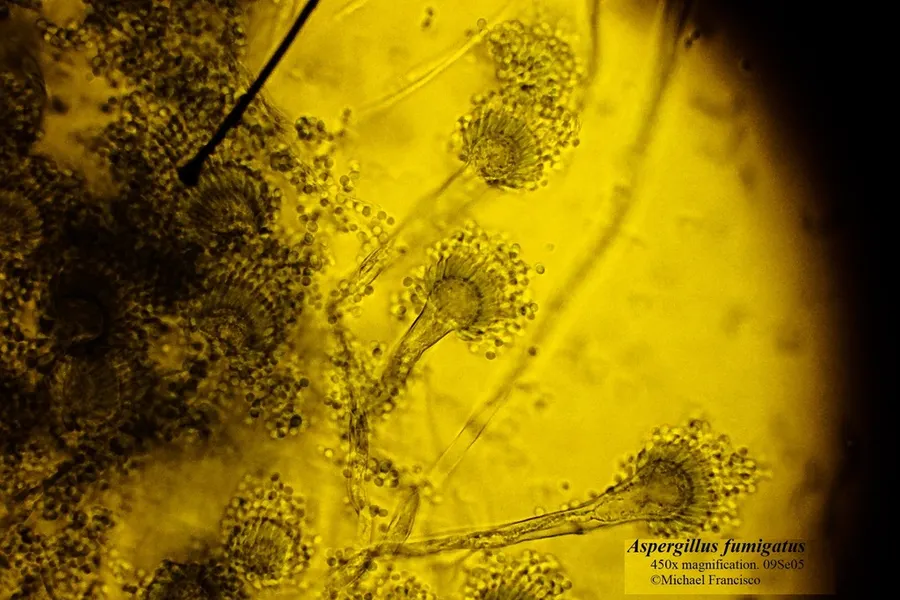
Dokumentasi Aspergillus fumigatus menurut asosiasi foto pada record takson iNaturalist. Kredit: Michael R Francisco. Identitas mengikuti sumber; bukan penentuan spesimen independen.
- Jenis
- Fotografi
- Kredit
- (c) Michael R Francisco, some rights reserved (CC BY)
- Lisensi
- CC BY 4.0
- Sumber media
- Buka entri sumber
Dokumentasi tambahan
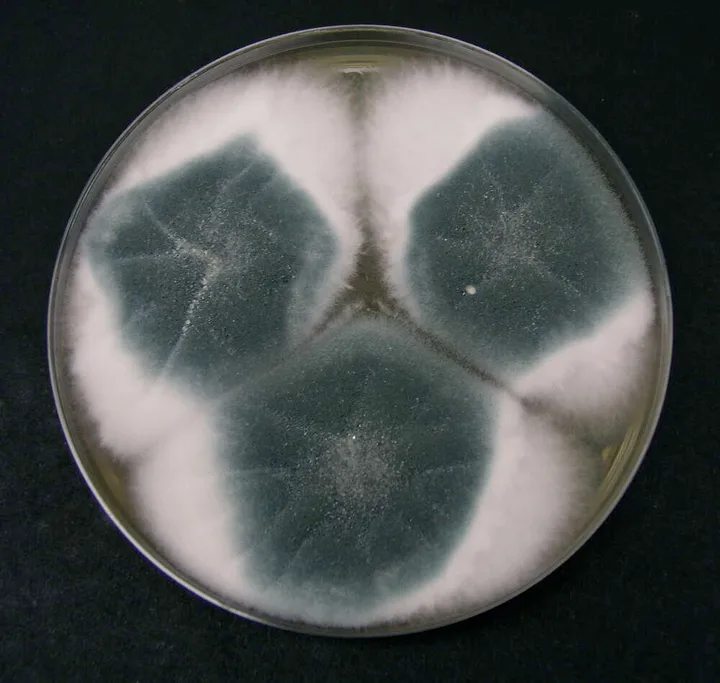
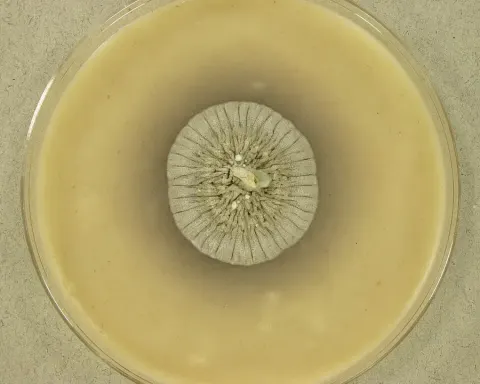
Foto yang diasosiasikan dengan Aspergillus fumigatus pada iNaturalist. Identifikasi mengikuti sumber; bukan penentuan spesimen independen.
Kredit dan penggunaan
(c) Dr. David Midgley, some rights reserved (CC BY-SA)
Ukuran dan format gambar disesuaikan tanpa pemotongan, retus, atau penambahan skala. Lisensi sumber dipertahankan.
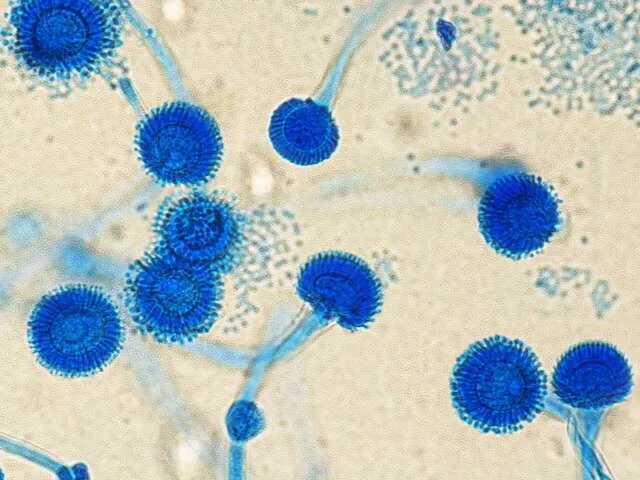
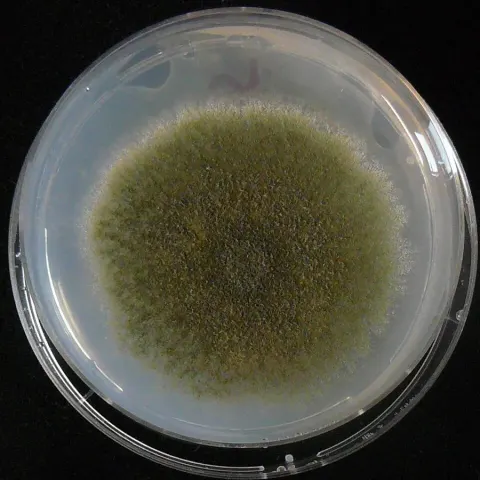
Foto yang diasosiasikan dengan Aspergillus fumigatus pada iNaturalist. Identifikasi mengikuti sumber; bukan penentuan spesimen independen.
Kredit dan penggunaan
(c) Ufficio Comunicazione, Azienda Ospedaliera SS. Antonio e Biagio e Cesare Arrigo, Alessandria and Biblioteca Biomedica Centro di Documentazione, some rights reserved (CC BY-SA)
Ukuran dan format gambar disesuaikan tanpa pemotongan, retus, atau penambahan skala. Lisensi sumber dipertahankan.
Sumber profil
- [1] Aspergillus fumigatus — Wikipedia (en)
- [2] Catalogue of Life Base2026-09-11 — Aspergillus fumigatus
- [3] Dokumentasi visual — Aspergillus fumigatus
- [4] Dokumentasi visual — Aspergillus fumigatus
- [5] Dokumentasi visual — Aspergillus fumigatus
Rujukan halaman ini
Fungi. Aspergillus fumigatus. Rilis data fungi-2026-10-12-expansion-2. https://fungi-atlas.mgadib.chatgpt.site/jamur/aspergillus-fumigatus/.
Status: impor sumber; pemeriksaan editorial per profil belum selesai. Untuk klaim biologis, gunakan rujukan pada bagian terkait dan periksa konteks sumber aslinya.