01 / Morfologi

Ciri dan struktur

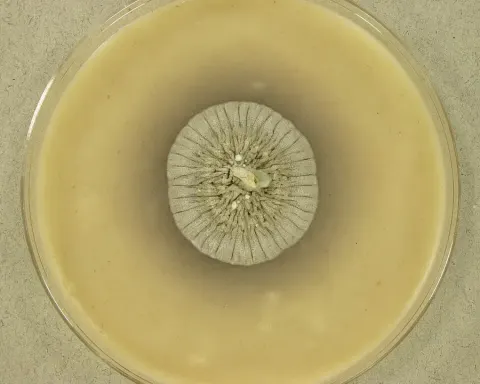
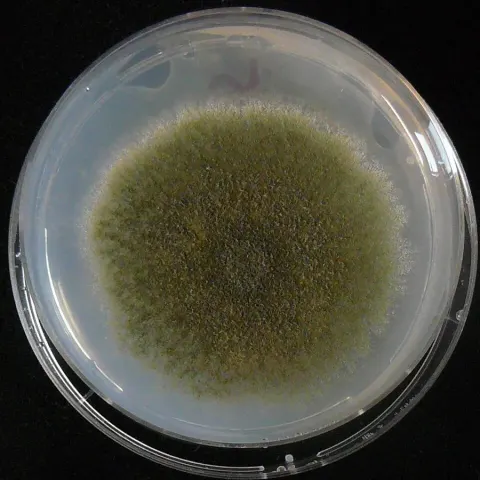
Aspergillus glaucus is a robust xerophilic fungus capable of surviving in a wide variety of different environments due to features of its physiology. Firstly, the fungus has a cardinal temperature range between 4 °C and 37 °C, allowing it to grow well during winter. The optimal temperature range for growth, however, is between 24 °C and 25 °C. The conidiophores containing them, typically 200 to 350 μm long, are smooth-walled and somewhere between uncolored to pale brown. In addition, the hyphae of the mycelium are septate and hyaline.

Sebagian uraian ditampilkan dalam bahasa sumber; terjemahannya belum tersedia atau belum lolos pemeriksaan.

Rujukan: [1]

Pengukuran mengikuti objek, spesimen atau kultur, dan metode yang disebutkan sumber. Baca uraian asli untuk konteks lengkap.

02 / Kehidupan

Habitat dan peran ekologis

Aspergillus glaucus has a worldwide geographic distribution because of many of the aforementioned physiological characteristics. In addition, even among its own genus, A. glaucus is capable of thriving in low moisture environments, allowing it to grow in dry areas. A. glaucus is also polytrophic, allowing it to take advantage of a large number of different food sources. As a result, it's been found to grow well on a variety of different foods, including corn, wheat, fish, butter, and eggs. It can also survive in foods such as jam and jellies, very sweet substances that most other fungi cannot grow in, because of its osmotolerance.

Sebagian uraian ditampilkan dalam bahasa sumber; terjemahannya belum tersedia atau belum lolos pemeriksaan.

Rujukan: [1]

Habitat atau konteks temuan
Informasi belum tersedia pada sumber rilis ini.
Substrat
Informasi belum tersedia pada sumber rilis ini.
Peran atau konteks
Belum dikategorikan pada rilis ini.
Temukan hubungan serupa
03 / Siklus hidup

Reproduksi

Aspergillus glaucus is a robust xerophilic fungus capable of surviving in a wide variety of different environments due to features of its physiology. Firstly, the fungus has a cardinal temperature range between 4 °C and 37 °C, allowing it to grow well during winter. The optimal temperature range for growth, however, is between 24 °C and 25 °C. The conidiophores containing them, typically 200 to 350 μm long, are smooth-walled and somewhere between uncolored to pale brown. In addition, the hyphae of the mycelium are septate and hyaline.

Sebagian uraian ditampilkan dalam bahasa sumber; terjemahannya belum tersedia atau belum lolos pemeriksaan.

Rujukan: [1]

Sinonim menurut acuan taksonomi rilis: Aspergillus glaucus f. oligocephalus; Aspergillus glaucus f. subviolaceus; Aspergillus glaucus olivascens; Aspergillus glaucus var. olivascens; Aspergillus glaucus var. tonophilus; Aspergillus herbariorum; Aspergillus herbariorum var. violaceus; Aspergillus minor; Eurotium herbariorum; Eurotium herbariorum var. fuegianum; Eurotium herbariorum var. megalospora; Eurotium herbariorum var. violaceum; Eurotium manginii; Eurotium minus; Monilia glauca; Mucor glaucus; Mucor herbariorum; Pyrobolus herbariorum
04 / Batas informasi

Catatan identitas dan cakupan

  • Nama diterima mengikuti Catalogue of Life Base2026-09-11; uraian mempertahankan konsep dan nama sumber aslinya.
  • Original geographic, specimen and life-cycle scope retained; source import awaits individual editorial review.
  • Impor dan terjemahan otomatis belum diperiksa editorial per profil. Struktur reproduktif yang disebutkan tidak membuktikan seluruh siklus hidup diketahui.
  • Pengukuran pada uraian mengikuti spesimen, kultur, dan metode sumber; angka tidak diperluas ke semua populasi.

Catatan distribusi dalam narasi mengikuti sumbernya. Dokumentasi spesimen atau foto mengikuti catatan sumber. Bukti wilayah Indonesia dan penilaian konservasi tidak disimpulkan dari gambar.

05 / Dokumentasi

Melihat dengan konteks

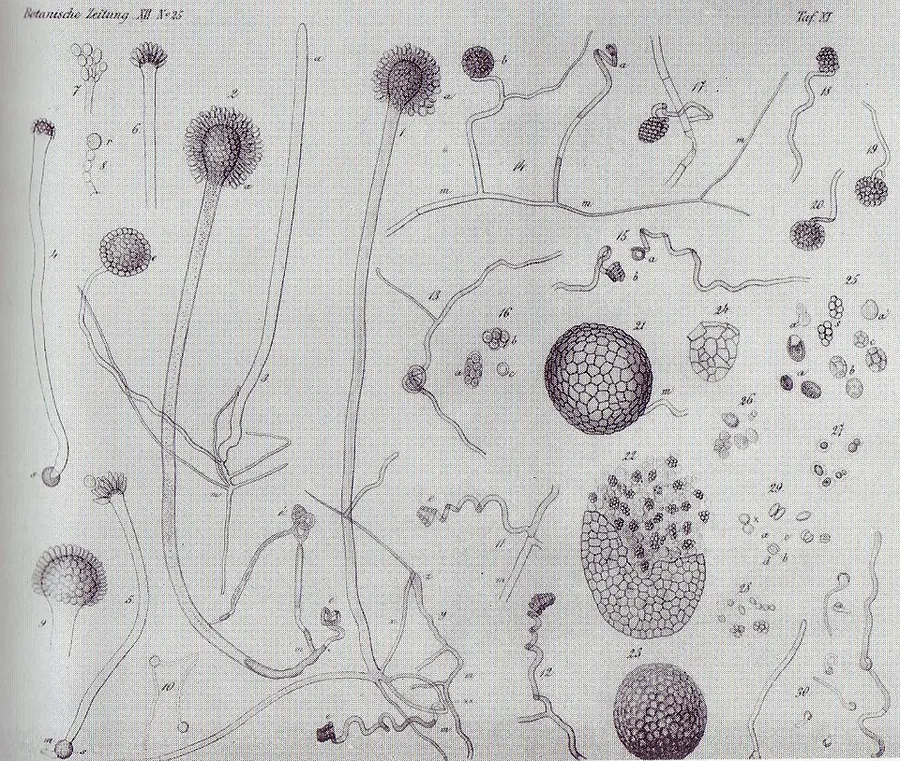
Dokumentasi Aspergillus glaucus dari Wikimedia Commons. The development and relationship of Aspergillus glaucus and Eurotium Identifikasi mengikuti record berkas sumber.

Jenis
Fotografi
Kredit
Anton de Bary (1831-1888)
Sumber media
Buka entri sumber

Gambar menunjukkan objek menurut identifikasi sumber, bukan verifikasi independen spesimen oleh Fungi. Tidak ada skala baru yang ditambahkan.

06 / Rujukan

Sumber profil

  1. [1] Aspergillus glaucus — Wikipedia (en)Bagian sumber: Frozen revision 1314290256
    Tanggal penghimpunan sumber: 2026-10-12
    Teks sumber: CC BY-SA4.0 · Wikipedia contributors
  2. [2] Catalogue of Life Base2026-09-11 — Aspergillus glaucusBagian sumber: ColDP NameUsage.tsv ID HC3X; accepted species; source 2073
    Tanggal penghimpunan sumber: 2026-10-12
  3. [3] Dokumentasi visual — Aspergillus glaucusBagian sumber: Individual media record; identification follows the source, not independent determination
    Tanggal penghimpunan sumber: 2026-10-12
    Media sumber: Public domain · Anton de Bary (1831-1888)

Adaptasi teks: CC BY-SA 4.0. Wikipedia contributors — Aspergillus glaucus — Wikipedia (en)

Uraian asli dan riwayat sumber

Riwayat atau halaman sumber

Ringkasan sumber

Aspergillus glaucus is a robust xerophilic fungus capable of surviving in a wide variety of different environments due to features of its physiology. Firstly, the fungus has a cardinal temperature range between 4 °C and 37 °C, allowing it to grow well during winter. The optimal temperature range for growth, however, is between 24 °C and 25 °C. The conidiophores containing them, typically 200 to 350 μm long, are smooth-walled and somewhere between uncolored to pale brown. In addition, the hyphae of the mycelium are septate and hyaline.

Revisi sumber

Morfologi sumber

Aspergillus glaucus is a robust xerophilic fungus capable of surviving in a wide variety of different environments due to features of its physiology. Firstly, the fungus has a cardinal temperature range between 4 °C and 37 °C, allowing it to grow well during winter. The optimal temperature range for growth, however, is between 24 °C and 25 °C. The conidiophores containing them, typically 200 to 350 μm long, are smooth-walled and somewhere between uncolored to pale brown. In addition, the hyphae of the mycelium are septate and hyaline.

Revisi sumber

Ekologi sumber

Aspergillus glaucus has a worldwide geographic distribution because of many of the aforementioned physiological characteristics. In addition, even among its own genus, A. glaucus is capable of thriving in low moisture environments, allowing it to grow in dry areas. A. glaucus is also polytrophic, allowing it to take advantage of a large number of different food sources. As a result, it's been found to grow well on a variety of different foods, including corn, wheat, fish, butter, and eggs. It can also survive in foods such as jam and jellies, very sweet substances that most other fungi cannot grow in, because of its osmotolerance.

Revisi sumber

Struktur reproduksi sumber

Aspergillus glaucus is a robust xerophilic fungus capable of surviving in a wide variety of different environments due to features of its physiology. Firstly, the fungus has a cardinal temperature range between 4 °C and 37 °C, allowing it to grow well during winter. The optimal temperature range for growth, however, is between 24 °C and 25 °C. The conidiophores containing them, typically 200 to 350 μm long, are smooth-walled and somewhere between uncolored to pale brown. In addition, the hyphae of the mycelium are septate and hyaline.

Revisi sumber

Rujukan halaman ini

Fungi. Aspergillus glaucus. Rilis data fungi-2026-10-12-expansion-2. https://fungi-atlas.mgadib.chatgpt.site/jamur/aspergillus-glaucus/.

Status: impor sumber; pemeriksaan editorial per profil belum selesai. Untuk klaim biologis, gunakan rujukan pada bagian terkait dan periksa konteks sumber aslinya.