01 / Morfologi

Ciri dan struktur

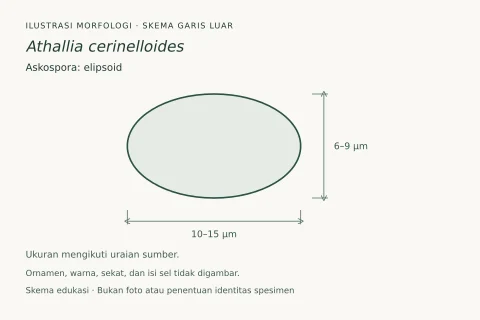
The thallus is usually very thin and may be largely (developing within the bark), forming a smooth, white to grey, crustose layer that is often almost immersed in the substrate or present only as small patches among other lichens. It lacks a distinct cortex, and dried material may develop surface crystals and take on a slightly waxy appearance. The apothecia are minute (typically up to about 0.3–0.4 mm across) and are often closely grouped or contiguous. The is persistent and pale to yellow, while the is flat and pale yellow to orange, only rarely becoming deeper orange. The hymenium is about 70–90 μm thick and the about 40–65 μm; pycnidia are rarely observed and conidia have not been seen. The paraphyses have broadened tips (to about 6 μm). The asci are usually 12–16-spored (sometimes 8-spored), and the ellipsoidal ascospores measure about 10–13 × 6–7 μm, with a septum 3–5 μm thick that is typically about one-quarter to one-half of the spore length. Spot tests have been reported as K− on the thallus, with the apothecial margin and disc K+ (purple). The main secondary metabolite is parietin, accompanied by smaller amounts of other anthraquinones (including emodin and teloschistin). In the field, Athallia cerinella can closely resemble the similar Athallia cerinelloides; the two are usually separated by microscopy, as A. cerinella typically has 12–16 ascospores per ascus, whereas A. cerinelloides has eight.

Sebagian uraian ditampilkan dalam bahasa sumber; terjemahannya belum tersedia atau belum lolos pemeriksaan.

Rujukan: [1]

Pengukuran mengikuti objek, spesimen atau kultur, dan metode yang disebutkan sumber. Baca uraian asli untuk konteks lengkap.

02 / Kehidupan

Habitat dan peran ekologis

Athallia cerinella is a bark-dwelling species recorded on trees and shrubs across Europe, and it has also been reported from the Americas, Australia, and New Zealand. In Britain and Ireland it grows on bark, especially on twigs and small branches of Fraxinus and Sambucus nigra, in nutrient-rich epiphytic communities, especially those of the Xanthorion (a community of bark-dwelling lichens, often on trees influenced by dust or bird droppings); it was once considered scarce there but is probably under-recorded, with many recent finds. It was recorded as new to Latvia in 2016. In the Nordic countries it occurs mainly on deciduous trees, especially Fraxinus, Populus and Sambucus, usually on branches in open to semi-open habitats such as forest edges, gardens and open woodland. It is often found with Athallia pyracea, Lecania cyrtella and Lecidella elaeochroma, and is largely confined there to the hemiboreal and nemoral zones. In the Netherlands, the species grows on twigs and small branches of deciduous trees such as Sambucus (elder), poplar, and ash, and it occurs in the epiphytic lichen community known as the Lecanoretum sambuci. It was long known there only from collections made before 1910 and was treated as extinct in 20th-century and early 21st-century checklists, but it was later reported again from Amersfoort (Utrecht), growing on a relatively young lime (Tilia) planted in 1990; the author suggested it may have arrived with nursery stock.

Sebagian uraian ditampilkan dalam bahasa sumber; terjemahannya belum tersedia atau belum lolos pemeriksaan.

Rujukan: [1]

Habitat atau konteks temuan
hutan
Substrat
kayu
Peran atau konteks
Pembentuk liken
Temukan hubungan serupa
03 / Siklus hidup

Reproduksi

The hymenium is about 70–90 μm thick and the about 40–65 μm; pycnidia are rarely observed and conidia have not been seen. The paraphyses have broadened tips (to about 6 μm). The asci are usually 12–16-spored (sometimes 8-spored), and the ellipsoidal ascospores measure about 10–13 × 6–7 μm, with a septum 3–5 μm thick that is typically about one-quarter to one-half of the spore length. Spot tests have been reported as K− on the thallus, with the apothecial margin and disc K+ (purple). The main secondary metabolite is parietin, accompanied by smaller amounts of other anthraquinones (including emodin and teloschistin). In the field, Athallia cerinella can closely resemble the similar Athallia cerinelloides; the two are usually separated by microscopy, as A. cerinella typically has 12–16 ascospores per ascus, whereas A. cerinelloides has eight.

Sebagian uraian ditampilkan dalam bahasa sumber; terjemahannya belum tersedia atau belum lolos pemeriksaan.

Rujukan: [1]

Sinonim menurut acuan taksonomi rilis: Callopisma cerinellum; Caloplaca cerina subvar. cerinella; Caloplaca cerinella; Lecanora cerinella; Lecidea cerinella; Placodium cerinellum
04 / Batas informasi

Catatan identitas dan cakupan

  • Nama diterima mengikuti Catalogue of Life Base2026-09-11; uraian mempertahankan konsep dan nama sumber aslinya.
  • Original geographic, specimen and life-cycle scope retained; source import awaits individual editorial review.
  • Impor dan terjemahan otomatis belum diperiksa editorial per profil. Struktur reproduktif yang disebutkan tidak membuktikan seluruh siklus hidup diketahui.
  • Pengukuran pada uraian mengikuti spesimen, kultur, dan metode sumber; angka tidak diperluas ke semua populasi.

Catatan distribusi dalam narasi mengikuti sumbernya. Dokumentasi spesimen atau foto mengikuti catatan sumber. Bukti wilayah Indonesia dan penilaian konservasi tidak disimpulkan dari gambar.

05 / Dokumentasi

Melihat dengan konteks

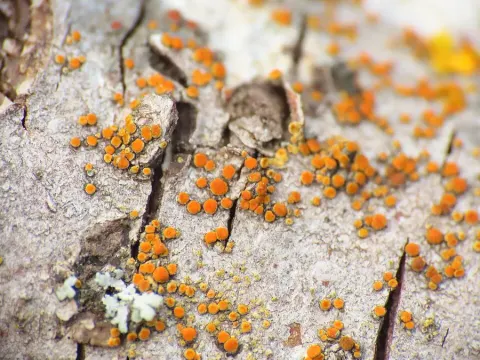
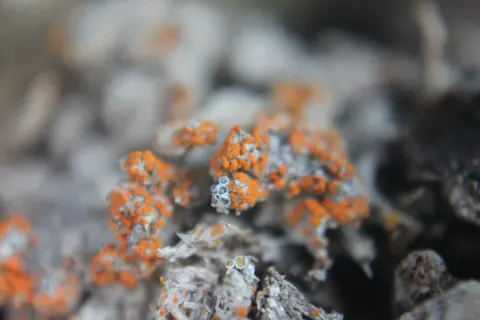
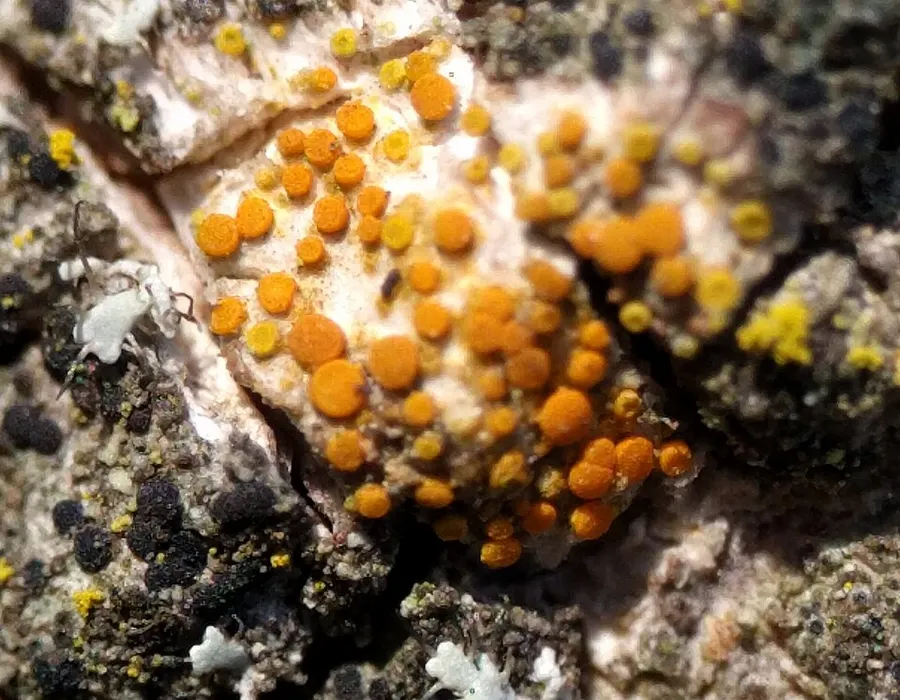
Dokumentasi Athallia cerinella dari Wikimedia Commons. Athallia cerinella (Klein Boomzonnetje) - Klein Leeuwenhorst, Noordwijkerhout, NL Identifikasi mengikuti record berkas sumber.

Jenis
Fotografi
Kredit
Rudolphous
Sumber media
Buka entri sumber

Gambar menunjukkan objek menurut identifikasi sumber, bukan verifikasi independen spesimen oleh Fungi. Tidak ada skala baru yang ditambahkan.

06 / Rujukan

Sumber profil

  1. [1] Athallia cerinella — Wikipedia (en)Bagian sumber: Frozen revision 1333953773
    Tanggal penghimpunan sumber: 2026-10-12
    Teks sumber: CC BY-SA4.0 · Wikipedia contributors
  2. [2] Catalogue of Life Base2026-09-11 — Athallia cerinellaBagian sumber: ColDP NameUsage.tsv ID 687L7; accepted species; source 2073
    Tanggal penghimpunan sumber: 2026-10-12
  3. [3] Dokumentasi visual — Athallia cerinellaBagian sumber: Individual media record; identification follows the source, not independent determination
    Tanggal penghimpunan sumber: 2026-10-12
    Media sumber: CC BY-SA 4.0 · Rudolphous

Adaptasi teks: CC BY-SA 4.0. Wikipedia contributors — Athallia cerinella — Wikipedia (en)

Uraian asli dan riwayat sumber

Riwayat atau halaman sumber

Ringkasan sumber

Athallia cerinella is a species of bark-dwelling lichen in the family Teloschistaceae. It has a thin, pale grey thallus that is often almost invisible, with small, crowded, pale yellow to orange apothecia (fruiting bodies) typically less than 0.4 mm across. The species grows mainly on the bark of deciduous trees such as ash, elder, and poplar, often on twigs and small branches in nutrient-enriched habitats. It is widespread across Europe and has also been reported from the Americas and Australasia.

Revisi sumber

Morfologi sumber

The thallus is usually very thin and may be largely (developing within the bark), forming a smooth, white to grey, crustose layer that is often almost immersed in the substrate or present only as small patches among other lichens. It lacks a distinct cortex, and dried material may develop surface crystals and take on a slightly waxy appearance. The apothecia are minute (typically up to about 0.3–0.4 mm across) and are often closely grouped or contiguous. The is persistent and pale to yellow, while the is flat and pale yellow to orange, only rarely becoming deeper orange. The hymenium is about 70–90 μm thick and the about 40–65 μm; pycnidia are rarely observed and conidia have not been seen. The paraphyses have broadened tips (to about 6 μm). The asci are usually 12–16-spored (sometimes 8-spored), and the ellipsoidal ascospores measure about 10–13 × 6–7 μm, with a septum 3–5 μm thick that is typically about one-quarter to one-half of the spore length. Spot tests have been reported as K− on the thallus, with the apothecial margin and disc K+ (purple). The main secondary metabolite is parietin, accompanied by smaller amounts of other anthraquinones (including emodin and teloschistin). In the field, Athallia cerinella can closely resemble the similar Athallia cerinelloides; the two are usually separated by microscopy, as A. cerinella typically has 12–16 ascospores per ascus, whereas A. cerinelloides has eight.

Revisi sumber

Ekologi sumber

Athallia cerinella is a bark-dwelling species recorded on trees and shrubs across Europe, and it has also been reported from the Americas, Australia, and New Zealand. In Britain and Ireland it grows on bark, especially on twigs and small branches of Fraxinus and Sambucus nigra, in nutrient-rich epiphytic communities, especially those of the Xanthorion (a community of bark-dwelling lichens, often on trees influenced by dust or bird droppings); it was once considered scarce there but is probably under-recorded, with many recent finds. It was recorded as new to Latvia in 2016. In the Nordic countries it occurs mainly on deciduous trees, especially Fraxinus, Populus and Sambucus, usually on branches in open to semi-open habitats such as forest edges, gardens and open woodland. It is often found with Athallia pyracea, Lecania cyrtella and Lecidella elaeochroma, and is largely confined there to the hemiboreal and nemoral zones. In the Netherlands, the species grows on twigs and small branches of deciduous trees such as Sambucus (elder), poplar, and ash, and it occurs in the epiphytic lichen community known as the Lecanoretum sambuci. It was long known there only from collections made before 1910 and was treated as extinct in 20th-century and early 21st-century checklists, but it was later reported again from Amersfoort (Utrecht), growing on a relatively young lime (Tilia) planted in 1990; the author suggested it may have arrived with nursery stock.

Revisi sumber

Struktur reproduksi sumber

The hymenium is about 70–90 μm thick and the about 40–65 μm; pycnidia are rarely observed and conidia have not been seen. The paraphyses have broadened tips (to about 6 μm). The asci are usually 12–16-spored (sometimes 8-spored), and the ellipsoidal ascospores measure about 10–13 × 6–7 μm, with a septum 3–5 μm thick that is typically about one-quarter to one-half of the spore length. Spot tests have been reported as K− on the thallus, with the apothecial margin and disc K+ (purple). The main secondary metabolite is parietin, accompanied by smaller amounts of other anthraquinones (including emodin and teloschistin). In the field, Athallia cerinella can closely resemble the similar Athallia cerinelloides; the two are usually separated by microscopy, as A. cerinella typically has 12–16 ascospores per ascus, whereas A. cerinelloides has eight.

Revisi sumber

Rujukan halaman ini

Fungi. Athallia cerinella. Rilis data fungi-2026-10-12-expansion-2. https://fungi-atlas.mgadib.chatgpt.site/jamur/athallia-cerinella/.

Status: impor sumber; pemeriksaan editorial per profil belum selesai. Untuk klaim biologis, gunakan rujukan pada bagian terkait dan periksa konteks sumber aslinya.