01 / Morfologi

Ciri dan struktur

Fissurina alligatorensis is a bark-dwelling lichen with a thin, smooth, (i.e., lacking a cortex) thallus that ranges in colour from green-grey to grey. It is marked by large crystal inclusions and is devoid of lichenised such as isidia or soredia. Its , or fruiting structures, are non-, lengthy, and often branch out extensively in a star-like ("stellate") fashion. The , the outer layer of the , is also non-carbonised, poorly developed and plain, not grooved. It is hyaline to yellowish-brown at the top and contains large calcium oxalate crystals. The hymenium, the spore-bearing layer, is clear, not and measures 80–100 μm in height. The lichen's are hyaline, obtuse-ellipsoid to more or less spherical, and react I+ (violet) in iodine. They measure 15.5–21.0 by 9.8–12.6 μm and there are typically 8 per ascus (spore sac) initially. However, several spores often abort before maturity. The lichen does not produce (asexual fruiting bodies), and it does not exhibit secondary metabolites according to standard chemical spot tests.

Sebagian uraian ditampilkan dalam bahasa sumber; terjemahannya belum tersedia atau belum lolos pemeriksaan.

Rujukan: [1]

Pengukuran mengikuti objek, spesimen atau kultur, dan metode yang disebutkan sumber. Baca uraian asli untuk konteks lengkap.

02 / Kehidupan

Habitat dan peran ekologis

Fissurina alligatorensis is prevalent in swamp, pocosin, and bottomland hardwood forest environments throughout the Mid-Atlantic Coastal Plain and Southeastern Coastal Plain, from northeastern North Carolina to northern Florida. Despite the apparent gap in distribution from central North Carolina through South Carolina to Georgia, the authors anticipate that the species will be found throughout North Carolina and South Carolina as the lichen inventory proceeds southward. The lichen seems absent from the coastal regions of Georgia, suggesting a distribution pattern similar to the Atlantic white cedar or willow oak. Fissurina alligatorensis has a particular affinity for soft-barked tree species, especially Nyssa, where all known collections have been made. Although it is relatively inconspicuous, it seems to be uncommon or infrequent in most areas and is only abundant in the Alligator River drainage of North Carolina.

Sebagian uraian ditampilkan dalam bahasa sumber; terjemahannya belum tersedia atau belum lolos pemeriksaan.

Rujukan: [1]

Habitat atau konteks temuan
hutan
Substrat
Informasi belum tersedia pada sumber rilis ini.
Peran atau konteks
Pembentuk liken
Temukan hubungan serupa
03 / Siklus hidup

Reproduksi

Fissurina alligatorensis is a bark-dwelling lichen with a thin, smooth, (i.e., lacking a cortex) thallus that ranges in colour from green-grey to grey. It is marked by large crystal inclusions and is devoid of lichenised such as isidia or soredia. Its , or fruiting structures, are non-, lengthy, and often branch out extensively in a star-like ("stellate") fashion. The , the outer layer of the , is also non-carbonised, poorly developed and plain, not grooved. It is hyaline to yellowish-brown at the top and contains large calcium oxalate crystals. The hymenium, the spore-bearing layer, is clear, not and measures 80–100 μm in height. The lichen's are hyaline, obtuse-ellipsoid to more or less spherical, and react I+ (violet) in iodine.

Sebagian uraian ditampilkan dalam bahasa sumber; terjemahannya belum tersedia atau belum lolos pemeriksaan.

Rujukan: [1]

04 / Batas informasi

Catatan identitas dan cakupan

  • Nama diterima mengikuti Catalogue of Life Base2026-09-11; uraian mempertahankan konsep dan nama sumber aslinya.
  • Original geographic, specimen and life-cycle scope retained; source import awaits individual editorial review.
  • Impor dan terjemahan otomatis belum diperiksa editorial per profil. Struktur reproduktif yang disebutkan tidak membuktikan seluruh siklus hidup diketahui.
  • Pengukuran pada uraian mengikuti spesimen, kultur, dan metode sumber; angka tidak diperluas ke semua populasi.

Catatan distribusi dalam narasi mengikuti sumbernya. Dokumentasi spesimen atau foto mengikuti catatan sumber. Bukti wilayah Indonesia dan penilaian konservasi tidak disimpulkan dari gambar.

05 / Dokumentasi

Melihat dengan konteks

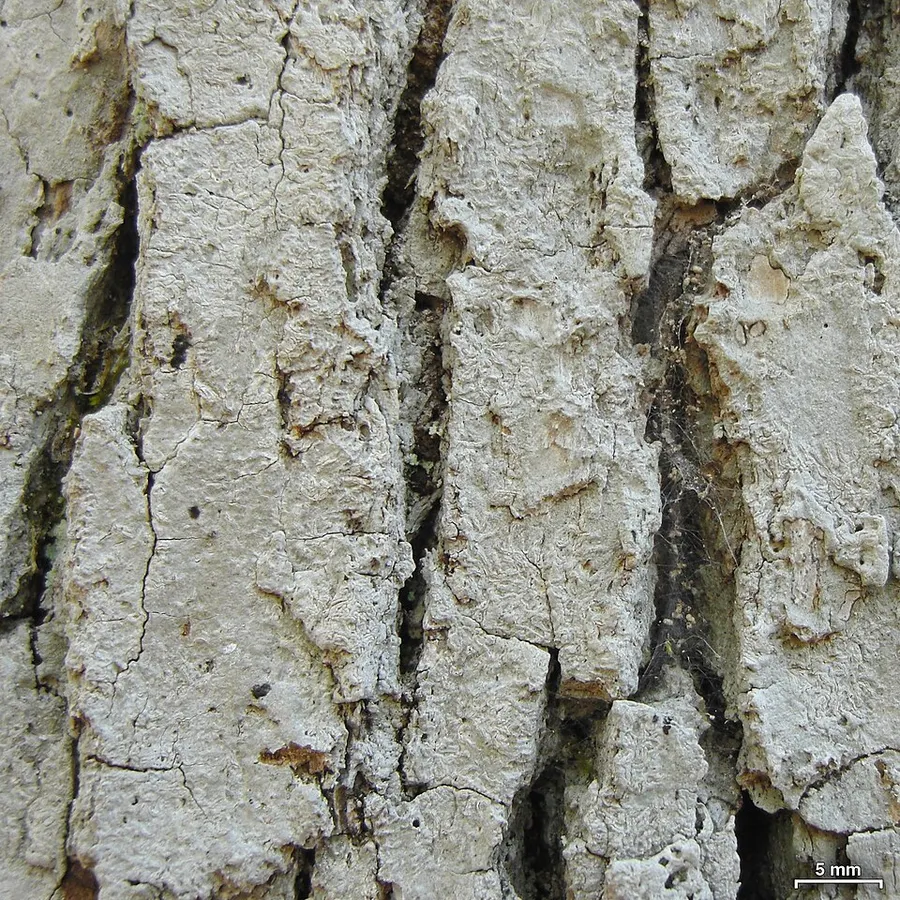
Dokumentasi Fissurina alligatorensis dari Wikimedia Commons. on Liquidambar styraciflua, Alligator National Wildlife Refuge, NC, 20140321 6194, pers. herb. Identifikasi mengikuti record berkas sumber.

Jenis
Fotografi
Kredit
Jason Hollinger
Lisensi
CC BY 2.0
Sumber media
Buka entri sumber

Gambar menunjukkan objek menurut identifikasi sumber, bukan verifikasi independen spesimen oleh Fungi. Tidak ada skala baru yang ditambahkan.

06 / Rujukan

Sumber profil

  1. [1] Fissurina alligatorensis — Wikipedia (en)Bagian sumber: Frozen revision 1341958404
    Tanggal penghimpunan sumber: 2026-10-12
    Teks sumber: CC BY-SA4.0 · Wikipedia contributors
  2. [2] Catalogue of Life Base2026-09-11 — Fissurina alligatorensisBagian sumber: ColDP NameUsage.tsv ID 6J5KN; accepted species; source 2073
    Tanggal penghimpunan sumber: 2026-10-12
  3. [3] Dokumentasi visual — Fissurina alligatorensisBagian sumber: Individual media record; identification follows the source, not independent determination
    Tanggal penghimpunan sumber: 2026-10-12
    Media sumber: CC BY 2.0 · Jason Hollinger

Adaptasi teks: CC BY-SA 4.0. Wikipedia contributors — Fissurina alligatorensis — Wikipedia (en)

Uraian asli dan riwayat sumber

Riwayat atau halaman sumber

Ringkasan sumber

Fissurina alligatorensis is a species of corticolous (bark-dwelling) crustose lichen in the family Graphidaceae. Characteristics of the lichen include its lack of secondary compounds and an thallus. Its habitat is centred around the Alligator River National Wildlife Refuge in North Carolina, USA, and it has a preference for soft-barked trees. While it can easily be confused with other Fissurina species, there are specific characters that distinguish it, such as its violet and its fruiting bodies.

Revisi sumber

Morfologi sumber

Fissurina alligatorensis is a bark-dwelling lichen with a thin, smooth, (i.e., lacking a cortex) thallus that ranges in colour from green-grey to grey. It is marked by large crystal inclusions and is devoid of lichenised such as isidia or soredia. Its , or fruiting structures, are non-, lengthy, and often branch out extensively in a star-like ("stellate") fashion. The , the outer layer of the , is also non-carbonised, poorly developed and plain, not grooved. It is hyaline to yellowish-brown at the top and contains large calcium oxalate crystals. The hymenium, the spore-bearing layer, is clear, not and measures 80–100 μm in height. The lichen's are hyaline, obtuse-ellipsoid to more or less spherical, and react I+ (violet) in iodine. They measure 15.5–21.0 by 9.8–12.6 μm and there are typically 8 per ascus (spore sac) initially. However, several spores often abort before maturity. The lichen does not produce (asexual fruiting bodies), and it does not exhibit secondary metabolites according to standard chemical spot tests.

Revisi sumber

Ekologi sumber

Fissurina alligatorensis is prevalent in swamp, pocosin, and bottomland hardwood forest environments throughout the Mid-Atlantic Coastal Plain and Southeastern Coastal Plain, from northeastern North Carolina to northern Florida. Despite the apparent gap in distribution from central North Carolina through South Carolina to Georgia, the authors anticipate that the species will be found throughout North Carolina and South Carolina as the lichen inventory proceeds southward. The lichen seems absent from the coastal regions of Georgia, suggesting a distribution pattern similar to the Atlantic white cedar or willow oak. Fissurina alligatorensis has a particular affinity for soft-barked tree species, especially Nyssa, where all known collections have been made. Although it is relatively inconspicuous, it seems to be uncommon or infrequent in most areas and is only abundant in the Alligator River drainage of North Carolina.

Revisi sumber

Struktur reproduksi sumber

Fissurina alligatorensis is a bark-dwelling lichen with a thin, smooth, (i.e., lacking a cortex) thallus that ranges in colour from green-grey to grey. It is marked by large crystal inclusions and is devoid of lichenised such as isidia or soredia. Its , or fruiting structures, are non-, lengthy, and often branch out extensively in a star-like ("stellate") fashion. The , the outer layer of the , is also non-carbonised, poorly developed and plain, not grooved. It is hyaline to yellowish-brown at the top and contains large calcium oxalate crystals. The hymenium, the spore-bearing layer, is clear, not and measures 80–100 μm in height. The lichen's are hyaline, obtuse-ellipsoid to more or less spherical, and react I+ (violet) in iodine.

Revisi sumber

Rujukan halaman ini

Fungi. Fissurina alligatorensis. Rilis data fungi-2026-10-12-expansion-2. https://fungi-atlas.mgadib.chatgpt.site/jamur/fissurina-alligatorensis/.

Status: impor sumber; pemeriksaan editorial per profil belum selesai. Untuk klaim biologis, gunakan rujukan pada bagian terkait dan periksa konteks sumber aslinya.