01 / Morfologi

Ciri dan struktur

Hydropunctaria maura is commonly found on hard rocks in the intertidal zone. Compared to terrestrial lichens, the species is typically located in areas of direct sunlight, suggests that it may have specific adaptations against damage from the sun. It is considered an upper littoral (supralittoral) lichen, compared to other, lower littoral lichens such as Wahlenbergiella mucosa, distinguished by environmental factors such as water availability, UV exposure, and temperature. Because of the relatively extreme conditions of the supralittoral zone, crustose lichens are the only organisms capable of colonizing these areas. H. maura effectively serves as the primary biological indicator of the extent of the zone where it is found. It forms thin, matte-black crusts with the algae genus Dilabifilum as a photobiont. A study of four lichen species from southwestern Norway showed that H. maura had a greater diversity of microorganisms, greater bacterial diversity in the thalli, and a higher number of different bacterial sequences. The diversity of microorganisms is likely related to its strong marine influence. It is commonly associated with Thermoproteota (formerly Crenarchaeota). Other studies have identified Jannaschia pohangensis and Bacillus aerius, among others, as associated with Hydropunctaria maura. The growth rate of H. maura colonies is estimated to be less than 1 mm per year. After elimination, it is estimated to take three years for the species to recolonize a substrate. Germination of the spores of this species is stimulated by seawater salinity concentrations that typically inhibit germination of spores of other lichens.

Sebagian uraian ditampilkan dalam bahasa sumber; terjemahannya belum tersedia atau belum lolos pemeriksaan.

Rujukan: [1]

Pengukuran mengikuti objek, spesimen atau kultur, dan metode yang disebutkan sumber. Baca uraian asli untuk konteks lengkap.

02 / Kehidupan

Habitat dan peran ekologis

Hydropunctaria maura is commonly found on hard rocks in the intertidal zone. Compared to terrestrial lichens, the species is typically located in areas of direct sunlight, suggests that it may have specific adaptations against damage from the sun. It is considered an upper littoral (supralittoral) lichen, compared to other, lower littoral lichens such as Wahlenbergiella mucosa, distinguished by environmental factors such as water availability, UV exposure, and temperature. Because of the relatively extreme conditions of the supralittoral zone, crustose lichens are the only organisms capable of colonizing these areas. H. maura effectively serves as the primary biological indicator of the extent of the zone where it is found. It forms thin, matte-black crusts with the algae genus Dilabifilum as a photobiont. A study of four lichen species from southwestern Norway showed that H. maura had a greater diversity of microorganisms, greater bacterial diversity in the thalli, and a higher number of different bacterial sequences. The diversity of microorganisms is likely related to its strong marine influence. It is commonly associated with Thermoproteota (formerly Crenarchaeota). Other studies have identified Jannaschia pohangensis and Bacillus aerius, among others, as associated with Hydropunctaria maura.

Sebagian uraian ditampilkan dalam bahasa sumber; terjemahannya belum tersedia atau belum lolos pemeriksaan.

Rujukan: [1]

Habitat atau konteks temuan
Informasi belum tersedia pada sumber rilis ini.
Substrat
Informasi belum tersedia pada sumber rilis ini.
Peran atau konteks
Pembentuk liken
Temukan hubungan serupa
03 / Siklus hidup

Reproduksi

The growth rate of H. maura colonies is estimated to be less than 1 mm per year. After elimination, it is estimated to take three years for the species to recolonize a substrate. Germination of the spores of this species is stimulated by seawater salinity concentrations that typically inhibit germination of spores of other lichens.

Sebagian uraian ditampilkan dalam bahasa sumber; terjemahannya belum tersedia atau belum lolos pemeriksaan.

Rujukan: [1]

Sinonim menurut acuan taksonomi rilis: Lithoicea maura; Verrucaria maura; Verrucaria pseudomemnonia; Verrucaria scotina; Verrucaria zschackeana; Verrucarina scotina
04 / Batas informasi

Catatan identitas dan cakupan

  • Nama diterima mengikuti Catalogue of Life Base2026-09-11; uraian mempertahankan konsep dan nama sumber aslinya.
  • Original geographic, specimen and life-cycle scope retained; source import awaits individual editorial review.
  • Impor dan terjemahan otomatis belum diperiksa editorial per profil. Struktur reproduktif yang disebutkan tidak membuktikan seluruh siklus hidup diketahui.
  • Pengukuran pada uraian mengikuti spesimen, kultur, dan metode sumber; angka tidak diperluas ke semua populasi.

Catatan distribusi dalam narasi mengikuti sumbernya. Dokumentasi spesimen atau foto mengikuti catatan sumber. Bukti wilayah Indonesia dan penilaian konservasi tidak disimpulkan dari gambar.

05 / Dokumentasi

Melihat dengan konteks

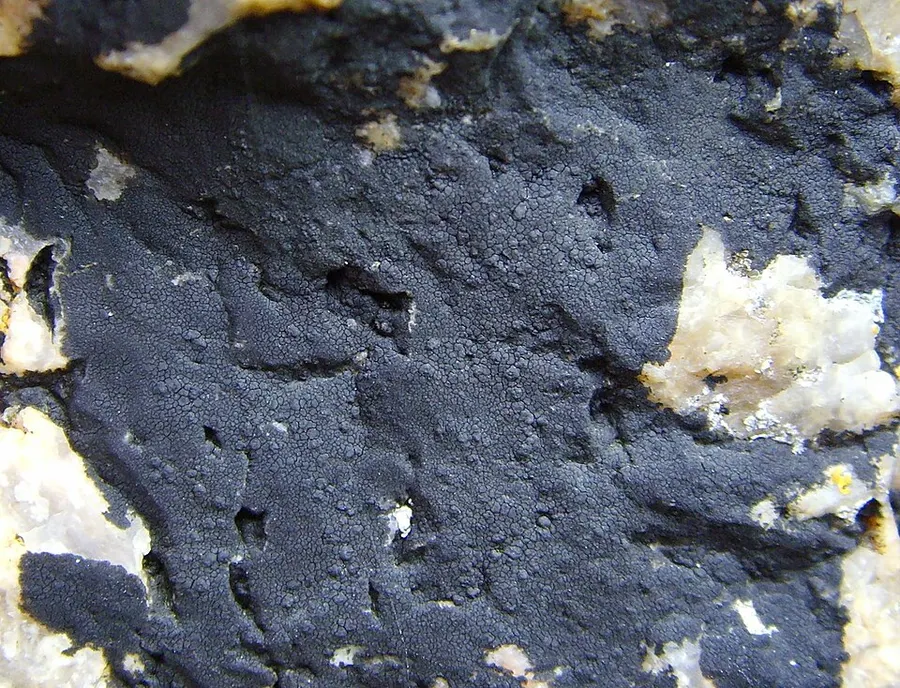
Dokumentasi Hydropunctaria maura dari Wikimedia Commons. Verrucaria maura , Kergulan, Goulien, Finistère, Bretagne (France) Identifikasi mengikuti record berkas sumber.

Jenis
Fotografi
Kredit
Jymm
Sumber media
Buka entri sumber

Gambar menunjukkan objek menurut identifikasi sumber, bukan verifikasi independen spesimen oleh Fungi. Tidak ada skala baru yang ditambahkan.

06 / Rujukan

Sumber profil

  1. [1] Hydropunctaria maura — Wikipedia (en)Bagian sumber: Frozen revision 1369640006
    Tanggal penghimpunan sumber: 2026-10-12
    Teks sumber: CC BY-SA4.0 · Wikipedia contributors
  2. [2] Catalogue of Life Base2026-09-11 — Hydropunctaria mauraBagian sumber: ColDP NameUsage.tsv ID 3N9PR; accepted species; source 2073
    Tanggal penghimpunan sumber: 2026-10-12
  3. [3] Dokumentasi visual — Hydropunctaria mauraBagian sumber: Individual media record; identification follows the source, not independent determination
    Tanggal penghimpunan sumber: 2026-10-12
    Media sumber: Public domain · Jymm

Adaptasi teks: CC BY-SA 4.0. Wikipedia contributors — Hydropunctaria maura — Wikipedia (en)

Uraian asli dan riwayat sumber

Riwayat atau halaman sumber

Ringkasan sumber

{{Speciesbox Verrucaria maura Wahlenb. ex Ach. (1803) Verrucaria pseudomemnonia Zschacke (1924) Verrucaria scotina Wedd. (1875) Verrucaria zschackeana Erichsen]] (1930)

Revisi sumber

Morfologi sumber

Hydropunctaria maura is commonly found on hard rocks in the intertidal zone. Compared to terrestrial lichens, the species is typically located in areas of direct sunlight, suggests that it may have specific adaptations against damage from the sun. It is considered an upper littoral (supralittoral) lichen, compared to other, lower littoral lichens such as Wahlenbergiella mucosa, distinguished by environmental factors such as water availability, UV exposure, and temperature. Because of the relatively extreme conditions of the supralittoral zone, crustose lichens are the only organisms capable of colonizing these areas. H. maura effectively serves as the primary biological indicator of the extent of the zone where it is found. It forms thin, matte-black crusts with the algae genus Dilabifilum as a photobiont. A study of four lichen species from southwestern Norway showed that H. maura had a greater diversity of microorganisms, greater bacterial diversity in the thalli, and a higher number of different bacterial sequences. The diversity of microorganisms is likely related to its strong marine influence. It is commonly associated with Thermoproteota (formerly Crenarchaeota). Other studies have identified Jannaschia pohangensis and Bacillus aerius, among others, as associated with Hydropunctaria maura. The growth rate of H. maura colonies is estimated to be less than 1 mm per year. After elimination, it is estimated to take three years for the species to recolonize a substrate. Germination of the spores of this species is stimulated by seawater salinity concentrations that typically inhibit germination of spores of other lichens.

Revisi sumber

Ekologi sumber

Hydropunctaria maura is commonly found on hard rocks in the intertidal zone. Compared to terrestrial lichens, the species is typically located in areas of direct sunlight, suggests that it may have specific adaptations against damage from the sun. It is considered an upper littoral (supralittoral) lichen, compared to other, lower littoral lichens such as Wahlenbergiella mucosa, distinguished by environmental factors such as water availability, UV exposure, and temperature. Because of the relatively extreme conditions of the supralittoral zone, crustose lichens are the only organisms capable of colonizing these areas. H. maura effectively serves as the primary biological indicator of the extent of the zone where it is found. It forms thin, matte-black crusts with the algae genus Dilabifilum as a photobiont. A study of four lichen species from southwestern Norway showed that H. maura had a greater diversity of microorganisms, greater bacterial diversity in the thalli, and a higher number of different bacterial sequences. The diversity of microorganisms is likely related to its strong marine influence. It is commonly associated with Thermoproteota (formerly Crenarchaeota). Other studies have identified Jannaschia pohangensis and Bacillus aerius, among others, as associated with Hydropunctaria maura.

Revisi sumber

Struktur reproduksi sumber

The growth rate of H. maura colonies is estimated to be less than 1 mm per year. After elimination, it is estimated to take three years for the species to recolonize a substrate. Germination of the spores of this species is stimulated by seawater salinity concentrations that typically inhibit germination of spores of other lichens.

Revisi sumber

Rujukan halaman ini

Fungi. Hydropunctaria maura. Rilis data fungi-2026-10-12-expansion-2. https://fungi-atlas.mgadib.chatgpt.site/jamur/hydropunctaria-maura/.

Status: impor sumber; pemeriksaan editorial per profil belum selesai. Untuk klaim biologis, gunakan rujukan pada bagian terkait dan periksa konteks sumber aslinya.