Ciri dan struktur
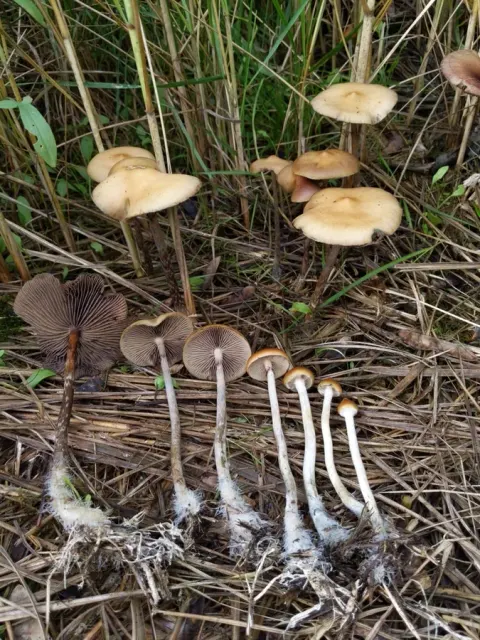
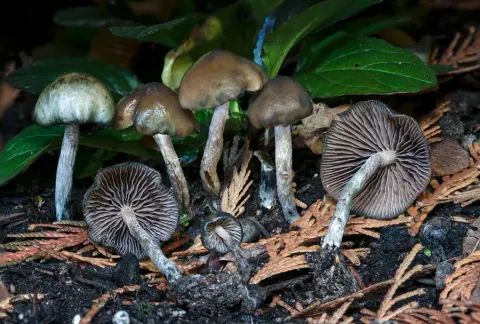
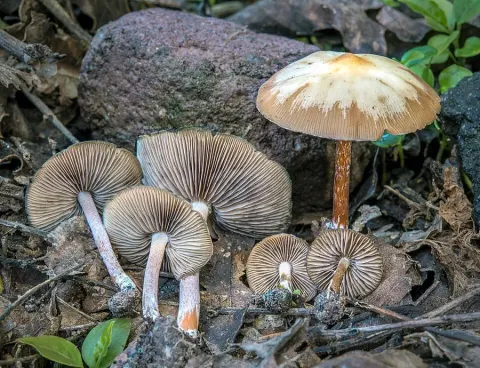
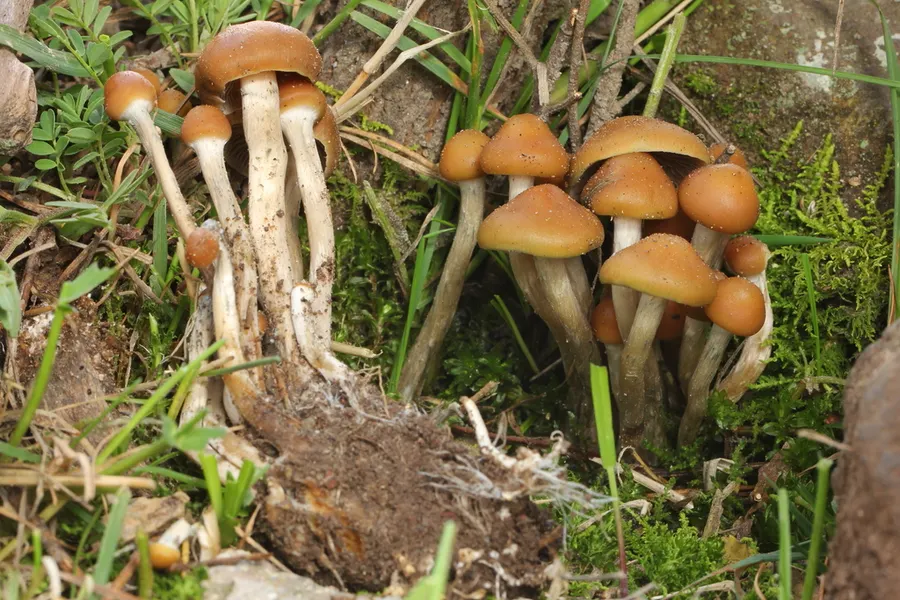
The cap is convex to bell-shaped, sometimes developing a broad umbo before expanding and flattening in age; it reaches a diameter of 1.5 – 2 cm. In maturity, the cap eventually forms a central depression, and, in some old specimens, opens into the hollow stem. The cap surface is slimy to the touch, and has translucent striations along the margin when moist. The cap is strongly hygrophanous, meaning that it will change color depending on its level of hydration. The color ranges from yellowish brown to golden yellow in young button forms to brownish gray in age, with greenish-gray tints on the margin. The color later changes to whitish from the center to the margin, finally remaining completely white; dried specimens are straw-colored to pale brownish. In contrast to most psilocybin mushrooms, the cap of P. aztecorum does not have a strong bluing reaction upon injury—only the margin stains slightly green-blue. The gills are adnate (broadly attached to the stem slightly above the bottom of the gill) or adnexed (reaching the stem, but not attached to it), and are light violet gray to dark violet brown. They are either uniform in color, or have whitish edges. The hollow stem is 5.5 to 7.5 cm by 3 to 4 mm thick, equal in width throughout or thicker at the top, cylindric or sometimes flattened, and either straight or with turns and windings. Its surface is smooth, silky-fibrillose, whitish to greyish, and stains blue-green irregularly when touched or in age. The base of the stem is densely covered with well-developed white rhizomorphs. Young mushrooms have a white cobweb-like partial veil that does not last long before it disappears, although it sometimes remains as a non-permanent ring on the upper part of the stem.
Habitat dan peran ekologis
Spesies yang berwarna berwarna-warni, Psilocybe aztecorum hidup dan membusuk kayu mati, daun, batang, atau puing-puing organik lainnya yang serupa. Mushrooms typically buah dalam kelompok 5 sampai 20, kadang-kadang dalam bundel. Usual substrates termasuk puing-puing kayu yang terkubur di tanah, ranting-ranting atau batang kayu yang sangat busuk, dan, jarang, kerucut pinus. Jamur ini ditemukan di hutan (hutan padat rendah atau daerah hutan yang memungkinkan sinar matahari menembus lantai hutan) yang mengandung pinus Hartweg (Pinus hartwegii) selain rumput seperti Festuca tolucensis dan Muhlenbergia quadridentata, dan tanaman ramuan Alchemilla procumbens, pada ketinggian 3200 – 4000 m. Heim found spesimen tipe di ketinggian 3500 m di hutan pinus alpine. P. aztecorum buah dari August to Oktober. Psilocybe aztecorum hanya dikenal dari pegunungan tinggi di Meksiko tengah, seperti Sierra Nevada, Nevado de Toluca, dan La Malinche in di States of Meksiko, Puebla, dan Tlaxcala. According to Guzmán, it is likely that the species also grows in other areas with high mountains, such as the States of Nuevo Leon, Veracruz, Colima, and Chiapas, which have ecological conditions similar to those of the known localities. Variety bonetii tumbuh di substrat yang sama dengan varietas jenis, terutama di humus, tetapi hanya di hutan dengan Montezuma pine (Pinus montezumae) dan pohon fir suci (Abies religiosa), antara ketinggian 2000 – 3300 m; tidak tercatat dari hutan pinus Hartweg.
- Habitat atau konteks temuan
- hutan
- Substrat
- tanah
- Peran atau konteks
- Belum dikategorikan pada rilis ini.
Reproduksi
The gills are adnate (broadly attached to the stem slightly above the bottom of the gill) or adnexed (reaching the stem, but not attached to it), and are light violet gray to dark violet brown. They are either uniform in color, or have whitish edges. The hollow stem is 5.5 to 7.5 cm by 3 to 4 mm thick, equal in width throughout or thicker at the top, cylindric or sometimes flattened, and either straight or with turns and windings. Its surface is smooth, silky-fibrillose, whitish to greyish, and stains blue-green irregularly when touched or in age. The base of the stem is densely covered with well-developed white rhizomorphs. Young mushrooms have a white cobweb-like partial veil that does not last long before it disappears, although it sometimes remains as a non-permanent ring on the upper part of the stem.
Catatan identitas dan cakupan
- Nama diterima mengikuti Catalogue of Life Base2026-09-11; uraian mempertahankan konsep dan nama sumber aslinya.
- Original geographic, specimen and life-cycle scope retained; source import awaits individual editorial review.
- Impor dan terjemahan otomatis belum diperiksa editorial per profil. Struktur reproduktif yang disebutkan tidak membuktikan seluruh siklus hidup diketahui.
- Pengukuran pada uraian mengikuti spesimen, kultur, dan metode sumber; angka tidak diperluas ke semua populasi.
Catatan distribusi dalam narasi mengikuti sumbernya. Dokumentasi spesimen atau foto mengikuti catatan sumber. Bukti wilayah Indonesia dan penilaian konservasi tidak disimpulkan dari gambar.
Melihat dengan konteks
Dokumentasi Psilocybe aztecorum menurut asosiasi foto pada record takson iNaturalist. Kredit: Alan Rockefeller. Identitas mengikuti sumber; bukan penentuan spesimen independen.
- Jenis
- Fotografi
- Kredit
- (c) Alan Rockefeller, some rights reserved (CC BY), uploaded by Alan Rockefeller
- Lisensi
- CC BY 4.0
- Sumber media
- Buka entri sumber
Dokumentasi tambahan
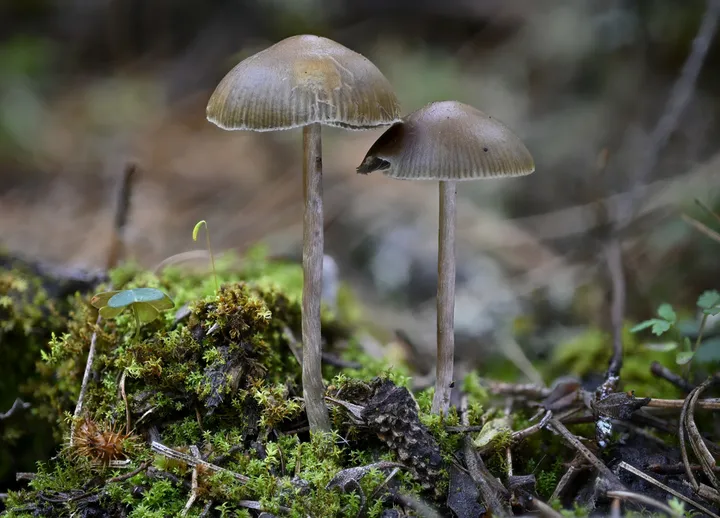
Foto yang diasosiasikan dengan Psilocybe aztecorum pada iNaturalist. Identifikasi mengikuti sumber; bukan penentuan spesimen independen.
Kredit dan penggunaan
(c) Alan Rockefeller, some rights reserved (CC BY), uploaded by Alan Rockefeller
Ukuran dan format gambar disesuaikan tanpa pemotongan, retus, atau penambahan skala. Lisensi sumber dipertahankan.
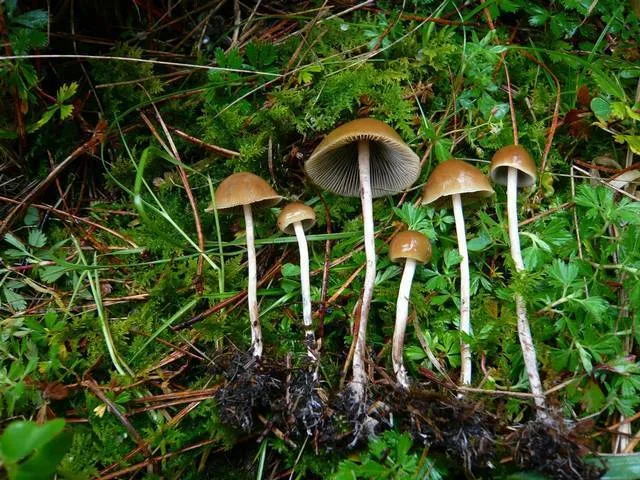
Foto yang diasosiasikan dengan Psilocybe aztecorum pada iNaturalist. Identifikasi mengikuti sumber; bukan penentuan spesimen independen.
Kredit dan penggunaan
(c) A. Cortés-Pérez, some rights reserved (CC BY-SA)
Ukuran dan format gambar disesuaikan tanpa pemotongan, retus, atau penambahan skala. Lisensi sumber dipertahankan.
Sumber profil
- [1] Psilocybe aztecorum — Wikipedia (en)
- [2] Catalogue of Life Base2026-09-11 — Psilocybe aztecorum
- [3] Dokumentasi visual — Psilocybe aztecorum
- [4] Dokumentasi visual — Psilocybe aztecorum
- [5] Dokumentasi visual — Psilocybe aztecorum
Rujukan halaman ini
Fungi. Psilocybe aztecorum. Rilis data fungi-2026-10-12-expansion-2. https://fungi-atlas.mgadib.chatgpt.site/jamur/psilocybe-aztecorum/.
Status: impor sumber; pemeriksaan editorial per profil belum selesai. Untuk klaim biologis, gunakan rujukan pada bagian terkait dan periksa konteks sumber aslinya.