01 / Morfologi

Ciri dan struktur

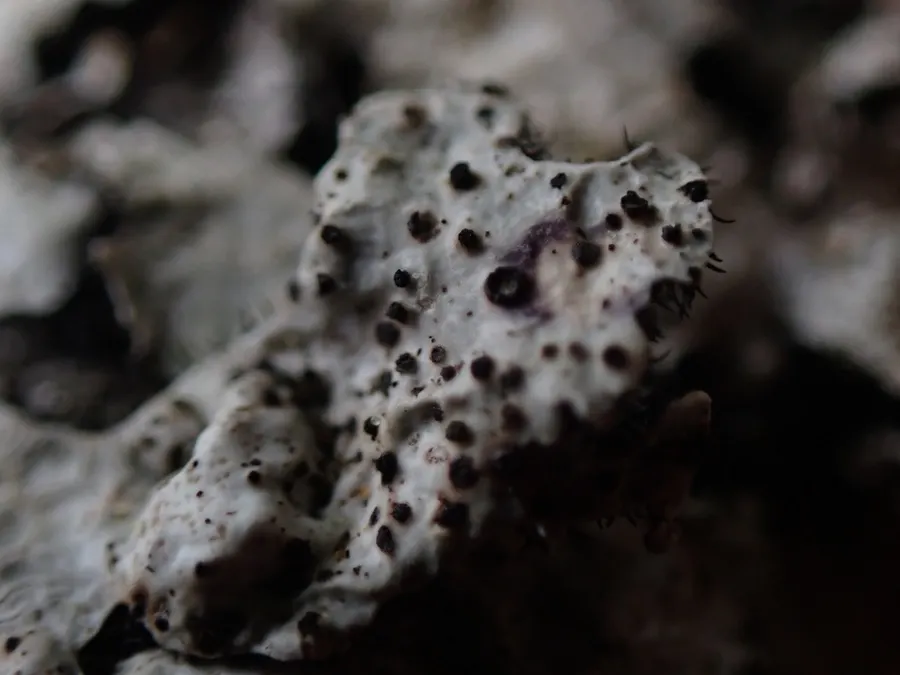
The spores, measuring 14–22 by 5–7 μm, are spindle-shaped. The is chestnut brown, and the hymenium turns blue when treated with iodine (J+). The ascomata (fruiting bodies), which are 0.1–0.4 mm in size, form dense clusters. Initially, they develop inside the lichen thallus, but eventually break through the and slightly protrude. The disc starts off flat with a fine margin, then becomes slightly convex and marginless, with a dull black-brown colour. Studies have revealed considerable variation in spore morphology depending on the host lichen species. When growing on different genera of lichens, the fungus produces spores with statistically significant differences in their length-to-breadth ratios. For example, spores from specimens on Parmelia saxatilis have an average length-to-breadth ratio of 3.12, while those on Platismatia glauca average only 2.25. This variation suggests that N. oxyspora may represent a complex of closely related species or strains, each adapted to specific host genera. The colour of the (the tissue layer beneath the spore-producing cells) also varies from very pale tan to brown depending on the thickness of the sections examined, and rarely stains positively with iodine. The morphological features of N. oxyspora can be measured in detail across different host species. The average spore length ranges from 13.5–19.2 μm and breadth from 5.6–7.1 μm, with considerable variation within and between populations. When the fungus infects certain host lichens, it can induce the formation of galls—abnormal tissue growths that represent the host's response to infection.

Sebagian uraian ditampilkan dalam bahasa sumber; terjemahannya belum tersedia atau belum lolos pemeriksaan.

Rujukan: [1]

Pengukuran mengikuti objek, spesimen atau kultur, dan metode yang disebutkan sumber. Baca uraian asli untuk konteks lengkap.

02 / Kehidupan

Habitat dan peran ekologis

This fungus species appears to be cosmopolitan in distribution. It is found on the thalli of various foliose (leaf-like) and fruticose (shrub-like) lichens, where it sometimes induces the formation of galls.

Sebagian uraian ditampilkan dalam bahasa sumber; terjemahannya belum tersedia atau belum lolos pemeriksaan.

Rujukan: [1]

Habitat atau konteks temuan
Informasi belum tersedia pada sumber rilis ini.
Substrat
Informasi belum tersedia pada sumber rilis ini.
Peran atau konteks
Pembentuk liken
Temukan hubungan serupa
03 / Siklus hidup

Reproduksi

The spores, measuring 14–22 by 5–7 μm, are spindle-shaped. The is chestnut brown, and the hymenium turns blue when treated with iodine (J+). The ascomata (fruiting bodies), which are 0.1–0.4 mm in size, form dense clusters. Initially, they develop inside the lichen thallus, but eventually break through the and slightly protrude. The disc starts off flat with a fine margin, then becomes slightly convex and marginless, with a dull black-brown colour. Studies have revealed considerable variation in spore morphology depending on the host lichen species. When growing on different genera of lichens, the fungus produces spores with statistically significant differences in their length-to-breadth ratios.

Sebagian uraian ditampilkan dalam bahasa sumber; terjemahannya belum tersedia atau belum lolos pemeriksaan.

Rujukan: [1]

Sinonim menurut acuan taksonomi rilis: Abrothallus oxysporus; Biatora oxyspora; Epithallia oxyspora; Lecidea oxyspora; Nesolechia fusca; Nesolechia oxyspora; Nesolechia oxyspora var. fusca; Phacopsis fusca; Phacopsis oxyspora; Phacopsis oxyspora var. fusca; Scutula oxyspora
04 / Batas informasi

Catatan identitas dan cakupan

  • Nama diterima mengikuti Catalogue of Life Base2026-09-11; uraian mempertahankan konsep dan nama sumber aslinya.
  • Original geographic, specimen and life-cycle scope retained; source import awaits individual editorial review.
  • Impor dan terjemahan otomatis belum diperiksa editorial per profil. Struktur reproduktif yang disebutkan tidak membuktikan seluruh siklus hidup diketahui.
  • Pengukuran pada uraian mengikuti spesimen, kultur, dan metode sumber; angka tidak diperluas ke semua populasi.

Catatan distribusi dalam narasi mengikuti sumbernya. Dokumentasi spesimen atau foto mengikuti catatan sumber. Bukti wilayah Indonesia dan penilaian konservasi tidak disimpulkan dari gambar.

05 / Dokumentasi

Melihat dengan konteks

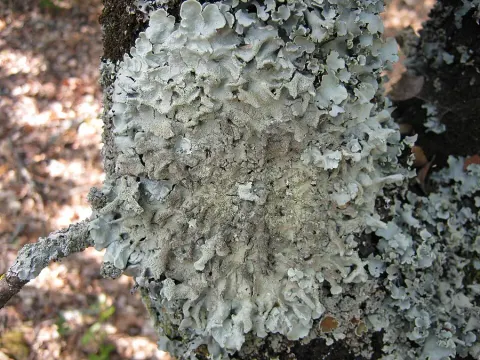
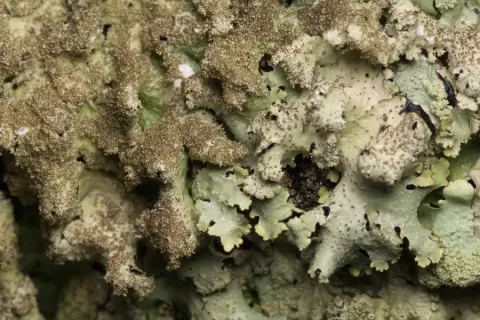
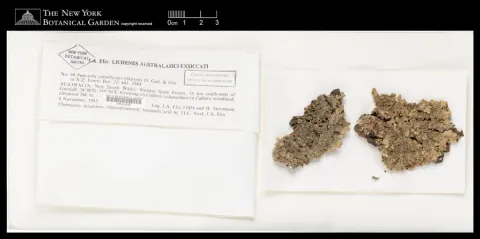
Dokumentasi Nesolechia oxyspora menurut asosiasi foto pada record takson iNaturalist. Kredit: Randal. Identitas mengikuti sumber; bukan penentuan spesimen independen.

Jenis
Fotografi
Kredit
no rights reserved, uploaded by Randal
Lisensi
CC0 1.0
Sumber media
Buka entri sumber

Gambar menunjukkan objek menurut identifikasi sumber, bukan verifikasi independen spesimen oleh Fungi. Tidak ada skala baru yang ditambahkan.

06 / Rujukan

Sumber profil

  1. [1] Nesolechia oxyspora — Wikipedia (en)Bagian sumber: Frozen revision 1281140179
    Tanggal penghimpunan sumber: 2026-10-12
    Teks sumber: CC BY-SA4.0 · Wikipedia contributors
  2. [2] Catalogue of Life Base2026-09-11 — Punctelia oxysporaBagian sumber: ColDP NameUsage.tsv ID 4QHNP; accepted species; source 2073
    Tanggal penghimpunan sumber: 2026-10-12
  3. [3] Dokumentasi visual — Nesolechia oxysporaBagian sumber: Individual media record; identification follows the source, not independent determination
    Tanggal penghimpunan sumber: 2026-10-12
    Media sumber: CC0 1.0 · no rights reserved, uploaded by Randal

Adaptasi teks: CC BY-SA 4.0. Wikipedia contributors — Nesolechia oxyspora — Wikipedia (en)

Uraian asli dan riwayat sumber

Riwayat atau halaman sumber

Ringkasan sumber

Nesolechia oxyspora is a species of lichenicolous (lichen-dwelling) fungus in the family Parmeliaceae that parasitizes various foliose and fruticose lichens worldwide. First described in 1852, it has undergone numerous taxonomic reclassifications, with ongoing debate about its proper generic placement. The fungus produces spindle-shaped spores and forms small, dark fruiting bodies that develop within the host lichen's tissue before breaking through the surface. Studies have revealed significant morphological variations depending on the host lichen species, suggesting it may represent a complex of closely related species adapted to specific hosts.

Revisi sumber

Morfologi sumber

The spores, measuring 14–22 by 5–7 μm, are spindle-shaped. The is chestnut brown, and the hymenium turns blue when treated with iodine (J+). The ascomata (fruiting bodies), which are 0.1–0.4 mm in size, form dense clusters. Initially, they develop inside the lichen thallus, but eventually break through the and slightly protrude. The disc starts off flat with a fine margin, then becomes slightly convex and marginless, with a dull black-brown colour. Studies have revealed considerable variation in spore morphology depending on the host lichen species. When growing on different genera of lichens, the fungus produces spores with statistically significant differences in their length-to-breadth ratios. For example, spores from specimens on Parmelia saxatilis have an average length-to-breadth ratio of 3.12, while those on Platismatia glauca average only 2.25. This variation suggests that N. oxyspora may represent a complex of closely related species or strains, each adapted to specific host genera. The colour of the (the tissue layer beneath the spore-producing cells) also varies from very pale tan to brown depending on the thickness of the sections examined, and rarely stains positively with iodine. The morphological features of N. oxyspora can be measured in detail across different host species. The average spore length ranges from 13.5–19.2 μm and breadth from 5.6–7.1 μm, with considerable variation within and between populations. When the fungus infects certain host lichens, it can induce the formation of galls—abnormal tissue growths that represent the host's response to infection.

Revisi sumber

Ekologi sumber

This fungus species appears to be cosmopolitan in distribution. It is found on the thalli of various foliose (leaf-like) and fruticose (shrub-like) lichens, where it sometimes induces the formation of galls.

Revisi sumber

Struktur reproduksi sumber

The spores, measuring 14–22 by 5–7 μm, are spindle-shaped. The is chestnut brown, and the hymenium turns blue when treated with iodine (J+). The ascomata (fruiting bodies), which are 0.1–0.4 mm in size, form dense clusters. Initially, they develop inside the lichen thallus, but eventually break through the and slightly protrude. The disc starts off flat with a fine margin, then becomes slightly convex and marginless, with a dull black-brown colour. Studies have revealed considerable variation in spore morphology depending on the host lichen species. When growing on different genera of lichens, the fungus produces spores with statistically significant differences in their length-to-breadth ratios.

Revisi sumber

Rujukan halaman ini

Fungi. Punctelia oxyspora. Rilis data fungi-2026-10-12-expansion-2. https://fungi-atlas.mgadib.chatgpt.site/jamur/punctelia-oxyspora/.

Status: impor sumber; pemeriksaan editorial per profil belum selesai. Untuk klaim biologis, gunakan rujukan pada bagian terkait dan periksa konteks sumber aslinya.