Ciri dan struktur
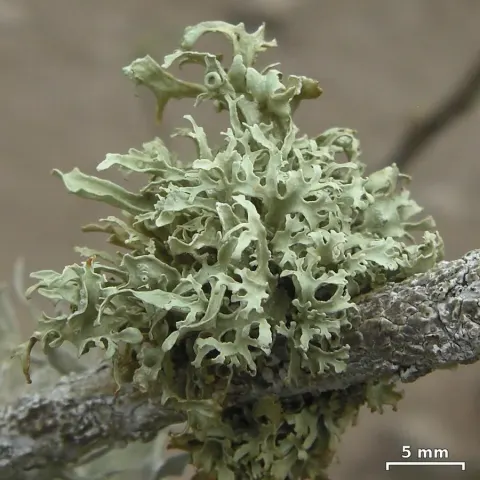
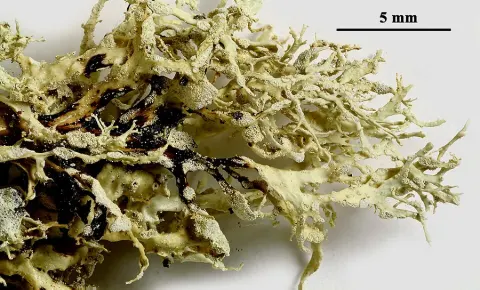
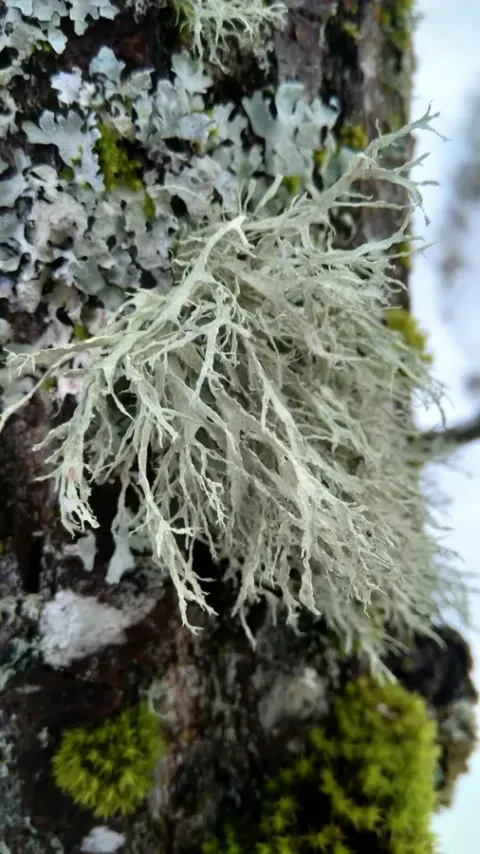
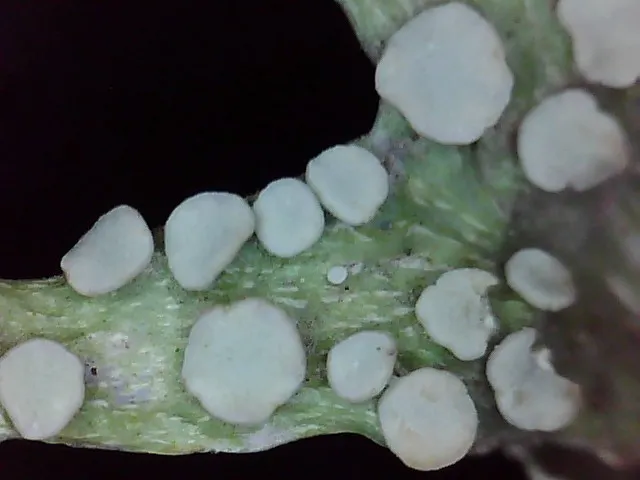
Ramalina celastri typically forms a corticolous (growing on the bark of trees) thallus, which is the main body of the lichen, characterised by its rigid, erect to somewhat (hanging) structure that can reach up to 15 cm in length. The thallus emerges from an often broad base and has sparing to moderate branching. The branches have a colour ranging from straw-colored to pale green. These branches are solid and flattened, with a (lance-shaped) form that can be either plane (flat) or slightly (channelled). The width of these branches is quite variable, ranging from 1 to 20 mm, though they most commonly measure between 3 and 5 mm. Young branches are thin and more or less smooth, transitioning as they age to develop longitudinal or reticulately (net-like) ridged surfaces. These textures result from strands of cartilaginous tissue, and the branches often have holes or cracks. Short linear or irregular laminal pseudocyphellae (small pores in the thallus that allow for gas exchange), are commonly present but soralia, which are structures for asexual reproduction, are absent. Reproductive features of Ramalina celastri include numerous apothecia (fruiting bodies). These are predominantly found lateral and laminal (along the surface) on the thallus and are supported by a stipe (stalk). The of the apothecia may be flat or convex, surrounded by a smooth , which is the rim of tissue around the disc. The spores measure 4–7 by 11–16 μm. Ramalina celastri lacks any medullary substances as confirmed by thin-layer chromatography. The only secondary metabolite (lichen product) it contains reliably is usnic acid; atranorin is an , meaning that it is sometimes present, sometimes not present.
Habitat dan peran ekologis
Ramalina celastri is widely distributed in tropical areas of the world. It grows on bark and on wood, and is found on trees, shrubs, and wooden posts, it has also been noted to occasionally grows on rocks. It is typically found in the warmer and more humid regions of Australia, specifically in New South Wales and Queensland, as well as in northern New Zealand. In New Zealand, the rock-dwelling forms of Ramalina celastri on the North Island, found exclusively within coastal environments, showed distinct morphological differences from their tree-dwelling counterparts, characterised by a more robust structure with wider and longer thalli. Additionally, in cross-section, the medulla of saxicolous specimens was found to be thicker. In East Africa, the lichen is common and widespread at elevations between 800 and 3400 m. It is less common in Brazil than in other tropical countries. Ramalina celastri has also been recorded from India. Its range in North America extends north to southern Texas.
- Habitat atau konteks temuan
- Informasi belum tersedia pada sumber rilis ini.
- Substrat
- kayu; kulit kayu
- Peran atau konteks
- Pembentuk liken
Reproduksi
Ramalina celastri typically forms a corticolous (growing on the bark of trees) thallus, which is the main body of the lichen, characterised by its rigid, erect to somewhat (hanging) structure that can reach up to 15 cm in length. The thallus emerges from an often broad base and has sparing to moderate branching. The branches have a colour ranging from straw-colored to pale green. These branches are solid and flattened, with a (lance-shaped) form that can be either plane (flat) or slightly (channelled). The width of these branches is quite variable, ranging from 1 to 20 mm, though they most commonly measure between 3 and 5 mm. Young branches are thin and more or less smooth, transitioning as they age to develop longitudinal or reticulately (net-like) ridged surfaces.
Catatan identitas dan cakupan
- Nama diterima mengikuti Catalogue of Life Base2026-09-11; uraian mempertahankan konsep dan nama sumber aslinya.
- Original geographic, specimen and life-cycle scope retained; source import awaits individual editorial review.
- Impor dan terjemahan otomatis belum diperiksa editorial per profil. Struktur reproduktif yang disebutkan tidak membuktikan seluruh siklus hidup diketahui.
- Pengukuran pada uraian mengikuti spesimen, kultur, dan metode sumber; angka tidak diperluas ke semua populasi.
Catatan distribusi dalam narasi mengikuti sumbernya. Dokumentasi spesimen atau foto mengikuti catatan sumber. Bukti wilayah Indonesia dan penilaian konservasi tidak disimpulkan dari gambar.
Melihat dengan konteks
Dokumentasi Ramalina celastri menurut asosiasi foto pada record takson iNaturalist. Kredit: Joe Potter Butler. Identitas mengikuti sumber; bukan penentuan spesimen independen.
- Jenis
- Fotografi
- Kredit
- (c) Joe Potter Butler, some rights reserved (CC BY), uploaded by Joe Potter Butler
- Lisensi
- CC BY 4.0
- Sumber media
- Buka entri sumber
Dokumentasi tambahan
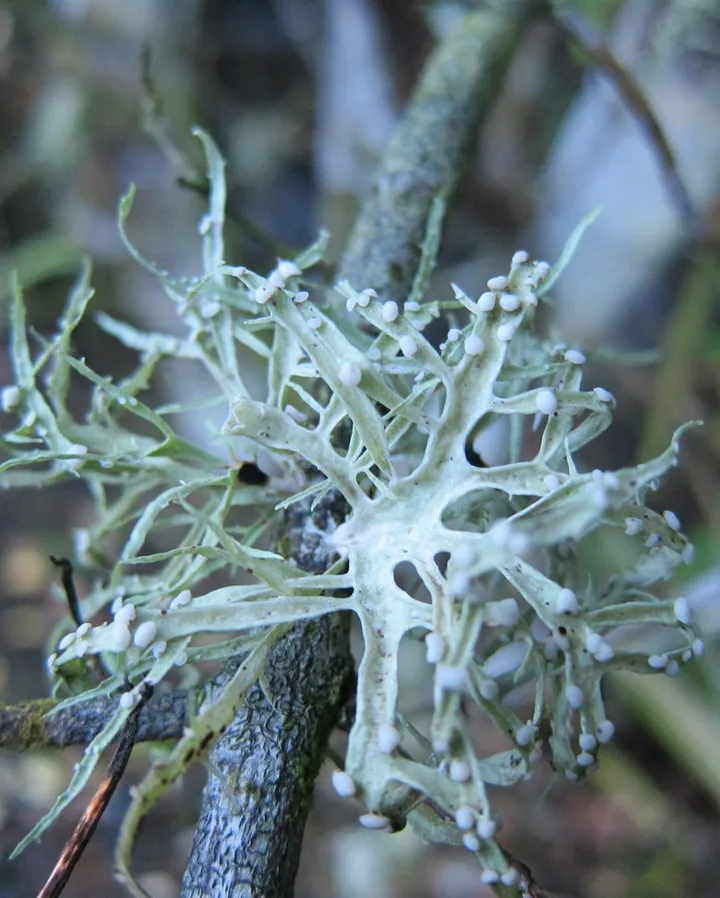
Foto yang diasosiasikan dengan Ramalina celastri pada iNaturalist. Identifikasi mengikuti sumber; bukan penentuan spesimen independen.
Kredit dan penggunaan
(c) John Steel, some rights reserved (CC BY), uploaded by John Steel
Ukuran dan format gambar disesuaikan tanpa pemotongan, retus, atau penambahan skala. Lisensi sumber dipertahankan.
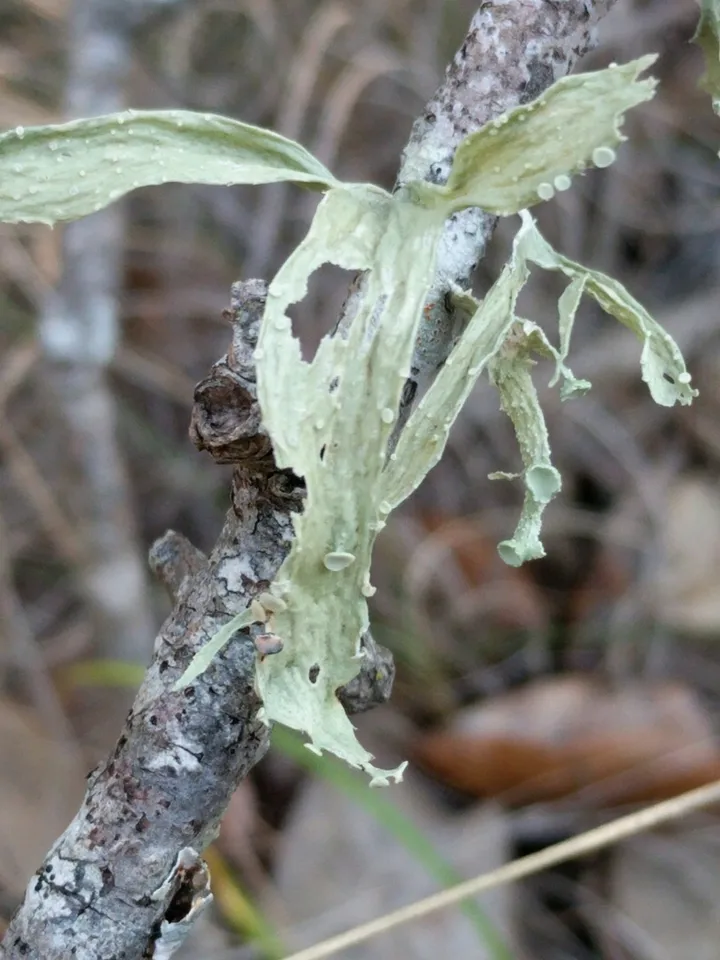
Foto yang diasosiasikan dengan Ramalina celastri pada iNaturalist. Identifikasi mengikuti sumber; bukan penentuan spesimen independen.
Kredit dan penggunaan
(c) Alison Northup, some rights reserved (CC BY), uploaded by Alison Northup
Ukuran dan format gambar disesuaikan tanpa pemotongan, retus, atau penambahan skala. Lisensi sumber dipertahankan.
Sumber profil
- [1] Ramalina celastri — Wikipedia (en)
- [2] Catalogue of Life Base2026-09-11 — Ramalina celastri
- [3] Dokumentasi visual — Ramalina celastri
- [4] Dokumentasi visual — Ramalina celastri
- [5] Dokumentasi visual — Ramalina celastri
Rujukan halaman ini
Fungi. Ramalina celastri. Rilis data fungi-2026-10-12-expansion-2. https://fungi-atlas.mgadib.chatgpt.site/jamur/ramalina-celastri/.
Status: impor sumber; pemeriksaan editorial per profil belum selesai. Untuk klaim biologis, gunakan rujukan pada bagian terkait dan periksa konteks sumber aslinya.