01 / Morfologi

Ciri dan struktur

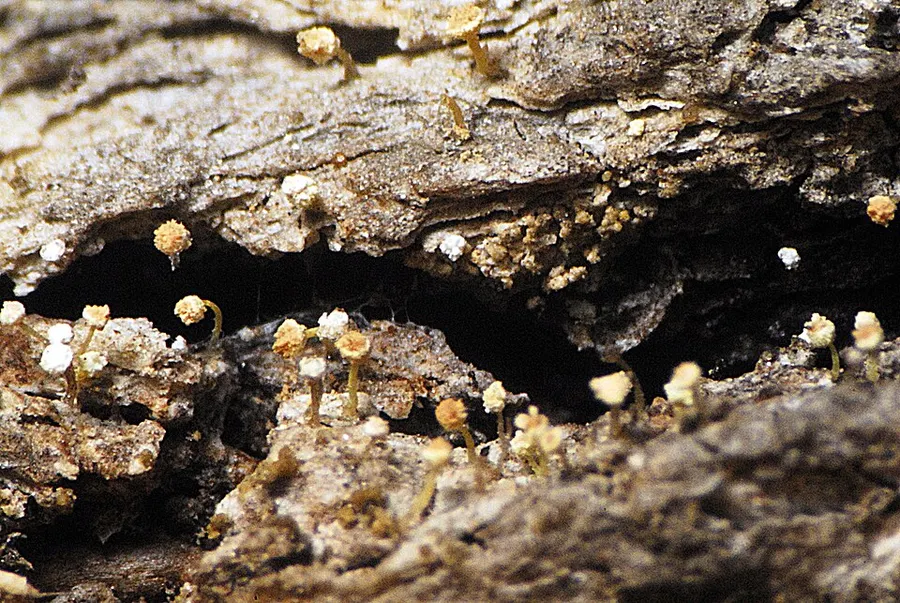
Sclerophora pallida is a crustose lichen species characterised by its immersed thallus (the main body of the lichen) that grows embedded within its substrate. The most distinctive features of this lichen are its small, stalked reproductive structures called apothecia, which measure 0.4–0.7 mm in height. These apothecia have slender stalks (0.06–0.1 mm in diameter) and are topped with a fertile head containing spores. The base of the fertile head is surrounded by a well-developed raised rim called an , which forms a collar-like structure where it meets the stalk. When fresh and moist, the lower surface of the head and the stalk appear pale yellow and somewhat translucent. As the apothecia age, they turn grey and lose their powdery coating (known as ). Young apothecia of Sclerophora pallida begin as (attached directly to the substrate without a stalk), globe-shaped structures covered with a yellow powdery substance. The —a specialized spore mass found at the top of the fruiting body—is pale brown and contains minute dark yellow crystals that turn purple-violet when tested with potassium hydroxide solution (K+). The reproductive spores () of this lichen are spherical, measuring 7–8 μm in diameter, and have a distinctive surface ornamentation resembling small warts.

Sebagian uraian ditampilkan dalam bahasa sumber; terjemahannya belum tersedia atau belum lolos pemeriksaan.

Rujukan: [1]

Pengukuran mengikuti objek, spesimen atau kultur, dan metode yang disebutkan sumber. Baca uraian asli untuk konteks lengkap.

02 / Kehidupan

Habitat dan peran ekologis

Sclerophora pallida menempati tempatnya di dalam retakan kulit kering dan di permukaan kayu pohon berdaun lebar. Hal ini dianggap sebagai anggota paling umum dari genus Sclerophora, meskipun masih langka dalam istilah mutlak. The species primarily grows on dry bark and wood of old deciduous trees, particularly Ulmus (elm), Fraxinus (ash), or Quercus (oak), either as solitary trees or in well-lit woods. Lichen memiliki distribusi yang luas yang mencakup sebagian besar Europe but kecuali bagian paling utara dan paling selatan di mana substrat pohon alami tidak terjadi. Di Inggris, ini terjadi di England and di Skotlandia. Hal ini juga telah ditemukan di Ukraina, Belarus, Lithuania, Polandia, Makedonia, Austria (khususnya di Karwendel Mountains at ketinggian sekitar 1180 meter), dan di seluruh benua Eropa. Di Norwegia, telah didokumentasikan di Østensjøvannet di Oslo, di mana tumbuh di beberapa pohon elm dan abu tua dan kemungkinan telah ada sejak setidaknya 1865. Di Republik Ceko, telah tercatat dari berbagai bagian wilayah dan secara historis paling sering terjadi di hutan berbukit hingga bawah pegunungan, meskipun catatan terbaru berasal terutama dari sabuk gunung. Di luar Eropa, spesies ini telah didokumentasikan di Siberia, Amerika Utara, dan Jepang.

Sebagian uraian ditampilkan dalam bahasa sumber; terjemahannya belum tersedia atau belum lolos pemeriksaan.

Rujukan: [1]

Habitat atau konteks temuan
hutan
Substrat
Informasi belum tersedia pada sumber rilis ini.
Peran atau konteks
Pembentuk liken
Temukan hubungan serupa
03 / Siklus hidup

Reproduksi

Sclerophora pallida is a crustose lichen species characterised by its immersed thallus (the main body of the lichen) that grows embedded within its substrate. The most distinctive features of this lichen are its small, stalked reproductive structures called apothecia, which measure 0.4–0.7 mm in height. These apothecia have slender stalks (0.06–0.1 mm in diameter) and are topped with a fertile head containing spores. Young apothecia of Sclerophora pallida begin as (attached directly to the substrate without a stalk), globe-shaped structures covered with a yellow powdery substance. The —a specialized spore mass found at the top of the fruiting body—is pale brown and contains minute dark yellow crystals that turn purple-violet when tested with potassium hydroxide solution (K+).

Sebagian uraian ditampilkan dalam bahasa sumber; terjemahannya belum tersedia atau belum lolos pemeriksaan.

Rujukan: [1]

Sinonim menurut acuan taksonomi rilis: Calicium pallidum; Chaenotheca coniophaea; Chaenotheca pallida; Coniocybe coniophaea; Coniocybe nivea; Coniocybe nivea var. coniophaea; Coniocybe nivea var. pallida; Coniocybe pallida; Coniocybe pallida var. coniophaea; Coniocybe pallida var. nivea; Coniocybe stilbea var. pallida; Fulgia pallida; Pilacre pallida; Pseudo-coniocybe pallida; Roesleria coniophaea; Roesleria pallida; Sclerophora coniophaea; Sclerophora nivea
04 / Batas informasi

Catatan identitas dan cakupan

  • Nama diterima mengikuti Catalogue of Life Base2026-09-11; uraian mempertahankan konsep dan nama sumber aslinya.
  • Original geographic, specimen and life-cycle scope retained; source import awaits individual editorial review.
  • Impor dan terjemahan otomatis belum diperiksa editorial per profil. Struktur reproduktif yang disebutkan tidak membuktikan seluruh siklus hidup diketahui.
  • Pengukuran pada uraian mengikuti spesimen, kultur, dan metode sumber; angka tidak diperluas ke semua populasi.

Catatan distribusi dalam narasi mengikuti sumbernya. Dokumentasi spesimen atau foto mengikuti catatan sumber. Bukti wilayah Indonesia dan penilaian konservasi tidak disimpulkan dari gambar.

05 / Dokumentasi

Melihat dengan konteks

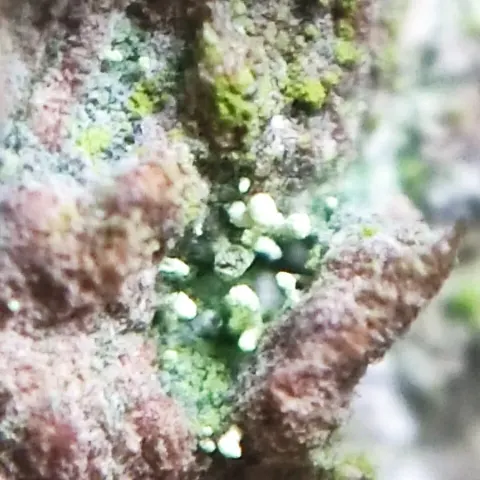
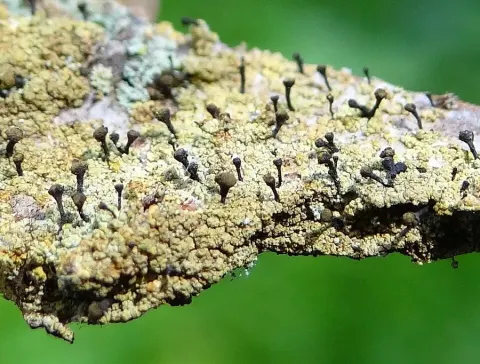
Dokumentasi Sclerophora pallida dari Wikimedia Commons. Tiny fruiting bodies of the lichen Sclerophora pallida Identifikasi mengikuti record berkas sumber.

Jenis
Fotografi
Kredit
Domenico Puntillo
Sumber media
Buka entri sumber

Gambar menunjukkan objek menurut identifikasi sumber, bukan verifikasi independen spesimen oleh Fungi. Tidak ada skala baru yang ditambahkan.

06 / Rujukan

Sumber profil

  1. [1] Sclerophora pallida — Wikipedia (en)Bagian sumber: Frozen revision 1288922492
    Tanggal penghimpunan sumber: 2026-10-12
    Teks sumber: CC BY-SA4.0 · Wikipedia contributors
  2. [2] Catalogue of Life Base2026-09-11 — Sclerophora pallidaBagian sumber: ColDP NameUsage.tsv ID 4VQ7Y; accepted species; source 2073
    Tanggal penghimpunan sumber: 2026-10-12
  3. [3] Dokumentasi visual — Sclerophora pallidaBagian sumber: Individual media record; identification follows the source, not independent determination
    Tanggal penghimpunan sumber: 2026-10-12
    Media sumber: CC BY-SA 4.0 · Domenico Puntillo

Adaptasi teks: CC BY-SA 4.0. Wikipedia contributors — Sclerophora pallida — Wikipedia (en)

Uraian asli dan riwayat sumber

Riwayat atau halaman sumber

Ringkasan sumber

Sclerophora pallida is a crustose lichen species in the family Coniocybaceae. First described by Christiaan Hendrik Persoon in 1794, it has undergone numerous taxonomic revisions before receiving its current scientific name in 1999. The species is characterised by its bark-immersed thallus and distinctive stalked, pin-like fruiting bodies that grow to 0.4–0.7 mm tall with pale yellow stalks that turn grey with age. These structures produce a (powdery spore mass) containing spherical, warty measuring 7–8 micrometres in diameter.

Revisi sumber

Morfologi sumber

Sclerophora pallida is a crustose lichen species characterised by its immersed thallus (the main body of the lichen) that grows embedded within its substrate. The most distinctive features of this lichen are its small, stalked reproductive structures called apothecia, which measure 0.4–0.7 mm in height. These apothecia have slender stalks (0.06–0.1 mm in diameter) and are topped with a fertile head containing spores. The base of the fertile head is surrounded by a well-developed raised rim called an , which forms a collar-like structure where it meets the stalk. When fresh and moist, the lower surface of the head and the stalk appear pale yellow and somewhat translucent. As the apothecia age, they turn grey and lose their powdery coating (known as ). Young apothecia of Sclerophora pallida begin as (attached directly to the substrate without a stalk), globe-shaped structures covered with a yellow powdery substance. The —a specialized spore mass found at the top of the fruiting body—is pale brown and contains minute dark yellow crystals that turn purple-violet when tested with potassium hydroxide solution (K+). The reproductive spores () of this lichen are spherical, measuring 7–8 μm in diameter, and have a distinctive surface ornamentation resembling small warts.

Revisi sumber

Ekologi sumber

Sclerophora pallida establishes itself within the dried fissures of bark and on the woody surfaces of broadleaf trees. It is considered the most common member of the genus Sclerophora, though still rare in absolute terms. The species primarily grows on dry bark and wood of old deciduous trees, particularly Ulmus (elm), Fraxinus (ash), or Quercus (oak), either as solitary trees or in well-lit woods. The lichen has a wide distribution covering most of Europe but excluding the northernmost and southernmost parts where its natural tree substrates do not occur. In the United Kingdom, it occurs in England and in Scotland. It has also been found in Ukraine, Belarus, Lithuania, Poland, Macedonia, Austria (specifically in the Karwendel Mountains at elevations around 1180 metres), and throughout continental Europe. In Norway, it has been documented at Østensjøvannet in Oslo, where it grows on several old elm and ash trees and has likely been present since at least 1865. In the Czech Republic, it has been recorded from various parts of the territory and was historically most frequent in colline to submontane forests, though recent records come primarily from mountain belts. Beyond Europe, the species has been documented in Siberia, North America, and Japan.

Revisi sumber

Struktur reproduksi sumber

Sclerophora pallida is a crustose lichen species characterised by its immersed thallus (the main body of the lichen) that grows embedded within its substrate. The most distinctive features of this lichen are its small, stalked reproductive structures called apothecia, which measure 0.4–0.7 mm in height. These apothecia have slender stalks (0.06–0.1 mm in diameter) and are topped with a fertile head containing spores. Young apothecia of Sclerophora pallida begin as (attached directly to the substrate without a stalk), globe-shaped structures covered with a yellow powdery substance. The —a specialized spore mass found at the top of the fruiting body—is pale brown and contains minute dark yellow crystals that turn purple-violet when tested with potassium hydroxide solution (K+).

Revisi sumber

Rujukan halaman ini

Fungi. Sclerophora pallida. Rilis data fungi-2026-10-12-expansion-2. https://fungi-atlas.mgadib.chatgpt.site/jamur/sclerophora-pallida/.

Status: impor sumber; pemeriksaan editorial per profil belum selesai. Untuk klaim biologis, gunakan rujukan pada bagian terkait dan periksa konteks sumber aslinya.